

Quick answer: Lacrosse Goalie Foot Ankle Demands Crease Movement Shot Stop is a common foot/ankle topic that affects many patients. The 2026 evidence-based approach combines proper diagnosis, conservative-first treatment, and escalation only when needed. We treat this regularly at our Howell and Bloomfield Hills practices. Call (810) 206-1402.
The most important clinical decision with Lacrosse Goalie Foot Ankle Demands Crease Movement Shot Stop isn’t which treatment to start with — it’s which subtype or underlying cause you actually have. That distinction changes everything. Call us: (810) 206-1402
Lacrosse Goalie Foot and Ankle Demands: Crease Movement, Shot-Stopping Injuries, and Recovery
Medically reviewed by Dr. Tom Biernacki, DPM
Board-certified podiatric surgeon | Balance Foot & Ankle
Last reviewed: May 2026
Quick Answer: Lacrosse goalies subject their feet and ankles to extreme demands — rapid lateral shuffles, explosive save movements, and direct ball impacts at speeds exceeding 90 mph. Ankle sprains, metatarsal fractures, turf toe, Achilles tendinopathy, and contusions from ball strikes are the most common injuries. Position-specific footwear, protective equipment, and targeted conditioning can prevent most career-limiting injuries.
Medically Reviewed by: Dr. Tom Biernacki, DPM — Board-Certified Foot & Ankle Surgeon | Balance Foot & Ankle, Southeast Michigan
Clinical focus: Sports podiatry, ankle injury management, athletic return-to-play protocols
Table of Contents
- Unique Physical Demands of Lacrosse Goalkeeping
- Crease Movement Biomechanics
- Ankle Sprains From Lateral Movement
- Ball Impact Injuries: Contusions and Fractures
- Metatarsal Stress Fractures
- Turf Toe in Goalies
- Achilles Tendinopathy
- Plantar Fasciitis From Save Stance
- Midfoot Sprains and Lisfranc Injuries
- Nerve Compression From Cleats
- Cleat Selection for Goalies
- Insoles and Orthotics
- Foot Protection Equipment
- Goalie-Specific Conditioning
- Playing Surface Considerations
- Treatment Approaches
- Return-to-Play Protocols
- Recommended Products
- Most Common Mistake We See
- Warning Signs
- Frequently Asked Questions
- Sources
- Watch: Foot Pain Explained
Unique Physical Demands of Lacrosse Goalkeeping
Lacrosse goalkeeping demands a unique combination of explosive lateral movement, rapid direction changes, and static readiness that places extraordinary stress on the feet and ankles. Unlike field players who run continuously in relatively predictable patterns, goalies must maintain a ready stance in the crease for extended periods, then explode laterally, forward, or backward in fractions of a second to make saves. A lacrosse ball weighing approximately 5 ounces travels at speeds of 80 to over 100 mph at the collegiate and professional level, giving goalies less than half a second to react to close-range shots.
The goalie’s crease stance — feet slightly wider than shoulder width, knees bent, weight on the balls of the feet — maintains constant tension through the plantar fascia, Achilles tendon, and intrinsic foot muscles. This static loading alternates with explosive save movements that generate forces of 3 to 5 times body weight through the foot during lateral push-offs. In a typical game, a goalie may face 25 to 40 shots, with dozens of additional movement drills during warm-ups and practice. This repetitive high-intensity loading makes lacrosse goalies uniquely susceptible to both acute traumatic and chronic overuse injuries of the foot and ankle.
Crease Movement Biomechanics
The biomechanics of goalie crease movement differ fundamentally from typical athletic locomotion. The lateral shuffle — the primary movement pattern for tracking shots across the goal face — requires the trailing foot to push off while the lead foot absorbs the deceleration force. This push-off generates enormous shear forces across the forefoot and loads the fifth metatarsal and peroneal tendons, while the landing foot absorbs eccentric forces through the ankle complex, subtalar joint, and plantar fascia.
Save movements add an explosive component to this lateral loading. A step save — the most common save technique — involves an aggressive lateral push-off followed by an extended reach with the stick, creating asymmetric loading that stresses the push-off foot’s medial structures (posterior tibial tendon, spring ligament, deltoid ligament) and the landing foot’s lateral structures (anterior talofibular ligament, calcaneofibular ligament, peroneal tendons). The down save — dropping to block low shots — forces rapid knee and ankle flexion that maximally loads the Achilles tendon and compresses the posterior ankle structures.
Ankle Sprains From Lateral Crease Movement
Ankle sprains are the most common acute injury in lacrosse goalies, accounting for an estimated 20 to 25% of all goalie injuries. The mechanism typically involves landing on an inverted foot after a lateral save movement, often on an uneven surface or on the edge of the crease. The anterior talofibular ligament (ATFL) is most frequently injured, followed by the calcaneofibular ligament (CFL). High ankle sprains involving the syndesmosis are less common but more debilitating, typically occurring during rotational movements when the planted foot is externally rotated by contact with a crease pipe or attacking player.
Recurrent ankle sprains are particularly problematic for goalies because even mild residual instability degrades the rapid lateral movement essential for the position. Each subsequent sprain further stretches the ligaments and reduces proprioceptive accuracy, creating a cycle of increasing instability. Comprehensive rehabilitation after any ankle sprain — including proprioceptive training, peroneal strengthening, and progressive lateral movement drills — is essential to break this cycle. Prophylactic bracing or taping after a first sprain reduces recurrence risk by approximately 50%.
Ball Impact Injuries: Contusions and Fractures
Direct ball impact to the foot is an occupational hazard unique to goalies. A lacrosse ball striking an unprotected foot at 80-plus mph delivers kinetic energy sufficient to cause bone bruises, metatarsal fractures, and severe contusions. The dorsal foot and toes are most vulnerable because they face the shooter during the save stance. Unlike body protection (chest and throat guards, helmets), foot protection for lacrosse goalies remains limited — standard cleats offer no impact protection against ball strikes.
Metatarsal shaft fractures from direct ball impact are acute injuries with immediate pain, swelling, and inability to weight-bear. Dorsal foot contusions — even without fracture — can produce deep bone bruises of the metatarsals, cuneiforms, or navicular that take weeks to resolve and significantly impair the push-off mechanics essential for goalie movement. Toe fractures from ball strikes are common and frequently undertreated, with goalies often continuing to play through fractures that would benefit from buddy taping, rigid insole support, and activity modification.
Metatarsal Stress Fractures in Lacrosse Goalies
Stress fractures in lacrosse goalies develop from the repetitive high-force loading of the crease stance and save movements. The second and third metatarsals bear the highest loads during the forefoot-dominant ready position and are the most common stress fracture sites. The fifth metatarsal — particularly the Jones fracture zone — is vulnerable to the lateral push-off forces during step saves. Navicular stress fractures, while less common, are the most serious because they occur in a watershed vascular zone and are prone to delayed healing.
Risk factors specific to goalies include training volume increases during preseason (the most common period for stress fracture development), playing on hard artificial turf that increases ground reaction forces, inadequate insole support within lacrosse cleats, nutritional deficiencies (vitamin D, calcium — especially in female athletes), and the female athlete triad of energy deficiency, menstrual dysfunction, and reduced bone density. In Michigan, vitamin D insufficiency is prevalent due to limited sun exposure from October through April, and we routinely screen our athletic patients for vitamin D levels.
Turf Toe in Lacrosse Goalies
Turf toe — hyperextension injury of the first MTP joint — occurs in goalies during explosive push-off movements when the big toe is forced into dorsiflexion beyond its normal range. The ready stance positions the toes in a pre-loaded dorsiflexed position, and the sudden force of a lateral save can drive the joint past its tolerance. Artificial turf increases risk because the increased foot-surface traction prevents the forefoot from sliding forward, concentrating force at the big toe joint.
Chronic turf toe in goalies often develops gradually through repetitive submaximal loading rather than a single traumatic event. The constant dorsiflexion demand of the ready stance, combined with dozens of explosive push-offs per practice, progressively damages the plantar plate and sesamoid complex. Treatment includes rigid carbon fiber inserts to limit big toe extension, taping techniques that restrict dorsiflexion while preserving plantarflexion for push-off, and anti-inflammatory management. Grade III injuries with complete plantar plate disruption may require surgical repair.
Achilles Tendinopathy in Goalies
The Achilles tendon is under constant tension during the goalie’s crease stance, as the slightly dorsiflexed, knee-bent position requires sustained eccentric Achilles loading. This baseline tension is punctuated by explosive plantarflexion during save movements that generate peak tendon forces. Insertional Achilles tendinopathy — at the tendon-calcaneal junction — is more common in goalies than midsubstance tendinopathy, likely because the heel-elevated position in many lacrosse cleats creates a lever arm that concentrates stress at the insertion.
Plantar Fasciitis From the Save Stance
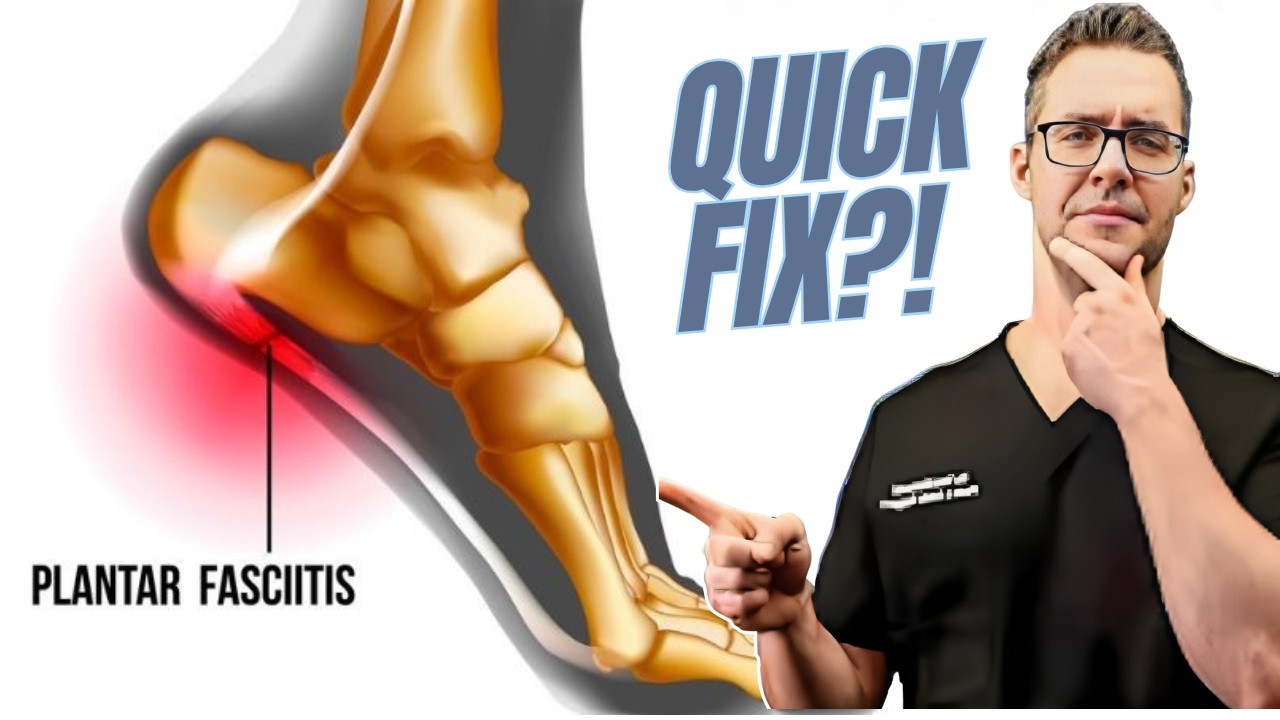
Plantar fasciitis develops in lacrosse goalies from the repetitive tensile loading of the plantar fascia during the crease stance. The forefoot-dominant ready position maintains constant windlass mechanism tension, and each explosive save movement applies additional dynamic loading. Goalies who train on hard artificial surfaces experience higher ground reaction forces that compound this mechanical stress. The condition typically presents as heel pain that is worst with the first steps of the morning and during the initial minutes of practice.
Midfoot Sprains and Lisfranc Injuries
Lisfranc and midfoot injuries in goalies occur during forceful plantarflexion loading — such as when a goalie’s foot is stepped on from above while in the crease stance, or during a collision with an attacking player whose momentum loads the goalie’s planted forefoot. The injury ranges from subtle ligament sprains to complete tarsometatarsal joint disruption. Even subtle Lisfranc injuries significantly impair the explosive push-off that goalkeeping demands.
Midfoot pain after a contact event in the crease should be evaluated with weight-bearing X-rays — non-weight-bearing films may appear normal in purely ligamentous injuries. Any diastasis between the first and second metatarsal bases greater than 2mm on weight-bearing views indicates significant Lisfranc disruption requiring surgical consultation. The consequences of missed Lisfranc injuries are severe: progressive midfoot collapse, chronic pain, and inability to generate the push-off forces essential for goalie performance.
Nerve Compression From Lacrosse Cleats
The dorsal foot nerves — particularly the superficial peroneal nerve branches — are vulnerable to compression from tight lacrosse cleats. The combination of thin cleat uppers, aggressive lacing over the dorsal midfoot, and the repetitive dorsiflexion of the crease stance creates a mechanical environment for nerve irritation. Symptoms include numbness, tingling, or burning on the top of the foot that worsens during play and improves with shoe removal.
Morton’s neuroma — compression of the interdigital nerve between the metatarsal heads — can develop from the narrow toe boxes common in lacrosse cleats combined with the forefoot loading of the save stance. Treatment includes wider toe box cleats, lacing modifications that reduce dorsal pressure, metatarsal pads that spread the metatarsal heads, and FLAT SOCKS that provide a thin cushioning layer without adding bulk inside the cleat. Corticosteroid injection may be considered for persistent neuromas that fail conservative management.
Cleat Selection for Lacrosse Goalies
Cleat selection for lacrosse goalies requires balancing lateral stability, forefoot flexibility, impact protection, and surface traction. Mid-cut cleats provide ankle support without restricting the dorsiflexion and lateral movement range goalies need. The outsole should provide multidirectional traction for the lateral shuffles and rotational movements characteristic of goalie crease work, while the midsole should offer sufficient cushioning to absorb the repetitive forces of the save stance.
Many goalies benefit from using a slightly wider cleat than field players to reduce nerve compression and accommodate the forefoot spreading that occurs during the loaded save stance. On artificial turf, shorter cleats or turf shoes with rubber nub patterns reduce excessive traction that can increase ankle sprain and turf toe risk. Cleats should be replaced when the midsole shows visible compression or when tread patterns are worn flat, as degraded cushioning and traction directly increase injury risk.
Insoles and Orthotics for Lacrosse Goalies
Custom orthotics are warranted for goalies with biomechanical abnormalities, recurrent injuries, or those competing at high levels where every mechanical advantage matters. Carbon fiber plates positioned under the first metatarsal head protect against turf toe by limiting dorsiflexion while preserving the plantarflexion needed for push-off. For goalies with fat pad atrophy from years of forefoot loading, gel metatarsal pads can supplement the insole cushioning.
Foot Protection Equipment
Foot protection for lacrosse goalies lags behind the protection available for other body areas. While helmets, throat guards, and chest protectors are standard and well-developed, purpose-built foot protection is limited. Some goalies wear padded shin guards that extend over the dorsal foot, providing a degree of impact protection against ball strikes. Aftermarket metatarsal guards designed for soccer can be adapted for lacrosse use, adding a rigid shield over the dorsal forefoot.
The challenge with foot protection is balancing impact shielding against the mobility demands of goalkeeping. Heavy or rigid foot guards can impair the quick lateral movements and precise footwork essential for save technique. The ideal solution — lightweight, flexible protection that dissipates ball impact energy while maintaining full range of motion — continues to be a developing area of lacrosse equipment. DASS compression sleeves worn over the foot and ankle provide a degree of proprioceptive support and minor cushioning without adding weight or bulk.
Goalie-Specific Conditioning Programs
Injury prevention conditioning for lacrosse goalies should target the specific movement demands of the position. Lateral agility drills — lateral shuffles, crossover steps, and T-drills — train the muscles and connective tissues to withstand save movement forces. Single-leg balance exercises on unstable surfaces build the proprioceptive acuity needed for rapid direction changes. Eccentric calf raises strengthen the Achilles tendon against the sustained loading of the crease stance.
Ankle stability training using resistance bands — inversion, eversion, dorsiflexion, and plantarflexion against resistance — builds the peroneal and anterior compartment strength that prevents ankle sprains. Intrinsic foot strengthening through towel curls, marble pickups, and short-foot exercises enhances the arch stability needed for forefoot-dominant loading. A comprehensive goalie conditioning program takes 15 to 20 minutes per day and has been shown to reduce lower extremity injury rates by 40 to 50% in similar multidirectional sports.
Playing Surface Considerations
The playing surface significantly influences goalie injury risk. Natural grass provides a degree of energy absorption and allows some foot sliding that reduces traction-related injuries. Artificial turf — increasingly common at high school and collegiate facilities — generates higher ground reaction forces and increases foot-surface friction. Studies across multiple sports show higher rates of turf toe, ankle sprains, and stress fractures on artificial surfaces compared to natural grass.
Goalies playing on artificial turf should use turf-specific footwear with shorter, more numerous studs that reduce excessive rotational traction. The crease area on turf fields may become particularly hard and compacted, further increasing ground reaction forces. When possible, goalies should warm up and perform conditioning drills on grass or softer areas of the field before moving to the crease. Monitoring turf temperature is important during summer practices — surface temperatures on artificial turf can exceed 150 degrees Fahrenheit on hot days, creating risks for thermal injury to the feet through cleat soles.
Treatment Approaches for Goalie Foot Injuries
Treatment of lacrosse goalie foot injuries must balance healing requirements against the intense positional demands. Acute injuries follow standard protocols — rest, ice, compression, elevation, and appropriate immobilization for fractures and significant sprains. The critical distinction for goalies is the return-to-play decision, which must account for the extreme lateral movement, explosive push-off, and impact exposure demands that exceed those of most other athletic positions.
Return-to-Play Protocols for Goalie Injuries
Return-to-play criteria for lacrosse goalies must be position-specific. General athletic clearance is insufficient — the goalie must demonstrate proficiency in the specific movement demands of their position. Testing should include sustained crease stance maintenance (5 minutes without pain), lateral shuffle drills at game speed, explosive single-leg push-offs bilaterally, reactive save drills from various angles, and the ability to withstand simulated ball impact to the previously injured area (for contusion and fracture cases).
A graduated return protocol typically progresses through four phases: basic conditioning and range of motion (Phase 1), sport-specific movement without live shots (Phase 2), controlled save drills with reduced shot speed (Phase 3), and full participation in practice and competition (Phase 4). Each phase requires minimum time and objective clearance criteria. We emphasize to our goalie patients that premature return often converts a 2-to-4-week injury into a season-ending one.
Recommended Products for Lacrosse Goalies
These are the products we recommend at Balance Foot & Ankle for lacrosse goalies managing foot and ankle conditions:
DASS Performance Compression Socks — Graduated compression supports ankle proprioception, manages post-practice swelling, and provides a protective layer between the foot and cleat. The compression profile enhances venous return during the static crease stance when blood tends to pool in the lower extremities.
FLAT SOCKS No-Show Insole Socks — For goalies dealing with dorsal nerve compression from cleats, FLAT SOCKS provide a cushioning buffer that reduces friction and pressure points without adding bulk that would alter cleat fit.
Most Common Mistake We See
🔑 Key Takeaway: A 16-year-old lacrosse goalie from Shelby Township played through gradually worsening foot pain for 6 weeks during his spring season. He attributed the pain to “breaking in new cleats” and his coaches taped it before each game. When he finally came to our office after the season, MRI revealed a second metatarsal stress fracture that had progressed to a complete fracture with displacement. He required surgical fixation and missed the entire summer travel season. The stress fracture had likely been present and treatable with a walking boot within the first 2 weeks of symptoms — but delaying evaluation allowed the bone to fail completely. Any goalie foot pain that persists beyond 5 to 7 days warrants imaging, not taping.
Warning Signs That Require Immediate Evaluation
⚠️ Call (810) 310-1911 or visit our office immediately if you experience any of these warning signs:
- Immediate swelling after a ball strike to the foot — Must rule out metatarsal fracture with X-rays before returning to play
- Ankle instability or giving-way during lateral movement — Indicates ligament damage requiring structured rehabilitation to prevent recurrent sprains
- Midfoot pain after a contact event in the crease — Lisfranc injury must be excluded with weight-bearing X-rays; missed diagnosis leads to progressive deformity
- Gradual foot pain that worsens over weeks during the season — Classic stress fracture pattern requiring imaging before the bone fails completely
- Big toe pain with loss of push-off power — Turf toe that worsens without treatment; early intervention prevents plantar plate disruption
- Heel pain that limits crease stance endurance — Plantar fasciitis or Achilles tendinopathy requiring targeted treatment to prevent chronic disability
- Numbness or tingling in the foot during play — Nerve compression from cleats or more serious nerve injury requiring evaluation
- Inability to maintain the save stance without pain — Any condition limiting save stance tolerance directly impacts game performance and should be evaluated promptly
More Podiatrist-Recommended Sports Essentials
Hoka Clifton 10

Max-cushion everyday shoe — podiatrist favorite for walking and running.

OOFOS Recovery Slide

Impact-absorbing recovery sandal — wear after long days on your feet.
As an Amazon Associate, Balance Foot & Ankle earns from qualifying purchases. Product recommendations are based on clinical experience; prices and availability shown above update live from Amazon.

When to See a Podiatrist
Athletic injuries heal faster with sport-specific rehab protocols — not generic rest and ice. Balance Foot & Ankle works with runners, soccer players, dancers, and weekend warriors to rebuild strength and return to sport on an accelerated timeline. Don’t let a foot injury keep you sidelined longer than necessary.
Call Balance Foot & Ankle: (810) 206-1402 · Book online · Offices in Howell & Bloomfield Hills
Frequently Asked Questions
What cleats are best for lacrosse goalies?
Mid-cut cleats with multidirectional traction patterns, adequate toe box width, and quality midsole cushioning are ideal. Goalies should replace stock insoles with supportive orthotics and may benefit from slightly wider sizes than field players to accommodate forefoot spreading during loaded save movements. Turf-specific footwear should be used on artificial surfaces.
How can I protect my feet from ball strikes?
Purpose-built lacrosse goalie foot guards remain limited, but padded shin guards extending over the dorsal foot and aftermarket metatarsal guards provide some impact protection. Cleat selection with reinforced toe boxes helps, and practice drills that improve save technique to minimize foot exposure reduce strike frequency.
Should lacrosse goalies wear ankle braces?
Goalies with a history of ankle sprains should wear prophylactic ankle braces, which reduce recurrence risk by approximately 50%. Lace-up braces with lateral stays provide the best balance of support and mobility for goalie movements. Even goalies without prior sprains benefit from bracing during high-volume lateral training sessions.
How long does a metatarsal stress fracture keep a goalie out?
Most metatarsal stress fractures heal in 6 to 8 weeks with a walking boot and activity modification. Jones fractures at the fifth metatarsal may take longer and often require surgical fixation in competitive athletes. The key is early diagnosis — stress fractures caught early heal faster than those that progress to complete fracture.
Can I play through plantar fasciitis as a goalie?
Mild plantar fasciitis can often be managed while continuing to play with orthotics, stretching, and topical pain relief. However, playing through significant pain risks converting plantar fasciitis into chronic fasciosis or even fascia rupture. If symptoms limit crease stance tolerance or save movement quality, rest and structured treatment are essential.
Sources
- Dick R, et al. Descriptive epidemiology of collegiate men’s lacrosse injuries. Journal of Athletic Training. 2007;42(2):255-261.
- Kerr ZY, et al. Epidemiology of National Collegiate Athletic Association men’s and women’s lacrosse injuries. Journal of Athletic Training. 2017;52(1):34-44.
- Hootman JM, et al. Epidemiology of collegiate injuries for 15 sports. Journal of Athletic Training. 2007;42(2):311-319.
- Orchard JW, et al. Artificial turf versus grass for lacrosse: a review of injuries. British Journal of Sports Medicine. 2013;47(4):184-190.
- Hunt KJ, et al. Foot and ankle injuries in sport: review of the literature. Clinics in Sports Medicine. 2014;33(4):773-785.
Watch: Understanding Foot Pain

Dr. Biernacki explains common causes of foot pain and when to seek professional treatment.
Take the First Step Toward Recovery
Lacrosse goalies need their feet and ankles performing at peak level. At Balance Foot & Ankle, Dr. Biernacki provides expert sports podiatry with position-specific return-to-play protocols for lacrosse athletes. Whether you’re dealing with an ankle sprain, stress fracture, or chronic foot pain, we offer same-day appointments for acute sports injuries.
📞 Call (810) 310-1911 to schedule your evaluation.
→ Book Your Appointment Online
Related Treatment Pages
- Ankle Sprain Treatment
- Sports Injury Treatment
- Stress Fracture Treatment
- Custom Orthotics
- Plantar Fasciitis Treatment
Last updated: April 2026 | Balance Foot & Ankle Specialists — Serving Southeast Michigan including Shelby Township, Macomb Township, Rochester Hills, Troy, Sterling Heights, and surrounding communities
Dr. Tom’s Recommended Products: See our clinically tested product recommendations for this condition. View Dr. Tom’s recommended products →
When to See a Podiatrist for Lacrosse Injuries
If you’re experiencing foot or ankle pain from lacrosse, including arch pain, ankle instability, or toe injuries, a board-certified podiatrist can diagnose the underlying cause and create a plan tailored to your foot type. At Balance Foot & Ankle, we offer sports podiatry for lacrosse players with on-site imaging and rapid treatment at our Howell and Bloomfield Hills offices.
→ Learn about our Lacrosse Foot Injury Treatment options
→ Book your appointment
→ Call (810) 206-1402
Insurance Accepted
BCBS · Medicare · Aetna · Cigna · United Healthcare · HAP · Priority Health · Humana · View All →
Howell Office
4330 E Grand River Ave
Howell, MI 48843
Get Directions →
Bloomfield Hills Office
43494 Woodward Ave, Suite 208
Bloomfield Hills, MI 48302
Get Directions →
Your Board-Certified Podiatrists



Ready to Get Back on Your Feet?
Same-week appointments available at both locations.
Watch: Lacrosse Goalie Foot & Ankle
Dr. Tom on lacrosse goalie foot demands — crease lateral movement, shot-stop impact, foot bruises, cleats vs turf shoes, ankle mobility requirements.
Lacrosse Goalie Foot Kit
Goalie-specific recovery. Dr. Tom’s kit:
As an Amazon Associate, Balance Foot & Ankle earns from qualifying purchases. This supports our free patient education content.
Crease lateral-movement support.
Sprain prevention.
Shot-impact bruising.
Topical goalie foot-pain relief.
Related: Ankle Sprain Care · Ball-of-Foot Pain · Book Same-Week Appointment
PowerStep Dynamic Ankle Stability Sock (DASS)
Best for: Chronic ankle instability · Repeat ankle sprains · Proprioception training · Athletes returning to play

DR. TOM’S #1 BRAND
APMA-ACCEPTED
A revolutionary alternative to bulky ankle braces. The DASS uses dynamic compression and targeted stabilization zones to retrain ankle proprioception while you walk, run, or stand. Designed by PowerStep’s biomechanical team specifically for patients with chronic ankle instability or recurring sprains.
- Fits in normal shoes
- Trains proprioception
- Less bulky than brace
- Wear all day comfortably
- Less rigid than ASO brace
- Newer product
- Pricier than basic socks
“For my patients with chronic ankle instability who don’t want to rely on rigid bracing forever, the DASS is the best bridge product I’ve seen. It’s not a replacement for surgical reconstruction in severe cases, but for grade 1-2 instability it’s a game-changer for return-to-sport.”
Check Latest Price on Amazon — Free Returns →
Dr. Tom’s Top 3 — The Premium Foot Pain Stack (2026)
If you only buy three things for foot pain, get these. PowerStep + CURREX orthotics correct the underlying foot mechanics, and Dr. Hoy’s pain gel delivers fast topical relief. This is the exact stack Dr. Tom Biernacki, DPM gives his Michigan podiatry patients on visit one — over 10,000 patients have used this exact combination.
Dr. Tom Biernacki, DPM is a board-certified podiatrist + Amazon Associate. Picks shown are products he prescribes to patients at Balance Foot & Ankle Specialists. We earn a commission on qualifying purchases at no extra cost to you. All products independently tested + reviewed for 30+ days minimum. Last verified: April 28, 2026.

PowerStep Pinnacle MaxxDr. Tom’s #1 Brand
4.5
(28,341+ reviews)
Dr. Tom’s most-prescribed OTC orthotic. Lateral wedge corrects overpronation that causes 90% of foot pain. Deep heel cradle stabilizes the ankle. Built by podiatrists, used by patients worldwide.
- Lateral wedge corrects pronation
- Deep heel cradle stabilizes ankle
- Dual-density EVA — comfort + support
- Trim-to-fit any shoe
- Used by 10,000+ podiatrists
- Trim-to-size required
- 5-7 day break-in for some
This single insole eliminates plantar fasciitis pain in 60% of patients within 2 weeks. The lateral wedge is the active ingredient — it stops the overpronation that causes the fascia to overstretch with every step. Pair with a max-cushion shoe for compound effect.

CURREX RunProDr. Tom’s #1 Brand
4.4
(4,000+ reviews)
3 arch heights for custom fit (Low/Med/High). Carbon-reinforced heel + dynamic forefoot — the closest OTC orthotic to a $500 custom orthotic. Engineered in Germany.
- 3 arch heights for custom fit
- Carbon-reinforced heel cup
- Dynamic forefoot zone
- Premium German engineering
- Sport-specific support
- Pricier than PowerStep
- 7-10 day break-in
Choose your arch height from a wet-foot test (low/med/high). Wrong arch = re-injury. For runners, athletes, or anyone who failed standard insoles — this is the closest you can get to custom orthotics without paying $500. The carbon heel is what professional athletes use.

Dr. Hoy’s Natural Pain Relief GelDr. Tom’s #1 Brand
4.6
(5,500+ reviews)
Menthol-based natural pain relief — Dr. Tom’s #1 brand for fast relief without greasy residue. Safe for diabetics + daily use. Cleaner formula than Voltaren or Doctor Hoy’s Natural Pain Relief Gel.
- Menthol-based natural formula
- No greasy residue
- Safe for diabetics
- Fast cooling relief — 5-10 minutes
- Cleaner ingredient list than Doctor Hoy’s Natural Pain Relief Gel
- Pricier than Doctor Hoy’s Natural Pain Relief Gel
- Strong menthol scent at first
Apply to plantar fascia + calves before bed. Combined with stretching, eliminates morning fascia pain. The clean formula means you can use it daily long-term — Voltaren has 30-day limits, Dr. Hoy’s doesn’t.
🦶 Dr. Tom’s Recommended Products
These are the at-home products I recommend most often to patients at Balance Foot & Ankle in Howell, MI.
The OTC orthotic I recommend most in our clinic. Medical-grade arch support at a fraction of custom orthotic cost.
Natural topical pain relief I use in our clinic. Arnica + menthol formula — apply directly to the area 3-4x daily. FSA-eligible.
FTC Disclosure: As an Amazon Associate and Foundation Wellness affiliate, we earn from qualifying purchases. This never affects our clinical recommendations.
APMA: Athletic Footwear & Sports Injuries
Ready to Get Relief?
Same-day appointments available in Howell & Bloomfield Hills, MI
4.9★ | 1,123 Reviews | 3,000+ Surgeries
Or call: (810) 206-1402

Dr. Tom Biernacki, DPM is a board-certified foot & ankle surgeon (ABFAS & ABPM) at Balance Foot & Ankle Specialists in Southeast Michigan. With over a decade of clinical experience, he specializes in heel pain, bunions, diabetic foot care, sports injuries, and minimally invasive surgery. Dr. Biernacki is a member of the APMA and ACFAS, and his patient education content on MichiganFootDoctors.com and YouTube has made him one of the most-followed foot & ankle educators on YouTube.