
Medically reviewed by Dr. Tom Biernacki, DPM — Board-certified foot & ankle surgeon, 3,000+ surgeries performed. Updated April 2026 with current clinical evidence. This article reflects real practice experience from Balance Foot & Ankle Specialists in Howell and Bloomfield Township, Michigan.
The most important clinical decision with Does My Child Need Orthotics Signs Foot Problems Children Podiatrist isn’t which treatment to start with — it’s which subtype or underlying cause you actually have. That distinction changes everything. Call us: (810) 206-1402
Quick Answer
Custom orthotics are prescription inserts made from a 3D scan of your foot. They address the structural cause of plantar fasciitis, flat feet, or metatarsalgia rather than just cushioning symptoms. Most patients feel improvement within 2-4 weeks. Covered by most PPO plans and Medicare when medically indicated.
Medically reviewed by Dr. Tom Biernacki, DPM — Board-Certified Podiatric Surgeon — Balance Foot & Ankle, Howell & Bloomfield Township, MI. Last updated April 2026.
Medically reviewed by Dr. Tom Biernacki, DPM
Board-certified podiatric surgeon | Balance Foot & Ankle
Last reviewed: April 2, 2026
Does My Child Need Orthotics? Signs of Foot Problems in Children and When to See a Podiatrist

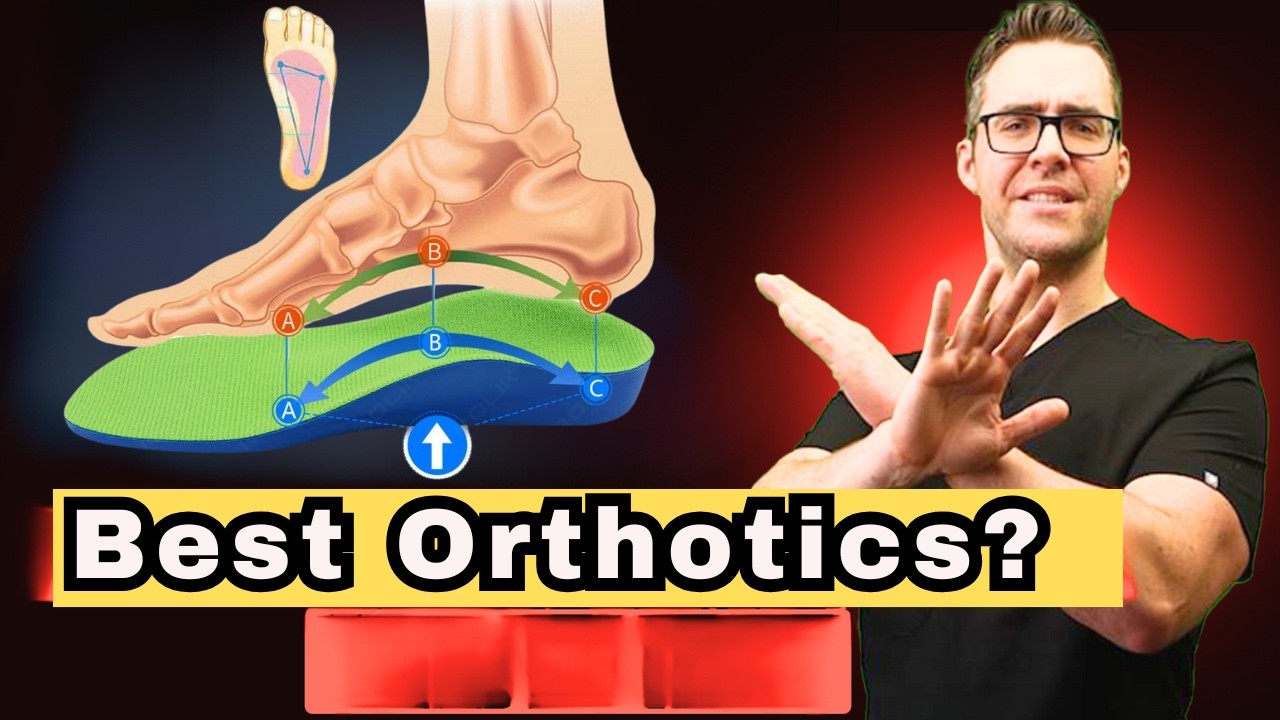
Watch: Best Insoles & Orthotics 2026 [Flat Feet, Plantar Fasciitis, Bunions] — MichiganFootDoctors YouTube
Quick Answer: Most children do not need orthotics — flat feet, in-toeing, and toe walking are normal developmental variations that resolve with growth. However, children with persistent foot pain, asymmetric development, difficulty keeping up with peers, frequent tripping, or shoes that wear unevenly should be evaluated by a podiatrist. When orthotics are indicated, they can dramatically improve comfort, function, and confidence during critical developmental years.
Medically Reviewed by: Dr. Tom Biernacki, DPM — Board-Certified Foot & Ankle Surgeon | Balance Foot & Ankle, Southeast Michigan
Clinical focus: Pediatric foot development, children’s orthotics, developmental gait disorders
In This Guide
Normal Foot Development in Children
Understanding normal foot development is essential for distinguishing between harmless developmental variations and conditions that require intervention. Babies are born with 22 partially formed bones in each foot — these bones remain largely cartilaginous (soft) and do not fully ossify (harden) until the mid-teenage years. This extended development period means that children’s feet are structurally flexible and change dramatically in shape and alignment as they grow.
The arch of the foot does not begin to develop until age 2 to 3, and a visible arch may not be apparent until age 5 to 7. Before this age, a fat pad fills the medial longitudinal arch, giving the appearance of flat feet in virtually all toddlers. This is completely normal. Gait patterns also mature gradually — most children achieve a heel-to-toe walking pattern by age 3, but variations including mild toe walking, in-toeing, and wide-based gait are common and typically self-correcting through ages 5 to 8. Parents who understand these timelines are less likely to pursue unnecessary treatment and more likely to recognize truly concerning patterns.
Flat Feet in Children: Normal vs Concerning
Flexible flat feet — in which the arch flattens during weight-bearing but is visible when the child stands on tiptoe or when the foot is non-weight-bearing — are present in approximately 20 to 30% of children and are overwhelmingly benign. Most flexible flat feet are painless, do not impair function, and do not require treatment. Studies following children with flexible flat feet into adulthood consistently show that the vast majority develop normally without intervention.
Flat feet become concerning when they are rigid (the arch does not appear in any position), painful, asymmetric (one foot significantly flatter than the other), associated with gait abnormalities, or accompanied by excessive shoe wear patterns. Rigid flat feet may indicate tarsal coalition — an abnormal bony or cartilaginous bridge between foot bones that restricts motion. Painful flat feet in a child who was previously comfortable may indicate accessory navicular syndrome, posterior tibial tendon dysfunction, or inflammatory conditions. These presentations warrant podiatric evaluation rather than watchful waiting.
In-Toeing and Out-Toeing
In-toeing (pigeon-toed walking) is one of the most common reasons parents bring children to our office. It typically originates from one of three levels: metatarsus adductus (forefoot turns inward), internal tibial torsion (shinbone twists inward), or femoral anteversion (thighbone angles forward). Each level has characteristic age presentations — metatarsus adductus is most visible in infancy, tibial torsion in toddlers, and femoral anteversion in children ages 3 to 8. Nearly all cases resolve spontaneously as the bones remodel with growth.
Out-toeing (duck-footed walking) is less common and more variable in its significance. Mild out-toeing in toddlers who recently started walking is normal. Persistent or progressive out-toeing, particularly when asymmetric or associated with a limp, may indicate external tibial torsion, slipped capital femoral epiphysis (in older children), or neuromuscular conditions. Orthotics can address foot-level contributions to in-toeing and out-toeing, but hip or tibial level rotational issues require observation or, rarely, orthopedic intervention rather than foot orthoses.
Toe Walking: When to Worry
Toe walking — walking on the balls of the feet without heel contact — is common in children under age 2 as they develop balance and gait patterns. Idiopathic toe walking that persists beyond age 2 but is intermittent (the child can walk heel-to-toe when asked), bilateral, and not associated with tightness or weakness is generally benign and resolves by age 5 to 6. However, persistent toe walking warrants evaluation because it can indicate Achilles tendon contracture, cerebral palsy, muscular dystrophy, autism spectrum disorder, or spinal cord abnormalities.
The physical examination distinguishes between benign and concerning toe walking. If the ankle can be passively dorsiflexed past neutral (90 degrees) with the knee extended, the Achilles tendon length is adequate and the toe walking is likely habitual. If dorsiflexion is limited, the Achilles tendon has shortened and treatment is needed — typically serial casting, physical therapy, or in refractory cases, surgical lengthening. Any child with asymmetric toe walking, progressive toe walking, or toe walking associated with developmental delays should be evaluated promptly.
Signs Your Child May Need Orthotics
While most developmental foot variations do not require orthotics, several signs should prompt parents to seek evaluation. Persistent foot or leg pain — particularly heel pain, arch pain, or knee pain that worsens with activity — may indicate conditions that respond to orthotic support. A child who avoids physical activity, asks to be carried more than peers, or complains of tired legs after short distances may be experiencing foot-related fatigue that orthotics can address.
Shoe wear patterns provide objective evidence of abnormal biomechanics. Excessive medial (inner) sole wear indicates overpronation. Lateral (outer) sole wear suggests supination. Asymmetric wear between left and right shoes indicates a leg length discrepancy or unilateral biomechanical issue. Frequent tripping, clumsiness beyond what is age-appropriate, and difficulty with balance or coordination in sports may all have foot biomechanics as a contributing factor. When parents describe these patterns at our office, we perform a comprehensive biomechanical assessment to determine whether orthotic intervention would benefit the child.
Conditions That Benefit From Pediatric Orthotics
Several specific pediatric conditions respond well to orthotic intervention. Calcaneal apophysitis (Sever’s disease) — heel pain caused by inflammation of the growth plate at the calcaneal insertion of the Achilles tendon — is the most common cause of heel pain in children ages 8 to 14. Orthotics with a cushioned heel cup and slight heel lift reduce traction stress on the growth plate and typically resolve symptoms within 4 to 6 weeks. Iselin disease — a similar apophysitis at the fifth metatarsal base — responds to orthotics with lateral forefoot support.
Hyperpronation (excessive inward rolling) with symptoms — foot pain, shin pain, knee pain, or rapid shoe breakdown — is the most common biomechanical indication for pediatric orthotics. Accessory navicular syndrome produces medial arch pain from a prominent extra bone that irritates the posterior tibial tendon insertion. Juvenile bunions may benefit from orthotics that reduce first MTP joint loading and slow deformity progression. Pes cavus (high-arched feet) with lateral foot pain or recurrent ankle sprains benefits from orthotics that improve shock absorption and lateral stability. In all cases, the orthotic prescription is tailored to the specific diagnosis and the child’s developmental stage.
Types of Children’s Orthotics
Pediatric orthotics range from simple over-the-counter insoles to custom-molded devices, with the appropriate choice depending on the severity of the condition, the child’s age and activity level, and the treating podiatrist’s assessment. Prefabricated arch supports provide mild to moderate support and are suitable for children with symptomatic flexible flat feet and mild overpronation. Semi-custom orthotics are heat-molded to the child’s foot in the office, offering a middle ground between prefabricated and fully custom devices.
Custom-molded orthotics are fabricated from a plaster cast or 3D scan of the child’s foot in its corrected position. They provide the most precise control and are indicated for significant biomechanical abnormalities, rigid deformities, or conditions that have not responded to over-the-counter options. For young children, custom orthotics are typically made from flexible materials (polypropylene or EVA) that accommodate growth and activity. Older adolescents with more ossified feet may benefit from semi-rigid devices similar to adult orthotics. The orthotic prescription should always specify the child’s diagnosis, correction goals, and any accommodations for growth.
Over-the-Counter vs Custom Orthotics for Children
Custom orthotics become necessary when OTC options fail to adequately control symptoms after 4 to 6 weeks of consistent use, when the biomechanical abnormality is too severe for prefabricated correction, when rigid deformity is present, or when the child has a complex condition requiring specialized accommodation. The cost of custom pediatric orthotics is higher, and they require replacement every 12 to 18 months as the child grows, but for appropriate indications, the investment in proper biomechanical development during critical growth years can prevent more significant problems in adulthood.
Fitting and Wearing Pediatric Orthotics
Successful orthotic use in children requires proper fitting, gradual introduction, and age-appropriate expectations. Orthotics should fit within shoes with at least a thumbnail’s width of space beyond the longest toe. The child should break in new orthotics gradually — 2 to 3 hours on the first day, increasing by 1 to 2 hours daily until full-day wear is achieved within 5 to 7 days. Some initial arch awareness or mild discomfort is normal, but pain during the break-in period suggests improper fit requiring adjustment.
For young children who resist wearing orthotics, involving them in the process — letting them choose shoe colors, explaining that the insoles will help them run faster or play longer — improves compliance. Orthotics should be worn in all shoes when possible, which may require purchasing shoes with removable insoles across athletic, school, and casual footwear. Parents should check orthotics monthly for wear patterns and compression, and the treating podiatrist should reassess fit and function every 4 to 6 months during periods of rapid growth.
Choosing the Right Shoes for Children
Proper footwear is the foundation of pediatric foot health, and in many cases, simply improving shoe selection resolves symptoms without orthotics. Children’s shoes should have a firm heel counter that cups the rearfoot, a sole that bends at the ball of the foot (not in the middle of the arch), adequate toe box depth and width, and a secure closure system. Shoes should be replaced when the midsole shows visible compression, when the heel counter leans to one side, or when the child’s toes are within half a thumbnail’s width of the end.
Common footwear mistakes that parents make include buying shoes that are too large (expecting the child to grow into them, which compromises stability), allowing prolonged use of flat, unsupportive shoes like fashion sneakers and flip-flops, and choosing shoes based on appearance rather than construction. For children with biomechanical concerns, we recommend brands known for supportive construction and provide specific shoe recommendations at each visit based on the child’s current foot development and orthotic needs.
Orthotics for Active and Athletic Children
Active children and young athletes may particularly benefit from orthotic support because sports amplify the forces through developing feet. Running, jumping, and pivoting activities generate ground reaction forces of 2 to 5 times body weight, and developing musculoskeletal structures are more vulnerable to overuse injury than mature adult tissues. Sever’s disease, Osgood-Schlatter disease, shin splints, and stress fractures are all growth-related conditions that can be exacerbated by poor foot biomechanics and improved with orthotic support.
Growing Feet: When to Replace Orthotics
Children’s feet grow rapidly — up to two shoe sizes per year in toddlers, and one size per year through early adolescence. This growth rate means that custom orthotics typically need replacement every 12 to 18 months, and over-the-counter orthotics should be resized with each new shoe purchase. Signs that orthotics have been outgrown include the orthotic extending beyond the shoe, the heel cup sitting too far forward, arch support that no longer aligns with the child’s arch, and the return of previously controlled symptoms.
The reassessment at each orthotic replacement is also an opportunity to evaluate whether orthotics are still needed. As children grow, many conditions that required orthotic support in early childhood resolve naturally. A child who needed orthotics for symptomatic flat feet at age 8 may develop an adequate arch by age 12 that no longer requires external support. Conversely, some conditions become more apparent as growth progresses, and the orthotic prescription may need modification. Ongoing podiatric monitoring ensures that the child receives exactly the support they need at each developmental stage — neither over-treating normal development nor under-treating genuine pathology.
When to See a Podiatrist for Your Child
While most parents need reassurance that their child’s feet are developing normally, certain presentations warrant prompt podiatric evaluation. Any foot pain in a child that persists beyond a few days, limits activity, or causes a limp should be evaluated — children’s feet should not hurt, and pain is always a signal that something needs attention. Asymmetric development (one foot significantly different from the other), rigid deformities, progressive deformities that worsen over months, and any foot condition associated with developmental delays warrant evaluation.
We also recommend evaluation for children with a family history of significant foot problems (bunions, flat feet requiring surgery, Charcot-Marie-Tooth disease), children with systemic conditions that affect the musculoskeletal system (cerebral palsy, Down syndrome, Ehlers-Danlos syndrome, juvenile arthritis), and children whose foot or gait concerns are causing social or emotional distress. At our office, pediatric evaluations are designed to be child-friendly — we explain findings to both the parent and child in age-appropriate language and only recommend treatment when it is genuinely indicated.
What to Expect at the First Podiatric Visit
A comprehensive pediatric foot evaluation includes observation of the child walking and running (preferably in a hallway or long exam room), assessment of joint range of motion, muscle strength testing, neurological screening, examination of shoe wear patterns (parents should bring the child’s most-worn shoes), and standing postural assessment. For concerns about flat feet, we perform the Jack test (observing arch restoration when the big toe is dorsiflexed) and the tiptoe test (observing heel inversion when standing on tiptoe) to distinguish flexible from rigid flat foot.
Imaging is obtained only when clinically indicated — not as a routine screening test. X-rays may be needed for suspected fractures, tarsal coalition, or progressive deformity. The evaluation concludes with a clear explanation of findings, a determination of whether the child’s development is within normal limits, and if treatment is needed, a specific plan including footwear recommendations, orthotic prescription if indicated, exercises if appropriate, and follow-up timeline. Many parents leave our office reassured that their child’s foot development is normal — and that reassurance is a valuable outcome in itself.
Recommended Products for Children’s Foot Support
These are the products we recommend at Balance Foot & Ankle for children and adolescents with foot concerns:
DASS Performance Compression Socks — For adolescent athletes, graduated compression supports ankle stability and reduces post-activity swelling. Particularly helpful for young athletes managing shin splints, Sever’s disease, or ankle instability who benefit from the proprioceptive feedback compression provides.
Most Common Mistake We See
🔑 Key Takeaway: A 10-year-old boy from Troy was brought to our office after 4 months of progressive heel pain that had forced him to quit his soccer travel team. His parents had tried three different pairs of “supportive” shoes from a sporting goods store, generic gel insoles, icing, and rest — but the pain kept returning each time he resumed activity. Examination revealed classic Sever’s disease with point tenderness at the calcaneal apophysis and tight Achilles tendons bilaterally. Within 3 weeks of starting a structured program — PowerStep insoles with heel lifts, twice-daily calf stretches, and activity modification rather than complete rest — his pain was reduced by 80%. He returned to full soccer participation within 6 weeks. The 4 months of missed soccer and frustration could have been avoided with an accurate diagnosis and targeted treatment from the start. Heel pain in active children is almost always Sever’s disease, and it responds predictably to the right treatment.
Warning Signs That Require Prompt Evaluation
⚠️ Call (810) 310-1911 or visit our office if your child experiences any of these warning signs:
- Foot pain that persists more than a few days — Children’s feet should not hurt. Persistent pain always warrants evaluation to identify and treat the cause
- Limping or refusing to walk or run — A child who avoids weight-bearing may have a fracture, infection, or inflammatory condition requiring prompt diagnosis
- One foot that looks significantly different from the other — Asymmetric foot shape, size, or alignment suggests a unilateral condition that needs evaluation
- A foot deformity that appears to be worsening — Progressive deformity during growth years may require intervention to prevent permanent structural changes
- Heel pain in an active child ages 8 to 14 — Almost always Sever’s disease, which responds well to treatment but can become debilitating without it
- Frequent tripping or falling beyond what is age-appropriate — May indicate biomechanical issues, neurological concerns, or structural problems that can be addressed
- Rigid flat feet that do not form an arch on tiptoe — May indicate tarsal coalition or other structural abnormality requiring imaging and specialized treatment
- Toe walking that persists beyond age 2 or worsens — Requires evaluation to rule out Achilles contracture, neurological conditions, and developmental disorders
When to see a podiatrist:
- Your child complains of foot or leg pain during or after physical activity
- Flat feet persist past age 7 with no arch visible when standing on tiptoes
- Noticeable limping, toe walking, or refusal to participate in sports
- Uneven shoe wear patterns or shoes breaking down quickly on one side
- One foot appears significantly different in shape or size from the other
More Podiatrist-Recommended Orthotics Essentials
Top-Rated Arch Support Insole
Deep heel cup + arch contouring — the podiatrist’s baseline recommendation.
Semi-Rigid Orthotic

Stiff shell for patients who need more aggressive biomechanical support.
Pressure-Relieving Insole
Additional cushioning layer for all-day comfort on top of support.
As an Amazon Associate, Balance Foot & Ankle earns from qualifying purchases. Product recommendations are based on clinical experience; prices and availability shown above update live from Amazon.
When to See a Podiatrist
Off-the-shelf inserts help 70% of patients — but if you’ve tried several without relief, custom orthotics molded to your specific foot mechanics are usually the next step. Balance Foot & Ankle makes custom orthotics in-office and most major insurance plans cover them. We’ll cast or scan your feet and have them ready in about 2 weeks.
Call Balance Foot & Ankle: (810) 206-1402 · Book online · Offices in Howell & Bloomfield Township
Frequently Asked Questions
At what age should I be concerned about flat feet?
Most children’s arches develop by age 5 to 7. Before that age, flat feet are almost always a normal developmental stage. After age 7, painless flexible flat feet are still generally benign and do not require treatment. Flat feet that are rigid, painful, or asymmetric warrant evaluation at any age.
Will my child outgrow flat feet?
Most children with flexible flat feet develop a normal arch by age 7 to 10. Studies show that about 80-90% of children with flat feet at age 3 have developed an arch by age 10. Flat feet that persist into adolescence are unlikely to change significantly but may remain asymptomatic throughout life.
How often do children’s orthotics need to be replaced?
Custom orthotics typically need replacement every 12 to 18 months due to foot growth. Over-the-counter insoles should be resized with each new shoe purchase. The podiatrist should reassess fit and continued need at each replacement to ensure the child receives appropriate support for their current developmental stage.
Can orthotics correct my child’s foot alignment permanently?
Orthotics do not permanently change bone structure, but they can guide developing feet during growth by controlling abnormal forces and supporting proper alignment. Children whose orthotics are prescribed during critical growth periods may develop better alignment than they would have without intervention. However, some conditions require ongoing orthotic support into adulthood.
Is it bad for children to go barefoot?
Barefoot walking on safe surfaces is actually beneficial for foot development in young children. It strengthens intrinsic foot muscles, develops proprioception, and allows natural arch formation. We recommend a balance of barefoot time on safe surfaces (indoors, grass) and proper supportive footwear for extended walking, sports, and rough surfaces.
In-Office Treatment at Balance Foot & Ankle
If home care isn’t resolving your your foot or ankle concern, a visit with a board-certified podiatrist is the fastest path to accurate diagnosis and a personalized plan. At Balance Foot & Ankle Specialists, Dr. Tom Biernacki, Dr. Carl Jay, and Dr. Daria Gutkin offer same-day and next-day appointments at both our Howell and Bloomfield Township offices. We perform on-site diagnostic ultrasound, digital X-ray, conservative care, advanced regenerative treatments, and minimally invasive surgery when indicated.
Call (810) 206-1402 or request an appointment online. Most insurance plans accepted, including Medicare, Blue Cross Blue Shield, Aetna, Cigna, and United Healthcare.
Sources
- Pfeiffer M, et al. Prevalence of flat foot in preschool-aged children. Pediatrics. 2006;118(2):634-639.
- Evans AM, Rome K. A Cochrane review of the evidence for non-surgical interventions for flexible pediatric flat feet. European Journal of Physical and Rehabilitation Medicine. 2011;47(1):69-89.
- James AM, et al. Foot orthoses for paediatric flexible pes planus. Cochrane Database of Systematic Reviews. 2013;5:CD006311.
- Scharfbillig RW, et al. Sever’s disease: what does the literature really tell us? Journal of the American Podiatric Medical Association. 2008;98(3):212-223.
- Staheli LT. Practice of pediatric orthopedics. Lippincott Williams & Wilkins. 2006;Chapter 4:Foot.
Watch: Understanding Foot Pain
Dr. Biernacki explains common causes of foot pain and when to seek professional treatment.
Get Your Child’s Feet Evaluated
Whether you are concerned about flat feet, heel pain, toe walking, or frequent tripping, Balance Foot & Ankle provides thorough pediatric foot evaluations in a child-friendly environment. Dr. Biernacki will help you understand what is normal development and what requires treatment — and if orthotics are needed, we will ensure the right type and fit for your child’s specific needs.
📞 Call (810) 310-1911 to schedule your child’s evaluation.
→ Book Your Appointment Online
Related Treatment Pages
- Custom Orthotics
- Flat Foot Treatment
- Heel Pain Treatment
- Pediatric Foot Care
- Sports Injury Treatment
Last updated: April 2026 | Balance Foot & Ankle Specialists — Serving Southeast Michigan including Troy, Shelby Township, Macomb Township, Rochester Hills, Sterling Heights, and surrounding communities
The Bottom Line
Most children’s foot concerns resolve naturally as they grow. However, persistent flat feet past age 7, pain during activity, and abnormal gait patterns warrant professional evaluation. At Balance Foot & Ankle, we take a conservative approach to pediatric orthotics, recommending them only when clinical examination confirms a biomechanical issue that will not self-correct. Early intervention with the right orthotic can prevent compensatory problems in the knees, hips, and back as your child grows.
Ready to Get Relief?
Same-day appointments available at Balance Foot & Ankle in Howell & Bloomfield Township, MI
4.9★ | 1,123 Reviews | 3,000+ Surgeries
Or call: (810) 206-1402
Dr. Tom’s Recommended Products: See our clinically tested product recommendations for this condition. View Dr. Tom’s recommended products →
📋 Dr. Tom Also Recommends
Podiatrist Recommended Orthotics 2026: Dr. Tom’s Top 10 Insoles & Arch Supports
A podiatrist’s complete clinical guide to the best insoles — custom orthotics, OTC picks, and what actually works for plantar fasciitis, flat feet, neuropathy & more.
Read the Full Guide →When to See a Podiatrist for Your Child’s Feet
If your child complains of foot pain, walks with an unusual gait, has flat feet that persist past age 6, or avoids physical activities due to foot discomfort, a pediatric foot evaluation can identify problems early. Custom orthotics and early intervention can prevent long-term issues. At Balance Foot & Ankle, we evaluate children’s foot development at our Howell and Bloomfield Township offices.
→ Book your child’s appointment
→ Call (810) 206-1402
Clinical References
- Pfeiffer M, Kotz R, Ledl T, et al. Prevalence of flat foot in preschool-aged children. Pediatrics. 2006;118(2):634-639. doi:10.1542/peds.2005-2126
- Evans AM, Rome K. A Cochrane review of the evidence for non-surgical interventions for flexible pediatric flat feet. Eur J Phys Rehabil Med. 2011;47(1):69-89.
- Whitford D, Esterman A. A randomized controlled trial of two types of in-shoe orthoses in children with flexible excess pronation of the feet. Foot Ankle Int. 2007;28(6):715-723. doi:10.3113/FAI.2007.0715
Insurance Accepted
BCBS · Medicare · Aetna · Cigna · United Healthcare · HAP · Priority Health · Humana · View All →
Howell Office
4330 E Grand River Ave
Howell, MI 48843
Get Directions →
Bloomfield Township Office
43494 Woodward Ave, Suite 208
Bloomfield Township, MI 48302
Get Directions →
Your Board-Certified Podiatrists



Ready to Get Back on Your Feet?
Same-week appointments available at both locations.
Book Your Appointment👟 Dr. Tom’s Complete Footwear Library
Podiatrist-Approved Guides for Every Foot Type & Condition
Clinically reviewed by Dr. Tom Biernacki, DPM — Board-Certified Podiatrist
All guides are written and reviewed by licensed podiatrists. Schedule an appointment →
In Our Clinic
The patients we see for custom orthotic consultations usually fall into two groups. First are athletes — runners, hikers, basketball players — looking to correct a biomechanical asymmetry they’ve identified themselves or their coach has flagged. Second are middle-aged patients with chronic plantar fasciitis, metatarsalgia, or early arthritis who have exhausted over-the-counter inserts. Our process begins with a 3D foot scan plus a gait-video analysis on our in-office treadmill. We select materials based on activity — a stiffer carbon composite for performance running, a softer plastazote top cover for diabetic patients, a semi-rigid polypropylene for everyday wear. Most patients adapt in 2–4 weeks.
Most Common Mistake We See
The most common mistake we see is: Wearing new orthotics all day from day one. Fix: break-in schedule of 2 hours on day one, adding 2 hours per day until full-day tolerance.
Warning Signs That Need Same-Day Care
Seek immediate evaluation at Balance Foot & Ankle if you experience any of the following:
- New sharp pain under the arch that did not exist before
- Skin breakdown over pressure points
- Diabetic patient with any new pressure spot
- Worsening of original symptoms after 4 weeks
Call (810) 206-1402 — same-day and next-day appointments at our Howell and Bloomfield Township offices.
Frequently Asked Questions
When should I see a podiatrist?
If symptoms persist past 2 weeks, affect your normal activity, or are accompanied by red-flag symptoms (warmth, redness, swelling, inability to bear weight).
What does treatment cost?
Most diagnostic visits and conservative treatments are covered by Medicare and major insurers. Out-of-pocket costs vary by your specific plan.
APMA: Signs Your Child May Need Orthotics
How quickly can I get an appointment?
Most non-urgent cases see us within 5 business days. Urgent cases (sudden pain, possible fracture) typically same or next business day.
Get Expert Care at Balance Foot & Ankle
Same-week appointments at our Howell and Bloomfield Township offices. Board-certified podiatric surgeons. Most insurance accepted.

Dr. Tom Biernacki, DPM is a double board-certified podiatrist and foot & ankle surgeon at Balance Foot & Ankle Specialists in Southeast Michigan. With over a decade of clinical experience, he specializes in heel pain, bunions, diabetic foot care, sports injuries, and minimally invasive surgery. Dr. Biernacki is a member of the APMA and ACFAS, and his patient education content on MichiganFootDoctors.com and YouTube has reached over one million views.
Recommended Products from Dr. Tom
Dr. Tom Biernacki, DPM is a board-certified foot & ankle surgeon (ABFAS & ABPM) at Balance Foot & Ankle Specialists in Southeast Michigan. With over a decade of clinical experience, he specializes in heel pain, bunions, diabetic foot care, sports injuries, and minimally invasive surgery. Dr. Biernacki is a member of the APMA and ACFAS, and his patient education content on MichiganFootDoctors.com and YouTube has made him one of the most-followed foot & ankle educators on YouTube.