
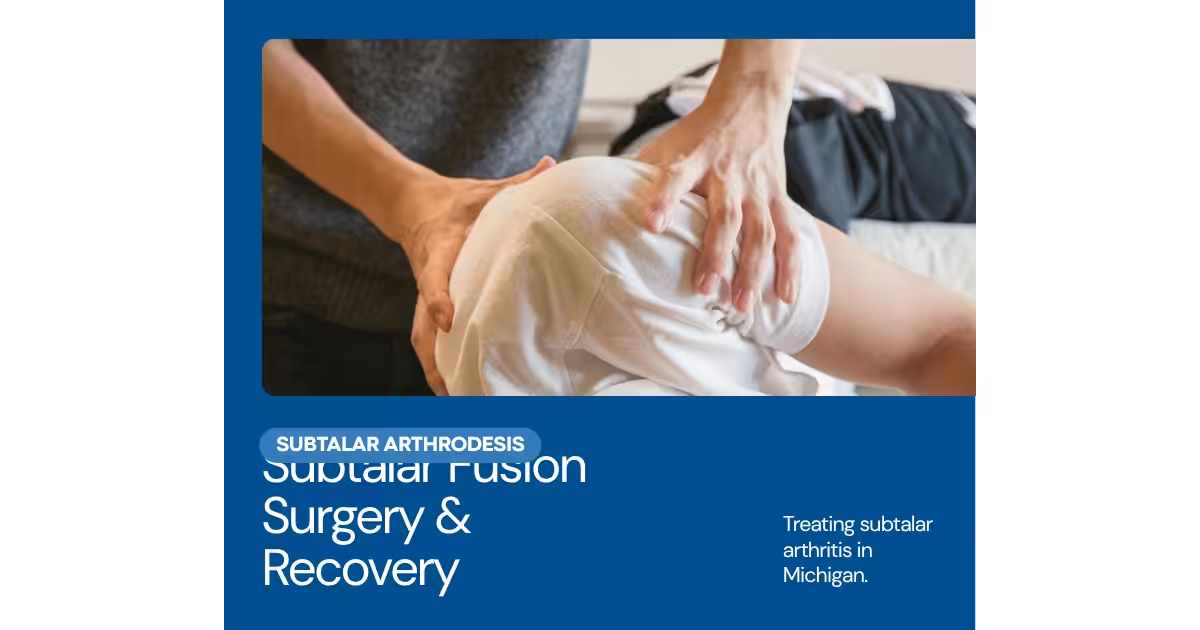

Midfoot arthritis fusion (tarsometatarsal arthrodesis) is the gold standard for chronic midfoot arthritis pain that has not responded to conservative treatment. Recovery is meaningful but pain relief is dramatic.
You’re in the right place. Dr. Tom Biernacki, DPM, FACFAS — board-certified foot & ankle surgeon with 3,000+ surgeries — explains exactly what midfoot arthritis fusion means and what works. Call (810) 206-1402 for same-day appointment at Howell or Bloomfield Hills.
Quick answer: Midfoot Arthritis Fusion Tarsometatarsal Arthrodesis Guide is a common foot/ankle topic that affects many patients. Effective treatment starts with a targeted diagnosis, conservative-first treatment, and escalation only when needed. We treat this regularly at our Howell and Bloomfield Hills practices. Call (810) 206-1402.
Medically reviewed by Dr. Tom Biernacki, DPM · Board-Certified Podiatric Surgeon · Last reviewed: April 2026 · Editorial Policy
The most important clinical decision with Midfoot Arthritis Fusion Tarsometatarsal Arthrodesis Guide isn’t which treatment to start with — it’s identifying the correct subtype. That changes everything. Call (810) 206-1402.
Quick Answer
Midfoot Arthritis and Tarsometatarsal Fusion: Indications an relates to foot pain — typically caused by overuse, footwear, or biomechanics. Most patients improve in 6-12 weeks with conservative care. Same-week appointments in Howell + Bloomfield Hills: (810) 206-1402.
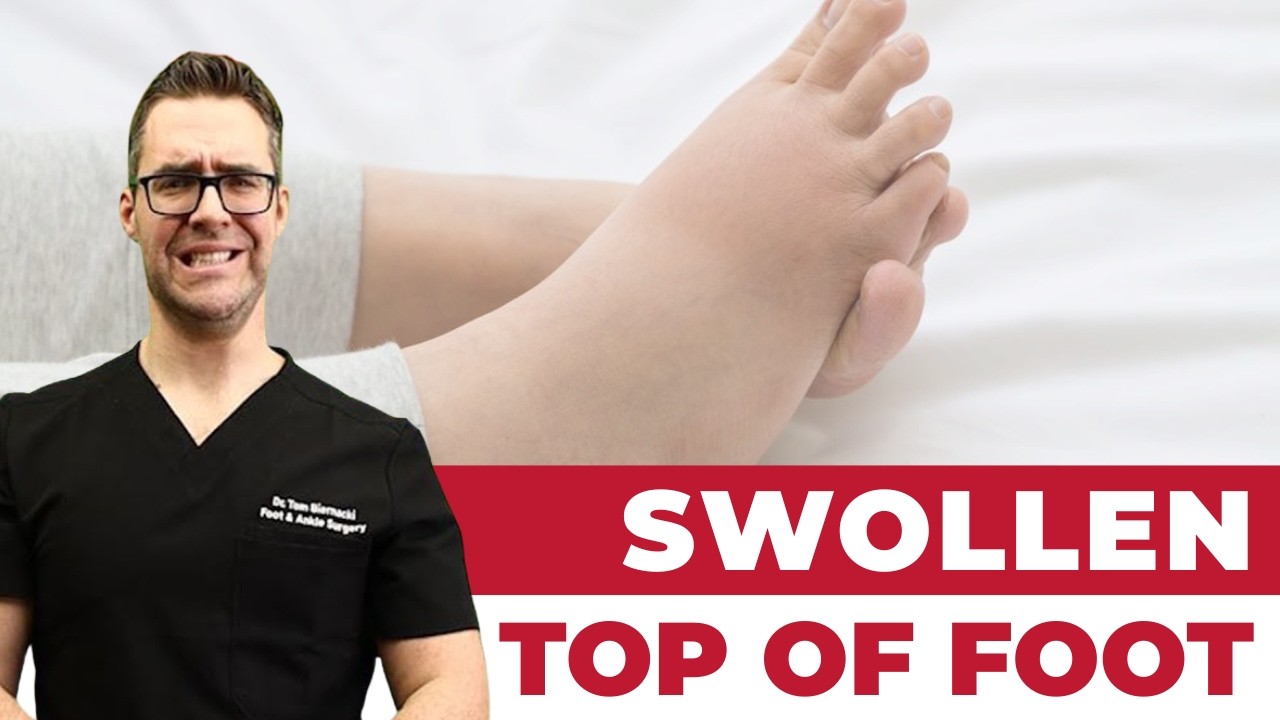
Medically reviewed by Dr. Tom Biernacki, DPM — Board-Certified Podiatric Surgeon — Balance Foot & Ankle, Howell & Bloomfield Hills, MI. Last updated April 2026.
▶ Watch
Medically Reviewed by Dr. Tom Biernacki, DPM — Board-Certified Podiatrist, Balance Foot & Ankle Specialists, Michigan. Last updated April 2026.
Midfoot arthritis — degenerative joint disease of the tarsometatarsal (TMT), naviculocuneiform, and calcaneocuboid joints — is a common and often underrecognized source of debilitating midfoot pain. The condition may develop as a primary idiopathic process or as a consequence of previous Lisfranc injury, inflammatory arthropathy, or progressive flatfoot deformity. When conservative measures fail, TMT arthrodesis provides durable pain relief and functional restoration.
Etiology and Progression
Post-traumatic midfoot arthritis following Lisfranc injury is the most common cause in middle-aged active patients, with cartilage damage occurring at the time of injury and progressing to symptomatic arthritis over 2–10 years. Primary (idiopathic) midfoot arthritis develops in older patients without clear traumatic history and is more prevalent in patients with flatfoot deformity, where elevated medial column loading accelerates cartilage wear at the first and second TMT joints. Inflammatory arthritis (rheumatoid, psoriatic) and crystal arthropathy (gout) produce synovitis and secondary cartilage destruction at any TMT joint.
Clinical Presentation and Diagnosis
Patients describe dorsal midfoot pain and swelling localized to the TMT joints, aggravated by walking, standing, and stairs. The characteristic “piano key” test — independent dorsal-plantar pressure on each metatarsal head with the forefoot stabilized — reproduces pain at the symptomatic TMT joint. Weight-bearing foot radiographs demonstrate joint space narrowing, subchondral sclerosis, periarticular osteophyte formation, and sagittal plane collapse. CT scan provides superior assessment of joint involvement pattern — critical for planning the extent of fusion.
Conservative Management
Conservative care includes custom orthotics with carbon fiber plate or stiff rocker-bottom modification to reduce TMT joint motion during gait, rigid post-operative shoe modification for severe cases, activity modification, and NSAID therapy. Corticosteroid injection under fluoroscopic or ultrasound guidance provides diagnostic confirmation (pain relief confirms the joint as the pain generator) and 3–6 months of therapeutic benefit in many patients.
Tarsometatarsal Arthrodesis
Selective or complete TMT arthrodesis is the definitive surgical treatment for symptomatic midfoot arthritis failing 6–12 months of conservative care. The procedure fuses the affected TMT joints in anatomically corrected position using screws, dorsal plates, or staples after careful joint preparation. Selective fusion (first and/or second TMT) is appropriate when only central column joints are involved; complete TMT arthrodesis addresses global midfoot arthritis. Patient-reported outcomes are excellent for midfoot fusion, with 85–90% satisfaction at 5-year follow-up and sustained improvements in pain, walking distance, and footwear tolerance.
Midfoot Arthritis Care at Balance Foot & Ankle
Dr. Biernacki at Balance Foot & Ankle evaluates midfoot arthritis with weight-bearing radiographs and diagnostic injection to confirm the pain generator at the first visit. Custom orthotic management and surgical planning for TMT arthrodesis are both available within the practice. Call (810) 206-1402 for a same-week evaluation of midfoot pain.
Midfoot Arthritis Evaluation — Balance Foot & Ankle
Serving Southeast Michigan from our Bloomfield Hills and Howell offices.
📞 (810) 206-1402 |
📧 Get Dr. Tom’s Free Lab Test Guide
Discover the 5 lab tests every person over 35 should ask their doctor about — explained in plain English by a board-certified physician.
📍 Located in Michigan?
Our board-certified podiatrists treat this condition at two convenient locations. Same-day appointments often available.
Insurance Accepted
BCBS · Medicare · Aetna · Cigna · United Healthcare · HAP · Priority Health · Humana · View All →
Howell Office
4330 E Grand River Ave
Howell, MI 48843
Get Directions →
Bloomfield Hills Office
43494 Woodward Ave, #208
Bloomfield Hills, MI 48302
Get Directions →
Your Board-Certified Podiatrists



Ready to Get Back on Your Feet?
Same-week appointments available at both locations.
Book Your AppointmentMore Podiatrist-Recommended Arthritis Essentials
Cushioned Running Shoe

![Metatarsalgia Treatment [BEST Ball of Foot Pain RELIEF 2024]](https://www.michiganfootdoctors.com/wp-content/cache/flying-press/d7857672675f2bf191a8e896b2f7208b.jpg)
Watch: Metatarsalgia Treatment [BEST Ball of Foot Pain RELIEF 2024] — MichiganFootDoctors YouTube
Hoka Clifton 10 — max cushioning reduces joint impact for arthritic feet.
Wide Walking Shoe
New Balance 990v6 — wide toe box accommodates arthritic first-MTP (hallux rigidus).

As an Amazon Associate, Balance Foot & Ankle earns from qualifying purchases. Product recommendations are based on clinical experience; prices and availability shown above update live from Amazon.
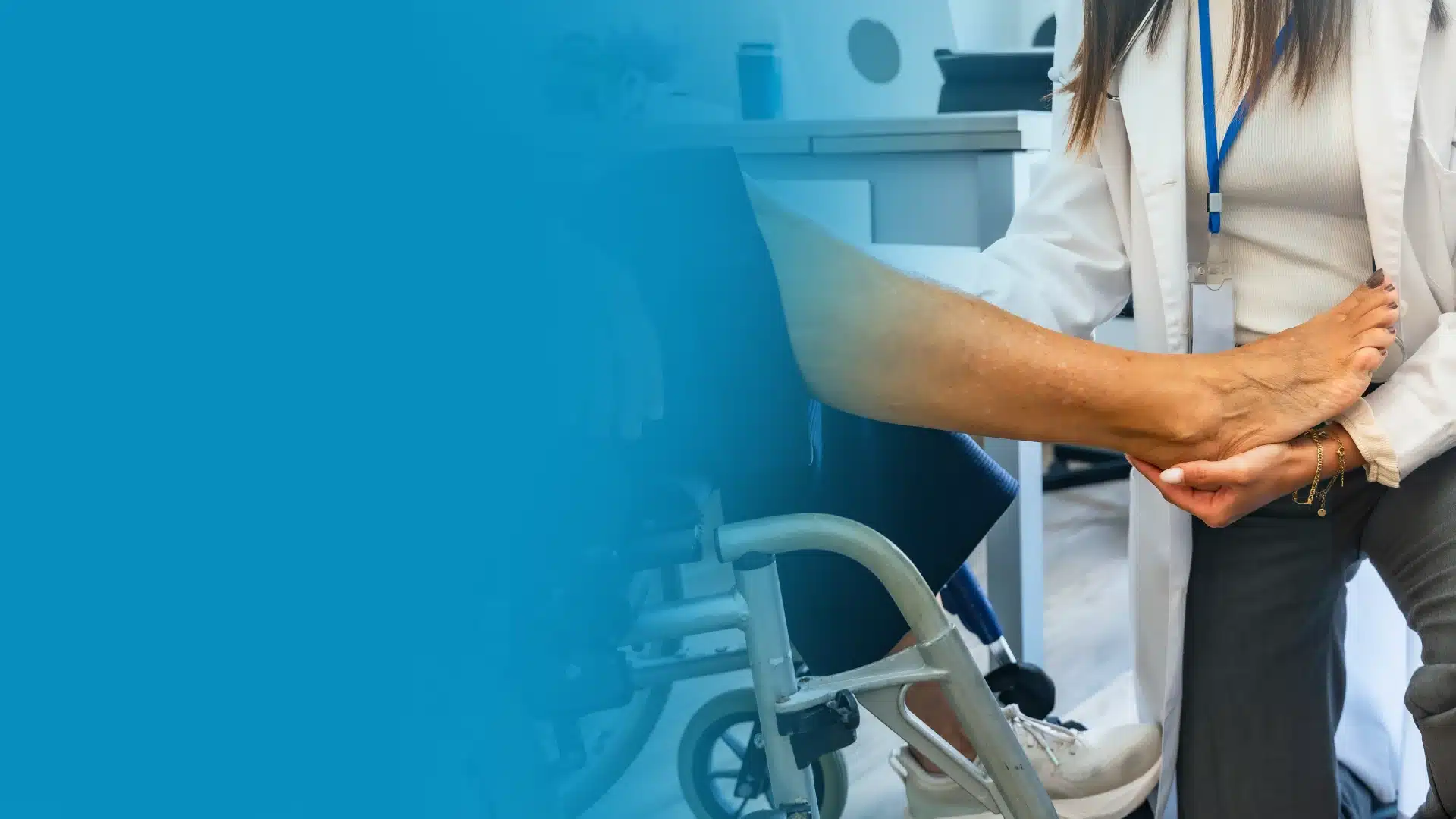
When to See a Podiatrist
Foot and ankle arthritis progresses silently — cartilage doesn’t regrow, but joint fusion, cheilectomy, and biologic injections can restore function at every stage. Balance Foot & Ankle offers the full arthritis spectrum: bracing, injections, and reconstructive surgery. Start with a consult so we can image the joint and give you a realistic 5-year outlook.
Call Balance Foot & Ankle: (810) 206-1402 · Book online · Offices in Howell & Bloomfield Hills
Watch: Dr. Tom explains
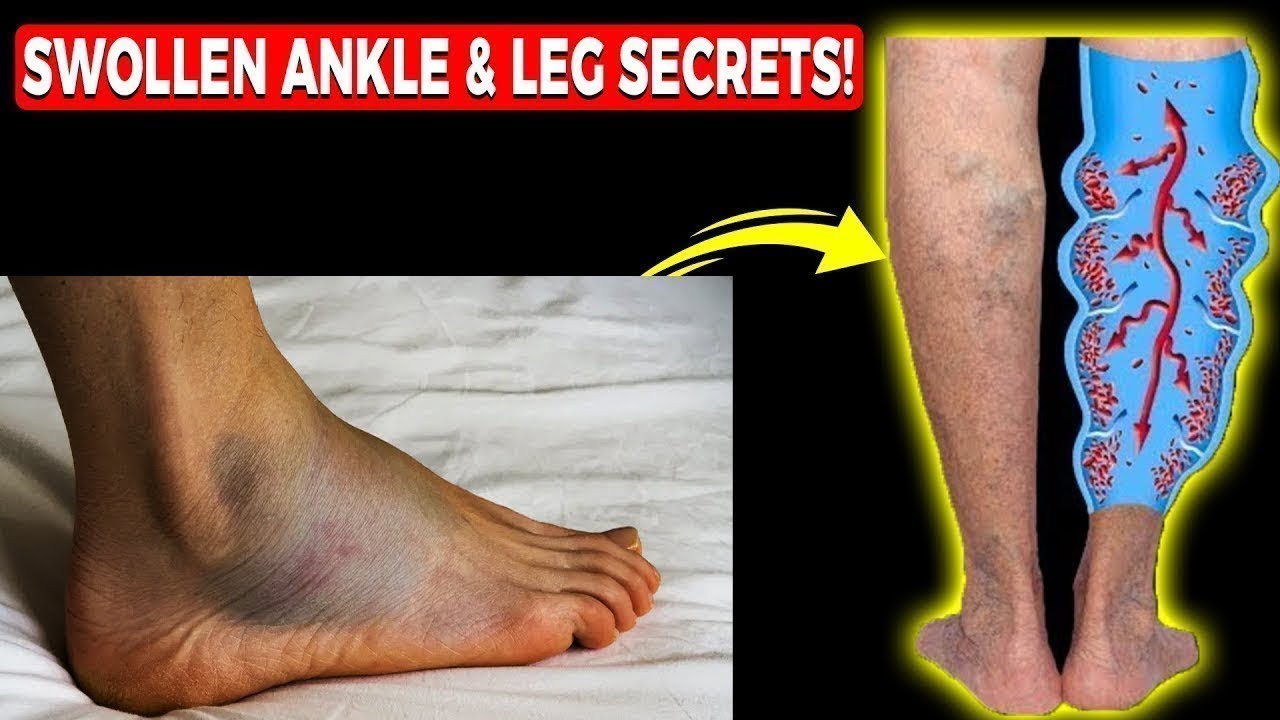
Podiatrist-recommended products
As an Amazon Associate, Dr. Tom earns from qualifying purchases.
Post-surgical immobilization after TMT fusion.
View on Amazon →Pre-surgical conservative arch support for midfoot arthritis.
View on Amazon →Midfoot rigid-sole support for arthritis.
View on Amazon →Midfoot swelling relief post-op.
View on Amazon →Related resources
Ready to solve this? Book today.
Same-week appointments · Howell & Bloomfield Hills · 4.9★ (1,123+ reviews)
☎ (810) 206-1402Book Online →Pros & Cons of Conservative Care for foot care
Advantages
- ✓ Conservative care first
- ✓ Same-week appointments
- ✓ Multiple insurance accepted
Considerations
- ✗ Self-treatment can mask issues
- ✗ See a podiatrist if pain >2 weeks
Dr. Tom’s Recommended Products for foot care
Affiliate disclosure: As an Amazon Associate, Balance Foot & Ankle earns from qualifying purchases. We only recommend products we use with patients.
Footnanny Heel Cream Dr. Tom’s Pick
Best for: Daily moisturizer for cracked heels
Ready to Get Back on Your Feet?
Same-day appointments in Howell + Bloomfield Hills. Most insurance accepted. Dr. Tom Biernacki, DPM & team.
Book Today — Same-Day Appointments Available
Call Now: (810) 206-1402
About Your Care Team at Balance Foot & Ankle
Dr. Tom Biernacki, DPM · Board-Certified Foot & Ankle Surgeon. Specializes in conservative-first care, minimally invasive bunion surgery, and complex reconstruction.
Dr. Carl Jay, DPM · Accepting new patients. Specializes in sports medicine, athletic injuries, and routine podiatric care.
Dr. Daria Gutkin, DPM, AACFAS · Accepting new patients. Specializes in surgical reconstruction and pediatric podiatry.
Locations: 4330 E Grand River Ave, Howell, MI 48843 · 43494 Woodward Ave Suite 208, Bloomfield Hills, MI 48302
Hours: Mon–Fri 8:00 AM – 5:00 PM · (810) 206-1402
Frequently Asked Questions
When should I see a podiatrist?
If symptoms persist past 2 weeks, affect your normal activity, or are accompanied by red-flag symptoms (warmth, redness, swelling, inability to bear weight).
What does treatment cost?
Most diagnostic visits and conservative treatments are covered by Medicare and major insurers. Out-of-pocket costs vary by your specific plan.
How quickly can I get an appointment?
Most non-urgent cases see us within 5 business days. Urgent cases (sudden pain, possible fracture) typically same or next business day.
What is Metatarsalgia?
Metatarsalgia is a common foot/ankle condition that affects mobility and quality of life. Understanding the underlying cause is the first step in successful treatment. Our podiatrists at Balance Foot & Ankle perform a hands-on biomechanical exam, review your activity history, and use diagnostic imaging when appropriate to identify the root cause—not just treat the symptom. Many patients have been told to “rest and ice” without a deeper diagnostic workup; our approach is different.
Symptoms and warning signs
Common signs of metatarsalgia include pain that worsens with activity, morning stiffness, swelling, tenderness when palpated, and difficulty bearing weight. If you experience sudden severe pain, inability to walk, visible deformity, numbness or color change, contact our office the same day or visit urgent care—these can signal a more serious injury such as a fracture, tendon rupture, or vascular compromise. Diabetics with any foot wound should seek same-day care.
Conservative treatment options
Most cases of metatarsalgia respond to non-surgical care: structured rest, supportive footwear changes, custom orthotics, targeted stretching and strengthening protocols, anti-inflammatory medications when medically appropriate, and in-office procedures such as ultrasound-guided injections. We also offer advanced therapies including MLS laser therapy, EPAT/shockwave, regenerative injections, and image-guided procedures. Treatment is sequenced from least invasive to most invasive, and we explain the rationale at every step.
When is surgery considered?
Surgery is reserved for cases that fail 3-6 months of well-structured conservative care, when there is structural pathology (severe deformity, complete tear, advanced arthritis), or when imaging shows damage that will not heal without intervention. Our surgeons have performed 3,000+ foot and ankle procedures and prioritize minimally-invasive techniques whenever appropriate. We discuss recovery timelines, return-to-activity milestones, and realistic outcome expectations before any procedure is scheduled.
Recovery timeline and prevention
Recovery from metatarsalgia varies based on severity and chosen treatment path. Conservative cases often improve within 4-8 weeks with consistent adherence to the protocol. Post-procedural recovery may range from a few days (in-office procedures) to several months (reconstructive surgery). Long-term prevention involves footwear assessment, activity modification, structured strengthening, and regular check-ins with your podiatrist if you have a history of recurrence. We provide written home-exercise plans and digital follow-up support.
Ready to feel better?
Same-week appointments available in Howell and Bloomfield Hills, Michigan.
Book Your VisitIn-Office Treatment at Balance Foot & Ankle
If home treatment isn’t providing relief for your metatarsalgia, our podiatry team at Balance Foot & Ankle can help with same-day evaluations and advanced in-office care.
Same-day appointments available. (810) 206-1402
Doctor Hoy’s Natural Pain Relief Gel
Natural topical pain relief I use in our clinic. Arnica + camphor formula — apply directly to the area 3–4x daily. ($20–25)
Shop Doctor Hoy’s →Ready for Expert Care?
Same-day appointments in Howell & Bloomfield Hills, MI.
4.9★ | 1,123 Reviews | 3,000+ Surgeries
Or call: (810) 206-1402

Dr. Tom Biernacki, DPM is a board-certified foot & ankle surgeon (ABFAS & ABPM) at Balance Foot & Ankle Specialists in Southeast Michigan. With over a decade of clinical experience, he specializes in heel pain, bunions, diabetic foot care, sports injuries, and minimally invasive surgery. Dr. Biernacki is a member of the APMA and ACFAS, and his patient education content on MichiganFootDoctors.com and YouTube has made him one of the most-followed foot & ankle educators on YouTube.