
Medically reviewed by Dr. Tom Biernacki, DPM
Board-certified podiatric surgeon | Balance Foot & Ankle, Howell & Bloomfield Hills, MI
Last reviewed: May 2026

A second toe longer than the big toe? That is Morton toe — usually harmless but sometimes the source of forefoot pain.
You are in the right place. Dr. Tom Biernacki, DPM, FACFAS — board-certified foot & ankle surgeon with 3,000+ surgeries — explains exactly what Morton’s toe symptoms means and what works. Call (810) 206-1402 for same-day appointment at Howell or Bloomfield Hills.
Quick answer: Mortons Toe Symptoms is a common foot/ankle topic that affects many patients. The 2026 evidence-based approach combines proper diagnosis, conservative-first treatment, and escalation only when needed. We treat this regularly at our Howell and Bloomfield Hills practices. Call (810) 206-1402.

The most important clinical decision with Mortons Toe Symptoms isn’t which treatment to start with — it’s identifying the correct subtype. That changes everything. Call (810) 206-1402.
Mortons Toe Symptoms: Quick Answer
Morton’s toe (also called “Greek foot” or “long second toe”) is a hereditary foot shape variation where the second toe is longer than the big toe. Affects approximately 20% of the population. Despite the name, it’s NOT related to Morton’s neuroma (a different condition). Most people with Morton’s toe are asymptomatic, but the condition can predispose to: hammertoe of the second toe (from shoe pressure on the longer toe); metatarsalgia (ball-of-foot pain from altered weight distribution); 2nd metatarsal stress fracture (from increased load); pinch calluses on the second toe; difficulty fitting shoes properly. Treatment focuses on accommodation: wider/longer toe-box shoes, gel toe sleeves on the second toe, custom orthotics with metatarsal pad, and addressing any developed complications (hammertoe correction if needed).
What Is Morton’s Toe? (Anatomy)
Morton’s toe is a hereditary anatomic variation where the SECOND toe is LONGER than the big toe (hallux). Named after American orthopedist Dudley Joy Morton (1884-1960) who first described its biomechanical implications.
Also called: “Greek foot” (depicted in ancient Greek statues), “long second toe,” “Morton’s syndrome,” “Morton’s foot,” or “Royal toe” (some royal lineages reportedly had it).
Critical clarification: Morton’s toe is NOT the same as Morton’s neuroma (a thickened nerve in the forefoot causing tingling/numbness). The two are completely different conditions despite the similar name.
Prevalence: About 20% of the population has Morton’s toe. Slightly more common in women. Highly hereditary — if a parent has it, 50%+ chance the child has it.
Why Morton’s Toe Causes Problems
In normal foot architecture, the big toe is longer and bears 40% of body weight during push-off. The smaller toes contribute progressively less weight as you move laterally.
In Morton’s toe, the longer second toe causes:
Increased 2nd metatarsal head loading: Because the 2nd toe is longer, more force is transmitted through the 2nd metatarsal bone during gait. This can lead to 2nd metatarsal stress fractures, plantar plate tears, and capsulitis.
Shoe pressure on the second toe: Most shoe lasts are designed for a longer big toe. The longer second toe gets squeezed in standard shoes, causing hammertoe formation, calluses, and pain.
Altered gait mechanics: The big toe normally locks rigid during push-off (windlass mechanism). With Morton’s toe, this can be impaired, leading to compensatory motions throughout the lower extremity.
Predisposition to overpronation: Some studies link Morton’s toe to increased pronation, which contributes to plantar fasciitis, posterior tibial tendinopathy, and knee/hip issues.
Symptoms of Morton’s Toe (When It’s Symptomatic)
Most people with Morton’s toe are asymptomatic. The condition itself isn’t a disease — many famous athletes, dancers, and models have Morton’s toe.
When symptomatic, common complaints include:
Hammertoe of the 2nd toe: The longer toe gets squeezed in shoes and bends at the PIP joint. Often with a corn on top of the deformed joint.
Metatarsalgia (ball-of-foot pain): Aching pain across the metatarsal heads, especially under the 2nd metatarsal. Worse with weight-bearing.
Calluses on the 2nd metatarsal head: The “pinch callus” pattern from increased loading. Difficult to remove because the underlying cause persists.
Capsulitis at the 2nd MTP joint: Inflammation at the base of the 2nd toe. Often progresses to plantar plate tear.
Plantar plate tear (2nd MTP): The 2nd toe drifts upward. Can require surgical repair.
2nd metatarsal stress fracture: Pinpoint pain on the 2nd metatarsal bone, swelling. Common in runners with Morton’s toe.
Difficulty finding shoes: Most shoes are designed for a longer big toe. Choosing the right size is challenging.
How to Tell If You Have Morton’s Toe
Visual inspection: Look at your bare feet from above. If the 2nd toe extends beyond the big toe = Morton’s toe.
Important variation: Some patients have a long 2nd toe AT THE TOE TIP only (just the toe is longer). Others have a long 2nd METATARSAL (the entire 2nd ray is longer). The metatarsal version is more clinically significant — confirmed by X-ray.
Self-test: Stand normally and look at how shoes fit. If your 2nd toe always seems to hit the front of shoes first, you likely have Morton’s toe.
Family history: Highly hereditary. Ask your parents and siblings — likely some of them have it too.
Treatment: Accommodation (Most Common)
Most Morton’s toe doesn’t need treatment unless symptoms develop. Treatment focuses on prevention and management of complications:
Shoe selection (most important): Wider AND longer toe boxes. Sized to accommodate the 2nd toe (often 1/2 size larger than you’d normally wear). Round or square toe boxes (not pointed). Top brands: Altra (foot-shaped wide toe boxes); Topo Athletic; HOKA Bondi wide; Brooks Ghost wide; Vivobarefoot.
Gel toe sleeves on 2nd toe: Cushion the longer toe to prevent shoe friction. Brands: Pedifix, Dr. Scholl’s.
Custom orthotics with Morton’s extension: Rigid plate under the big toe to redistribute weight. Helps if hallux rigidus or instability is present.
Metatarsal pad: Placed BEHIND (proximal to) the metatarsal heads. Lifts the metatarsal arch and reduces 2nd MTP loading. Available OTC (Hapad, Powerstep) or built into custom orthotics.
Toe spacers: Gel spacers between toes prevent crowding and friction.
Strengthening: Toe yoga, towel scrunches, intrinsic foot strengthening. See our foot exercises guide.
When Surgery Is Needed
Hammertoe correction: If hammertoe develops on the 2nd toe and conservative treatment fails, surgical correction (PIP arthroplasty or fusion) is the definitive treatment. See our hammer toe surgery guide.
Plantar plate repair: If a plantar plate tear develops at the 2nd MTP (2nd toe drifting upward), surgical repair may be needed. Outpatient procedure.
2nd metatarsal shortening osteotomy (Weil osteotomy): In severe cases with persistent metatarsalgia from a long 2nd metatarsal, the bone can be surgically shortened. Reserved for refractory cases.
Stress fracture management: CAM walker boot for 4-6 weeks. CAM boot guide.
Common Misconceptions About Morton’s Toe
Myth: “Morton’s toe is a disease.” TRUTH: It’s a normal anatomic variation, not a disease. Most people with it are asymptomatic.
Myth: “Morton’s toe causes Morton’s neuroma.” TRUTH: They’re completely different conditions despite the similar name. Morton’s neuroma is a thickened nerve, not an anatomic variation.
Myth: “Morton’s toe is rare.” TRUTH: 20% of the population has it. Very common.
Myth: “Morton’s toe makes you a better athlete.” TRUTH: Some elite athletes happen to have it, but it doesn’t confer athletic advantage.
Myth: “Surgery can permanently fix Morton’s toe.” TRUTH: The toe length is hereditary and permanent. Surgery can address complications (hammertoes, plantar plate tears) but doesn’t change the underlying anatomy.
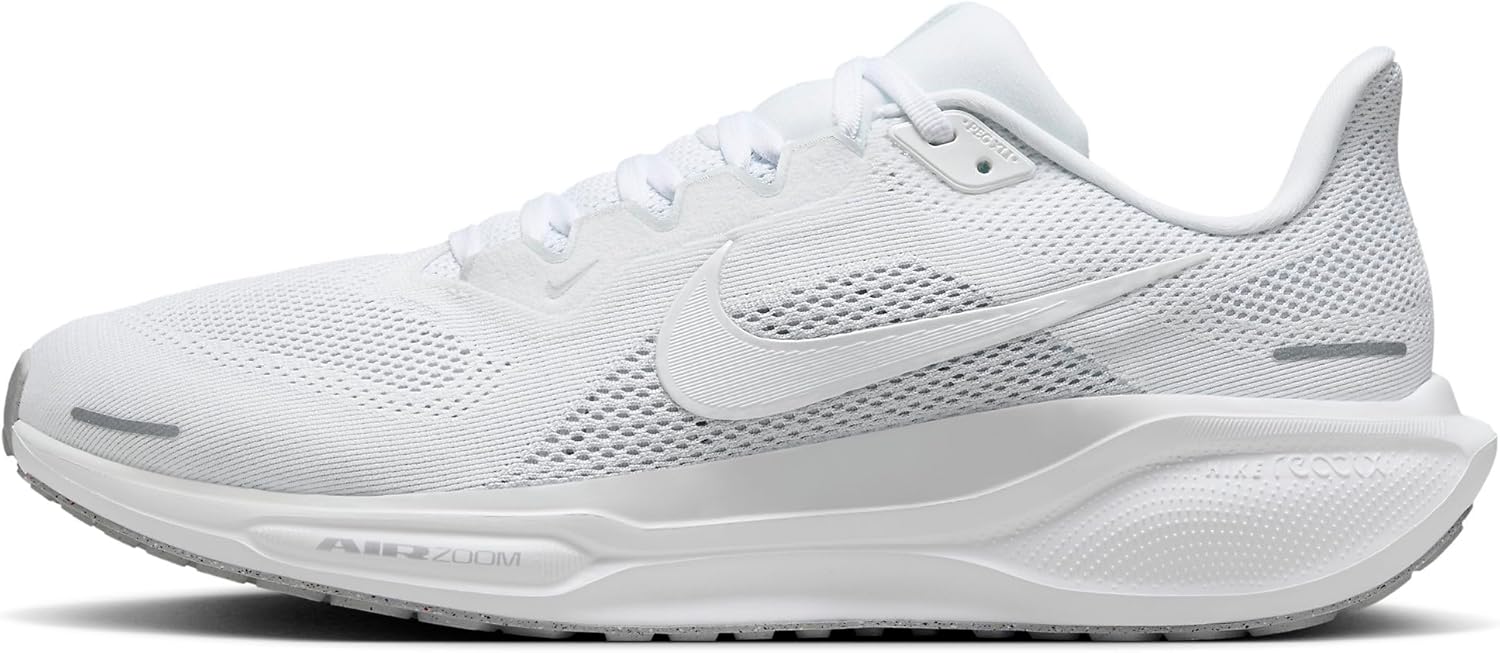
When Shoes Aren’t Enough — Dr. Tom’s Top 9 Orthotics
About 30% of patients I see for foot pain need MORE than a great shoe — they need a structured insole. Below: my complete 2026 orthotic ranking with pros, cons, and the specific patient I’d give each one to.




When to See a Podiatrist
Same-week appointment if: pain related to Morton’s toe; hammertoe development; persistent calluses on 2nd metatarsal; 2nd MTP capsulitis or plantar plate tear; recurrent metatarsalgia; difficulty finding shoes that fit. At Balance Foot & Ankle we evaluate Morton’s toe and its complications including custom orthotic casting, hammertoe correction, and plantar plate repair when needed.
In-Office Treatment at Balance Foot & Ankle
If home treatment isn’t providing relief for your big toe pain, our podiatry team at Balance Foot & Ankle can help with same-day evaluations and advanced in-office care.
Frequently Asked Questions About Mortons Toe Symptoms
What is Morton’s toe?
A hereditary anatomic variation where the 2nd toe is longer than the big toe. Affects 20% of the population. Also called “Greek foot.”
Is Morton’s toe the same as Morton’s neuroma?
NO — completely different conditions despite the similar name. Morton’s toe = anatomic variation. Morton’s neuroma = thickened nerve in the forefoot causing tingling/numbness.
Does Morton’s toe cause problems?
Most people are asymptomatic. Symptomatic cases can develop hammertoe of 2nd toe, metatarsalgia, 2nd metatarsal stress fracture, calluses, capsulitis, or plantar plate tear.
What shoes are best for Morton’s toe?
Wider AND longer toe boxes (sized 1/2 size larger than normal). Brands: Altra (foot-shaped); Topo Athletic; HOKA Bondi wide; Brooks Ghost wide; Vivobarefoot.
Can Morton’s toe be corrected?
The toe length itself is hereditary and permanent. Treatment addresses complications (hammertoe correction, custom orthotics, etc.). Severe metatarsalgia can be addressed with Weil osteotomy.
Is Morton’s toe a sign of intelligence?
No — that’s a myth. Toe length variation is hereditary and unrelated to cognitive ability or any other trait.
What percentage of people have Morton’s toe?
About 20% of the population. Slightly more common in women. Highly hereditary — if your parents have it, 50%+ chance you do too.
Related Resources from Balance Foot & Ankle
- Foot Shape Ancestry
- Hammer Toe Correction
- Morton’s Neuroma (Different Condition)
- Big Toe Pain
- Best Shoes for Flat Feet
- Best Foot Exercises
Frequently Asked Questions
When should I see a podiatrist?
If symptoms persist past 2 weeks, affect your normal activity, or are accompanied by red-flag symptoms (warmth, redness, swelling, inability to bear weight).
What does treatment cost?
Most diagnostic visits and conservative treatments are covered by Medicare and major insurers. Out-of-pocket costs vary by your specific plan.
How quickly can I get an appointment?
Most non-urgent cases see us within 5 business days. Urgent cases (sudden pain, possible fracture) typically same or next business day.
APMA: Morton’s Toe — Second Toe Prominence
Ready to Get Relief?
Same-day appointments available in Howell & Bloomfield Hills, MI
4.9★ | 1,123 Reviews | 3,000+ Surgeries
Or call: (810) 206-1402

Dr. Tom Biernacki, DPM is a board-certified foot & ankle surgeon (ABFAS & ABPM) at Balance Foot & Ankle Specialists in Southeast Michigan. With over a decade of clinical experience, he specializes in heel pain, bunions, diabetic foot care, sports injuries, and minimally invasive surgery. Dr. Biernacki is a member of the APMA and ACFAS, and his patient education content on MichiganFootDoctors.com and YouTube has made him one of the most-followed foot & ankle educators on YouTube.