
Medically reviewed by Dr. Tom Biernacki, DPM
Board-certified podiatric surgeon | Balance Foot & Ankle, Howell & Bloomfield Township, MI
Last reviewed: May 2026

Quick answer: For overweight women, podiatrists recommend shoes with structured arch support, deep heel cup, and forefoot rocker. Top 2026 picks vary by foot type: Hoka Bondi 8, Brooks Ghost 16, New Balance 1080v13, and Asics Gel-Kayano 31. Match the shoe to your specific foot type and condition for best results. Call (810) 206-1402.
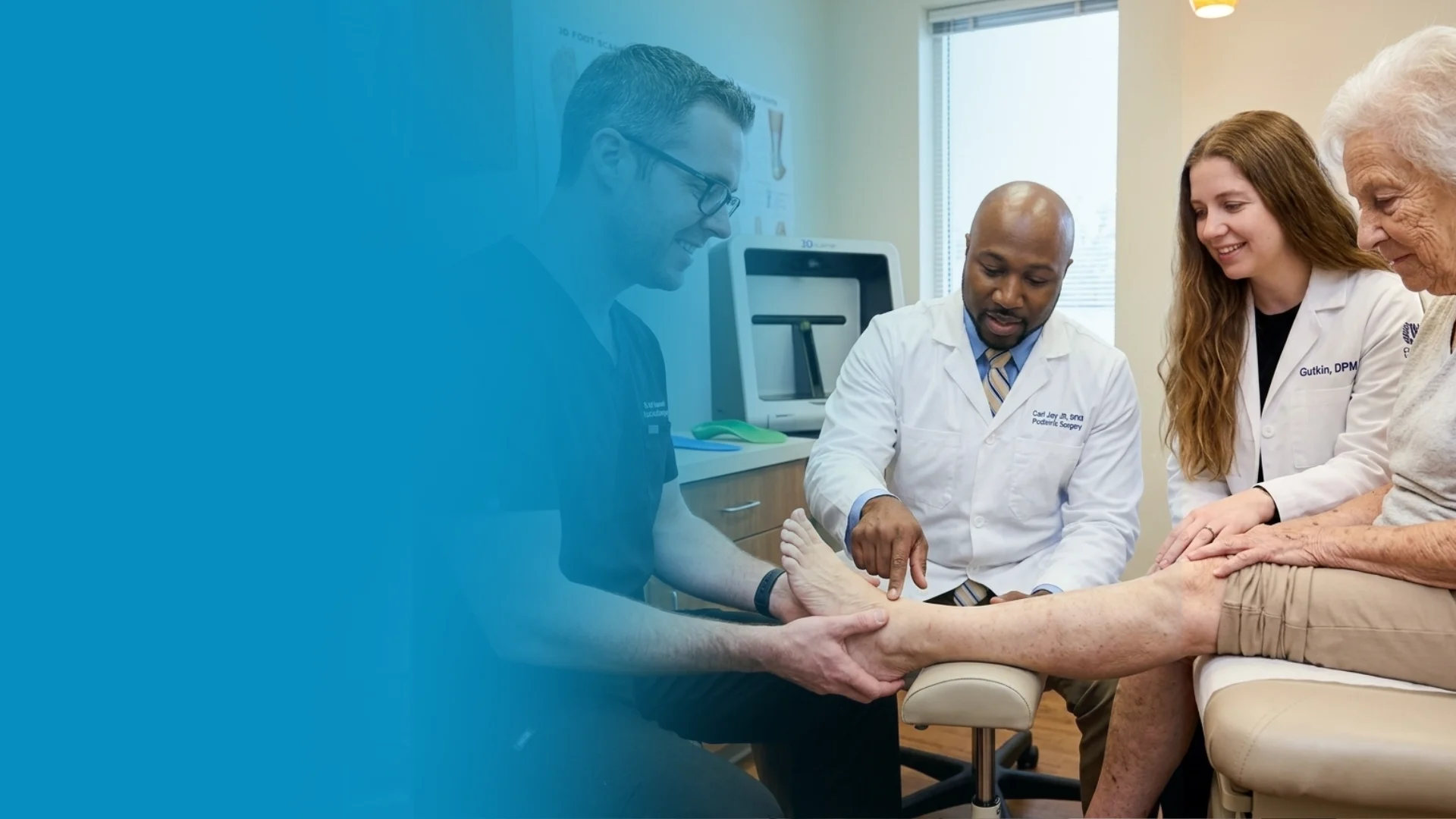
The most important clinical decision with Best Shoes For Overweight Women isn’t which treatment to start with — it’s identifying the correct subtype. That changes everything. Call (810) 206-1402.
Best Shoes For Overweight Women: Quick Answer
The best shoes for overweight women provide maximum cushion, reliable arch support, durable construction, and sufficient toe-box depth — features that handle the increased mechanical load of higher body weight. Top podiatrist picks: HOKA Bondi 9 (best maximum cushion); Brooks Adrenaline GTS 24 (best stability); ASICS Gel-Nimbus 26 (best for plantar fasciitis); New Balance 1080 v14 (best wide widths); Brooks Addiction Walker (best motion control); Vionic Walker (best with built-in arch support); Propet Stability Walker (best diabetic-friendly); Saucony Triumph 22 (best high-arch); Orthofeet Coral (best Velcro); New Balance 990v6 (best premium). Heavier patients need shoes that maintain cushion under load and prevent overpronation that leads to plantar fasciitis, posterior tibial tendinopathy, knee pain, and lower back pain. Replace shoes more frequently (every 4-6 months vs 6-12 for lighter weights).
Why Shoe Selection Matters More at Higher Body Weight
Every 1 lb of body weight = 4 lbs of force on the feet during walking, and 7-8 lbs during running. So a 250-lb woman has 1,000 lbs of force per foot during walking — significantly more than a 130-lb woman’s 520 lbs.
This increased mechanical load: compresses shoe cushioning faster (shoes wear out in 4-6 months vs 6-12 for lighter weights); flattens the arch more aggressively (overpronation worsens); increases plantar fascia stress (plantar fasciitis is more common); strains the posterior tibial tendon (PTTD); loads the knees and hips disproportionately.
The right shoes mitigate these mechanical stresses; the wrong shoes accelerate them. Investing $150-200 in proper footwear is dramatically more cost-effective than treating the conditions that develop from cheap unsupportive shoes.
Top 10 Best Shoes for Overweight Women (2026)
1. HOKA Bondi 9 ($170) — Best maximum cushion. EVA + rubberized foam outsole. Best for: plantar fasciitis, knee pain, all-day standing. Wide widths.
2. Brooks Adrenaline GTS 24 ($150) — Best stability. GuideRails technology controls overpronation. Wide widths. Drop: 12mm. Best for: flat feet, knee pain.
3. ASICS Gel-Nimbus 26 ($165) — Best for plantar fasciitis. PureGEL heel cushion. FF Blast Plus midsole. Best for: heel pain, achy joints.
4. New Balance Fresh Foam 1080 v14 ($170) — Best wide widths (2A, B, D, EE). Plush ride. Best for: comfort over speed.
5. Brooks Addiction Walker ($140) — Best motion control. Heavy-duty support for overpronators. Best for: nurses, retail, healthcare workers.
6. Vionic Walker ($120) — Best with built-in arch support. Removable footbed. Best for: mild flat feet without separate orthotics.
7. Propet Stability Walker ($95) — Best budget for diabetic-friendly. Wide widths. APMA-approved.
8. Saucony Triumph 22 ($160) — Best for high arches with weight-related strain. Cushioned but supportive.
9. Orthofeet Coral ($140) — Best Velcro closure. Stretchy upper accommodates wide/swollen feet. Removable insole.
10. New Balance 990v6 ($200) — Best premium. Made in USA. Multiple width options. Best for: serious investment in long-lasting support.
Critical Features for Heavier Weights
Maximum cushion (most important): Look for shoes with stack height 30mm+. EVA, PEBA, or Brooks DNA Loft foams. Compresses less under load than basic foams.
Stability or motion control if you overpronate: Higher body weight + flat feet = significant overpronation that damages the posterior tibial tendon, plantar fascia, and knees. Brooks Adrenaline GTS or ASICS Kayano specifically address this.
Wide width (often necessary): Heavier women often have wider feet and benefit from D, EE, or wider widths. Brooks, New Balance, Hush Puppies, and Apex offer extensive width options.
Reinforced upper: Heavier weights stress the upper materials. Look for engineered mesh + reinforced eyelets + structured heel counter. Cheap thin uppers tear quickly.
Durable outsole: Heavy-duty rubber (Brooks Pure-Pro, ASICS AHAR Plus). Avoid worn-out shoes — heavier weights wear shoes faster.
Removable footbed: Allows custom orthotic insertion if needed. Often important for moderate-severe overpronation.
Conditions Common at Higher Body Weight (And Best Shoes for Each)
Plantar fasciitis (very common): ASICS Gel-Nimbus 26 (PureGEL heel); HOKA Bondi 9 (max cushion); Brooks Glycerin 22. Add custom orthotic for severe cases.
Knee pain (very common): HOKA Bondi 9 (rocker bottom unloads knees); ASICS Gel-Nimbus 26; Brooks Adrenaline GTS 24 (motion control reduces knee strain).
Lower back pain (common): Cushioned shoes with appropriate arch support. HOKA Bondi 9; New Balance 990v6; Brooks Addiction Walker.
Posterior tibial tendinopathy (PTTD — adult-acquired flatfoot): Motion control + custom orthotics with medial heel post. Brooks Adrenaline GTS 24, ASICS Kayano 31. See PTTD guide.
Bunions (often coexisting with overpronation): Wide toe-box options. Brooks Ghost wide; Altra Torin (zero-drop wide); HOKA Bondi 9 wide.
Diabetic neuropathy: Diabetic-specific shoes (Drew, Apex, New Balance 928v3) — Medicare-covered annually for qualifying patients.
Lymphedema or chronic swelling: Adjustable closures (Velcro across instep). Orthofeet, Drew, Apex.
How Often to Replace Shoes (Faster for Heavier Weights)
Higher body weight compresses shoe foam faster. Replacement guidelines:
Lightweight (under 150 lbs): 6-12 months for daily walking shoes; 300-500 miles for running shoes.
Average (150-200 lbs): 4-6 months for daily; 250-400 miles for running.
Higher (200-250 lbs): 3-5 months for daily; 200-350 miles for running.
250+ lbs: 2-4 months for daily; 150-300 miles for running.
Signs you need to replace earlier: Visible compression/creases in the foam; new aches/pains in feet, knees, or back; outsole wear visible at the rubber.
Tip: Rotate 2 pairs of different cushion levels — extends life of each pair by 50-100% and gives the foam time to recover between wears.
Custom Orthotics Often Worth It
Custom orthotics make extra sense at higher body weights because: The mechanical load amplifies any biomechanical issue (overpronation, supination, leg length discrepancy); custom orthotics distribute weight more evenly than OTC inserts; they last 3-5 years vs 6-12 months for OTC inserts (better cost per year).
Cost: $300-600 typical. Often covered by FSA/HSA. Some insurance plans cover one pair every 1-2 years.
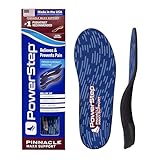
OTC alternatives: PowerStep Pinnacle (most popular); PowerStep Pinnacle GREEN (firmer); Vionic Active (good for lifestyle wear). Cost: $30-65. Try OTC first; upgrade to custom if symptoms persist.
When to See a Podiatrist
Same-week appointment if: chronic foot pain despite “good” shoes; new flat foot appearance; recurring injuries; need custom orthotic evaluation; you’re on a weight loss journey and want to coordinate biomechanical care; you have diabetes (annual foot exam plus diabetic shoe certification). At Balance Foot & Ankle we provide comprehensive biomechanical evaluation, custom orthotic casting, and diabetic shoe certification. Same-week appointments at our Howell and Bloomfield Township MI offices.
When Shoes Aren’t Enough — Dr. Tom’s Top 9 Orthotics
About 30% of patients I see for foot pain need MORE than a great shoe — they need a structured insole. Below: my complete 2026 orthotic ranking with pros, cons, and the specific patient I’d give each one to.


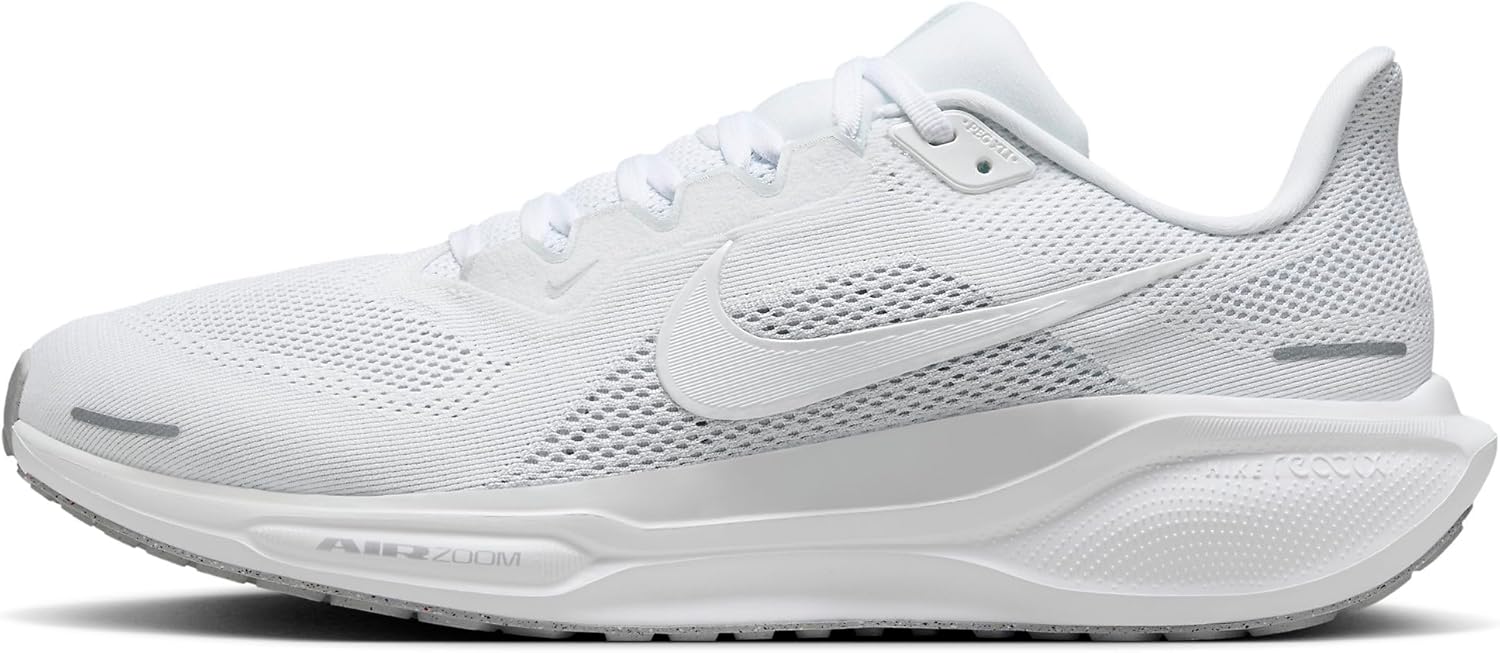


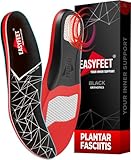
Podiatrist-Recommended Products


In-Office Treatment at Balance Foot & Ankle
If home treatment isn’t providing relief for your foot pain, our podiatry team at Balance Foot & Ankle can help with same-day evaluations and advanced in-office care.
Frequently Asked Questions About Best Shoes For Overweight Women
What shoes are best for overweight women with foot pain?
HOKA Bondi 9 (max cushion); ASICS Gel-Nimbus 26 (best for plantar fasciitis); Brooks Adrenaline GTS 24 (motion control for flat feet). Add custom orthotics for severe cases.
How often should overweight women replace shoes?
Higher body weight compresses foam faster. 200-250 lbs: replace daily shoes every 3-5 months. 250+ lbs: every 2-4 months. Watch for compression and outsole wear.
Can shoes prevent plantar fasciitis at higher weights?
Yes — cushioned shoes with proper arch support dramatically reduce plantar fasciitis risk. ASICS Gel-Nimbus and HOKA Bondi are top picks. Custom orthotics add additional protection.
What’s the best wide-width shoe for overweight women?
New Balance 1080 v14 (extensive width options); Brooks Ghost wide; Apex (specialized wide widths up to 4E); Orthofeet Coral (stretchy upper).
Are HOKA shoes good for overweight people?
Excellent — maximum cushion absorbs the increased mechanical load of higher body weight. HOKA Bondi 9 is the top pick. Wide widths available.
Should I see a podiatrist for foot pain related to weight?
Yes — podiatrist evaluation can identify underlying biomechanical issues (overpronation, PTTD), recommend appropriate footwear, and provide custom orthotics if needed.
Do orthotics help overweight people more than thin people?
Often yes — the mechanical load amplifies any biomechanical issue. Custom orthotics distribute weight evenly and prevent the cascading injuries (plantar fasciitis, PTTD, knee pain) common at higher weights.
Related Resources from Balance Foot & Ankle
- Best Shoes for Walking
- Best Shoes for Standing All Day
- Best Shoes for Flat Feet
- Best Shoes for Plantar Fasciitis
- Best Orthotics for Flat Feet
- Posterior Tibial Tendonitis
- Best Shoes for Wide Feet

Dr. Tom Biernacki, DPM is a board-certified foot & ankle surgeon (ABFAS & ABPM) at Balance Foot & Ankle Specialists in Southeast Michigan. With over a decade of clinical experience, he specializes in heel pain, bunions, diabetic foot care, sports injuries, and minimally invasive surgery. Dr. Biernacki is a member of the APMA and ACFAS, and his patient education content on MichiganFootDoctors.com and YouTube has made him one of the most-followed foot & ankle educators on YouTube.