

Navicular Fracture Treatment [Top of Foot Stress Fracture]
A navicular fracture is one of the #1 most common causes of top of the foot pain. Find the 100% best way to treat your navicular stress fracture!What is a Navicular Stress Fracture?
- 🦶The most common navicular fracture is a navicular stress fracture!🦶 This is a top of the foot stress fracture that can leading to radiating and aching pain.
Causes:
- This is most common during running but also present with standing and pressure on your feet.
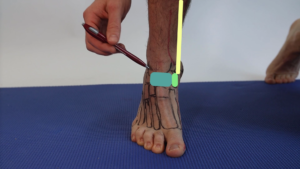
Types of Navicular Fractures:
Common types of navicular fractures are: a navicular avulsion fracture, a navicular bone fracture and most commonly the navicular bone stress fracture.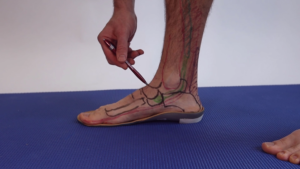
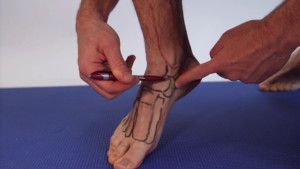
Navicular Fracture Treatment:
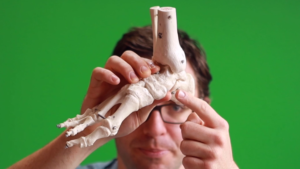
Best Product Options:
- There are usually two phases to bottom of the foot pain treatment.
- The two phases of treatment include controlling the acute inflammation, and correcting the biomechanics which led to the problem in the first place.
- If the tendons and ligaments are inflammed, they are almost frozen in place and cannot function properly.
- Once the inflammation is decreased, we need to correct the biomechanical causes to ensure that they can never become over worked and inflammed again!
- This doesn’t matter whether it’s plantar fasciitis, plantar fibroma, sore bottom of foot, or even Achilles tendon pain. Treatment is all roughly very similar.
Navicular Fracture Products:
- If you have a traumatic injury such as a severe navicular bruise or broken navicular bone, or even a ruptured posterior tibialis tendon: consider protecting your foot!
- The best way to do this is of course to see your podiatrist and get evaluated with an x-ray and potential MRI or CT scan.
- If you are unable to do so it may benefit you to be in a cast, fractured boot, or even keep the weight off of it with a rolling knee scooter or other protective devices.
- We as podiatrists frequently take patients off work for very long period of time when they suffer a traumatic injury, unfortunately there is no other way around us in labor jobs.
- If you have a sit down job there are ways to get people back to work quicker, but this can be very difficult otherwise.
Navicular Fracture Best Boots:
- A cast may be indicated initially, but gradually there are some benefits to a removal air cast.
- This has recently been shown to be more and more beneficial for ankle fractures.
- See your podiatrist for evaluation!
- Our favorite fracture boots and their supplies:
📍 Located in Michigan?
Our board-certified podiatrists treat this condition at two convenient locations. Same-day appointments often available.
Navicular Fracture Best Scooters:
- Crutches can be very difficult on the inside of the armpits, this can cause significant pain, especially considering how long it takes to heal the broken ankle.
- This can be very useful in the initial treatment for a navicular stress fracture.
- These are favorite knee scooters and walking devices:
Control Inflammation:
Massage & Ice Products:
- Ice is the an excellent option that can be safe for almost everyone.
- There is some debate whether icing is worth doing, but for chronic pain this can help limit the need for medications and keep your options open.
- This works great for your arch, less for the ball of the foot.
- The more muscle and ligament tissue there is, the better ice will work there.
Menthol Based Gels:
- Doctor Hoy’s Natural Pain Relief Gel is one of our favorites.
- These gels have been studied to work 2x as long as ice.
- This works great for the ball of the foot.
- This can be very effective for bottom of the heel and Achilles tendon sore regions.
Massage Sticks:
- These can work great for loosening your muscles.
- This allows less tightness and pressure on the ball of your foot.
- This is very effective for the arch, the gastrocnemius or calf muscle and for the hamstring and thigh muscles.
- This also works very well for the gluteus muscles if you are having butt cheek or hip pain.
Removing The Stress:
- The key is to prevent future pain.
- If you can get rid of the pain and swelling, this will let you start walking normally.
- If you can walk normally, the vast majority of your pain should gradually start to go away.
- The best way to ensure that your plantar fascia, foot and ankle ligaments are not overworked is to support them.
- The best way to support them is to use great orthotics and great shoes.
- Some people may also need to rely on supportive ankle braces and other supportive modalities.
Best Navicular Bone Shoes:
- Getting a great supportive pair of shoes will make sure that there is pressure removed from the heel and plantar fascia region.
- This is especially important if you have plantar fasciitis, heel spur pain or Achilles tendonitis.
- Consider shoes combined with a good supportive orthotic for best pain relief!
- The following link will show you what our favorites are.

Best navicular Orthotics:
- These are our recommended orthotics.
- There are different types for different shoes.
- Women’s shoes usually need a less bulky orthotic, but allow for less correction.
- A full length orthotic requires a running shoe, boot or comfortable walking/dress shoe.
- We recommend doing everything you can to get a good supportive shoe that can fit a full length orthotic.
- This is the best way to maximize your orthotics for great results.
- These will only work in wider shoes or a good supportive running shoe.
- This will not work in sandals, flats or most women’s dress shoes.
- These are a great choice for dress orthotics.
- These are great options for women’s dress shoes and thinner shoes.
- These are not the most supportive pair of orthotics.
Get A Great Dynamic Stretch:
- It is possible to stretch on your own, but these products can also really help!
- This will take pressure off of the ball of your foot.
- We personally prefer this method of stretching.
Get A Great Static Stretch:
- These devices are great for stretching while you are resting.
- This will also help take pressure off of the ball of your foot.
- This works great for plantar fasciitis.
- It can be used while watching TV or at night time.
navicular bone fracture, navicular avulsion fracture, navicular fracture foot, navicular stress fracture symptoms, navicular stress fracture test, navicular bone stress fracture, foot stress fracture, navicular fracture, hairline fracture in foot, stress fracture top of foot, tarsal navicular stress fracture
Related Treatment Guides
📧 Get Dr. Tom’s Free Lab Test Guide
Discover the 5 lab tests every person over 35 should ask their doctor about — explained in plain English by a board-certified physician.