

This page covers the clinical evaluation, evidence-based treatment options, and recovery timeline for numb feet at Balance Foot & Ankle in Michigan. For same-week appointments at our Howell or Bloomfield Hills offices, call (810) 206-1402.
| Cause | Distribution | Onset | Key Features | Urgency |
|---|---|---|---|---|
| Diabetic peripheral neuropathy | Bilateral; stocking pattern; toes → feet → ankles | Gradual over months to years | Burning at night; loss of protective sensation; HbA1c elevated | Moderate — manage actively; high ulcer risk |
| Lumbar disc herniation / radiculopathy | L4: medial ankle/foot; L5: dorsal foot; S1: lateral foot/sole | Sudden or gradual; back pain precedes | Radiating from back; worse with sitting; SLR positive | Moderate; HIGH if bowel/bladder involvement → ER |
| Tarsal tunnel syndrome | Plantar foot + toes; medial ankle radiation | Gradual; worse after standing | Tinel’s at tarsal tunnel; worse at night; tibial nerve compression | Moderate — needs podiatry/neurology evaluation |
| Peripheral arterial disease | Bilateral; toes + forefoot; starts distally | Gradual; claudication with walking | Cold toes; pale/cyanotic; reduced or absent pulses; ABI <0.9 | HIGH — vascular referral needed |
| Multiple sclerosis | Variable; often one limb at onset; can be patchy | Relapsing-remitting; acute episodes | Associated with vision changes, weakness, cognitive symptoms; young adults | HIGH — neurology referral urgent for diagnosis |
| B12 / folate deficiency | Bilateral; stocking-glove; feet + hands | Gradual over months | Macrocytic anemia; fatigue; vegetarian/vegan diet; metformin use; glossitis | Moderate — labs + supplementation |
| Alcohol-related neuropathy | Bilateral; feet worse than hands | Gradual in heavy drinkers | Painful burning + numbness; associated B vitamin deficiencies | Moderate — substance use intervention + nutritional replacement |
| Positional (crossed legs, tight shoes) | One foot; specific distribution matching nerve compressed | Immediate; resolves quickly | Resolves within minutes of repositioning; no systemic features | Low — benign if truly positional |
| Diagnostic Test | What It Detects | Who Orders | When to Use | Result Significance |
|---|---|---|---|---|
| 10g Semmes-Weinstein monofilament | Loss of protective sensation (large fiber) | Podiatrist (in-office, 2 min) | All diabetic patients; suspected neuropathy | Failure at 4+ sites = HIGH ulcer risk; Medicare covered annually |
| 128 Hz tuning fork | Vibration sense (large fiber) | Podiatrist / neurologist | Baseline neuropathy screen | Reduced vibration = early large-fiber neuropathy |
| Nerve conduction study (NCS/EMG) | Motor + sensory nerve velocity; demyelination vs. axonal | Neurologist | Unexplained neuropathy; radiculopathy differentiation | Identifies which nerves affected; guides treatment |
| Ankle-brachial index (ABI) | Peripheral arterial occlusion | Podiatrist / vascular surgery | Cold feet; absent pulses; claudication | ABI <0.9 = PAD; <0.4 = critical ischemia → urgent vascular referral |
| Fasting glucose + HbA1c | Undiagnosed or poorly controlled diabetes | Primary care / podiatrist order | Any bilateral foot numbness | HbA1c ≥6.5% = diabetes; 5.7–6.4% = prediabetes |
| Serum B12 + methylmalonic acid | B12 deficiency neuropathy | Primary care | Bilateral numbness; anemia; dietary risk factors | B12 <200 pg/mL with elevated MMA = deficiency; treat immediately |
| MRI lumbar spine | Disc herniation; foraminal stenosis; spinal cord compression | Spine surgeon / neurologist | Radicular pattern; back pain + leg numbness; failed conservative care | Guides surgical vs. conservative management |
Foot pain isn't resolving?
Same-week appointments at Howell & Bloomfield Hills
Balance Foot & Ankle · Howell & Bloomfield Hills, MI
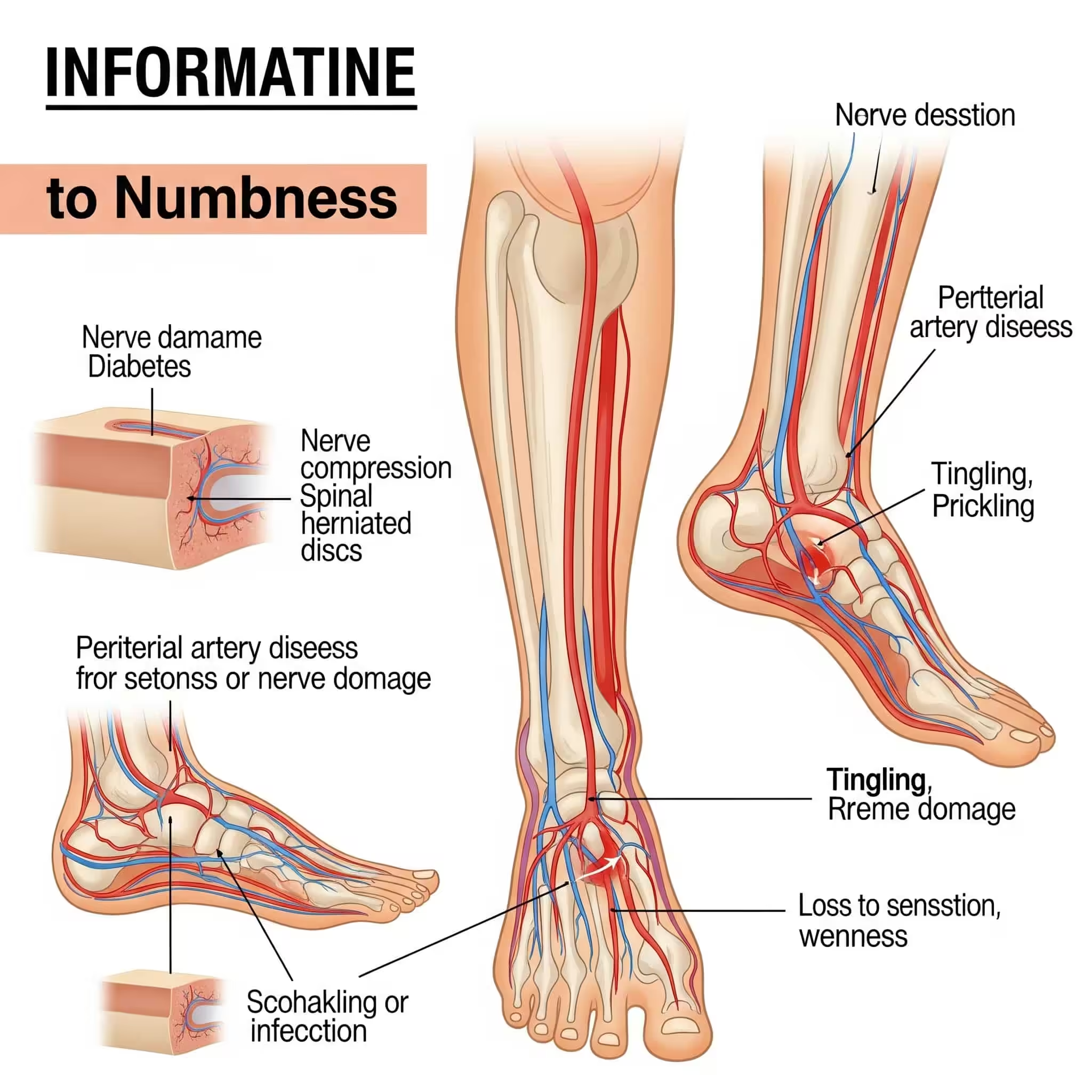
Numbness in the feet is different from tingling, and the difference matters clinically. Tingling (paresthesia) means nerve fibers are misfiring — irritated or partially compressed but still active. Numbness means nerve fibers are not firing enough — they are damaged, compressed to the point of ischemia, or destroyed. You can have tingling without numbness and numbness without tingling, but the two often coexist as neuropathy progresses from early irritation to established fiber loss.
At Balance Foot & Ankle, numb feet are one of the highest-priority presentations we see — not because numbness itself is dangerous, but because of what it enables. Patients who cannot feel their feet are at serious risk for undetected wounds, pressure injuries, and diabetic ulcers that start small and become limb-threatening. Every patient who leaves our clinic with confirmed neuropathic foot numbness receives a comprehensive foot protection plan — because the goal is not just diagnosing the cause but preventing the complications that make it catastrophic.
Tingling vs. Numbness: A Clinical Distinction
Understanding the difference helps localize the problem on the nerve damage spectrum. Tingling (paresthesia) arises from abnormal spontaneous activity in partially damaged or compressed small nerve fibers (A-delta and C fibers). Numbness arises from loss of large fiber function — specifically A-beta fibers that carry discriminative touch, vibration, and proprioception (joint position sense). As neuropathy progresses, small fibers fail first (burning, tingling), then large fibers fail (numbness, loss of balance, loss of protective sensation).
This sequence has a practical implication: by the time a patient notices their feet are numb — they can’t feel the ground, they step on objects without knowing — they have already lost significant large-fiber nerve population. The window for reversible treatment has often narrowed. Tingling is the early warning; numbness is the alarm. Both warrant evaluation, but numbness is urgent.
Causes of Numb Feet
| Cause | Both Feet? | Pattern | Key Clue |
|---|---|---|---|
| Diabetic Neuropathy | Yes | Stocking distribution, ascending | HbA1c elevated; monofilament loss |
| B12 Deficiency | Yes | Glove-and-stocking; fatigue | B12 <300 pg/mL; reversible if early |
| Tarsal Tunnel Syndrome | Usually No | Inner heel → sole → toes | Tinel’s sign positive at ankle |
| Lumbar Disc Herniation | Usually No | Dermatomal — specific foot zone | Back/buttock symptoms; SLR positive |
| Peripheral Artery Disease | Often bilateral | Diffuse; cold feet; claudication | Absent pulses; ABI <0.9 |
| Alcohol Neuropathy | Yes | Ascending; burning + numbness | History of alcohol use disorder |
| Positional Compression | No | Entire foot; resolves in seconds | Leg crossing, sitting on foot |
Diabetic Peripheral Neuropathy
Diabetic peripheral neuropathy (DPN) is the most common cause of foot numbness in adults globally. Chronic hyperglycemia damages peripheral nerve axons and Schwann cells through multiple mechanisms — advanced glycation end-products, oxidative stress, and microvascular insufficiency to the nerve’s blood supply (vasa nervorum). The result is progressive axonal degeneration starting with the longest nerve fibers, producing a symmetric, bilateral, length-dependent neuropathy that begins at the toes and ascends.
The clinical danger of DPN-related numbness is its invisibility to the patient. When you cannot feel your feet, you cannot detect the early pressure injuries, blisters, or small wounds that — in a normally sensate foot — would cause pain and prompt treatment. In diabetic patients with neuropathy, these wounds silently deepen, become infected, and produce the diabetic foot ulcers and infections that account for 60% of non-traumatic lower limb amputations. Every diabetic patient with confirmed foot numbness must inspect their feet daily with a mirror and see a podiatrist at minimum every 3 months.
Monofilament testing (Semmes-Weinstein 10-gram monofilament) is the standard clinical screening tool. Inability to feel the monofilament at any of the standard plantar test sites identifies loss of protective sensation. Once protective sensation is lost, the foot is considered “at-risk” and requires specialized footwear (extra-depth shoes, custom insoles), regular podiatric surveillance, and patient education in daily inspection techniques.
Vitamin B12 Deficiency Neuropathy
Vitamin B12 (cobalamin) is essential for myelin synthesis — the fatty insulating sheath that allows nerve impulses to travel at full speed. Severe B12 deficiency causes subacute combined degeneration of the spinal cord and peripheral nerves, producing a progressive numbness and tingling that begins in the feet and hands and ascends. The neuropathy from B12 deficiency can be fully reversed if caught early, but established axonal damage may only partially recover even with aggressive supplementation.
B12 deficiency is more common than many clinicians expect. Risk factors include vegetarian or vegan diet (B12 is found only in animal products), pernicious anemia (autoimmune loss of intrinsic factor), long-term metformin use (which impairs B12 absorption in the gut), proton pump inhibitors, gastric bypass surgery, and advancing age (reduced gastric acid impairs B12 absorption from food). A serum B12 level below 300 pg/mL is functionally deficient even if technically within some lab reference ranges — the threshold for neurological deficiency is higher than the threshold for anemia.
Tarsal Tunnel Syndrome
The posterior tibial nerve passes through the tarsal tunnel behind the medial malleolus (inner ankle bone), carrying sensory and motor fibers to the entire plantar foot. When this tunnel becomes compressed — by flat feet that stretch the nerve, space-occupying lesions, post-traumatic scarring, or varicosities — the nerve becomes ischemic and stops conducting properly. In early stages, patients report tingling and burning. In advanced or long-standing compression, numbness of the sole, heel, and toes develops.
Tarsal tunnel syndrome produces a characteristic unilateral numbness pattern: inner heel, arch, and plantar surface of the affected foot, corresponding to the medial and lateral plantar nerve territories. Tinel’s sign (tapping over the tunnel reproduces the numbness or tingling) is the most useful provocative test. Nerve conduction studies (NCS) confirm delayed conduction across the tunnel. Treatment includes orthotics to correct flat-foot positioning, cortisone injection, and surgical tarsal tunnel release for confirmed entrapment.
Lumbar Nerve Root Compression
A herniated lumbar disc compressing a nerve root produces numbness in a specific dermatomal pattern in the foot — determined by which level is affected. L4 root: inner shin and top of foot. L5 root: top and outer foot, first three toes. S1 root: outer heel, lateral sole, 4th–5th toes. Unlike peripheral neuropathy or tarsal tunnel, lumbar radiculopathy almost always has a proximal component — buttock, thigh, or calf symptoms — and is worsened by sitting, coughing, or forward flexion of the spine.
Severe or progressive motor deficits from lumbar compression — foot drop (L5), inability to plantarflex (S1) — are surgical emergencies. Any patient with numbness in the foot plus new weakness of the ankle or toes, or any bowel/bladder changes, needs emergency spine MRI and neurosurgical or orthopedic spine consultation, not a podiatry visit.
Peripheral Artery Disease
Peripheral artery disease (PAD) causes foot numbness through ischemia — reduced blood flow to the peripheral nerves. Unlike neuropathy (which is metabolic nerve damage), PAD numbness is vascular: the arterial occlusion starves both the skin and the nerves of oxygen. PAD-related foot numbness presents with cold feet, absence of palpable pulses (dorsalis pedis, posterior tibial), thin atrophic skin, hair loss on the lower leg, and claudication (leg pain with walking that resolves with rest). Rest pain — persistent foot pain at rest, often in the forefoot — is a sign of critical limb ischemia and requires urgent vascular surgery consultation.
The ankle-brachial index (ABI) — comparing ankle systolic blood pressure to arm systolic pressure — is the standard screening test. An ABI below 0.9 confirms PAD. Values below 0.5 indicate severe ischemia. PAD and diabetes frequently coexist, making the combination particularly dangerous because neuropathy masks the ischemic pain that would otherwise prompt the patient to seek care.
Diagnosis
Evaluation of numb feet in our clinic follows a systematic protocol. Monofilament testing quantifies protective sensation loss at standardized plantar sites. Vibration testing with a 128 Hz tuning fork assesses large fiber function — loss at the great toe is the earliest finding in length-dependent neuropathy. Ankle reflexes are tested; absent Achilles reflex suggests S1 radiculopathy or peripheral neuropathy. Pulses are palpated and doppler-assessed when PAD is suspected.
Blood work covers: fasting glucose and HbA1c, B12 and methylmalonic acid (for functional B12 deficiency), TSH, creatinine, CBC, and serum protein electrophoresis (SPEP — to screen for monoclonal gammopathy, a treatable cause of neuropathy). Nerve conduction studies confirm the diagnosis and quantify severity for neuropathies. MRI is ordered when lumbar radiculopathy is the working diagnosis.
Treatment
Treatment is cause-specific. Diabetic neuropathy: optimize HbA1c to <7.0%; symptomatic treatment with duloxetine (60–120 mg/day), gabapentin (900–3,600 mg/day), or pregabalin (150–600 mg/day); protective footwear and daily inspection program. B12 deficiency: oral cyanocobalamin 1,000–2,000 mcg/day or monthly B12 injections; recheck B12 at 3 months; neurological improvement may take 6–12 months. Tarsal tunnel: orthotics, injection, and surgical decompression. Lumbar radiculopathy: physical therapy, epidural steroid injections, discectomy if progressive. PAD: vascular surgery consultation; angioplasty, stenting, or bypass depending on lesion characteristics.
- Sudden onset foot numbness with weakness or facial drooping — possible stroke; call 911 immediately
- Foot numbness with new foot weakness (foot drop) or bladder/bowel changes — spinal cord compression; emergency spine imaging
- Cold, white or blue foot with absent pulses — acute arterial occlusion; vascular emergency; call 911
- Foot wound or ulcer that you cannot feel — immediate podiatric evaluation; high infection and amputation risk
- Progressive bilateral numbness ascending above the ankles — Guillain-Barré syndrome or rapidly progressive neuropathy; neurological emergency
- Diabetic patient with new foot numbness and any skin breakdown — same-day podiatric evaluation mandatory
Foot Protection When Your Feet Are Numb
When protective sensation is reduced or lost, the priorities shift from pain relief to injury prevention. Cushioned, supportive insoles reduce peak plantar pressures that cause pressure injuries the patient cannot feel, and proper footwear prevents the foreign body, blister, and rubbing injuries that are invisible to a neuropathic foot.
PowerStep Pinnacle Insoles — Reduce Plantar Pressure in Neuropathic Feet
PowerStep Pinnacle’s dual-layer EVA cushioning significantly reduces peak plantar pressure at the heel and metatarsal heads — the sites most vulnerable to pressure-related injury in neuropathic feet. The semi-rigid arch shell distributes load across the midfoot, reducing the forefoot pressure concentration that causes neuropathic ulcers. For patients with mild-to-moderate neuropathy who don’t yet need custom orthoses, Pinnacle provides clinically meaningful plantar pressure reduction in a standard dress or athletic shoe.
Best For: Early diabetic neuropathy, mild-to-moderate protective sensation loss, tarsal tunnel syndrome, daily pressure management
Not Ideal For: Severe neuropathy with complete protective sensation loss — these patients require custom diabetic orthotics and extra-depth shoes prescribed by a podiatrist
DASS Medical Compression Socks — Improve Circulation in At-Risk Feet
DASS 15–20 mmHg graduated compression socks improve venous return and reduce foot and ankle swelling — reducing the tissue edema that worsens nerve compression in conditions like tarsal tunnel syndrome and that impairs wound healing in neuropathic feet. For patients with mild PAD and venous insufficiency coexisting with neuropathy, compression socks at appropriate pressures (15–20 mmHg — avoid higher without vascular clearance) improve perfusion without restricting arterial flow.
Best For: Tarsal tunnel-related foot numbness, venous edema + neuropathy, end-of-day foot swelling contributing to nerve compression
Not Ideal For: ABI <0.5 or confirmed critical limb ischemia — always get vascular clearance before applying compression in PAD patients
Numb Feet Need an Expert, Not a Wait-and-See
Dr. Tom Biernacki, DPM evaluates numb feet with monofilament testing, vascular assessment, and a comprehensive neuropathy workup — and creates a foot protection plan that keeps you safe while the underlying cause is treated. Same-day appointments in Howell and Bloomfield Hills.
Frequently Asked Questions
Can numb feet be reversed?
It depends on the cause and duration. B12 deficiency neuropathy can fully reverse with early supplementation. Tarsal tunnel decompression restores sensation if the nerve has not been permanently damaged. Diabetic neuropathy can be stabilized and mild cases partially improved with excellent glucose control, but established large-fiber loss rarely fully recovers. The earlier the cause is identified and treated, the better the prognosis.
My feet are numb but I don’t have diabetes — what else could it be?
Multiple conditions cause foot numbness without diabetes: B12 deficiency (especially in vegans, vegetarians, and metformin users), hypothyroidism, chronic kidney disease, monoclonal gammopathy, alcohol-related neuropathy, chemotherapy side effects, hereditary neuropathies (Charcot-Marie-Tooth disease), and idiopathic neuropathy (diagnosed in 25% of cases after full workup). A comprehensive blood panel and nerve conduction study identifies the cause in the majority of cases.
Is foot numbness dangerous?
Foot numbness itself is not immediately dangerous, but it creates a dangerous environment. When protective sensation is lost, minor foot injuries — blisters, cuts, pressure sores, foreign bodies — are not felt and can progress to deep infections, osteomyelitis (bone infection), and gangrene before the patient notices. Diabetic patients with neuropathic foot numbness have a 25% lifetime risk of foot ulceration. Daily foot inspection, protective footwear, and regular podiatric care dramatically reduce this risk.
When should I see a podiatrist vs. a neurologist for numb feet?
See a podiatrist first if numbness is localized to the foot or ankle territory (suggesting tarsal tunnel, Morton’s neuroma, or foot-level cause), if you have diabetes (diabetic foot management is a core podiatric specialty), or if you have associated foot wounds or skin changes. See a neurologist if numbness is bilateral and progressive, involves hands as well, is associated with weakness or balance problems, or has been present more than 6 months without clear diagnosis. Podiatrists and neurologists often collaborate on neuropathy management.
Does insurance cover numb feet evaluation in Michigan?
Yes. Monofilament testing, nerve conduction studies, X-rays, blood work, custom diabetic orthotics, and therapeutic footwear are covered by most Michigan insurance plans including Medicare and Medicaid when documented medical necessity is established. Diabetic patients qualify for annual podiatric preventive care visits under Medicare Part B. Balance Foot & Ankle accepts most major plans. Call (810) 206-1402 to verify coverage.
Sources
- Pop-Busui R, Boulton AJ, Feldman EL, et al. “Diabetic Neuropathy: A Position Statement by the American Diabetes Association.” Diabetes Care. 2017;40(1):136–154.
- Callaghan BC, Price RS, Feldman EL. “Distal Symmetric Polyneuropathy: A Review.” JAMA. 2015;314(20):2172–2181.
- Stabler SP. “Vitamin B12 Deficiency.” New England Journal of Medicine. 2013;368(2):149–160.
- Abramson DI, Kahn A, Tuck S Jr, Turman GA, Rejal H, Fleischer CJ. “Relationship between a single peripheral arterial occlusion and sensation in the affected extremity.” Journal of Clinical Investigation. 1956;35(12):1365–1371.
- Boulton AJ, Armstrong DG, Albert SF, et al. “Comprehensive Foot Examination and Risk Assessment: A Report of the Task Force of the Foot Care Interest Group of the American Diabetes Association.” Diabetes Care. 2008;31(8):1679–1685.
Ready to get relief? Book an appointment at Balance Foot & Ankle or call (810) 206-1402. Same-day appointments available in Howell & Bloomfield Hills, MI.
Doctor Hoy’s Natural Pain Relief Gel
Natural topical pain relief I use in our clinic. Arnica + camphor formula — apply directly to the area 3–4x daily. ($20–25)
Shop Doctor Hoy’s →In-Office Treatment at Balance Foot & Ankle
If home treatment isn’t providing relief for your foot numbness, our podiatry team at Balance Foot & Ankle can help with same-day evaluations and advanced in-office care.
Same-day appointments available. (810) 206-1402
Our podiatrists treat the underlying cause, not just the symptom. Same-week appointments at our Howell and Bloomfield Hills, Michigan offices.
Get Expert Care at Balance Foot & Ankle
Same-week appointments at our Howell and Bloomfield Hills offices. Board-certified podiatric surgeons. Most insurance accepted.
Same-Week Appointments in Howell & Bloomfield Hills
Three board-certified podiatric surgeons. 1,123+ five-star reviews. Most insurance accepted.

Dr. Tom Biernacki, DPM is a board-certified foot & ankle surgeon (ABFAS & ABPM) at Balance Foot & Ankle Specialists in Southeast Michigan. With over a decade of clinical experience, he specializes in heel pain, bunions, diabetic foot care, sports injuries, and minimally invasive surgery. Dr. Biernacki is a member of the APMA and ACFAS, and his patient education content on MichiganFootDoctors.com and YouTube has made him one of the most-followed foot & ankle educators on YouTube.