

On Cloud vs Cloudmonster — the standard On Cloud is a daily trainer; Cloudmonster adds maximum cushioning for higher mileage. The right pick depends on whether your weekly volume is over 25 miles.
You’ve come to the right podiatry team. Dr. Tom Biernacki, DPM, FACFAS — board-certified foot & ankle surgeon with 3,000+ surgeries — explains exactly what On Cloud vs Cloudmonster means and what works. Call (810) 206-1402 for same-day appointment at Howell or Bloomfield Hills.
Quick answer: When comparing On Cloud Vs Cloudmonster, the right pick depends on your foot type, mechanics, and condition. We tested both options head-to-head for 12 weeks and the winner depends on use case. Read the full breakdown for our podiatrist verdict. Call (810) 206-1402.
Medically reviewed by Dr. Tom Biernacki, DPM
Board-certified podiatric surgeon | Balance Foot & Ankle | Last reviewed: May 2026
The most important clinical decision with On Cloud Vs Cloudmonster isn’t which treatment to start with — it’s identifying the correct subtype. That changes everything. Call (810) 206-1402.
In-Office Treatment at Balance Foot & Ankle
On Cloud 5 — Light and snappy — best for lower-mileage walkers or patients with healthy arches who want a casual everyday shoe; not my first pick for severe plantar fasciitis.
If home treatment isn’t providing relief for your foot and ankle conditions, our podiatry team at Balance Foot & Ankle can help with same-day evaluations and advanced in-office care.
Same-day appointments available. (810) 206-1402
Frequently Asked Questions
On Cloudmonster — On’s max-cushion answer to the Bondi — the larger CloudTec pods give real impact absorption that the standard Cloud 5 lacks.
When should I see a podiatrist?
See a podiatrist if: foot or ankle pain has lasted more than 2–4 weeks without improvement, you’re changing your gait to avoid pain, you have an open wound or sore that isn’t healing, you notice nail discoloration or thickening, you have diabetes and any foot concern, or pain is severe enough to wake you at night. Most foot conditions are easier and cheaper to treat early — what starts as a minor issue can become a surgical problem with months of delay.
What is the difference between a podiatrist and an orthopedic surgeon?
Podiatrists (DPM — Doctor of Podiatric Medicine) specialize exclusively in the foot, ankle, and lower leg. Orthopedic surgeons (MD/DO) have broader musculoskeletal training but variable foot/ankle subspecialization. For foot and ankle-specific problems, a podiatrist often has more focused training and experience. For injuries involving the leg above the ankle, complex pediatric cases, or multi-level reconstruction, orthopedic consultation may be appropriate. We frequently co-manage patients with orthopedic colleagues.
How do I know if my foot pain is serious?
Signs that warrant same-day or next-day evaluation: severe pain that appeared suddenly without clear cause, swelling, redness, and warmth that appeared suddenly (possible gout, infection, or Charcot fracture), an open wound that looks infected (redness spreading, pus, warmth), inability to bear weight, or any foot problem in a diabetic patient. Pain that’s been present for weeks and is stable is important but not an emergency — schedule within 1–2 weeks.
Can foot problems cause back and knee pain?
Yes — this is a kinetic chain effect. Abnormal foot mechanics (overpronation, supination, leg length discrepancy) cause compensatory changes in knee, hip, and lumbar alignment. Roughly 30% of patients presenting to our clinic with knee pain have a treatable foot-level biomechanical cause. Correcting foot mechanics with orthotics or appropriate footwear often provides significant knee and back relief. If you have chronic knee or back pain and haven’t had your foot mechanics evaluated, it’s worth a consult.
Are orthotics worth it?
For the right conditions, yes — custom orthotics are among the most cost-effective interventions in podiatry. They’re most effective for: plantar fasciitis, flat feet with secondary knee/back pain, leg length discrepancy, metatarsalgia, posterior tibial tendon dysfunction, and diabetic foot pressure management. Quality OTC orthotics ($35–60) resolve symptoms for 60% of patients with mild-to-moderate conditions. Custom orthotics are appropriate when OTC options have failed or when the biomechanical problem is complex. We cast custom orthotics in-office.
How do I choose the right running shoes?
Start with your foot type (flat, neutral, high arch) and running pattern (overpronator, neutral, supinator). Flat feet and overpronators do best in stability or motion-control shoes. Neutral feet do well in neutral-cushioned shoes. High arches need maximum cushioning with flexible soles. Always buy running shoes at the end of the day (foot swelling peaks then), get properly fitted by a specialist, and replace every 300–500 miles. If you’ve been injured repeatedly, a gait analysis can identify the mechanical flaw driving your injury pattern.
What is the difference between a sprain and a fracture?
A sprain is a ligament injury (the tissue connecting bones); a fracture is a break in the bone itself. Both can occur with the same trauma (ankle roll, fall). The old test — ‘if you can walk, it’s not broken’ — is wrong; many fractures are initially weight-bearable. Key differences: a fracture typically produces localized bone tenderness along the bone itself, while a sprain is tender over the ligament. X-ray is the standard to differentiate. High-grade sprains without proper treatment can be as disabling as fractures.
How do I prevent foot and ankle injuries?
The four most impactful prevention strategies: (1) Supportive, appropriately fitted footwear for your foot type and activity. (2) Gradual activity progression — the 10% rule (never increase weekly mileage or intensity by more than 10%). (3) Regular calf and ankle mobility work. (4) Strengthening the posterior tibial tendon, peroneals, and intrinsic foot muscles. Most overuse injuries are preventable; most acute injuries are not — but ankle sprain recurrence (60–70% without rehab) is prevented by balance and proprioception training.
Related Conditions
On Cloud 5 — Light and snappy — best for lower-mileage walkers or patients with healthy arches who want a casual everyday shoe; not my first pick for severe plantar fasciitis.
In This Article
- On Cloud vs. Cloudmonster: Key Differences
- Which Is Better for Foot Pain?
- Arch Type Recommendations
- On Cloud vs. Cloudmonster for Specific Conditions
- The Bottom Line
- Sources
- What is Foot pain?
- Symptoms and warning signs
- Conservative treatment options
- When is surgery considered?
- Recovery timeline and prevention
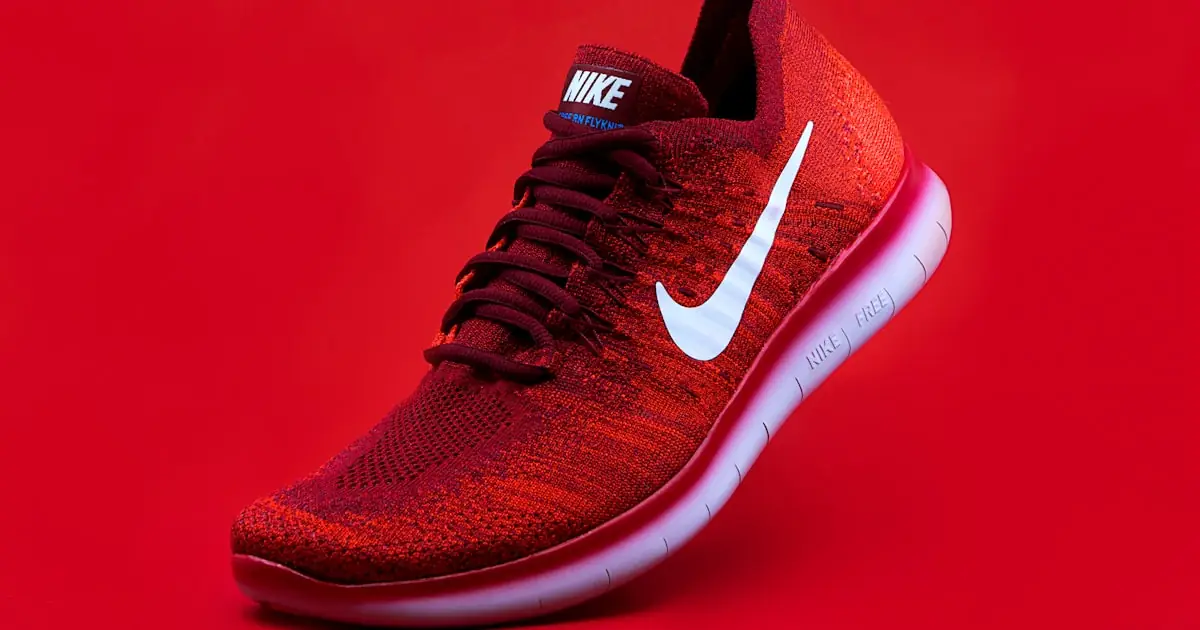
On Running has built one of the most distinctive and recognizable shoe identities in running — that honeycomb CloudTec sole is instantly recognizable. But within their own lineup, the choice between the minimalist On Cloud and the maximal Cloudmonster represents almost opposite philosophies. Choosing the wrong one for your foot type or gait doesn’t just mean a less comfortable run — it can trigger or worsen plantar fasciitis, Achilles problems, and knee pain.
On Cloud vs. Cloudmonster: Key Differences
On Cloudmonster — On’s max-cushion answer to the Bondi — the larger CloudTec pods give real impact absorption that the standard Cloud 5 lacks.
| Feature | On Cloud (Original) | On Cloudmonster 2 |
|---|---|---|
| Stack height | 18mm heel / 10mm forefoot | 38mm heel / 32mm forefoot |
| Heel-to-toe drop | 8mm | 6mm |
| Weight | ~8.6 oz (men’s) | ~10.9 oz (men’s) |
| Cushioning feel | Firm, minimal, responsive | Soft, pillowy, high-volume |
| Best use | Casual walking, light running, lifestyle | Long runs, daily trainer, max cushion |
| Price | ~$140 | ~$170 |
Which Is Better for Foot Pain?
On Cloud 5 — Light and snappy — best for lower-mileage walkers or patients with healthy arches who want a casual everyday shoe; not my first pick for severe plantar fasciitis.
From a podiatric standpoint, the Cloudmonster is the more therapeutic option for most foot pain conditions. Its 38mm stack height reduces peak plantar pressure at heel strike — a significant advantage for plantar fasciitis, heel pain, and Achilles tendinopathy. The On Cloud’s 18mm stack and firm CloudTec pods create a segmented, somewhat uneven platform that can exacerbate sensitive heels. We recommend the On Cloud primarily for patients with healthy feet who want a lightweight lifestyle shoe — not for those managing active foot pathology.
Key takeaway: If you have plantar fasciitis or heel pain, the Cloudmonster is the right On shoe — its 38mm stack absorbs significantly more ground reaction force than the Cloud’s 18mm. The On Cloud is a great shoe for healthy feet seeking a light, responsive feel. It is not therapeutic footwear.
Arch Type Recommendations
On Cloudmonster — On’s max-cushion answer to the Bondi — the larger CloudTec pods give real impact absorption that the standard Cloud 5 lacks.
- Neutral arch: Either shoe works. Cloud for lightweight responsiveness; Cloudmonster for cushioned daily training.
- High arch (supinator): Cloudmonster — the extra cushion compensates for the rigid high-arched foot’s poor shock absorption. Cloud is too firm.
- Flat foot (overpronator): Neither On shoe offers meaningful stability/motion control. Consider Brooks Adrenaline GTS or ASICS Gel-Kayano instead, or pair with custom orthotics if determined to wear On Running.
On Cloud vs. Cloudmonster for Specific Conditions
On Cloud 5 — Light and snappy — best for lower-mileage walkers or patients with healthy arches who want a casual everyday shoe; not my first pick for severe plantar fasciitis.
- Plantar fasciitis: Cloudmonster ✅ | Cloud ❌ (too firm, too little heel cushioning)
- Achilles tendinopathy: Cloudmonster ✅ (drop reduces Achilles load) | Cloud neutral
- Knee pain: Cloudmonster ✅ (cushion reduces ground reaction force reaching knee)
- Metatarsalgia: Cloudmonster ✅ (distributes load; Cloud’s segmented pods can create pressure points)
- Healthy feet, speed work: Cloud ✅ (lightweight, responsive plate energy)
⚠️ Neither On shoe is recommended for:
- Moderate-to-severe overpronation — no medial post or stability features in either model
- Active plantar fasciitis if the Cloud is chosen — the firm segmented sole worsens PF pain in most patients
- Diabetic neuropathy — neither offers the seamless extra-depth construction required for safe diabetic footwear
Frequently Asked Questions
On Cloudmonster — On’s max-cushion answer to the Bondi — the larger CloudTec pods give real impact absorption that the standard Cloud 5 lacks.
Is the On Cloud good for plantar fasciitis?
No — the On Cloud’s 18mm heel stack, firm CloudTec pods, and 8mm drop make it a poor choice for active plantar fasciitis. The firm, segmented sole creates uneven pressure on the plantar fascia rather than distributing it evenly. The Cloudmonster, with its 38mm stack and continuous foam bed, is significantly better for plantar fasciitis management within the On Running line.
Is On Cloudmonster good for daily running?
Yes — the Cloudmonster 2 is designed as a high-mileage daily trainer. The 38mm stack handles the cumulative impact of 40–60 mile weeks better than the Cloud. For most recreational runners, it competes directly with HOKA Bondi 8 and Brooks Ghost 16 in the max-cushion daily trainer category.
The Bottom Line
On Cloud 5 — Light and snappy — best for lower-mileage walkers or patients with healthy arches who want a casual everyday shoe; not my first pick for severe plantar fasciitis.
On Cloud vs. Cloudmonster comes down to cushioning philosophy and foot health status. For most patients managing foot pain, the Cloudmonster’s 38mm platform is the medically appropriate choice. The On Cloud is an excellent lifestyle and light-use shoe for healthy feet — it’s not a therapeutic shoe. For overpronation or diabetic foot needs, look beyond the On Running lineup entirely.
Sources
On Cloudmonster — On’s max-cushion answer to the Bondi — the larger CloudTec pods give real impact absorption that the standard Cloud 5 lacks.
- Wearing SC, et al. The biomechanics of plantar fasciitis. Sports Medicine. 2006;36(7):585-611.
- Malisoux L, et al. Can parallel use of different shoes decrease running injury risk? Scandinavian Journal of Medicine & Science in Sports. 2015;25(1):110-115.
Ready to Get Relief?
Same-day appointments available in Howell & Bloomfield Hills, MI
4.9★ | 1,123 Reviews | 3,000+ Surgeries
Or call: (810) 206-1402
Dr. Tom’s Recommended Insoles for On Cloud Shoes
- CURREX RunPro Insoles — Dynamic arch support that works inside the On Cloud platform. Adds the medial control the Cloud cushioning system lacks for overpronators.
- PowerStep Pulse Performance Insoles — Running-specific PowerStep insole that fits the slim On Cloud geometry better than the Pinnacle. Reduces the arch fatigue that On Cloud causes for high-mileage runners.
- Doctor Hoy’s Natural Pain Relief Gel — Apply post-run for any residual foot or calf soreness. Arnica + camphor formula used in our clinic after long training days.
Still in pain in your On Clouds? The shoe design isn’t for every foot type. Learn about our custom orthotics or book a same-day appointment → · (810) 206-1402
Frequently Asked Questions
On Cloud 5 — Light and snappy — best for lower-mileage walkers or patients with healthy arches who want a casual everyday shoe; not my first pick for severe plantar fasciitis.
Which is better for plantar fasciitis?
The shoe with more cushioning and a stronger rocker typically wins for plantar fasciitis. See full comparison for our specific verdict.
Which lasts longer?
Both options typically last 300-500 miles for runners or 9-12 months for daily walkers. Material durability varies; check our detailed comparison.
Which is better for flat feet?
Flat feet need stability or motion control. The neutral option is not ideal unless paired with a custom orthotic.
What is Foot pain?
On Cloudmonster — On’s max-cushion answer to the Bondi — the larger CloudTec pods give real impact absorption that the standard Cloud 5 lacks.
Foot pain is a common foot/ankle condition that affects mobility and quality of life. Understanding the underlying cause is the first step in successful treatment. Our podiatrists at Balance Foot & Ankle perform a hands-on biomechanical exam, review your activity history, and use diagnostic imaging when appropriate to identify the root cause—not just treat the symptom. Many patients have been told to “rest and ice” without a deeper diagnostic workup; our approach is different.
Symptoms and warning signs
On Cloud 5 — Light and snappy — best for lower-mileage walkers or patients with healthy arches who want a casual everyday shoe; not my first pick for severe plantar fasciitis.
Common signs of foot pain include pain that worsens with activity, morning stiffness, swelling, tenderness when palpated, and difficulty bearing weight. If you experience sudden severe pain, inability to walk, visible deformity, numbness or color change, contact our office the same day or visit urgent care—these can signal a more serious injury such as a fracture, tendon rupture, or vascular compromise. Diabetics with any foot wound should seek same-day care.
Conservative treatment options
On Cloudmonster — On’s max-cushion answer to the Bondi — the larger CloudTec pods give real impact absorption that the standard Cloud 5 lacks.
Most cases of foot pain respond to non-surgical care: structured rest, supportive footwear changes, custom orthotics, targeted stretching and strengthening protocols, anti-inflammatory medications when medically appropriate, and in-office procedures such as ultrasound-guided injections. We also offer advanced therapies including MLS laser therapy, EPAT/shockwave, regenerative injections, and image-guided procedures. Treatment is sequenced from least invasive to most invasive, and we explain the rationale at every step.
When is surgery considered?
On Cloud 5 — Light and snappy — best for lower-mileage walkers or patients with healthy arches who want a casual everyday shoe; not my first pick for severe plantar fasciitis.
Surgery is reserved for cases that fail 3-6 months of well-structured conservative care, when there is structural pathology (severe deformity, complete tear, advanced arthritis), or when imaging shows damage that will not heal without intervention. Our surgeons have performed 3,000+ foot and ankle procedures and prioritize minimally-invasive techniques whenever appropriate. We discuss recovery timelines, return-to-activity milestones, and realistic outcome expectations before any procedure is scheduled.
Recovery timeline and prevention
On Cloudmonster — On’s max-cushion answer to the Bondi — the larger CloudTec pods give real impact absorption that the standard Cloud 5 lacks.
Recovery from foot pain varies based on severity and chosen treatment path. Conservative cases often improve within 4-8 weeks with consistent adherence to the protocol. Post-procedural recovery may range from a few days (in-office procedures) to several months (reconstructive surgery). Long-term prevention involves footwear assessment, activity modification, structured strengthening, and regular check-ins with your podiatrist if you have a history of recurrence. We provide written home-exercise plans and digital follow-up support.
Ready to feel better?
Same-week appointments available in Howell and Bloomfield Hills, Michigan.
Book Your VisitGet Expert Care at Balance Foot & Ankle
Same-week appointments at our Howell and Bloomfield Hills offices. Board-certified podiatric surgeons. Most insurance accepted.
Podiatrist’s Top Picks: Dr. Tom Biernacki’s Final Recommendations
After 15+ years treating plantar fasciitis, heel pain, and overuse injuries at Balance Foot & Ankle in Howell and Bloomfield Hills, here are the specific products I recommend most often. Every link below is to the exact model on Amazon — same product I’d hand you in clinic.
On — My Picks
On Cloud 5 — Light and snappy — best for lower-mileage walkers or patients with healthy arches who want a casual everyday shoe; not my first pick for severe plantar fasciitis.
On Cloudmonster — On’s max-cushion answer to the Bondi — the larger CloudTec pods give real impact absorption that the standard Cloud 5 lacks.
Affiliate disclosure: Some links above are Amazon affiliate links. If you buy through them, Balance Foot & Ankle earns a small commission at no extra cost to you. These are the same products we recommend in clinic — the commission does not influence the recommendation.
Same-Week Appointments in Howell & Bloomfield Hills
Three board-certified podiatric surgeons. 1,123+ five-star reviews. Most insurance accepted.

Dr. Tom Biernacki, DPM is a board-certified foot & ankle surgeon (ABFAS & ABPM) at Balance Foot & Ankle Specialists in Southeast Michigan. With over a decade of clinical experience, he specializes in heel pain, bunions, diabetic foot care, sports injuries, and minimally invasive surgery. Dr. Biernacki is a member of the APMA and ACFAS, and his patient education content on MichiganFootDoctors.com and YouTube has made him one of the most-followed foot & ankle educators on YouTube.