
Medically reviewed by Dr. Tom Biernacki, DPM
Board-certified podiatric surgeon | Balance Foot & Ankle, Howell & Bloomfield Township, MI
Last reviewed: May 2026

Quick answer: Pain In Arch Of Foot has multiple potential causes including mechanical, neurological, vascular, and inflammatory. The most common causes we identify are overuse, ill-fitting shoes, and biomechanical imbalance. Red flags requiring urgent evaluation: warmth/redness (infection), inability to bear weight (fracture), and unilateral swelling without injury (DVT). Call (810) 206-1402.
6 Most Common Causes of Arch Pain
1. Plantar Fasciitis
The most common cause of arch and heel pain, affecting 2 million Americans per year. The plantar fascia is a thick band of connective tissue running from the heel to the ball of the foot. Overstretching or repetitive micro-tearing at the heel insertion causes the classic sharp morning pain that eases after a few steps. Pain worsens after long periods of standing and with increased activity.
2. Flat Feet (Pes Planus)
When the medial arch collapses to the floor, the plantar fascia, tibialis posterior tendon, and midfoot joints are overstressed. Pain is diffuse along the arch and inner ankle. Flat feet may be flexible (arch present when non-weight-bearing) or rigid (structural collapse). Both types can cause significant arch pain with prolonged standing or walking.
3. Posterior Tibial Tendon Dysfunction (PTTD)
The posterior tibial tendon is the primary dynamic support of the arch. When this tendon becomes inflamed, degenerates, or tears, the arch progressively flattens. Pain is along the inner ankle and extends into the arch. PTTD is the most common cause of adult-acquired flat foot deformity and worsens without treatment.
4. Plantar Fibroma
A benign fibrous nodule within the plantar fascia. It presents as a firm, non-tender or mildly tender lump in the midarch. Pain typically worsens with barefoot walking when the lump is compressed. Unlike plantar warts, it is in the fascia itself — not the skin.
5. Tarsal Coalition
An abnormal fusion between two tarsal bones (most commonly talocalcaneal or calcaneonavicular). It causes a rigid flat foot with arch and hindfoot pain that is typically worse in adolescents and young adults. Often misdiagnosed as an ankle sprain due to similar symptoms and location.
6. Cavus Foot (High Arch)
A high-arched foot concentrates weight on the heel and ball of the foot, leaving the midarch unsupported. This causes lateral column overload (5th metatarsal stress fractures), ankle instability, and arch pain from the rigid, non-shock-absorbing structure.
Pain Location Guide
| Where It Hurts | Most Likely Cause | Key Feature |
|---|---|---|
| Heel-arch junction (inside) | Plantar fasciitis | Worst first steps AM |
| Inner midarch + inner ankle | PTTD / flat foot | Swelling inner ankle, arch collapse |
| Midarch lump/nodule | Plantar fibroma | Palpable firm nodule |
| Diffuse arch + heel | Flat feet | Arch disappears standing |
| Midarch rigid pain + teens | Tarsal coalition | Rigid flat foot, stiff subtalar joint |
| Outer arch + instability | High arch / cavus foot | High arch visible, ankle sprains |
Treatment
- Orthotics: Custom or prefabricated orthotics address the biomechanical root cause — overpronation, flat arch, or high arch — for most causes of arch pain. This is the single highest-impact intervention for most patients.
- Stretching: Plantar fascia and calf (gastrocnemius + soleus) stretching daily, especially before the first steps in the morning. Towel stretches, wall stretches, and frozen water bottle rolling all help.
- Supportive footwear: Shoes with arch support and motion control (for flat feet) or extra cushioning (for high arches). Avoid bare feet on hard floors.
- Physical therapy: Targeted strengthening of intrinsic foot muscles, tibialis posterior, and peroneal muscles reduces stress on the plantar fascia and arch.
- NSAIDs / ice: 15–20 minutes of ice after activity reduces inflammation. NSAIDs help acute flares but are not a long-term solution.
- Corticosteroid injection: Targeted injection for plantar fasciitis or plantar fibroma flares. Not repeated more than 2–3 times due to fascia weakening risk.
Dr. Tom’s Top Orthotics for Arch Pain

In-Office Treatment at Balance Foot & Ankle
If home treatment isn’t providing relief for your foot and ankle conditions, our podiatry team at Balance Foot & Ankle can help with expert evaluations and advanced in-office care.
Frequently Asked Questions
Why does my arch hurt after walking?
Post-activity arch pain that builds during walking typically signals plantar fasciitis or flat foot overuse. If it hurts progressively worse during a walk then eases with rest, suspect plantar fasciitis. If pain is dull and diffuse and persists after stopping, flat foot or PTTD overload is more likely. Both benefit from orthotics and activity modification.
Can flat feet cause arch pain?
Yes — flat feet are a leading cause of arch pain in adults. When the arch collapses, the plantar fascia and midfoot joints are overloaded with every step. Not all flat feet are painful (many people have flat feet with no symptoms), but when symptoms develop, the combination of orthotics, supportive footwear, and posterior tibial tendon strengthening is highly effective.
When should I see a podiatrist for arch pain?
See a podiatrist if: pain has been present for more than 2 weeks; pain is severe enough to limit daily activity; you notice a visible lump in the arch; your arch appears to be collapsing or changing shape; or home treatment (stretching, orthotics, supportive shoes) has not helped within 4–6 weeks. Early intervention prevents most arch pain conditions from progressing to chronic stages requiring more aggressive treatment.
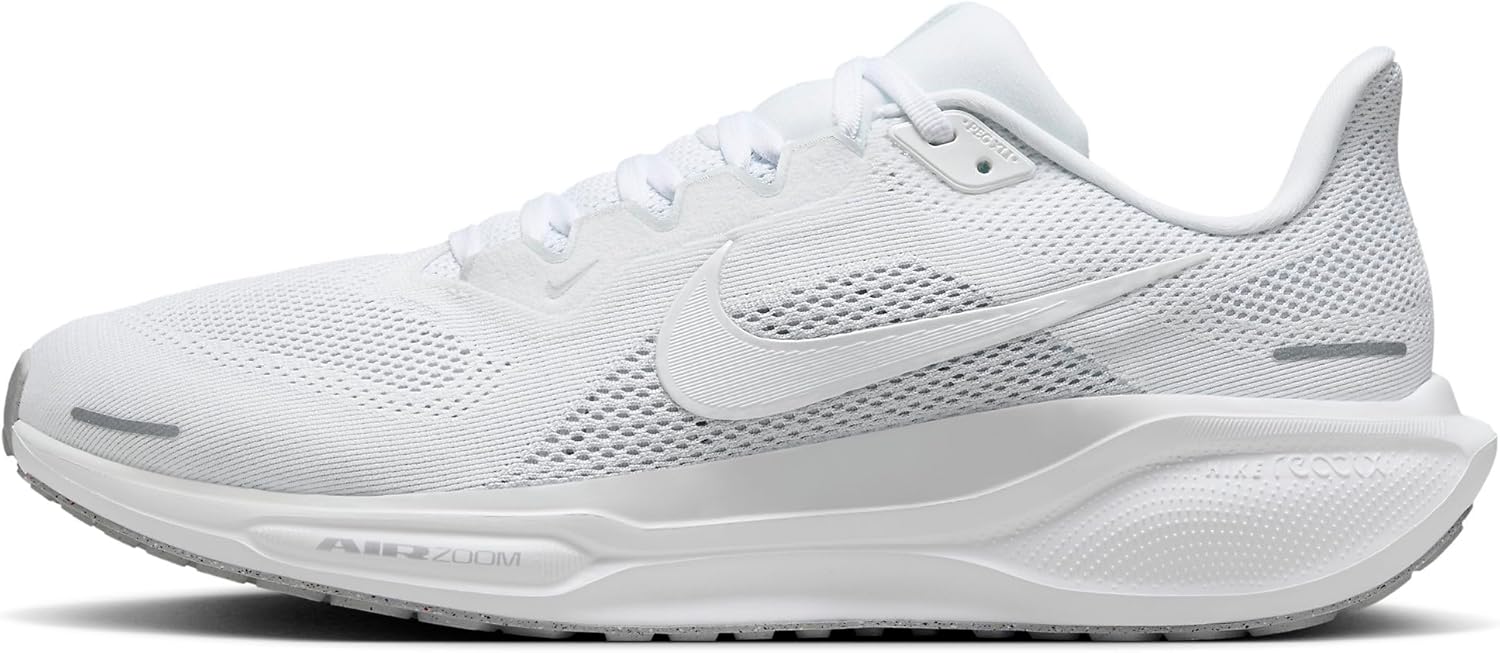
When Shoes Aren’t Enough — Dr. Tom’s Top 9 Orthotics
About 30% of patients I see for foot pain need MORE than a great shoe — they need a structured insole. Below: my complete 2026 orthotic ranking with pros, cons, and the specific patient I’d give each one to.




Frequently Asked Questions
When should I see a doctor?
See a podiatrist if pain persists past 2 weeks, prevents normal activity, or is accompanied by red-flag symptoms (warmth, swelling, numbness, inability to bear weight).
Can I treat this at home?
Mild cases respond to RICE protocol (rest, ice, compression, elevation), supportive shoes, and OTC anti-inflammatories. Persistent symptoms need professional evaluation.
How long does it take to heal?
Most soft tissue injuries resolve in 2-6 weeks with appropriate care. Bone injuries take 6-12 weeks. Chronic conditions need longer-term management.
APMA: Pain in the Arch of the Foot
Ready to Get Relief?
Book online 24/7 in Howell & Bloomfield Township, MI
4.9★ | 1,200+ Reviews | 3,000+ Surgeries
Or call: (810) 206-1402

Dr. Tom Biernacki, DPM is a board-certified foot & ankle surgeon (ABFAS & ABPM) at Balance Foot & Ankle Specialists in Southeast Michigan. With over a decade of clinical experience, he specializes in heel pain, bunions, diabetic foot care, sports injuries, and minimally invasive surgery. Dr. Biernacki is a member of the APMA and ACFAS, and his patient education content on MichiganFootDoctors.com and YouTube has made him one of the most-followed foot & ankle educators on YouTube.