
Medically reviewed by Dr. Tom Biernacki, DPM
Board-certified podiatric surgeon | Balance Foot & Ankle, Howell & Bloomfield Hills, MI
Last reviewed: May 2026

Quick answer: Runners Toe is a common foot/ankle topic that affects many patients. The 2026 evidence-based approach combines proper diagnosis, conservative-first treatment, and escalation only when needed. We treat this regularly at our Howell and Bloomfield Hills practices. Call (810) 206-1402.
The most important clinical decision with Runners Toe isn’t which treatment to start with — it’s identifying the correct subtype. That changes everything. Call (810) 206-1402.
Runners Toe (Black Toenail)
Quick Answer: Runners toe (subungual hematoma) is a black, blue, or purple toenail caused by repeated trauma — usually shoes that are too short or too narrow letting the toenail bang against the toe box during running or downhill walking. Blood pools under the nail. Small, painless hematomas heal on their own as the nail grows out (3-6 months). Painful or expanding hematomas may need drainage by a podiatrist. Prevention: shoes 0.5″ longer than your longest toe, lace-locking technique, properly trimmed toenails.
How to Tell Runners Toe from Melanoma
Runners toe: appears after a known trauma (long run, downhill hike, new shoes), affects 1-2 toes (usually 2nd toe — the longest), grows OUT with the nail, has a clear margin. Subungual melanoma: appears without trauma, single toe, irregular borders, a dark band that extends to the cuticle (Hutchinson’s sign), or pigmentation that spreads beyond the nail. ANY pigmented streak that doesn’t grow out warrants biopsy.
When to Drain a Black Toenail
If the hematoma is painful and covers >25% of the nail, drainage relieves pressure. A podiatrist uses a sterile cautery or needle to make a small hole in the nail, releasing trapped blood. Pain relief is immediate. Don’t try this at home — infection risk is high.
The Right Shoe Fit Prevents This
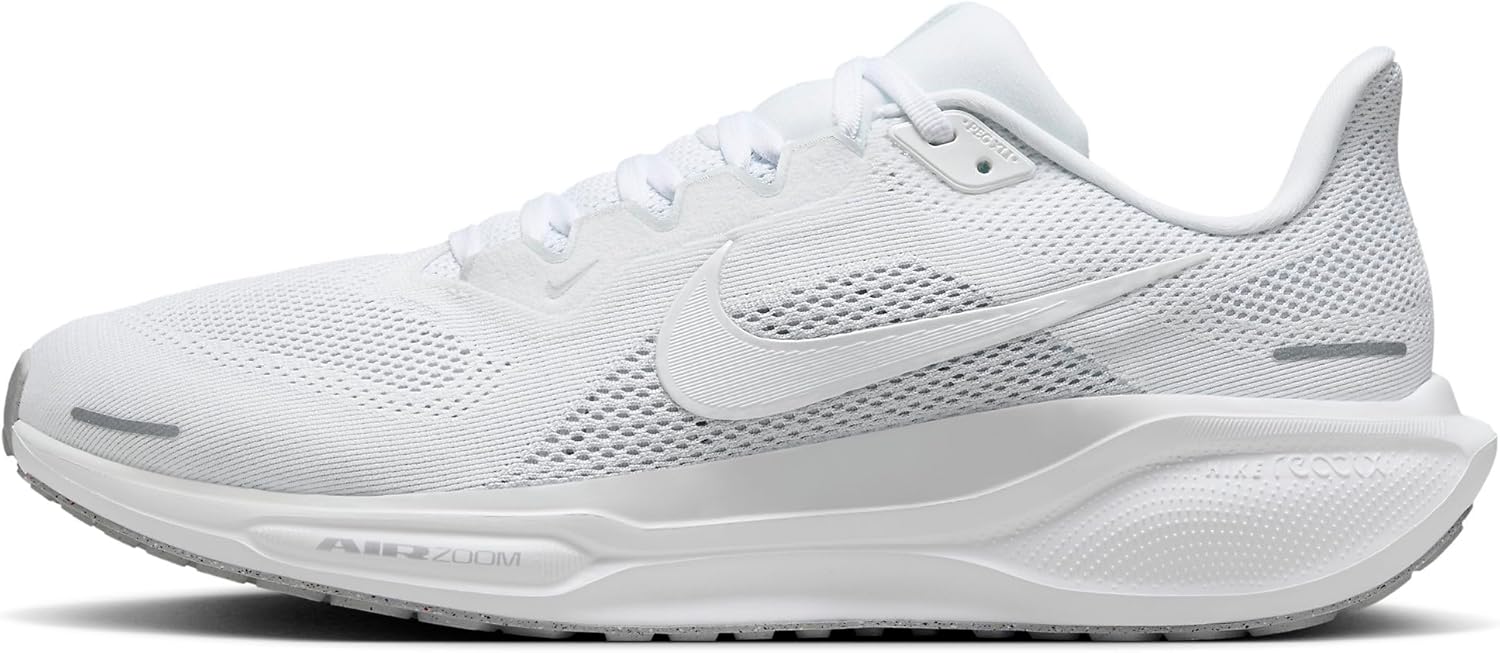
Stand in your running shoes with thumb-width space between the longest toe and the shoe end. Use the lace-lock technique (heel-lock lacing) to prevent foot from sliding forward in downhills. Trim toenails straight across, not curved (prevents ingrown nails too). Replace shoes every 300-500 miles.
When Shoes Aren’t Enough — Dr. Tom’s Top 9 Orthotics
About 30% of patients I see for foot pain need MORE than a great shoe — they need a structured insole. Below: my complete 2026 orthotic ranking with pros, cons, and the specific patient I’d give each one to.




When You Lose the Nail
A nail can detach (onycholysis) and eventually fall off after a hematoma. The new nail grows from the matrix and takes 6-12 months to fully replace. Keep the area clean, apply antibiotic ointment, cover with a bandage during running. The new nail may grow back thicker or distorted if the matrix was injured.
In-Office Treatment at Balance Foot & Ankle
If home treatment isn’t providing relief for your toenail condition, our podiatry team at Balance Foot & Ankle can help with same-day evaluations and advanced in-office care.
Frequently Asked Questions
Will a black toenail from running fall off?
Often yes, especially if the hematoma covers >50% of the nail. The new nail takes 6-12 months to fully grow back.
How long does runners toe take to heal?
The discoloration grows out as the nail grows (about 1mm per month). A toenail takes 6-12 months to fully replace.
Should I pop a blood blister under my toenail?
Don’t pop at home — infection risk. A podiatrist can drain it sterilely if it’s large and painful.
Frequently Asked Questions
When should I see a podiatrist?
If symptoms persist past 2 weeks, affect your normal activity, or are accompanied by red-flag symptoms (warmth, redness, swelling, inability to bear weight).
What does treatment cost?
Most diagnostic visits and conservative treatments are covered by Medicare and major insurers. Out-of-pocket costs vary by your specific plan.
How quickly can I get an appointment?
Most non-urgent cases see us within 5 business days. Urgent cases (sudden pain, possible fracture) typically same or next business day.
APMA: Runner’s Toe — Causes, Prevention, and Care
Ready to Get Relief?
Same-day appointments available in Howell & Bloomfield Hills, MI
4.9★ | 1,123 Reviews | 3,000+ Surgeries
Or call: (810) 206-1402

Dr. Tom Biernacki, DPM is a board-certified foot & ankle surgeon (ABFAS & ABPM) at Balance Foot & Ankle Specialists in Southeast Michigan. With over a decade of clinical experience, he specializes in heel pain, bunions, diabetic foot care, sports injuries, and minimally invasive surgery. Dr. Biernacki is a member of the APMA and ACFAS, and his patient education content on MichiganFootDoctors.com and YouTube has made him one of the most-followed foot & ankle educators on YouTube.