
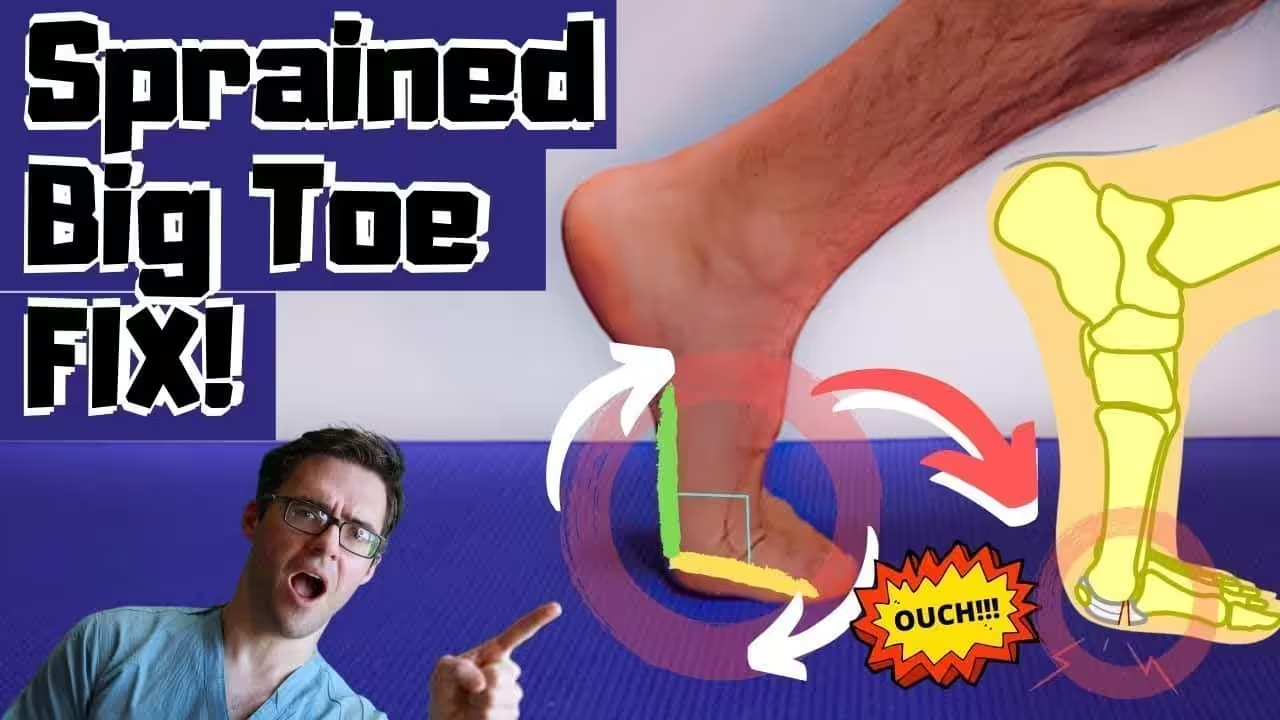
Sprained Big Toe Joint: Causes, Symptoms & Fast Relief Tips
A sprained big toe joint might seem minor at first, but it can lead to significant pain and mobility issues if left untreated. Whether it happened during sports, a misstep, or overuse, toe sprains often affect your ability to walk or stand comfortably. In this guide, we’ll explain what causes a sprained big toe joint, how to recognize it, and the fastest ways to treat and recover.
![BEST 25 Plantar Fasciitis HOME Treatments [Massage, Stretches, Shoes]](https://i.ytimg.com/vi/2aXlnFVmIY8/maxresdefault.jpg "Sprained Big Toe Joint: Treatment & Recovery Guide 2026 2")
Understanding Sharp Pain on the Top of Your Foot
The big toe joint, also known as the first metatarsophalangeal (MTP) joint, plays a critical role in balance and forward motion. A sprain occurs when the ligaments around this joint are overstretched or torn, often due to sudden trauma or repetitive stress. Left unmanaged, it can lead to stiffness, arthritis, or chronic joint instability. Understanding the symptoms and getting the right care can speed up recovery and prevent long-term complications.
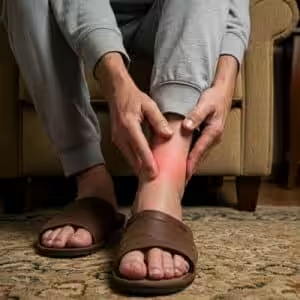
Don’t Let a Sprained Toe Hold You Back
If you’re dealing with toe pain, swelling, or trouble walking, a sprained big toe joint may be to blame. Our foot specialists can diagnose the severity and help you get back on your feet quickly—with proven treatment plans that work. Schedule your appointment today and take the first step toward healing. BOOK NOwSprained Big Toe Joint Treatment (Causes, Symptoms & Best Treatment)
Sprained Big Toe Joint Treatment: There are 3 stages of a sprained big toe joint. It can take 1-2 weeks or up to 3+ months in stage 3 to get better. Look:- Big toe joint pain can be improved with a few simple treatment changes.
- We are foot doctors & we see this problem get better almost every day.
- The goal is to solve this problem without medication or surgery if possible.
How to Tape a Sprained Big Toe & Wrap a Sprained Big Toe Treatment Video
![BEST Sprained Big Toe Joint Treatment [Turf Toe Treatment & Exercises]](https://i.ytimg.com/vi/7GcZkJuvdAI/maxresdefault.jpg "Sprained Big Toe Joint: Treatment & Recovery Guide 2026 4")
How To Treat a Sprained Toe Big Toe Video Summary
Do you have Sprained Big Toe Joint or Turf Toe Injury? Use the NEW Sprained Big Toe Joint Treatments & Turf Toe Treatments!- If you have a big toe joint sprain, toe sprain, or want turf toe explained, we’ve got you covered for your turf toe diagnosis & turf toe rehab!
How Do I Know If My Big Toe is Sprained?
- Spraining your big toe joint is a very common cause of big toe joint pain.
- These are the top 5 most common causes of big toe joint pain.
- Watch the video above for specific details to know if your big toe joint is sprained.
Symptoms:
- Pain in the entire big toe.
- Possible numbness, burning & tingling due to nerve irritation.
- Swelling & edema in the big toe joint.
- Swelling & edema in the big toe.
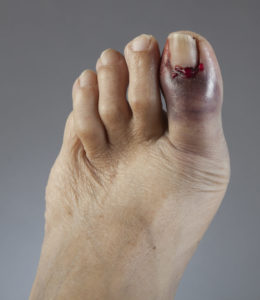
- Bruising at the bottom of the big toe a day or two later.
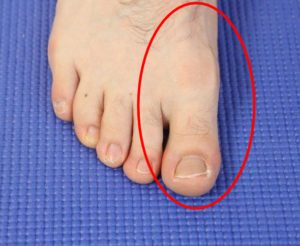
Causes:
- A sprained big toe usually happens when the big toe is forcibly bent backward.
- The big toe is usually firmly planted on the ground as your body weight goes over the big toe joint.
- It is prevalent in sports.
- This is the famous “turf toe” injury.
Sprained Big Toe Recovery Time:
There are three grades of sprained big toe injuries. The recovery time can vary based on what grade of sprain you have. Don’t worry. Most sprains are grade 1 injuries.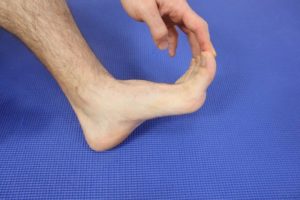
1) Grade 1 Sprain:
- The joint capsule & plantar anatomy are stretched.
- This is the vast majority of big toe sprains, no matter how painful they are initially.
- This results in a more mild amount of swelling & bruising.
- Perform initial treatment as detailed below.
2) Grade 2 Sprain:
- This is a partial tear of the plantar anatomy.
- This results in severe bruising & swelling.
- It is usually indistinguishable from a grade 1 sprain early on.
- This likely does not need any surgery or intervention.
- It is a good idea to head in for precautionary imaging at your podiatrist’s office.
- Perform initial treatment as detailed below.
3) Grade 3 Sprain:
- This is a complete tear of the plantar anatomy.
- This causes severe swelling & bruising.
- There is likely an inability to move the big toe joint.
- There is a possible deformity in the big toe joint.
- This will require a visit to the podiatrist for imaging and intervention.
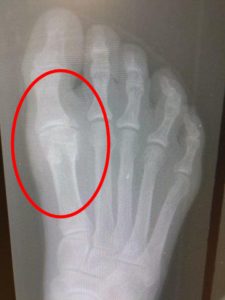
Is My Big Toe Broken Or Sprained?
- This is very difficult to say for sure.
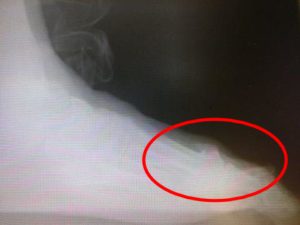
- The only way to know 100% is to head to your podiatrist’s office or the ER for X-ray imaging.
- There are many cases where a sprained big toe looks worse than a broken toe.
- There are other cases where very mild injuries can result in a broken toe.
![Stubbed Toe or Broken Toe? [Symptoms, Pain Relief & Treatment!]](https://i.ytimg.com/vi/3CVtsURcmBg/maxresdefault.jpg "Sprained Big Toe Joint: Treatment & Recovery Guide 2026 9")
- Crunching noise during the injury.
- Severe swelling & bruising.
- Complete inability to move the toe.
- Obvious deformity.
Sprained Big Toe Treatment:
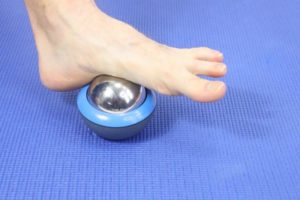
A) Ice The Big Toe:- Icing is most beneficial to the big toe sprain immediately after the injury.
- The ideal amount of icing is approximately 20 minutes, with a 1-hour break or more in between.
- This allows the arteries to vasodilate after the ice is removed to flush all the inflammatory cells out of the area.
- Ice is generally a better idea to use after the injury than heat.
- Elevating can help. It is not an essential part of the treatment.
- While watching TV, keep your feet up, and you will feel your big toe throbbing less.
- This is a good idea if you are having less pain on this site.
- This is a little bit less practical for the big toe compared to the rest of the foot.
- This can help keep your swelling down if you can tape the foot.
- Some of these are prescription creams. They are not the most beneficial thing for you in this type of injury.
- Capsaicin & Voltaren gel works great.
- Biofreeze or anything with menthol in it.
- These include Ibuprofen & Aspirin, but again you don’t want just to start taking a massive amount of these pills.
- Check with your podiatrist if you have any issues regarding this ahead of time.
- They initially don’t kick in initially, but as a few days go on, your pain and inflammation should definitely start decreasing.
- Taping can be performed to keep pressure off this site.
- This prevents the big toe from bending upward and injury the joint further.
- If the big toe is not bent up, it is not nearly aggravated as much.
- A great supportive running shoe can definitely keep pressure off the foot.
- Make sure the shoe is as supportive as possible.
- Make sure you can’t push the heel down with your thumb. Also, make sure you can’t collapse the front of the shoe.
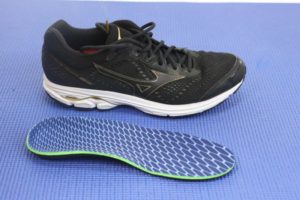
- A turf toe carbon fiber insole plate can usually be purchased for less than $40.
- This is used to put into the shoe. This keeps pressure off the bottom of the big toe.
- With lower grades of injury, you can basically start moving pretty quickly.
- This is probably the most important and beneficial part of treatment.
Non-Surgical Best Treatment:
- Big toe joint pain treatment consists of two phases, first is to control inflammation, next is to control bio-mechanics.
- Even if you get your big toe joint replaced, you want to protect and further trauma.
- The key is to prevent damage and reduce the pressure on your feet.
Big Toe Joint Immobilization:
- A turf toe plate is probably the best type of treatment.
- A good pair of shoes and a turf plate can be enough to prevent re-injury.
- It can sometimes be dangerous to do nothing as you will get stiff and potentially suffer a re-injury to the site.
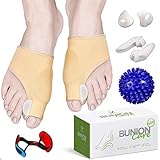
Best Big Toe Joint Stabilizing Products:
- These are great products for minor turf toe injuries.
- If you have a fracture or higher-level injury, see your podiatrist, stronger immobilization is likely needed!
📍 Located in Michigan?
Our board-certified podiatrists treat this condition at two convenient locations. Same-day appointments often available.



Sprained Big Toe Joint: Common Questions Answered
What is a sprained big toe joint? A sprain in the big toe joint means the ligaments have been overstretched or torn, usually due to sudden force or overuse. How do I know if I sprained my big toe? You may feel pain, swelling, bruising, and difficulty bending or walking on your toe. A “pop” at the time of injury can also indicate a sprain. What causes a big toe joint sprain? Common causes include sports injuries (especially turf toe), stubbed toes, jumping, and repetitive strain. How long does it take to heal a sprained big toe? Mild sprains may heal in 1–2 weeks, while moderate to severe sprains can take 4–6 weeks or longer with proper treatment. How is it different from turf toe? Turf toe is a type of big toe joint sprain caused by hyperextension—typically from pushing off on a hard surface like artificial turf. Should I go to the doctor for a sprained big toe? Yes, especially if pain persists or walking becomes difficult. A podiatrist can assess if it’s a sprain, fracture, or dislocation. Can I walk on a sprained big toe? It’s best to limit activity early on. Walking may worsen the injury if not properly supported or treated. How is a sprained toe treated? Treatment includes rest, ice, compression, elevation (RICE), taping, wearing stiff-soled shoes, or using orthotics. Severe cases may require physical therapy or a boot. Can a toe sprain lead to arthritis? Yes, untreated sprains can damage cartilage over time, increasing your risk of arthritis in the joint.Related Treatment Guides
Medical References & Sources
- American Podiatric Medical Association — Patient Education
- American Orthopaedic Foot & Ankle Society — Foot Conditions
📧 Get Dr. Tom’s Free Lab Test Guide
Discover the 5 lab tests every person over 35 should ask their doctor about — explained in plain English by a board-certified physician.

Dr. Tom Biernacki, DPM is a board-qualified podiatrist and foot & ankle surgeon serving Southeast Michigan at Balance Foot & Ankle Specialists. A Michigan native, Dr. Biernacki earned his undergraduate degree from Michigan State University and his Doctor of Podiatric Medicine (DPM) from Kent State University College of Podiatric Medicine. He completed a three-year comprehensive surgical residency in foot and ankle surgery in the Detroit metro area.
Dr. Biernacki specializes in the treatment of heel pain, bunions, hammertoes, diabetic foot care, sports injuries, flatfoot correction, and minimally invasive foot surgery. He is dedicated to providing evidence-based, patient-centered care that helps people of all ages stay active and pain-free.
He sees patients at multiple convenient Metro Detroit locations and is committed to community education through the MichiganFootDoctors.com resource library. Dr. Biernacki is a member of the American Podiatric Medical Association (APMA) and the Michigan Podiatric Medical Association (MPMA).