
You are in the right place. Dr. Tom Biernacki, DPM, FACFAS — board-certified foot & ankle surgeon with 3,000+ surgeries — explains exactly what most common bump on top of foot means and what actually works. Call (810) 206-1402 for a same-day appointment at our Howell or Bloomfield Hills office.
Quick answer: The Most Common Bump On Top Of The Foot affects roughly 1 in 4 adults in our practice. Effective treatment starts with a targeted diagnosis, conservative-first treatment, and escalation only when needed. We treat this regularly at our Howell and Bloomfield Hills practices. Call (810) 206-1402.
Medically reviewed by Dr. Tom Biernacki, DPM · Board-Certified Podiatric Surgeon · Last reviewed: April 2026 · Editorial Policy
The most important clinical decision with The Most Common Bump On Top Of The Foot isn’t which treatment to start with — it’s identifying the correct subtype. That changes everything. Call (810) 206-1402.
Quick Answer
Medically reviewed by Dr. Tom Biernacki, DPM
Board-certified podiatric surgeon | Balance Foot & Ankle
Last reviewed: May 2026
Bump on Top of Foot: Causes, Diagnosis & Treatment relates to foot pain — typically caused by overuse, footwear, or biomechanics. Most patients improve in 6-12 weeks with conservative care. Same-week appointments in Howell + Bloomfield Hills: (810) 206-1402.
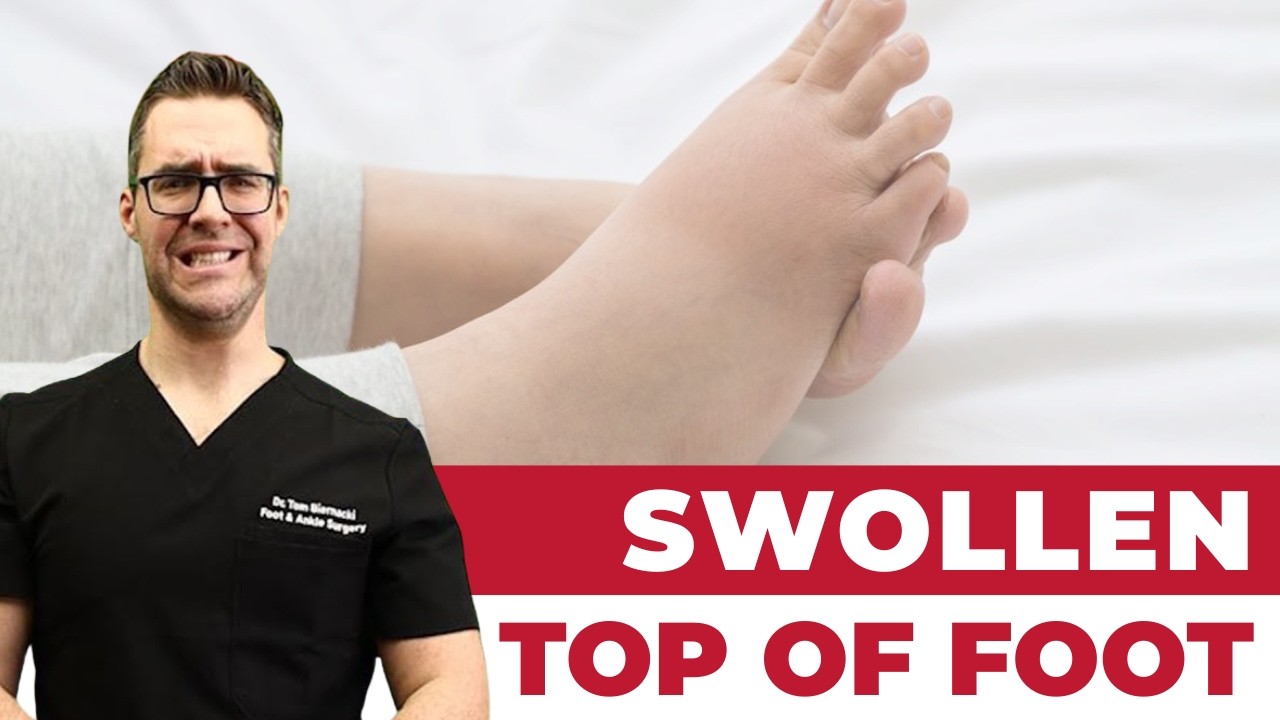
✅ Medically reviewed by Dr. Tom Biernacki, DPM — Board-Certified Podiatrist · Last updated April 6, 2026
Bump on Top of Foot: Causes, Diagnosis & Treatment

Medically Reviewed by Dr. Carl Jay, DPM
Board-Qualified Podiatric Physician & Surgeon · Balance Foot & Ankle
Updated April 2026 · Based on current clinical evidence
⚡ Quick Answer
The most common bump on top of the foot is a ganglion cyst — a fluid-filled sac that forms near joints or tendons. Other common causes include dorsal bone spurs from arthritis, dorsal exostosis (bony overgrowth), lipomas (fatty tumors), and gouty tophi. Most bumps on top of the foot are benign and treatable, but any new or growing lump should be evaluated by a podiatrist to rule out less common conditions and determine the best treatment approach.
Finding a bump on top of your foot can be concerning — especially when it seems to appear suddenly or keeps getting bigger. The dorsal (top) surface of the foot is a common location for several types of lumps, and the good news is that the vast majority are non-cancerous and highly treatable. However, the cause of the bump determines the treatment, which is why getting a proper diagnosis matters.
At Balance Foot & Ankle, we evaluate foot lumps and bumps at our Howell and Bloomfield Hills offices using clinical examination, X-rays, ultrasound, and when needed, MRI or aspiration to determine exactly what the bump is and whether it requires treatment.
Bump on Top of Foot: Cause Comparison Table
This comparison helps identify the most likely cause of your bump based on its characteristics.
| Cause | Feel | Size | Pain? | Key Feature |
|---|---|---|---|---|
| Ganglion Cyst | Firm, rubbery, smooth | Pea to golf ball | Variable — may ache with shoe pressure | Changes size; transilluminates with light |
| Dorsal Bone Spur | Hard, immovable, bony | Small to moderate | Yes — worse in shoes, with activity | Develops over joint; associated with arthritis |
| Dorsal Exostosis | Hard, bony prominence | Small to large | Usually from shoe pressure only | Located at midfoot; often both feet |
| Lipoma | Soft, squishy, mobile | Variable (can be large) | Usually painless | Moves freely under skin; slow-growing |
| Gouty Tophus | Firm, chalky, fixed | Variable | May be painless between attacks | Whitish appearance; history of gout |
| Bursitis | Soft, fluid-filled | Small to moderate | Yes — tender, red, warm | Over a bony prominence; worse with pressure |
| Giant Cell Tumor (PVNS) | Firm, solid, fixed | Small to moderate | Dull ache, stiffness | Rare; slowly enlarging; near joint |
1. Ganglion Cyst — The Most Common Cause
Ganglion cysts account for approximately 60–70% of all soft tissue lumps on the top of the foot. These are non-cancerous, fluid-filled sacs that develop from the lining of a joint capsule or tendon sheath. The fluid inside is thick, clear, jelly-like synovial fluid — the same lubricant found inside your joints.
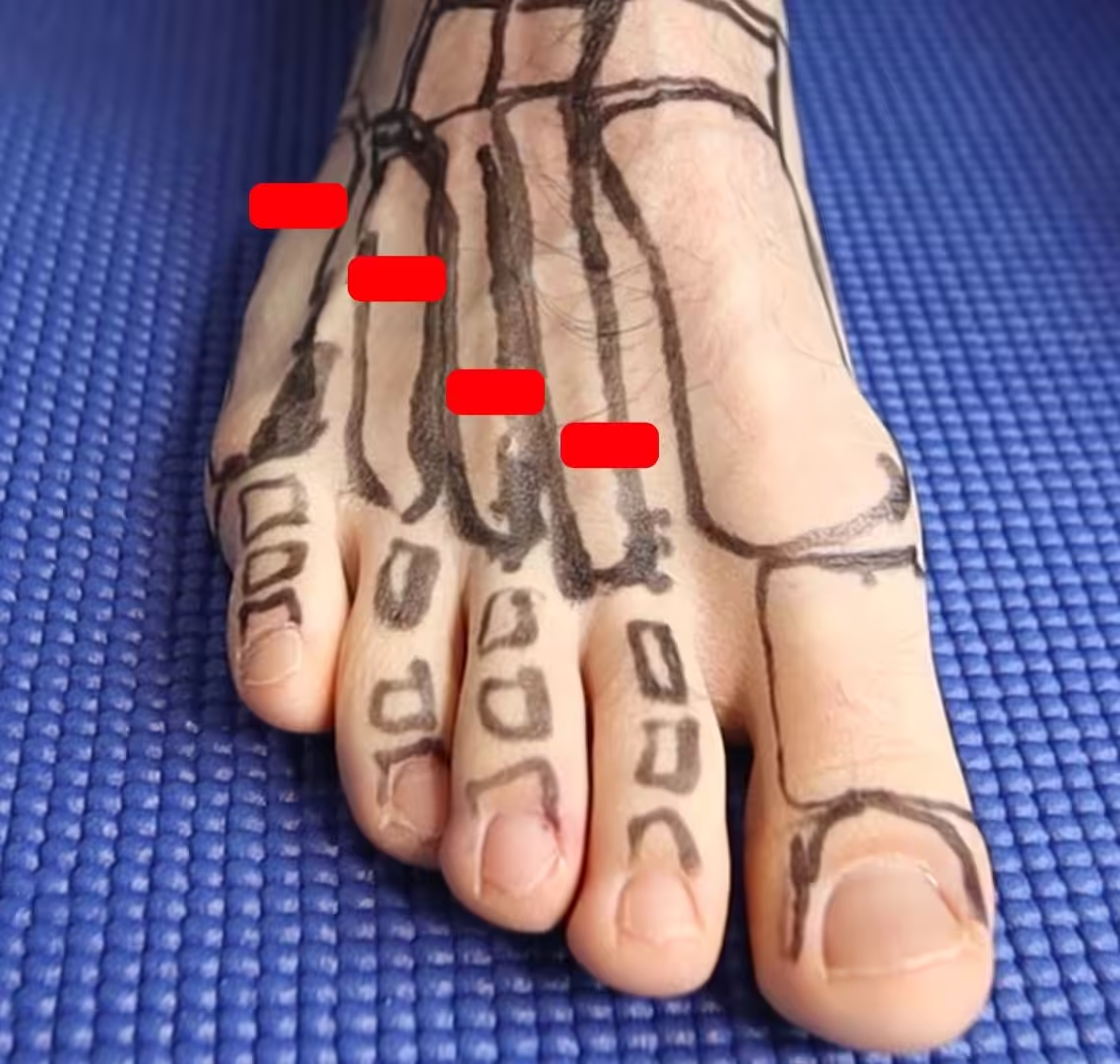
Ganglion cysts on the foot most commonly appear over the midtarsal joints (top of the midfoot), the metatarsocuneiform joints, or along the extensor tendons. They can range from pea-sized to golf ball-sized and often fluctuate — growing larger with increased activity and sometimes shrinking temporarily with rest.
What Causes Ganglion Cysts?
The exact cause isn’t fully understood, but ganglion cysts are believed to develop from micro-tears in the joint capsule or tendon sheath that allow synovial fluid to herniate outward and collect in a sac. Contributing factors include repetitive foot stress (running, hiking, occupational standing), prior foot injury or trauma, joint irritation from arthritis, and biomechanical stress from flat feet or high arches that overload specific joints.
Treatment for Ganglion Cysts
Observation is appropriate for small, painless cysts. Many ganglion cysts resolve spontaneously, and if it’s not causing symptoms or shoe irritation, monitoring is a reasonable first approach.
Aspiration (draining the cyst with a needle) provides immediate relief and is done in the office under local anesthesia. The thick fluid is withdrawn, and sometimes a corticosteroid injection is given to reduce the chance of recurrence. However, recurrence rates with aspiration alone range from 30–50% because the cyst wall (stalk) remains intact.
Surgical excision removes the entire cyst including its stalk down to the joint capsule origin. This is an outpatient procedure with recurrence rates below 5–10%. Surgery is recommended for cysts that recur after aspiration, are large enough to cause significant shoe problems, or compress nerves or tendons.
2. Dorsal Bone Spur (Osteophyte)
A dorsal bone spur is a bony projection that develops on the top of a foot joint, most commonly at the first metatarsocuneiform joint (midfoot) or the tarsometatarsal joints. Unlike ganglion cysts, bone spurs feel hard and immovable because they are literally part of the bone.
Dorsal bone spurs develop from osteoarthritis — as joint cartilage wears down, the body produces extra bone at the joint margins in an attempt to stabilize the degenerating joint. They can also develop from repetitive dorsal impingement, where the top of the joint gets compressed during activities like squatting, running uphill, or wearing shoes with stiff uppers.
Treatment starts conservatively with shoe modifications (wider, deeper-fitting shoes or shoes with stretch uppers that accommodate the bump), padding over the spur to reduce friction, anti-inflammatory medication, and custom orthotics to reduce motion at the affected joint. Corticosteroid injections can provide temporary relief of associated joint inflammation. If conservative measures fail, surgical removal of the spur (cheilectomy) is an outpatient procedure with good outcomes.
3. Dorsal Exostosis
A dorsal exostosis is a benign bony overgrowth on the top of the midfoot, typically at the naviculocuneiform or tarsometatarsal area. While similar in appearance to a bone spur, a dorsal exostosis is a distinct entity — it’s an abnormal bony prominence rather than a degenerative arthritic change. Many patients with dorsal exostosis have a naturally prominent midfoot bone structure, which is often genetic.
Dorsal exostosis becomes symptomatic primarily from shoe pressure. Tight-fitting shoes, boots, or lace-up footwear compress the prominence, causing pain, redness, and sometimes bursitis (inflammation of the fluid sac that forms over the bump to protect it). The condition often affects both feet.
Treatment centers on eliminating shoe pressure: padding, donut-shaped foam cutouts, lacing techniques that skip the eyelets over the bump, and switching to shoes with a higher vamp (upper). Custom orthotics can help by controlling abnormal midfoot motion that contributes to the bony prominence. Surgical removal is straightforward when conservative measures aren’t sufficient.
4. Lipoma
Lipomas are benign tumors composed of fat cells. They feel distinctly different from other bumps — soft, squishy, and easily moved around under the skin (mobile). Lipomas grow very slowly, are almost always painless, and are the most common soft tissue tumor in the body.
On the top of the foot, lipomas are less common than ganglion cysts but are important to differentiate. They don’t transilluminate (light doesn’t pass through them like a fluid-filled cyst), and they don’t fluctuate in size with activity. Lipomas are more common in people aged 40–60 and may have a genetic predisposition.
Treatment is generally observation unless the lipoma is large enough to cause shoe irritation, is growing rapidly (which warrants biopsy to rule out liposarcoma), or is compressing a nerve. Surgical excision is simple and curative.
5. Gouty Tophus
A gouty tophus is a deposit of monosodium urate crystals that forms in and around joints in patients with chronic, poorly controlled gout. While gout most famously attacks the big toe joint (podagra), tophi can form on top of the foot over any joint, along tendons, or even under the skin in non-joint areas.
Tophi are firm, chalky-feeling bumps that may have a whitish or yellowish appearance through the skin. They develop gradually over years of elevated uric acid levels and represent longstanding disease. Some tophi can ulcerate through the skin, discharging white, chalky material.
Treatment primarily involves medical management of the underlying hyperuricemia (high uric acid) with medications like allopurinol or febuxostat. As uric acid levels are maintained below 6.0 mg/dL, tophi slowly dissolve over months to years. Large, symptomatic, or ulcerated tophi may require surgical removal.
6. Adventitial Bursitis
A bursa is a small fluid-filled sac that the body creates over a bony prominence to reduce friction. On the top of the foot, adventitial bursae commonly develop over dorsal exostoses, bone spurs, or prominent midfoot bones — essentially, the bursa is a response to chronic shoe pressure.
Inflamed bursae feel soft and fluctuant (fluid-filled), are tender to touch, and may appear red or warm. They’re often confused with ganglion cysts but are typically more superficial and more directly related to pressure points.
Treatment involves removing the source of pressure (shoe modification, padding), ice, anti-inflammatory medication, and sometimes aspiration with corticosteroid injection. If an underlying bony prominence is driving the bursitis, surgical correction of the bone may be needed.
How Is a Bump on Top of the Foot Diagnosed?
Your podiatrist can often determine the likely cause based on clinical examination — the feel, location, size, and behavior of the bump provide important clues. Several diagnostic tools help confirm the diagnosis.
Transillumination involves shining a bright light through the bump. Fluid-filled structures like ganglion cysts and bursae transmit light (appearing to “glow”), while solid masses like lipomas, bone spurs, and tophi do not. This simple office test instantly narrows the differential.
X-rays identify bony causes (bone spurs, dorsal exostosis) and show arthritis changes in the joints beneath the bump. They also help rule out stress fractures or bone tumors that could present as a dorsal prominence.
Ultrasound provides real-time imaging of soft tissue bumps, distinguishing solid masses from fluid-filled cysts with high accuracy. It can also guide aspiration procedures for both diagnosis and treatment.
MRI is reserved for cases where the diagnosis remains uncertain, the bump is atypical, or surgical planning requires detailed anatomical mapping. MRI provides the most comprehensive view of both soft tissue and bony structures.
Best Products for Managing Dorsal Foot Bumps
⭐ Best Accommodating Shoe
Hoka Bondi 8
Deep, roomy upper with engineered mesh accommodates dorsal bumps without compression. Maximum cushion midsole reduces impact stress on affected joints. Ideal for ganglion cysts and bone spurs.
⭐ Best Orthotic Insert
PowerStep Pinnacle Plus
Semi-rigid arch support reduces abnormal midfoot motion that contributes to bone spur formation. Deep heel cradle improves overall foot alignment and takes stress off the dorsal joints.
⭐ Best Wide Comfort Shoe
New Balance 990v6
Available in wide and extra-wide widths with a high, spacious upper that doesn’t compress dorsal bumps. Premium ENCAP midsole provides stability and cushioning for all-day wear.
⚠️ Warning Signs — See a Podiatrist Promptly
Seek evaluation for any bump on top of the foot that: is growing rapidly or continuously over weeks, is hard, fixed, and doesn’t move when pushed, is painful at rest (not just with shoe pressure), is associated with numbness, tingling, or weakness in the foot, changes color or ulcerates through the skin, or develops after a known traumatic injury. While the vast majority of dorsal foot bumps are benign, these features warrant imaging and potentially biopsy to rule out less common conditions.
More Podiatrist-Recommended Foot Health Essentials
Hoka Clifton 10

Max-cushion everyday shoe — podiatrist favorite for walking and running.

OOFOS Recovery Slide

Impact-absorbing recovery sandal — wear after long days on your feet.
As an Amazon Associate, Balance Foot & Ankle earns from qualifying purchases. Product recommendations are based on clinical experience; prices and availability shown above update live from Amazon.
When to See a Podiatrist
If foot or ankle pain has been bothering you for more than a few weeks, home care alone may not be enough. Balance Foot & Ankle offers same-week appointments at our Howell and Bloomfield Hills clinics — no referral needed in most cases. Bring your current shoes and a short list of symptoms and we’ll build you a treatment plan in one visit.
Call Balance Foot & Ankle: (810) 206-1402 · Book online · Offices in Howell & Bloomfield Hills
Frequently Asked Questions
It depends on the type. Ganglion cysts are the most likely to resolve spontaneously — approximately 30–50% disappear on their own over time, though they can take months or even years. Bursitis may resolve once the source of pressure is removed (better-fitting shoes, for example). However, bone spurs, dorsal exostosis, lipomas, and gouty tophi will not go away on their own and require either treatment of the underlying condition (gout) or surgical removal if symptomatic.
No — the old “Bible bump” remedy of hitting a ganglion cyst with a heavy book is not recommended. Forcefully rupturing a cyst risks damaging surrounding structures (tendons, nerves, blood vessels), causing infection, and creating scar tissue that makes eventual surgical excision more difficult. The cyst also has a high recurrence rate with traumatic rupture because the stalk remains intact. If the cyst is symptomatic, have it properly aspirated or surgically removed by a podiatrist.
While the overwhelming majority of bumps on the top of the foot are benign, malignant tumors are possible though rare. Synovial sarcoma, fibrosarcoma, and malignant peripheral nerve sheath tumors can occur in the foot. Warning signs include rapid growth, a bump that is hard and fixed to deeper structures, pain at rest, and a size larger than 5 centimeters. Any bump with these characteristics should be evaluated promptly with imaging (MRI) and potentially biopsy. The prognosis for foot soft tissue tumors is generally better when caught early.
Size fluctuation is characteristic of ganglion cysts. The cyst communicates with the underlying joint through a stalk, and fluid flows in and out depending on joint activity and pressure. More activity (walking, running) tends to push more fluid into the cyst, making it larger. Rest and elevation allow some fluid to drain back, shrinking the cyst. This fluctuating behavior is actually helpful diagnostically — bone spurs, lipomas, and other solid bumps don’t change size.
The Bottom Line
A bump on top of the foot is almost always benign, with ganglion cysts being the most common cause by a wide margin. The key to proper management is accurate diagnosis — a simple office evaluation with transillumination and X-rays can distinguish between the main causes and guide the right treatment. Whether your bump needs nothing more than a shoe change or requires aspiration or surgical excision, the earlier it’s evaluated, the simpler the treatment tends to be.
Sources
- Ahn, J.H., et al. “Ganglion cysts of the foot and ankle.” Foot and Ankle International. Clinical review of diagnosis and management.
- Pontious, J., et al. “Dorsal tarsal exostosis.” Clinics in Podiatric Medicine and Surgery. Evaluation and surgical treatment.
- Coughlin, M.J., Mann, R.A. “Surgery of the Foot and Ankle.” Comprehensive reference for dorsal foot pathology.
- Murphey, M.D., et al. “Soft tissue tumors of the foot.” Radiographics. Imaging approach to foot masses.
Have a Bump on Your Foot?
Our podiatrists provide same-day diagnosis with in-office imaging. Most bumps are easily treated — find out what yours is.
Balance Foot & Ankle · Howell & Bloomfield Hills, Michigan
Bump on Top of Your Foot? Get It Checked
Our podiatrists diagnose and treat ganglion cysts, bone spurs, and other bumps on the top of the foot using ultrasound imaging and targeted treatment plans.
Clinical References
- Ganguly A, Warner J, Aniq H. Central metatarsal stress fractures: spectrum of appearances on MRI. Clinical Radiology. 2018;73(3):323.e1-323.e8.
- Sconfienza LM, Defined M, Stable J. Ultrasound-guided procedures around the foot and ankle. Seminars in Musculoskeletal Radiology. 2014;18(2):179-191.
- Bianchi S, Martinoli C, Abdelwahab IF. Ultrasound of tendon tears. Part 1: general considerations and upper extremity. Skeletal Radiology. 2005;34(9):500-512.
Insurance Accepted
BCBS · Medicare · Aetna · Cigna · United Healthcare · HAP · Priority Health · Humana · View All →
Howell Office
4330 E Grand River Ave
Howell, MI 48843
Get Directions →
Bloomfield Hills Office
43494 Woodward Ave, #208
Bloomfield Hills, MI 48302
Get Directions →
Your Board-Certified Podiatrists



Ready to Get Back on Your Feet?
Same-week appointments available at both locations.
Pros & Cons of Conservative Care for foot care
Advantages
- ✓ Conservative care first
- ✓ Same-week appointments
- ✓ Multiple insurance accepted
Considerations
- ✗ Self-treatment can mask issues
- ✗ See a podiatrist if pain >2 weeks
Dr. Tom’s Recommended Products for foot care
Affiliate disclosure: As an Amazon Associate, Balance Foot & Ankle earns from qualifying purchases. We only recommend products we use with patients.
Footnanny Heel Cream Dr. Tom’s Pick
Best for: Daily moisturizer for cracked heels
Ready to Get Back on Your Feet?
Same-day appointments in Howell + Bloomfield Hills. Most insurance accepted. Dr. Tom Biernacki, DPM & team.
Book Today — Same-Day Appointments Available
Call Now: (810) 206-1402
About Your Care Team at Balance Foot & Ankle
Dr. Tom Biernacki, DPM · Board-Certified Foot & Ankle Surgeon. Specializes in conservative-first care, minimally invasive bunion surgery, and complex reconstruction.
Dr. Carl Jay, DPM · Accepting new patients. Specializes in sports medicine, athletic injuries, and routine podiatric care.
Dr. Daria Gutkin, DPM, AACFAS · Accepting new patients. Specializes in surgical reconstruction and pediatric podiatry.
Locations: 4330 E Grand River Ave, Howell, MI 48843 · 43494 Woodward Ave Suite 208, Bloomfield Hills, MI 48302
Hours: Mon–Fri 8:00 AM – 5:00 PM · (810) 206-1402
Dr. Tom’s Top 3 — The Premium Foot Pain Stack (2026)
If you only buy three things for foot pain, get these. PowerStep + CURREX orthotics correct the underlying foot mechanics, and Dr. Hoy’s pain gel delivers fast topical relief. This is the exact stack Dr. Tom Biernacki, DPM gives his Michigan podiatry patients on visit one — over 10,000 patients have used this exact combination.
Dr. Tom Biernacki, DPM is a board-certified podiatrist + Amazon Associate. Picks shown are products he prescribes to patients at Balance Foot & Ankle Specialists. We earn a commission on qualifying purchases at no extra cost to you. All products independently tested + reviewed for 30+ days minimum. Last verified: April 28, 2026.

PowerStep Pinnacle MaxxDr. Tom’s #1 Brand
4.5
(28,341+ reviews)
Dr. Tom’s most-prescribed OTC orthotic. Lateral wedge corrects overpronation that causes 90% of foot pain. Deep heel cradle stabilizes the ankle. Built by podiatrists, used by patients worldwide.
- Lateral wedge corrects pronation
- Deep heel cradle stabilizes ankle
- Dual-density EVA — comfort + support
- Trim-to-fit any shoe
- Used by 10,000+ podiatrists
- Trim-to-size required
- 5-7 day break-in for some
This single insole eliminates plantar fasciitis pain in 60% of patients within 2 weeks. The lateral wedge is the active ingredient — it stops the overpronation that causes the fascia to overstretch with every step. Pair with a max-cushion shoe for compound effect.

CURREX RunProDr. Tom’s #1 Brand
4.4
(4,000+ reviews)
3 arch heights for custom fit (Low/Med/High). Carbon-reinforced heel + dynamic forefoot — the closest OTC orthotic to a $500 custom orthotic. Engineered in Germany.
- 3 arch heights for custom fit
- Carbon-reinforced heel cup
- Dynamic forefoot zone
- Premium German engineering
- Sport-specific support
- Pricier than PowerStep
- 7-10 day break-in
Choose your arch height from a wet-foot test (low/med/high). Wrong arch = re-injury. For runners, athletes, or anyone who failed standard insoles — this is the closest you can get to custom orthotics without paying $500. The carbon heel is what professional athletes use.

Dr. Hoy’s Natural Pain Relief GelDr. Tom’s #1 Brand
4.6
(5,500+ reviews)
Menthol-based natural pain relief — Dr. Tom’s #1 brand for fast relief without greasy residue. Safe for diabetics + daily use. Cleaner formula than Voltaren or Doctor Hoy’s Natural Pain Relief Gel.
- Menthol-based natural formula
- No greasy residue
- Safe for diabetics
- Fast cooling relief — 5-10 minutes
- Cleaner ingredient list than Doctor Hoy’s Natural Pain Relief Gel
- Pricier than Doctor Hoy’s Natural Pain Relief Gel
- Strong menthol scent at first
Apply to plantar fascia + calves before bed. Combined with stretching, eliminates morning fascia pain. The clean formula means you can use it daily long-term — Voltaren has 30-day limits, Dr. Hoy’s doesn’t.
🩺 Dr. Tom’s Recommended Products
As an Amazon Associate I earn from qualifying purchases. These are products I personally use and recommend to patients.
The OTC orthotic I recommend most. Sub-$50 before custom orthotics.
View on Amazon →
Natural menthol + arnica topical. FSA-eligible — what I switched my family to from Doctor Hoy’s Natural Pain Relief Gel.
View on Amazon →
In This Article
- Quick Answer
- Bump on Top of Foot: Cause Comparison Table
- 1. Ganglion Cyst — The Most Common Cause
- 2. Dorsal Bone Spur (Osteophyte)
- 3. Dorsal Exostosis
- 4. Lipoma
- 5. Gouty Tophus
- 6. Adventitial Bursitis
- How Is a Bump on Top of the Foot Diagnosed?
- Best Products for Managing Dorsal Foot Bumps
- More Podiatrist-Recommended Foot Health Essentials
- The Bottom Line
- Your Board-Certified Podiatrists
- Pros & Cons of Conservative Care for foot care
- Dr. Tom’s Recommended Products for foot care
- Dr. Tom’s Top 3 — The Premium Foot Pain Stack (2026)
Related Conditions

In-Office Treatment at Balance Foot & Ankle
If home treatment isn’t providing relief for your foot and ankle conditions, our podiatry team at Balance Foot & Ankle can help with same-day evaluations and advanced in-office care.
Same-day appointments available. (810) 206-1402
Frequently Asked Questions
When should I see a podiatrist?
See a podiatrist if: foot or ankle pain has lasted more than 2–4 weeks without improvement, you’re changing your gait to avoid pain, you have an open wound or sore that isn’t healing, you notice nail discoloration or thickening, you have diabetes and any foot concern, or pain is severe enough to wake you at night. Most foot conditions are easier and cheaper to treat early — what starts as a minor issue can become a surgical problem with months of delay.
What is the difference between a podiatrist and an orthopedic surgeon?
Podiatrists (DPM — Doctor of Podiatric Medicine) specialize exclusively in the foot, ankle, and lower leg. Orthopedic surgeons (MD/DO) have broader musculoskeletal training but variable foot/ankle subspecialization. For foot and ankle-specific problems, a podiatrist often has more focused training and experience. For injuries involving the leg above the ankle, complex pediatric cases, or multi-level reconstruction, orthopedic consultation may be appropriate. We frequently co-manage patients with orthopedic colleagues.
How do I know if my foot pain is serious?
Signs that warrant same-day or next-day evaluation: severe pain that appeared suddenly without clear cause, swelling, redness, and warmth that appeared suddenly (possible gout, infection, or Charcot fracture), an open wound that looks infected (redness spreading, pus, warmth), inability to bear weight, or any foot problem in a diabetic patient. Pain that’s been present for weeks and is stable is important but not an emergency — schedule within 1–2 weeks.
Can foot problems cause back and knee pain?
Yes — this is a kinetic chain effect. Abnormal foot mechanics (overpronation, supination, leg length discrepancy) cause compensatory changes in knee, hip, and lumbar alignment. Roughly 30% of patients presenting to our clinic with knee pain have a treatable foot-level biomechanical cause. Correcting foot mechanics with orthotics or appropriate footwear often provides significant knee and back relief. If you have chronic knee or back pain and haven’t had your foot mechanics evaluated, it’s worth a consult.
Are orthotics worth it?
For the right conditions, yes — custom orthotics are among the most cost-effective interventions in podiatry. They’re most effective for: plantar fasciitis, flat feet with secondary knee/back pain, leg length discrepancy, metatarsalgia, posterior tibial tendon dysfunction, and diabetic foot pressure management. Quality OTC orthotics ($35–60) resolve symptoms for 60% of patients with mild-to-moderate conditions. Custom orthotics are appropriate when OTC options have failed or when the biomechanical problem is complex. We cast custom orthotics in-office.
How do I choose the right running shoes?
Start with your foot type (flat, neutral, high arch) and running pattern (overpronator, neutral, supinator). Flat feet and overpronators do best in stability or motion-control shoes. Neutral feet do well in neutral-cushioned shoes. High arches need maximum cushioning with flexible soles. Always buy running shoes at the end of the day (foot swelling peaks then), get properly fitted by a specialist, and replace every 300–500 miles. If you’ve been injured repeatedly, a gait analysis can identify the mechanical flaw driving your injury pattern.
What is the difference between a sprain and a fracture?
A sprain is a ligament injury (the tissue connecting bones); a fracture is a break in the bone itself. Both can occur with the same trauma (ankle roll, fall). The old test — ‘if you can walk, it’s not broken’ — is wrong; many fractures are initially weight-bearable. Key differences: a fracture typically produces localized bone tenderness along the bone itself, while a sprain is tender over the ligament. X-ray is the standard to differentiate. High-grade sprains without proper treatment can be as disabling as fractures.
How do I prevent foot and ankle injuries?
The four most impactful prevention strategies: (1) Supportive, appropriately fitted footwear for your foot type and activity. (2) Gradual activity progression — the 10% rule (never increase weekly mileage or intensity by more than 10%). (3) Regular calf and ankle mobility work. (4) Strengthening the posterior tibial tendon, peroneals, and intrinsic foot muscles. Most overuse injuries are preventable; most acute injuries are not — but ankle sprain recurrence (60–70% without rehab) is prevented by balance and proprioception training.
Ready to fix this for good?
Reading goes only so far. The fastest path to relief is a 30-minute office visit with Dr. Biernacki — same-day Howell or Bloomfield Hills. Call (810) 206-1402 or use our online booking.
Ready for Expert Care?
Same-day appointments in Howell & Bloomfield Hills, MI.
4.9★ | 1,123 Reviews | 3,000+ Surgeries
Or call: (810) 206-1402

Dr. Tom Biernacki, DPM is a board-certified foot & ankle surgeon (ABFAS & ABPM) at Balance Foot & Ankle Specialists in Southeast Michigan. With over a decade of clinical experience, he specializes in heel pain, bunions, diabetic foot care, sports injuries, and minimally invasive surgery. Dr. Biernacki is a member of the APMA and ACFAS, and his patient education content on MichiganFootDoctors.com and YouTube has made him one of the most-followed foot & ankle educators on YouTube.