
Trail vs Road Running Shoes: What Happens When You Use the Wrong One
Trail running has surged in popularity, and with it comes a common question: can you use road shoes on trails, or trail shoes on roads? The answer lies in understanding what each shoe type is engineered to do — and the foot health consequences of using the wrong type on the wrong surface.
Road Running Shoes: Designed for Predictable Surfaces
Road shoes are built for consistent, hard, flat surfaces — asphalt and concrete. Their design priorities are cushioning (to absorb repetitive impact from hard surfaces), lightweight construction, and smooth or lightly textured outsoles for efficient forward propulsion on flat ground.
Key design features: Smooth or minimally textured rubber outsole, higher stack heights for cushioning, flexible forefoot for smooth heel-to-toe transition, lightweight mesh uppers, minimal lateral reinforcement.
What road shoes lack for trails: No rock plate (no protection from sharp rocks underfoot), minimal lateral stability (ankle rolls on uneven surfaces), insufficient grip on loose gravel/mud/roots, and uppers that don’t protect against debris.
Trail Running Shoes: Engineered for Chaos
Trail shoes must manage unpredictable terrain — rocks, roots, mud, steep grades, lateral forces from stepping on uneven surfaces. Their design priorities are grip, protection, and lateral stability.
Key design features: Aggressive multi-directional lugs (4–8mm deep) for traction on soft/wet surfaces, rock plate (rigid insert in midsole that deflects sharp objects), reinforced toe caps and overlays, stiffer lateral heel counter for ankle stability, lower stack height for ground feel and proprioception.
What trail shoes lack for roads: Aggressive lugs create pressure points on hard flat surfaces (like walking on cleats), less cushioning for pavement impact, heavier due to protective elements, less smooth forward propulsion.
The Rock Plate: Why It Matters
The rock plate is a thin rigid insert (nylon, TPU, or carbon fiber) sandwiched in the midsole of trail shoes. Its function: deflect sharp rocks and roots that would otherwise create focused pressure points on the forefoot. Without a rock plate, stepping on a sharp rock focuses all impact force on a 1 cm² area of your metatarsals — causing acute bruising or chronic metatarsalgia in road shoe trail runners.
For patients with existing metatarsalgia or Morton’s neuroma, trail running without a rock plate is particularly risky.
Ankle Stability: The Critical Difference
Trail surfaces create constant lateral challenges — uneven rocks, camber, roots. Road shoes have minimal lateral heel counter rigidity. The consequence: lateral ankle sprains are dramatically more common in road shoes on trails. For patients with a history of ankle sprains or chronic ankle instability, trail shoes on uneven surfaces are essentially mandatory.
Top Trail Running Shoes

- FAST AND NIMBLE ON RUGGED TRAILS - The Topo Athletic Terraventure 4 trail shoe is engineered to tackle rocky, technical trails with ease. This trail running shoe perfectly balances a fast, nimble ride with rugged protection, ensuring that nothing stands in your way
- MODERATE CUSHIONING WITH MAXIMUM PROTECTION - Retaining the highly-praised moderately cushioned platform, the Terraventure 4 trail runner provides the perfect blend of comfort and protection. The flexible ESS rock plate shields your feet from sharp rocks and roots
- UNMATCHED GRIP - Experience unparalleled traction and durability with the Vibram Megagrip outsole. Whether you're navigating wet, muddy paths or dry, rocky terrain, the Terraventure 4 athletic shoe’s outsole delivers the grip and stability you need to stay on course
- ROOMY TOE BOX FOR NATURAL COMFORT - The Terraventure 4 hiking shoe features an anatomical toe box that allows your toes to spread naturally and comfortably. This roomy design promotes better foot function and reduces the risk of blisters and discomfort
- GAITER COMPATIBILITY - Enhance your trail running experience with the Terraventure 4’s gaiter compatibility. This feature offers additional protection from dirt, rocks, and twigs, ensuring that your feet stay clean and comfortable, even on the most rugged trails (GAITERS SOLD SEPARATELY)

- Dual Comfort and Performance Underfoot - 100% Beaded HTPU External Midsole delivers superior energy return, rugged durability, and long-lasting cushioning on technical terrain
- Proprietary Removable Drop-In Midsole – Features our Super Critical Foam insole for unmatched responsiveness and energy return across any terrain. (Not compatible with 3rd party insoles)
- PerformFit and Lockdown – Dual-dial BOA Fit System ensures a micro-adjustable, glove-like fit with on-the-fly adjustment for any trail condition.
- Modular Carbon Plate System – Patented removable carbon plate lets you customize your ride—race day stiffness or daily training flexibility in one shoe. (Plate sold separately)
- Michelin Fiber Lite Outsole with 6.5mm Lugs – High-performance Michelin outsole provides aggressive grip on loose dirt, rocks, and wet surfaces—no matter the grade or season.
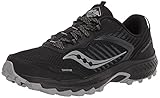
- Feels rock steady PWRRUN cushioning supplies a responsive feel while a rock plate ensures additional protection for pushing uphill and driving downhill with confidence.
- The new ultralight, durable top layer adds durability to the comfortable air mesh bootie so nothing snags your speed.
- VERSARUN cushioning protects from impact and trail hazards.

Top Road Running Shoes for Pavement

- Mesh on Upper: Mesh on upper adds breathability.
- Flywire Cables: Flywire cables provide a supportive feel when you tighten the laces.
- Foam Midsole: Plush foam midsole cushions each step.
- Natural Moves: Grooves on the rubber outsole help your foot move naturally.

- [Innovative Cushioning & Ultra-Soft Rebound] PG7 Running Shoe is innovative because it's the first running midsole to have Peak Gravity under 8. Whether you're hitting the pavement or logging treadmill miles, these max cushion runners deliver unmatched shock absorption
- [Wide Toe Box & All-day Comfort] Engineered with anatomical wide toe design for natural toe splay. The 6 mm drop of the running shoe combined with cloud-like memory foam insole that reduces foot fatigue during long-distance running, gym workouts or daily walking
- [Breathable & Lightweight] The running shoes upper is made of mesh material with stretchy woven upper, featuring flexible and breathable. Engineered to respond to your every movement, each shoe's weighs only 310-400 g, delivering ultra-lightweight responsiveness and exceptional energy return tailored to your unique athletic performance.
- [Slip-resistant & Wear-resistant] Upgraded non-slip A-GRIP sole to improve the non-slip performance of shoes. A-GRIP sole is not only light in material, but also has good elasticity and wear resistance
- [Night-time Safety] Complete with reflective strips, these sneakers increase your visibility during activities at night or in low-light conditions. Allowing you to take safe and confident steps

- WEATHERIZED WOMEN’S RUNNING SHOE: The Adrenaline GTS 24 Weatherized delivers superior wet/dry traction for confident steps on any surface, while the DWR mesh upper offers weather protection and temperature control, ensuring you stay comfortable and focused on your run—no matter the conditions.
- WEATHERPROOF & REFLECTIVE UPPER: The knit DWR mesh upper offers superior weather protection, effectively managing temperature while keeping your feet dry in various conditions. Reflective elements enhance visibility in low-light environments.
- GUIDERAILS HOLISTIC SUPPORT SYSTEM: Our innovative technology - known as “GTS” for “Go-To Support” - supports your body in its natural motion path while keeping excess movement in check.
- DYNAMIC CUSHIONING: Nitrogen-infused DNA Loft v3 midsole foam delivers soft, smooth cushioning that adapts to your unique stride for lightweight comfort mile after mile.
- ALL-WEATHER TRACTION: The outsole features enhanced wet/dry traction, providing a secure grip on diverse surfaces to ensure stability and confidence with every stride.
The Hybrid Option: Crossover Trail Shoes
Several brands offer “light trail” or “crossover” shoes designed for mixed-surface use — light gravel paths, fire roads, and occasional pavement. Models like the Brooks Cascadia, Saucony Peregrine, and ASICS Gel-Trabuco strike a middle ground with moderate lugs, basic rock protection, and enough cushioning for occasional road use. These are the best option for runners who alternate between easy trails and roads without wanting two separate pairs.
Foot Condition Considerations
Plantar fasciitis: Road shoes are preferred even on light trail — more cushioning, more arch support options. Avoid aggressive trail shoes that sacrifice cushioning.
Chronic ankle instability: Trail shoes are mandatory for any uneven terrain — the lateral heel counter provides critical support that road shoes lack.
Metatarsalgia: Rock plate is essential on rocky terrain. A trail shoe with a rock plate is the only safe option for patients with ball-of-foot pain on rocky trails.
Bunions: Trail shoes often have more reinforced uppers that create rigid pressure on bunion prominences. Seek trail shoes with mesh/stretch upper panels at the first MTP joint area.
Trail Running Injury? Ankle Sprain? Foot Pain?
Trail running creates unique injury patterns — ankle sprains, stress fractures, metatarsalgia from rocks underfoot. Our podiatrists diagnose and treat trail running injuries and help you select footwear that prevents recurrence.
Book a Running Injury Evaluation →Related Comparisons
- Running Shoes vs Walking Shoes
- Maximalist vs Minimalist Running Shoes
- Carbon Plate vs Standard Running Shoes
- Stability vs Neutral Running Shoes
Reviewed by the podiatrists at Balance Foot & Ankle Specialists, serving Flint, Fenton, and surrounding Michigan communities.
Related Treatment Guides
- Sports Foot & Ankle Injury Treatment
- Ankle Sprain Treatment
- Plantar Fasciitis & Heel Pain Treatment
- Custom 3D Orthotics
Michigan patients can access expert running injury specialist in Michigan at Balance Foot & Ankle. Our board-certified podiatrists serve Howell (4330 E Grand River) and Bloomfield Hills (43494 Woodward Ave #208). Schedule an appointment online or call (810) 206-1402 for same-week availability.
Medical References & Sources
- American Podiatric Medical Association — Patient Education
- American Orthopaedic Foot & Ankle Society — Foot Conditions
Dr. Tom’s Recommended Products for Podiatrist-Recommended Footwear
📍 Located in Michigan?
Our board-certified podiatrists treat this condition at two convenient locations. Same-day appointments often available.
These are products I personally use and recommend to my patients at Balance Foot & Ankle.
- Brooks Ghost 16 — The most versatile podiatrist-recommended running shoe — neutral cushion for normal-to-mild-pronation feet
- Brooks Adrenaline GTS 24 — GuidRails support for overpronators — the #1 stability shoe prescribed at Balance Foot & Ankle
- HOKA Clifton 9 — Maximum cushion with meta-rocker geometry — reduces plantar fascia and metatarsal load with every step
Affiliate disclosure: As an Amazon Associate, Balance Foot & Ankle earns from qualifying purchases. We only recommend products we trust for our own patients.
Dr. Tom’s Recommended Insoles
PowerStep is the brand I prescribe most — medical-grade OTC support without the custom orthotic price tag.
- PowerStep Pulse Insoles — Performance insoles for runners — flexible arch support with shock absorption for high-mileage athletes.
- PowerStep Pinnacle Insoles — The #1 podiatrist-recommended OTC insole — firm arch support with dual-layer cushioning for all-day wear.
📧 Get Dr. Tom’s Free Lab Test Guide
Discover the 5 lab tests every person over 35 should ask their doctor about — explained in plain English by a board-certified physician.
Affiliate disclosure: As an Amazon Associate, Balance Foot & Ankle earns from qualifying purchases. We only recommend products we trust for our own patients.
Join 950,000+ Learning About Foot Health
Dr. Tom shares honest medical advice, supplement reviews, and treatment guides you won’t find anywhere else.
Subscribe on YouTube →
Dr. Tom Biernacki, DPM is a double board-certified podiatrist and foot & ankle surgeon at Balance Foot & Ankle Specialists in Southeast Michigan. With over a decade of clinical experience, he specializes in heel pain, bunions, diabetic foot care, sports injuries, and minimally invasive surgery. Dr. Biernacki is a member of the APMA and ACFAS, and his patient education content on MichiganFootDoctors.com and YouTube has reached over one million views.