
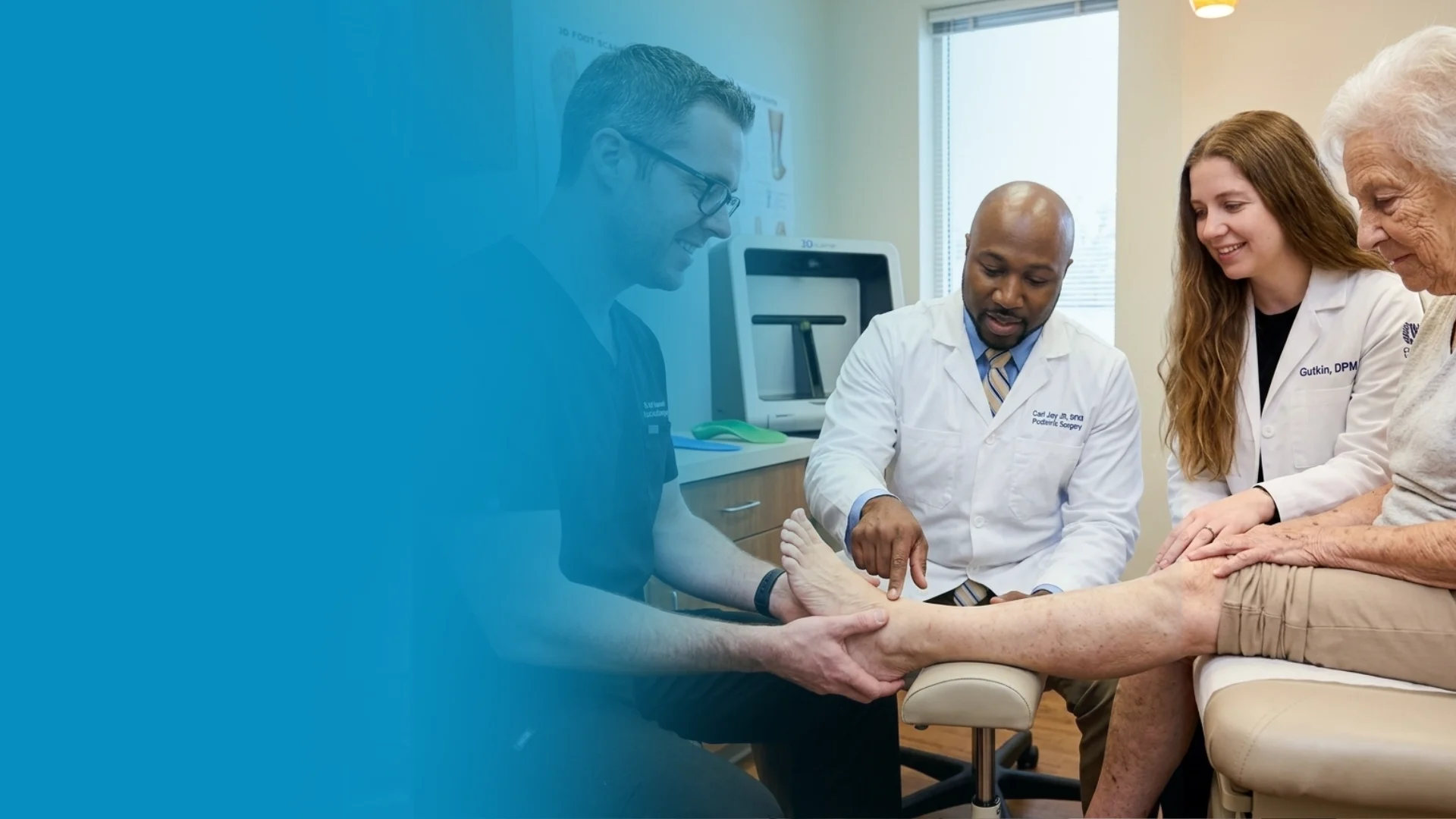

You are in the right place. Dr. Tom Biernacki, DPM, FACFAS — board-certified foot & ankle surgeon with 3,000+ surgeries — explains exactly what carbon plate vs standard running shoes means and what actually works. Call (810) 206-1402 for a same-day appointment at our Howell or Bloomfield Township office.
The most important clinical decision with Carbon Plate Vs Standard Running Shoes isn’t which treatment to start with — it’s identifying the correct subtype. That changes everything. Call (810) 206-1402.
Dr. Tom’s Top Shoe Picks
Medically reviewed by Dr. Tom Biernacki, DPM
Board-certified podiatric surgeon | Balance Foot & Ankle
Last reviewed: May 2026
Brooks Adrenaline GTS 23
Flat feet · Overpronation
Buy on Amazon
Dr. Tom’s Top Bob and Brad Massage Guns
Dr. Tom’s Top 10 Shoes (2026)
Tested, recommended, and prescribed to my patients. Each pick includes pros, cons, and the specific use case I prescribe it for.
Affiliate disclosure: As an Amazon Associate, Balance Foot & Ankle earns from qualifying purchases.
Need a personalized recommendation? Schedule a fitting at our Howell or Bloomfield Township office. Call (810) 206-1402.
Medically reviewed by Dr. Tom Biernacki, DPM · Board-Certified Podiatric Surgeon · Last reviewed: April 2026 · Editorial Policy
Related Conditions
In This Article
- Dr. Tom’s Top Shoe Picks
- Dr. Tom’s Top Bob and Brad Massage Guns
- Dr. Tom’s Top 10 Shoes (2026)
- What Does a Carbon Plate Actually Do?
- Popular Carbon Plate Shoes vs Standard Trainers
- The Clinical Problem with Carbon Plate Shoes
- Who Should and Shouldn’t Use Carbon Plate Shoes
- The “Carbon Plate for Hallux Rigidus” Exception
- More Podiatrist-Recommended Shoes Essentials
- Related Articles
- Your Board-Certified Podiatrists
- Pros & Cons of Conservative Care for footwear
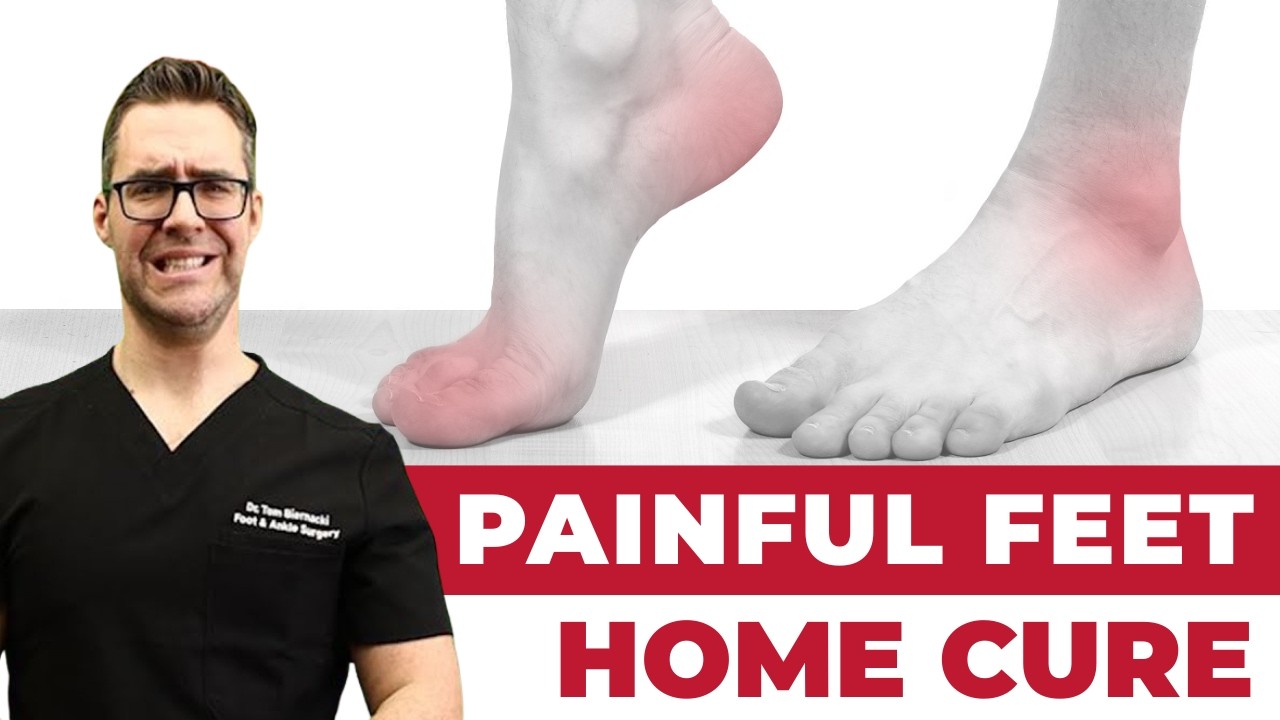
Carbon Plate vs Standard Running Shoes: Podiatrist’s Guide — Performance vs Safety
Carbon plate running shoes have taken the running world by storm since Nike’s Vaporfly broke records in 2017. Now every major brand has a carbon plated racer. But for the everyday runner — and especially for runners managing foot conditions — carbon plate vs standard running shoes is a question with real clinical implications beyond marketing hype.
What Does a Carbon Plate Actually Do?
A carbon fiber plate embedded in the midsole does three things biomechanically:
- Stiffens the forefoot: Reduces the energy-expensive bending of the toes during push-off (the “windlass mechanism”). This converts energy that would flex the foot into forward propulsion instead.
- Creates a rocker effect: The stiff plate forces the foot to roll over the metatarsals rather than bend through them, functionally reducing toe extension demand.
- Works with supercritical foam: Carbon plates are paired with highly energetic PEBA-based foams (Nike ZoomX, Adidas LightStrike Pro, ASICS FF Turbo, etc.) that compress and rebound to return energy at toe-off.
The net effect: studies consistently show 2-4% running economy improvement in carbon plated racers for trained runners. That’s meaningful at marathon pace — roughly 5 minutes over 26.2 miles.
Popular Carbon Plate Shoes vs Standard Trainers
| Category | Examples | Use Case |
|---|---|---|
| Carbon plate racers | Nike Vaporfly 3, Adidas Adizero Adios Pro 3, ASICS Metaspeed Sky+, Hoka Rocket X2 | Race day, tempo workouts |
| Carbon plate daily trainers | Nike Invincible 3, Saucony Endorphin Speed (nylon plate), ASICS Novablast | Daily training (semi-plate) |
| Standard trainers | Brooks Ghost, Hoka Clifton, New Balance 1080, ASICS Kayano | Daily training, long runs, recovery |
The Clinical Problem with Carbon Plate Shoes
Here’s what the running media often omits: the same stiffness that improves economy in trained runners can increase injury risk in undertrained or injured runners. Specifically:
- Increased calf and Achilles load: By stiffening the forefoot, carbon plates transfer more of the push-off demand to the calf/Achilles complex. Studies show increased calf muscle loading in carbon-plated footwear. For runners with Achilles tendinopathy, this is a meaningful concern.
- Stress fracture risk: The forefoot stiffness changes how force is distributed across the metatarsals. Some evidence suggests increased stress fracture risk with prolonged use, particularly at the metatarsals.
- Requires adaptation: Switching from standard trainers to carbon plate shoes mid-training cycle without adaptation can cause acute calf, Achilles, and plantar fascia strain.
- Not designed for everyday use: Carbon plate racers wear down quickly (300-400 miles vs 500-600 for standard trainers) and the foam degrades between races.
Who Should and Shouldn’t Use Carbon Plate Shoes
| Patient Type | Carbon Plate? | Why |
|---|---|---|
| Competitive runners chasing PRs | ✅ Race day only | 2-4% economy benefit is meaningful; limit to races/tempo |
| Achilles tendinopathy | ❌ Avoid | Increased calf/Achilles loading; stick to standard trainers |
| Plantar fasciitis | ⚠️ Depends | Plate reduces toe bending (good) but increases forefoot tension (risky) |
| Metatarsal stress fractures | ❌ Avoid during healing | Altered metatarsal loading pattern; use after full healing only |
| Beginners / low-mileage runners | ❌ Not indicated | No economy benefit without trained running economy baseline |
| Hallux rigidus (stiff big toe) | ✅ Potentially helpful | Plate reduces 1st MTP movement demand; can reduce pain |
| Sesamoiditis | ⚠️ Only with rocker variant | Rocker plate reduces sesamoid pressure; standard plate may increase it |
| Everyday walking | ❌ Wrong tool | Carbon racers aren’t designed for low-intensity prolonged use |
The “Carbon Plate for Hallux Rigidus” Exception
This is a clinical application many patients don’t know about. For patients with hallux rigidus (arthritis/stiffness of the big toe joint), a carbon-plated or stiff-soled shoe reduces the need for 1st MTP dorsiflexion during push-off. The stiff plate bypasses the joint. This is why some podiatrists actually prescribe carbon-soled shoes (like the Hoka Rocket X or stiff-soled Hokas) for hallux rigidus patients — not for performance, but for pain reduction.
More Podiatrist-Recommended Shoes Essentials
Hoka Clifton 10

Max-cushion neutral runner — podiatrist favorite for all-day comfort.
Brooks Adrenaline GTS 25
Stability runner for overpronators — great for flat feet and bunions.
New Balance 990v6
Premium walking shoe with wide toe box — bunion and flat-foot friendly.
As an Amazon Associate, Balance Foot & Ankle earns from qualifying purchases. Product recommendations are based on clinical experience; prices and availability shown above update live from Amazon.
When to See a Podiatrist
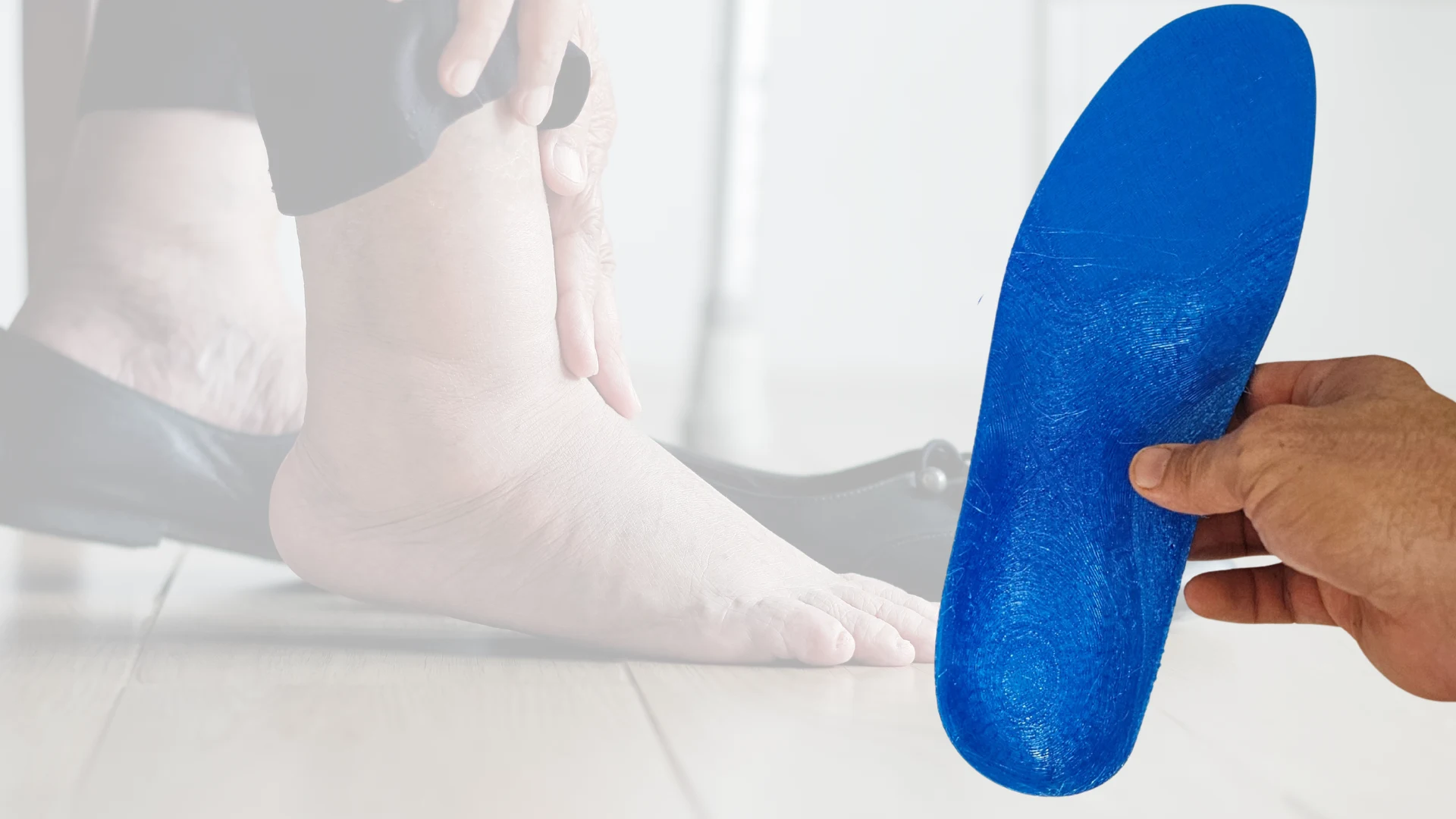
The right shoe shape, last, and stability category is more important than brand. Balance Foot & Ankle evaluates your foot type (neutral, pronator, supinator, high-arched) and recommends specific shoe models that match. Bringing in your current pair lets us spot wear patterns that reveal gait issues — a free 5-minute assessment that can prevent years of foot pain.
Call Balance Foot & Ankle: (810) 206-1402 · Book online · Offices in Howell & Bloomfield Township
Can carbon plate shoes cause injury?
Yes — they’re associated with increased calf and Achilles loading, and some evidence links prolonged exclusive use to metatarsal stress fractures. The injury risk is highest when: switching suddenly from standard trainers without adaptation, using them for all training (not just races), or running while already managing Achilles or calf pathology.
Do carbon plate shoes make you faster if you’re not a serious runner?
The research-proven 2-4% economy benefit applies primarily to well-trained runners with efficient running mechanics. For beginners or casual runners, the benefit is significantly smaller or absent — and the injury risk remains. You don’t need a carbon plate shoe unless you’re specifically training for time-goal racing.
Are carbon plate shoes good for plantar fasciitis?
Mixed evidence. The plate reduces toe bending which can help fascial tension at toe-off. But the increased calf loading can worsen plantar fasciitis if tight calves are a contributing factor (which they frequently are). I generally don’t recommend carbon plate shoes for active plantar fasciitis — stick to standard trainers with rocker geometry (Hoka meta-rocker) which provides forefoot offloading without the Achilles loading tradeoff.
Related Articles
📌 Maximalist vs Minimalist Shoes: Evidence-Based Guide
📌 Rocker Sole vs Flat Sole: When Geometry Matters
📌 Best Shoes for Plantar Fasciitis: Podiatrist-Approved List
📌 Hoka Clifton vs Mach: Which Hoka Is Right for Your Condition?
Managing a Running Injury While Training for a Race?
The right shoe combination — daily trainer + race-day strategy — can keep you training through many conditions. Our podiatrists build training-compatible treatment plans for competitive runners.
📋 Dr. Tom Also Recommends
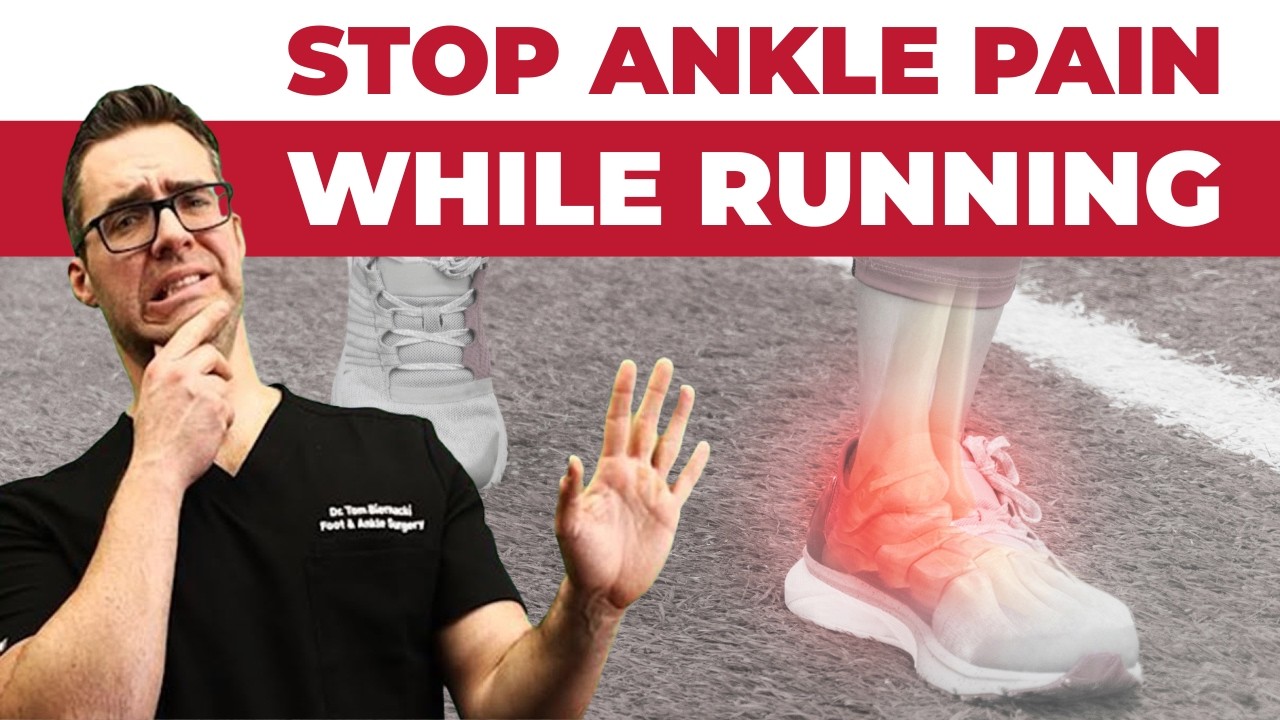
Podiatrist Recommended Orthotics 2026: Dr. Tom’s Top 10 Insoles & Arch Supports
A podiatrist’s complete clinical guide to the best insoles — custom orthotics, OTC picks, and what actually works for plantar fasciitis, flat feet, neuropathy & more.
Reviewed by Dr. Tom Biernacki, DPM — Board-Certified Podiatrist, Michigan Foot & Ankle Specialists. Dr. Biernacki works with competitive and recreational runners on injury prevention and performance footwear selection.
Related Treatment Guides
- Sports Foot & Ankle Injury Treatment
- Plantar Fasciitis & Heel Pain Treatment
- Custom 3D Orthotics
- Bunion Treatment
Michigan patients can access expert running injury specialist in Michigan at Balance Foot & Ankle. Our board-certified podiatrists serve Howell (4330 E Grand River) and Bloomfield Township (43494 Woodward Ave #208). Schedule an appointment online or call (810) 206-1402 for same-week availability.
Insurance Accepted
BCBS · Medicare · Aetna · Cigna · United Healthcare · HAP · Priority Health · Humana · View All →
Howell Office
4330 E Grand River Ave
Howell, MI 48843
Get Directions →
Bloomfield Township Office
43494 Woodward Ave, #208
Bloomfield Township, MI 48302
Get Directions →
Your Board-Certified Podiatrists



Ready to Get Back on Your Feet?
Same-week appointments available at both locations.
👟 Dr. Tom’s Complete Footwear Library
Podiatrist-Approved Guides for Every Foot Type & Condition
Clinically reviewed by Dr. Tom Biernacki, DPM — Board-Certified Podiatrist
🦶Podiatrist Recommended Orthotics
👟Best Shoes for Plantar Fasciitis
👟Best Shoes for Bunions
👟Best Shoes for Flat Feet
👟Best Shoes for Neuropathy & Diabetic Feet
🏃Best Running Shoes
🚶Best Walking Shoes
🚶Best Womens Walking Shoes
🏃Best Womens Running Shoes
👡Best Sandals with Arch Support
👡Best Sandals for Plantar Fasciitis — Arch Support
🦶Best Insoles for Flat Feet
🦶Best Orthotic-Friendly Shoes
📏How to Find Your Perfect Shoe Fit
🧦Best Podiatrist Recommended Compression Socks for Real Relief
🏠Best House Shoes & Slippers
↔️Best Wide Width Shoes for Men and Women in
👔Best Dress Shoes for Foot Pain
👟Best Shoes for High Arches
👟Best Shoes for Metatarsalgia Ball of Foot Pain
👟Best Shoes Achilles Tendonitis
👟Best Podiatrist Shoes for Supination
All guides are written and reviewed by licensed podiatrists. Schedule an appointment →
Pros & Cons of Conservative Care for footwear
Advantages
- ✓ Right shoe = pain reduction
- ✓ Multiple price points
- ✓ Fast adjustment
Considerations
- ✗ Trial-and-error
- ✗ Replace every 400 miles
- ✗ Custom orthotics often needed
Dr. Tom’s Recommended Products for footwear
Affiliate disclosure: As an Amazon Associate, Balance Foot & Ankle earns from qualifying purchases. We only recommend products we use with patients.
Brooks Ghost 17 Dr. Tom’s Pick
Best for: Neutral runner
Check Price on Amazon
Brooks Adrenaline GTS 23 Dr. Tom’s Pick
Best for: Stability for flat feet
Check Price on Amazon
Altra Torin 8 Dr. Tom’s Pick
Best for: Zero-drop wide toe box
Check Price on Amazon
Ready to Get Back on Your Feet?
Same-day appointments in Howell + Bloomfield Township. Most insurance accepted. Dr. Tom Biernacki, DPM & team.
Book Today — Same-Day Appointments Available
Call Now: (810) 206-1402
About Your Care Team at Balance Foot & Ankle
Dr. Tom Biernacki, DPM · Board-Certified Foot & Ankle Surgeon. Specializes in conservative-first care, minimally invasive bunion surgery, and complex reconstruction.
Dr. Carl Jay, DPM · Accepting new patients. Specializes in sports medicine, athletic injuries, and routine podiatric care.
Dr. Daria Gutkin, DPM, AACFAS · Accepting new patients. Specializes in surgical reconstruction and pediatric podiatry.
Locations: 4330 E Grand River Ave, Howell, MI 48843 · 43494 Woodward Ave Suite 208, Bloomfield Township, MI 48302
Hours: Mon–Fri 8:00 AM – 5:00 PM · (810) 206-1402
Podiatrist-Recommended Products to Pair With Performance Running Shoes
- CURREX RunPro — biomechanically calibrated insole that enhances carbon plate shoe efficiency for your arch type
- DASS Medical Compression Socks — graduated compression socks optimize the vascular response that carbon plate shoes demand
- Doctor Hoy’s Natural Pain Relief Gel — topical recovery gel for high-intensity effort soreness when training in carbon plate shoes
These are the same products Dr. Biernacki recommends in clinic. Available through our partner Foundation Wellness.
In-Office Treatment at Balance Foot & Ankle
If home treatment isn’t providing relief for your foot pain, our podiatry team at Balance Foot & Ankle can help with same-day evaluations and advanced in-office care.
Same-day appointments available. (810) 206-1402
Related Care at Balance Foot & Ankle
Clinical foot and ankle services at our Howell and Bloomfield Township offices.
Get Expert Care at Balance Foot & Ankle
Same-week appointments at our Howell and Bloomfield Township offices. Board-certified podiatric surgeons. Most insurance accepted.
Ready for Expert Care?
Same-day appointments in Howell & Bloomfield Township, MI.
4.9★ | 1,123 Reviews | 3,000+ Surgeries
Or call: (810) 206-1402

Dr. Tom Biernacki, DPM is a board-certified foot & ankle surgeon (ABFAS & ABPM) at Balance Foot & Ankle Specialists in Southeast Michigan. With over a decade of clinical experience, he specializes in heel pain, bunions, diabetic foot care, sports injuries, and minimally invasive surgery. Dr. Biernacki is a member of the APMA and ACFAS, and his patient education content on MichiganFootDoctors.com and YouTube has made him one of the most-followed foot & ankle educators on YouTube.
More questions patients ask
What do carbon plate running shoes do for feet?
Carbon plate shoes feature a rigid curved carbon fiber plate embedded in the midsole that stores and releases energy during the running gait cycle, improving running economy (oxygen cost per mile). They're designed for performance racing, not everyday training or foot health management.
Are carbon plate shoes bad for your feet?
Research suggests carbon plate shoes may increase stress on the foot's structures — particularly the forefoot, Achilles tendon, and calf muscles — due to altered mechanics and energy return. For most recreational runners, standard training shoes provide better long-term foot health outcomes.
Should I use carbon plate shoes if I have plantar fasciitis?
Carbon plate shoes are generally not recommended for plantar fasciitis. The forefoot rocker and stiffness can alter load patterns in ways that may worsen plantar fascia conditions. Consult Balance Foot & Ankle before using performance racing shoes if you have foot pathology.
Can I wear custom orthotics in carbon plate running shoes?
Carbon plate shoes typically have limited insole space and may not accommodate standard custom orthotics. A slim-profile sport orthotic may be possible. Balance Foot & Ankle can assess your specific shoe and fabricate an appropriate orthotic if clinically indicated.
Who should use carbon plate running shoes?
Carbon plate shoes are appropriate for healthy, competitive runners without foot pathology who are racing or doing high-intensity speed work. Everyday training in carbon plates increases injury risk. Most runners benefit more from well-cushioned training shoes and custom orthotics if needed.
Still have a question about coverage or cost? Book online and we will check your benefits before your visit: Book in Howell · Book in Bloomfield Township. Prefer to talk it through first? Call (810) 206-1402.