


Excess weight multiplies the load on every foot structure with each step. Even small reductions (5-10%) can dramatically reduce plantar fasciitis, knee, and back pain within weeks.
You’re in the right place. Dr. Tom Biernacki, DPM, FACFAS — board-certified foot & ankle surgeon with 3,000+ surgeries — explains exactly what weight and foot pain means and what works. Call (810) 206-1402 for same-day appointment at Howell or Bloomfield Hills.
Medically reviewed by Dr. Tom Biernacki, DPM · Board-Certified Podiatric Surgeon · Last reviewed: April 2026 · Editorial Policy
The most important clinical decision with Weight Foot Pain Connection isn’t which treatment to start with — it’s identifying the correct subtype. That changes everything. Call (810) 206-1402.
Quick Answer
Weight & Foot Pain: How Obesity Affects Your Feet & relates to foot pain — typically caused by overuse, footwear, or biomechanics. Most patients improve in 6-12 weeks with conservative care. Same-week appointments in Howell + Bloomfield Hills: (810) 206-1402.
Quick Answer
Most foot and ankle problems respond to conservative care — proper footwear, supportive inserts, activity modification, and targeted stretching — within 4-8 weeks. Persistent pain beyond that window, or any symptom that prevents walking, warrants a podiatric evaluation to rule out fracture, tendon tear, or systemic cause.
Watch: Dr. Tom Biernacki, DPM

Medically Reviewed by Dr. Tom Biernacki, DPM — Board-Certified Podiatrist, Balance Foot & Ankle Specialists, Michigan. Last updated April 2026.
Medically reviewed by Dr. Tom Biernacki, DPM — Board-Certified Podiatric Surgeon — Balance Foot & Ankle, Howell & Bloomfield Hills, MI. Last updated April 2026.
▶ Watch
Weight & Foot Pain: How Obesity Affects Your Feet & What Michigan Podiatrists Recommend
The relationship between body weight and foot pain is direct and well-documented — yet it’s often not discussed frankly enough with patients. At Balance Foot & Ankle, we believe patients deserve clear information about how weight affects their feet and what realistic, non-judgmental steps can help.
The Biomechanics: How Weight Affects Your Feet
When you walk, the force on each foot is approximately 1.25 times your body weight. Running multiplies this to 3 times body weight. Going up stairs generates 3–4 times body weight per step. For every 10 pounds of additional weight:
- Standing pressure increases by ~10 pounds per foot
- Walking impact increases by ~12.5 pounds per foot per step
- Stair climbing adds ~30–40 pounds per foot per step
Over thousands of steps per day, this accumulated extra load has substantial effects on every structure in the foot and ankle.
Foot Conditions Worsened by Excess Weight
Plantar Fasciitis
One of the strongest risk factors for plantar fasciitis is obesity (BMI over 30). Studies show that overweight and obese patients have significantly higher rates of plantar fasciitis. The increased load on the plantar fascia from added weight stresses it beyond its capacity for healing.
Flat Feet (Acquired Pes Planus)
The arch is supported by the posterior tibial tendon and ligament structures. Chronic overloading from excess weight stretches these structures, causing progressive arch collapse. This is why acquired flat foot is strongly associated with obesity.
Knee Osteoarthritis
Foot structure influences knee alignment. Flat feet from weight-related arch collapse increase the valgus load on the knee, accelerating cartilage wear. Custom orthotics that correct foot alignment can meaningfully reduce knee pain even without weight change.
Ankle Arthritis and Heel Pain
The ankle joint bears the highest load per unit area of any joint in the body. Excess weight accelerates cartilage degeneration significantly.
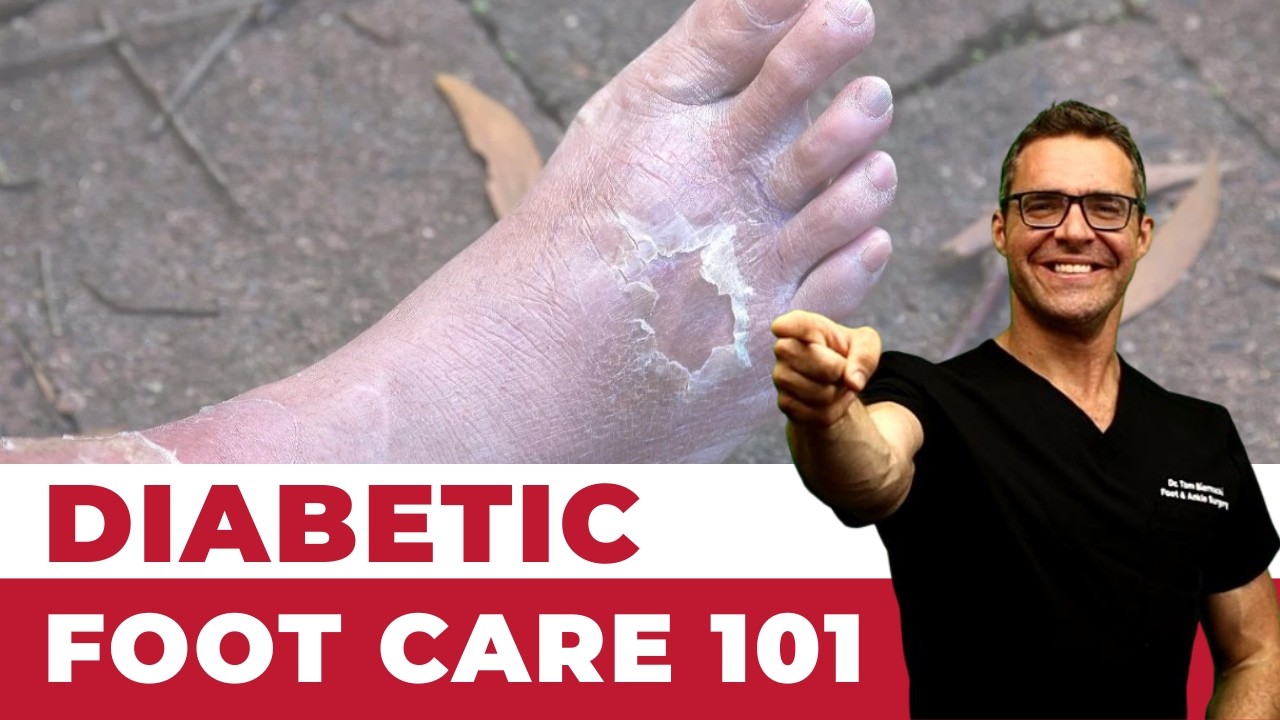
Diabetic Foot Complications
Obesity is a major risk factor for Type 2 diabetes. Diabetic neuropathy, arterial disease, and wound healing problems all affect the foot — and weight management is one of the most powerful interventions for diabetes control.
Gout
Obesity increases uric acid production and decreases excretion, substantially raising gout risk. The big toe joint is the most commonly affected location.
What Actually Helps: The Podiatric Perspective
We want to be clear: discussing weight is not about blame. Every patient deserves compassionate, effective care regardless of body weight. Our job is to reduce your foot pain so you can be more active — and increased activity is itself one of the most effective tools for weight management.
1. Custom Orthotics — Immediate Impact
Custom orthotics significantly reduce plantar pressure in specific areas, offload painful structures, and can make walking substantially more comfortable. This is one of the most impactful interventions we offer patients at any body weight.
2. Appropriate Footwear
Wide, supportive shoes with cushioned midsoles and adequate toe box reduce foot pain and make extended walking more sustainable. Avoid flat sandals, flip-flops, and unsupportive shoes.
3. Low-Impact Exercise
Swimming, cycling, and water aerobics allow cardiovascular conditioning with minimal foot load. We actively encourage these as alternatives when walking or running is painful. Reducing pain enough to exercise is itself a goal of treatment.
4. Anti-Inflammatory Management
Topical diclofenac, appropriate oral medications (in consultation with your physician), and MLS laser therapy can reduce acute foot pain and make activity more accessible.
5. Nutrition and Medical Weight Management
We coordinate with primary care for comprehensive weight management when appropriate. GLP-1 agonists (semaglutide, etc.) have shown significant benefit for joint pain in addition to weight loss.
A Realistic Perspective
Even modest weight loss (5–10%) significantly reduces lower extremity joint load and is associated with meaningful improvements in knee and foot pain. We celebrate every step in the right direction and focus on making mobility accessible — because movement is both a treatment and a long-term solution.
Ready to Get Relief? We’re Here to Help.
Board-certified podiatrists Dr. Tom Biernacki, Dr. Carl Jay, and Dr. Daria Gutkin see patients daily at our Howell and Bloomfield Township, MI offices.
📅 Book Online
📞 (810) 206-1402
Related Conditions
When to See a Podiatrist About Weight-Related Foot Pain
If you’re experiencing increased foot pain, plantar fasciitis, or flat feet related to weight changes, a board-certified podiatrist can diagnose the underlying cause and create a plan tailored to your foot type. At Balance Foot & Ankle, we offer biomechanical assessment and custom orthotic solutions for weight-related foot stress at our Howell and Bloomfield Hills offices.
→ Learn about our Weight-Related Foot Pain Treatment options
→ Book your appointment
→ Call (810) 206-1402
Clinical References
- Irving DB, Cook JL, Young MA, Menz HB. Obesity and pronated foot type may increase the risk of chronic plantar heel pain. BMC Musculoskelet Disord. 2007;8:41. doi:10.1186/1471-2474-8-41
- Gates LS, Arden NK, Hannan MT, et al. Body weight and foot pain: the Framingham Foot Study. J Foot Ankle Res. 2023;16(1):5. doi:10.1186/s13047-023-00604-0
- Frey C, Zamora J. The effects of obesity on orthopaedic foot and ankle pathology. Foot Ankle Int. 2007;28(9):996-999. doi:10.3113/FAI.2007.0996
Insurance Accepted
BCBS · Medicare · Aetna · Cigna · United Healthcare · HAP · Priority Health · Humana · View All →

Howell Office
4330 E Grand River Ave
Howell, MI 48843
Get Directions →
Bloomfield Hills Office
43494 Woodward Ave, #208
Bloomfield Hills, MI 48302
Get Directions →
Your Board-Certified Podiatrists



Ready to Get Back on Your Feet?
Same-week appointments available at both locations.
Book Your AppointmentMost Common Mistake We See
The most common mistake we see is: Waiting too long before seeking care. Fix: any foot pain lasting more than 4 weeks, or any sudden severe symptom, deserves a professional evaluation rather than more rest.
Warning Signs That Need Same-Day Care
Seek immediate evaluation at Balance Foot & Ankle if you experience any of the following:
- Unable to bear weight
- Severe swelling with skin colour change
- Fever with foot pain (possible infection)
- Diabetes plus any new foot symptom
Call (810) 206-1402 — same-day and next-day appointments at our Howell and Bloomfield Hills offices.
More Podiatrist-Recommended Foot Health Essentials
Hoka Clifton 10

![How to Cure Plantar Fasciitis in One Week? [FAST Heel Pain Relief!]](https://www.michiganfootdoctors.com/wp-content/cache/flying-press/b5600c3bfb9845a6095da8266d8b5363.jpg)
Watch: How to Cure Plantar Fasciitis in One Week? [FAST Heel Pain Relief!] — MichiganFootDoctors YouTube
Max-cushion everyday shoe — podiatrist favorite for walking and running.

OOFOS Recovery Slide

Impact-absorbing recovery sandal — wear after long days on your feet.
As an Amazon Associate, Balance Foot & Ankle earns from qualifying purchases. Product recommendations are based on clinical experience; prices and availability shown above update live from Amazon.
When to See a Podiatrist
If foot or ankle pain has been bothering you for more than a few weeks, home care alone may not be enough. Balance Foot & Ankle offers same-week appointments at our Howell and Bloomfield Hills clinics — no referral needed in most cases. Bring your current shoes and a short list of symptoms and we’ll build you a treatment plan in one visit.
Call Balance Foot & Ankle: (810) 206-1402 · Book online · Offices in Howell & Bloomfield Hills
Pros & Cons of Conservative Care for foot care
Advantages
- ✓ Conservative care first
- ✓ Same-week appointments
- ✓ Multiple insurance accepted
Considerations
- ✗ Self-treatment can mask issues
- ✗ See a podiatrist if pain >2 weeks
Dr. Tom’s Recommended Products for foot care
Affiliate disclosure: As an Amazon Associate, Balance Foot & Ankle earns from qualifying purchases. We only recommend products we use with patients.
Footnanny Heel Cream Dr. Tom’s Pick
Best for: Daily moisturizer for cracked heels
Ready to Get Back on Your Feet?
Same-day appointments in Howell + Bloomfield Hills. Most insurance accepted. Dr. Tom Biernacki, DPM & team.
Book Today — Same-Day Appointments Available
Call Now: (810) 206-1402
About Your Care Team at Balance Foot & Ankle
Dr. Tom Biernacki, DPM · Board-Certified Foot & Ankle Surgeon. Specializes in conservative-first care, minimally invasive bunion surgery, and complex reconstruction.
Dr. Carl Jay, DPM · Accepting new patients. Specializes in sports medicine, athletic injuries, and routine podiatric care.
Dr. Daria Gutkin, DPM, AACFAS · Accepting new patients. Specializes in surgical reconstruction and pediatric podiatry.
Locations: 4330 E Grand River Ave, Howell, MI 48843 · 43494 Woodward Ave Suite 208, Bloomfield Hills, MI 48302
Hours: Mon–Fri 8:00 AM – 5:00 PM · (810) 206-1402
Frequently Asked Questions
When should I see a doctor?
See a podiatrist if pain persists past 2 weeks, prevents normal activity, or is accompanied by red-flag symptoms (warmth, swelling, numbness, inability to bear weight).
Can I treat this at home?
Mild cases respond to RICE protocol (rest, ice, compression, elevation), supportive shoes, and OTC anti-inflammatories. Persistent symptoms need professional evaluation.
How long does it take to heal?
Most soft tissue injuries resolve in 2-6 weeks with appropriate care. Bone injuries take 6-12 weeks. Chronic conditions need longer-term management.
What is Foot pain?
Foot pain is a common foot/ankle condition that affects mobility and quality of life. Understanding the underlying cause is the first step in successful treatment. Our podiatrists at Balance Foot & Ankle perform a hands-on biomechanical exam, review your activity history, and use diagnostic imaging when appropriate to identify the root cause—not just treat the symptom. Many patients have been told to “rest and ice” without a deeper diagnostic workup; our approach is different.
Symptoms and warning signs
Common signs of foot pain include pain that worsens with activity, morning stiffness, swelling, tenderness when palpated, and difficulty bearing weight. If you experience sudden severe pain, inability to walk, visible deformity, numbness or color change, contact our office the same day or visit urgent care—these can signal a more serious injury such as a fracture, tendon rupture, or vascular compromise. Diabetics with any foot wound should seek same-day care.
Conservative treatment options
Most cases of foot pain respond to non-surgical care: structured rest, supportive footwear changes, custom orthotics, targeted stretching and strengthening protocols, anti-inflammatory medications when medically appropriate, and in-office procedures such as ultrasound-guided injections. We also offer advanced therapies including MLS laser therapy, EPAT/shockwave, regenerative injections, and image-guided procedures. Treatment is sequenced from least invasive to most invasive, and we explain the rationale at every step.
When is surgery considered?
Surgery is reserved for cases that fail 3-6 months of well-structured conservative care, when there is structural pathology (severe deformity, complete tear, advanced arthritis), or when imaging shows damage that will not heal without intervention. Our surgeons have performed 3,000+ foot and ankle procedures and prioritize minimally-invasive techniques whenever appropriate. We discuss recovery timelines, return-to-activity milestones, and realistic outcome expectations before any procedure is scheduled.
Recovery timeline and prevention
Recovery from foot pain varies based on severity and chosen treatment path. Conservative cases often improve within 4-8 weeks with consistent adherence to the protocol. Post-procedural recovery may range from a few days (in-office procedures) to several months (reconstructive surgery). Long-term prevention involves footwear assessment, activity modification, structured strengthening, and regular check-ins with your podiatrist if you have a history of recurrence. We provide written home-exercise plans and digital follow-up support.
Ready to feel better?
Same-week appointments available in Howell and Bloomfield Hills, Michigan.
Book Your VisitIn-Office Treatment at Balance Foot & Ankle
If home treatment isn’t providing relief for your foot and ankle conditions, our podiatry team at Balance Foot & Ankle can help with same-day evaluations and advanced in-office care.
Same-day appointments available. (810) 206-1402
Doctor Hoy’s Natural Pain Relief Gel
Natural topical pain relief I use in our clinic. Arnica + camphor formula — apply directly to the area 3–4x daily. ($20–25)
Shop Doctor Hoy’s →Ready for Expert Care?
Same-day appointments in Howell & Bloomfield Hills, MI.
4.9★ | 1,123 Reviews | 3,000+ Surgeries
Or call: (810) 206-1402

Dr. Tom Biernacki, DPM is a board-certified foot & ankle surgeon (ABFAS & ABPM) at Balance Foot & Ankle Specialists in Southeast Michigan. With over a decade of clinical experience, he specializes in heel pain, bunions, diabetic foot care, sports injuries, and minimally invasive surgery. Dr. Biernacki is a member of the APMA and ACFAS, and his patient education content on MichiganFootDoctors.com and YouTube has made him one of the most-followed foot & ankle educators on YouTube.