
Medically reviewed by Dr. Tom Biernacki, DPM
Board-certified podiatric surgeon | Balance Foot & Ankle
Last reviewed: May 2026
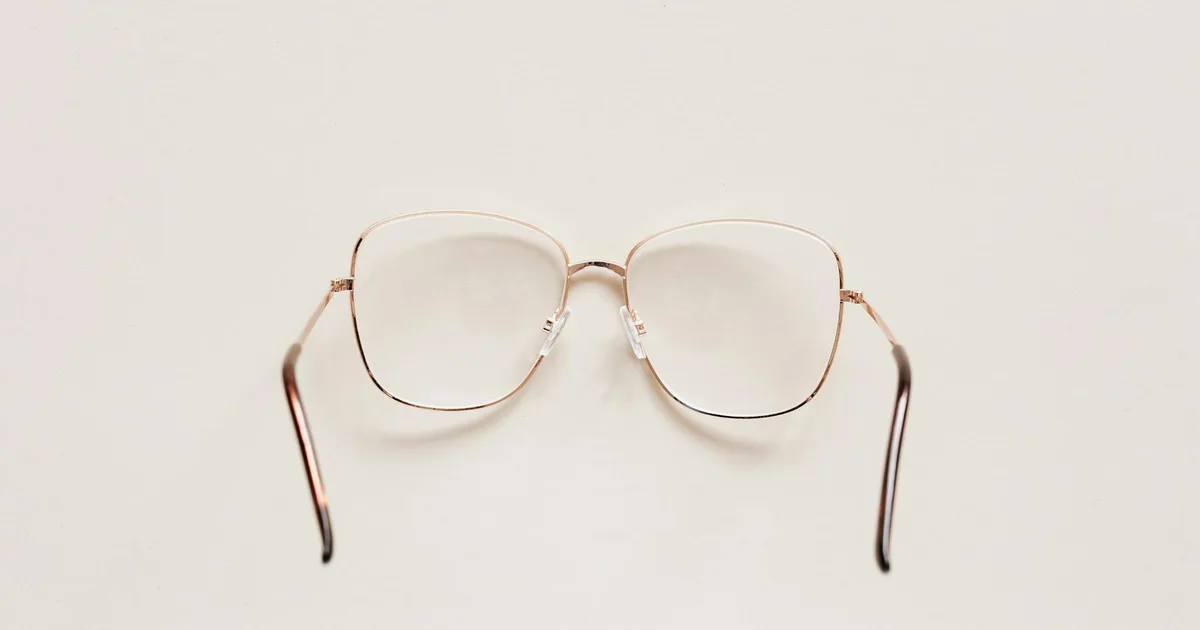
Modern 3D-printed orthotics rival traditional plaster-cast custom devices — here is when each is the right call.
You are in the right place. Dr. Tom Biernacki, DPM, FACFAS — board-certified foot & ankle surgeon with 3,000+ surgeries — explains exactly what 3D printed orthotics vs store-bought means and what works. Book online or call (810) 206-1402 for same-week appointment at Howell or Bloomfield Township.
Medically reviewed by Dr. Tom Biernacki, DPM · Board-Certified Podiatric Surgeon · Last reviewed: April 2026 · Editorial Policy
In This Article
Related Conditions
Quick Answer
3D-Printed Orthotics vs Store-Bought Insoles 2026 Michigan relates to orthotic fitting — typically caused by biomechanical foot needs. Most patients improve in 2 weeks to break in with conservative care. Same-week appointments in Howell + Bloomfield Township: (810) 206-1402.
✅ Medically reviewed by Dr. Tom Biernacki, DPM — Board-Certified Podiatrist · Last updated April 6, 2026
3D-Printed Orthotics vs. Store-Bought Insoles — Is Custom Worth It in Michigan?
The Honest Comparison: Custom Orthotics vs. OTC Insoles
At Balance Foot & Ankle, we get this question constantly: “Can’t I just use the PowerStep I bought at Walmart?” The honest answer: sometimes, yes. More often, no. Here’s the real comparison from a podiatrist who prescribes both — and when each is the right choice. Call (810) 206-1402 if you’re unsure which is right for you.
Store-Bought Insoles: When They Work
Over-the-counter insoles like PowerStep Pinnacle, and PowerStep can be appropriate for: mild, general foot fatigue without a specific diagnosis, casual use in well-fitting shoes when discomfort is minor, short-term relief while waiting for a custom orthotic appointment, and younger patients with no structural foot issues who need basic support. Good OTC insoles cost $30-50 and provide generic arch support in predetermined sizes. For the right patient, they work reasonably well.
Custom Orthotics: When the Investment Is Worth It
Custom 3D-printed orthotics from Balance Foot & Ankle are worth the investment when: you have a specific diagnosed condition (plantar fasciitis, flat feet, bunions, neuropathy), OTC insoles have failed to resolve your pain, you have a structural issue (leg length discrepancy, high arches, severe pronation) that requires a specific prescription, you’re a runner or athlete with biomechanical inefficiencies, or you’re diabetic and need pressure redistribution for wound prevention. Custom orthotics typically last 3-5 years. The per-year cost is comparable to replacing OTC insoles annually.
Insurance Tip: Custom Is Often Covered
One key fact most patients don’t know: custom orthotics are covered by most Michigan insurance plans (BCBS, United Healthcare, HAP, Medicare, Priority Health) when medically necessary. OTC insoles are never covered. If your insurance covers custom orthotics, the out-of-pocket cost difference often disappears entirely. Call us at (810) 206-1402 and we’ll check your coverage.
Get the Right Solution for Your Feet
Balance Foot & Ankle in Howell and Bloomfield Township offers a thorough foot assessment that determines whether OTC or custom is the right choice for your specific situation. We don’t upsell — we prescribe what your feet actually need. Book your evaluation at (810) 206-1402.
Comprehensive Foot and Ankle Care in Michigan: Balance Foot & Ankle
Michigan patients seeking expert podiatric care for any foot or ankle condition — from the most common (plantar fasciitis, bunions, ingrown toenails, heel spurs) to the most complex (diabetic foot ulcers, Charcot neuroarthropathy, ankle reconstruction, limb salvage) — will find the clinical expertise and personalized care they need at Balance Foot & Ankle. Our fellowship-trained podiatrists have the training and experience to diagnose and treat the full spectrum of foot and ankle pathology with both conservative and surgical interventions.
Our Michigan locations serve patients throughout Southeast Michigan: the Howell office at 4330 E Grand River serves Livingston County and surrounding communities; the Bloomfield Township office at 43494 Woodward Ave #208 serves Oakland County and surrounding communities. Both offices offer convenient scheduling, in-office diagnostic imaging, same-week appointments for most conditions, and acceptance of all major Michigan insurance plans. Call Balance Foot & Ankle at (810) 206-1402 to schedule your appointment today — our team is ready to provide the evidence-based podiatric care that keeps you active and comfortable throughout your daily life.
At Balance Foot & Ankle, every Michigan patient receives expert podiatric care delivered with genuine attention to their individual needs and goals. Our podiatrists take time to explain diagnoses clearly, discuss all treatment options honestly, and follow up to ensure treatments are working effectively. We serve patients from Livingston and Oakland counties and the broader Southeast Michigan region from our Howell office at 4330 E Grand River and our Bloomfield Township office at 43494 Woodward Ave #208. New patients are always welcome — call (810) 206-1402 to schedule today.
Related Treatment Guides
- Custom 3D Orthotics
- Plantar Fasciitis & Heel Pain Treatment
- Sports Foot & Ankle Injury Treatment
- Bunion Treatment
Michigan patients can count on Balance Foot & Ankle for the full range of podiatric services delivered with clinical excellence and genuine patient care. Whether your concern is a common foot condition that has been bothering you for years or an acute injury that needs prompt attention, our team in Howell and Bloomfield Township is ready to help. We offer in-office diagnostics, evidence-based conservative treatment, and surgical correction when needed — all within a practice that values your time, respects your preferences, and communicates clearly throughout the care process. Call us at (810) 206-1402 to take the first step toward better foot health.
More Podiatrist-Recommended Orthotics Essentials
PowerStep Pinnacle

The podiatrist-recommended OTC orthotic — arch support + heel cup.
CURREX RunPro Insole
Performance insole for runners — reduces fatigue and prevents injuries.
Tuli’s Heel Cups

Shock-absorbing heel cushion — adds lift and relief under painful heels.
As an Amazon Associate, Balance Foot & Ankle earns from qualifying purchases. Product recommendations are based on clinical experience; prices and availability shown above update live from Amazon.

When to See a Podiatrist
Off-the-shelf inserts help 70% of patients — but if you’ve tried several without relief, custom orthotics molded to your specific foot mechanics are usually the next step. Balance Foot & Ankle makes custom orthotics in-office and most major insurance plans cover them. We’ll cast or scan your feet and have them ready in about 2 weeks.
Call Balance Foot & Ankle: (810) 206-1402 · Book online · Offices in Howell & Bloomfield Township
Pros & Cons of Conservative Care for orthotics
Advantages
- ✓ Custom orthotics 80%+ improvement
- ✓ Most insurance covers
- ✓ Lasts 3-5 years
Considerations
- ✗ 2-week break-in
- ✗ Custom can be $400-700
- ✗ OTC limits effectiveness
Dr. Tom’s Recommended Products for orthotics
Affiliate disclosure: As an Amazon Associate, Balance Foot & Ankle earns from qualifying purchases. We only recommend products we use with patients.
PowerStep Pinnacle Maxx Dr. Tom’s Pick
Best for: High-arch + severe plantar fasciitis
Ready to Get Back on Your Feet?
Same-week appointments in Howell + Bloomfield Township. Most insurance accepted. Dr. Tom Biernacki, DPM & team.
Book Today — Same-Week Appointments Available
Call Now: (810) 206-1402
About Your Care Team at Balance Foot & Ankle
Dr. Tom Biernacki, DPM · Board-Certified Foot & Ankle Surgeon. Specializes in conservative-first care, minimally invasive bunion surgery, and complex reconstruction.
Dr. Carl Jay, DPM · Accepting new patients. Specializes in sports medicine, athletic injuries, and routine podiatric care.
Dr. Daria Gutkin, DPM, AACFAS · Accepting new patients. Specializes in surgical reconstruction and pediatric podiatry.
Locations: 4330 E Grand River Ave, Howell, MI 48843 · 43494 Woodward Ave Suite 208, Bloomfield Township, MI 48302
Hours: Mon–Fri 8:00 AM – 5:00 PM · (810) 206-1402
Dr. Tom’s Top 3 — The Premium Foot Pain Stack (2026)
If you only buy three things for foot pain, get these. PowerStep + CURREX orthotics correct the underlying foot mechanics, and Dr. Hoy’s pain gel delivers fast topical relief. This is the exact stack Dr. Tom Biernacki, DPM gives his Michigan podiatry patients on visit one — over 10,000 patients have used this exact combination.
Dr. Tom Biernacki, DPM is a board-certified podiatrist + Amazon Associate. Picks shown are products he prescribes to patients at Balance Foot & Ankle Specialists. We earn a commission on qualifying purchases at no extra cost to you. All products independently tested + reviewed for 30+ days minimum. Last verified: April 28, 2026.

PowerStep Pinnacle MaxxDr. Tom’s #1 Brand
Dr. Tom’s most-prescribed OTC orthotic. Lateral wedge corrects overpronation that causes 90% of foot pain. Deep heel cradle stabilizes the ankle. Built by podiatrists, used by patients worldwide.
- Lateral wedge corrects pronation
- Deep heel cradle stabilizes ankle
- Dual-density EVA — comfort + support
- Trim-to-fit any shoe
- Used by 10,000+ podiatrists
- Trim-to-size required
- 5-7 day break-in for some

CURREX RunProDr. Tom’s #1 Brand
3 arch heights for custom fit (Low/Med/High). Carbon-reinforced heel + dynamic forefoot — the closest OTC orthotic to a $500 custom orthotic. Engineered in Germany.
- 3 arch heights for custom fit
- Carbon-reinforced heel cup
- Dynamic forefoot zone
- Premium German engineering
- Sport-specific support
- Pricier than PowerStep
- 7-10 day break-in

Dr. Hoy’s Natural Pain Relief GelDr. Tom’s #1 Brand
Menthol-based natural pain relief — Dr. Tom’s #1 brand for fast relief without greasy residue. Safe for diabetics + daily use. Cleaner formula than Voltaren or Biofreeze.
- Menthol-based natural formula
- No greasy residue
- Safe for diabetics
- Fast cooling relief — 5-10 minutes
- Cleaner ingredient list than Biofreeze
- Pricier than Biofreeze
- Strong menthol scent at first
In-Office Treatment at Balance Foot & Ankle
If home treatment isn’t providing relief for your foot pain, our podiatry team at Balance Foot & Ankle can help with same-week evaluations and advanced in-office care.
Ready to Get Relief?
Same-week appointments available in Howell & Bloomfield Township, MI
4.9★ | 1,123 Reviews | 3,000+ Surgeries
Or call: (810) 206-1402
