Expert Foot & Ankle Treatment from Michigan’s #1 Podiatrist - Balance Foot & Ankle Specialist
As Seen on YouTube
Trusted by 1M+ Social Media Followers
Expert Foot & Ankle Treatment from Michigan’s #1 Podiatrist - Balance Foot & Ankle Specialist
Trusted by 1M+ Social Media Followers
Early Detection Starts with Awareness
Skin cancer can show up in many forms—like a new mole, a sore that doesn’t heal, or a patch of discolored skin. Recognizing what skin cancer looks like early can help you get the right diagnosis and treatment sooner. Here’s what to watch for.
Several factors can contribute to heel pain in children. The most common is Sever’s disease, an inflammation of the growth plate in the heel caused by repetitive stress. Other causes include flat feet, improper footwear, overuse from sports, and biomechanical imbalances. Early symptoms include limping, difficulty walking after activity, or pain during sports. Fortunately, most cases can be effectively managed with rest, stretching, orthotics, and expert guidance from a pediatric podiatrist.
Heel Pain In Children: Most Common At 8-14 Years Old. This pain is known as calcaneal apophysitis or Sever’s Disease. It is an unattached piece of bone.
If your child is complaining about heel pain, don’t wait it out. Book a consultation with Dr. Tom Biernacki and his team at Balance Foot & Ankle in Michigan for expert evaluation and gentle, child-focused care. We specialize in pediatric foot pain and can help your child recover quickly and safely.
Call Now or Schedule Online Today!
This heel pain is known as Sever’s disease.
This is usually felt at the back of the heel where the achilles tendon inserts.


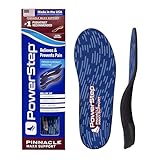
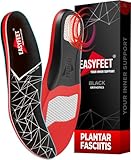
Best Full Length Orthotics:


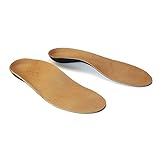
Best Dress Shoe Orthotics:


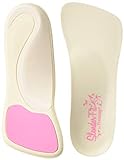
Best 3/4 Length Orthotics:


Heel pain in children can often be alarming for parents, especially when it interferes with daily activities like walking, running, or playing sports. While growing pains are common, persistent heel discomfort should not be ignored. Understanding the most common causes can help you determine the right time to seek professional care.
The most frequent cause of heel pain in children, Sever’s disease, occurs when the growth plate in the heel becomes inflamed due to repetitive stress. It typically affects active children between the ages of 8 and 14, especially those involved in sports that include running and jumping.
Children with flat feet or poor arch support may place extra strain on their heels. This biomechanical imbalance can lead to pain and discomfort, especially after long periods of standing or physical activity.
Shoes without adequate heel or arch support—like flip-flops or worn-out sneakers—can lead to heel pain in growing children. Proper footwear is crucial during periods of rapid growth.
Sports and other high-impact activities can place stress on the heel, especially when combined with inadequate stretching or recovery. This repetitive impact can inflame the tissues around the heel, leading to pain.
Though more common in adults, plantar fasciitis can also occur in children. This condition results from inflammation of the tissue that runs along the bottom of the foot, and it can cause sharp heel pain, especially in the morning.
A direct blow to the heel from jumping, running, or tripping can cause bruising or minor fractures, leading to pain and swelling.
If your child is experiencing heel pain that doesn’t improve within a few days, it’s important to seek evaluation from a specialist. At Balance Foot & Ankle, Dr. Tom Biernacki and our team provide compassionate, expert care to get your child back on their feet—pain-free.
The most common cause is Sever’s disease, a growth plate inflammation typically seen in active kids aged 8–14.
While not always serious, untreated heel pain can lead to long-term foot issues. It’s best to consult a specialist early.
Yes, flat feet can strain the heel and Achilles tendon, contributing to pain during walking or running.
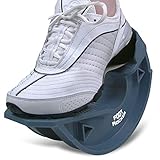
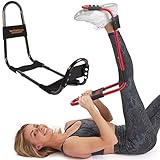
Treatment usually includes rest, ice, heel lifts, stretching, and supportive footwear. Custom orthotics may also help.
If heel pain lasts more than a week or affects walking, it’s time to see a pediatric podiatrist.
Absolutely. Repetitive impact from sports like soccer, basketball, or gymnastics often triggers heel pain.
Yes, orthotics can correct biomechanical issues and provide relief from conditions like flat feet and Sever’s disease.
Temporary rest is usually recommended, but with proper treatment, most kids can return to sports safely.
In rare cases, heel pain could signal fractures, infections, or other underlying issues—always get it checked if pain persists.
Ensure they wear proper shoes, warm up before activity, and avoid overtraining. Regular foot checks also help detect problems early.