

You are in the right place. Dr. Tom Biernacki, DPM, FACFAS — board-certified foot & ankle surgeon with 3,000+ surgeries — explains exactly what ankle swelling causes & treatment means and what actually works. Call (810) 206-1402 for a same-day appointment at our Howell or Bloomfield Hills office.
Quick answer: Treatment for ankle swelling causes treatment michigan follows a stepwise approach: 1) conservative care first (rest, ice, supportive footwear, OTC anti-inflammatories), 2) physical therapy and targeted exercises, 3) in-office treatments (injections, custom orthotics) if conservative fails at 4-6 weeks, 4) surgery for refractory cases. Most patients resolve at step 1 or 2. Call (810) 206-1402.
Medically reviewed by Dr. Tom Biernacki, DPM · Board-Certified Podiatric Surgeon · Last reviewed: April 2026 · Editorial Policy
The most important clinical decision with Ankle Swelling Causes Treatment Michigan isn’t which treatment to start with — it’s identifying the correct subtype. That changes everything. Call (810) 206-1402.
Quick Answer
Ankle Swelling: Causes & Treatment in Michigan relates to foot pain — typically caused by overuse, footwear, or biomechanics. Most patients improve in 6-12 weeks with conservative care. Same-week appointments in Howell + Bloomfield Hills: (810) 206-1402.

Medically reviewed by Dr. Tom Biernacki, DPM — Board-Certified Podiatric Surgeon — Balance Foot & Ankle, Howell & Bloomfield Hills, MI. Last updated April 2026.
▶ Watch
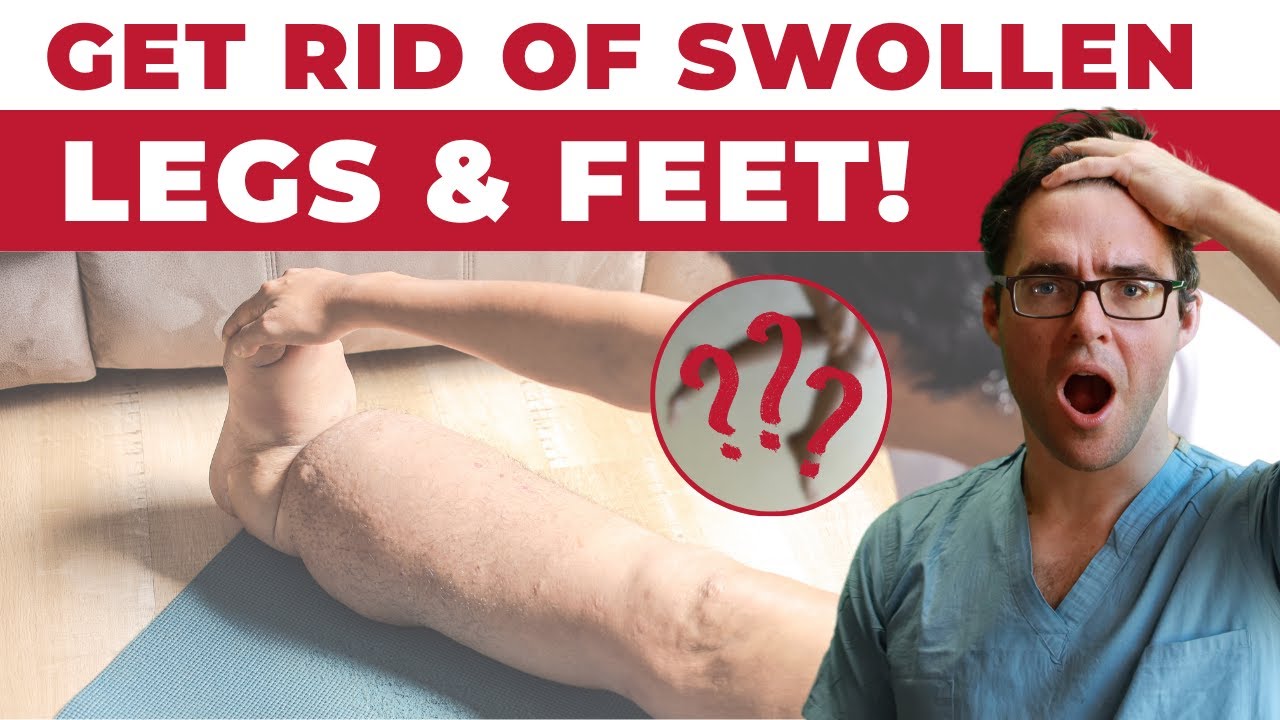
Ankle swelling is one of the most common complaints seen in both primary care and podiatry — but it has a many causes, from benign and self-limited to medically significant. At Balance Foot & Ankle in Southeast Michigan, Dr. Tom Biernacki evaluates ankle swelling systematically to identify the underlying cause and direct appropriate treatment, whether the problem is structural (a sprain, tendon injury, or arthritis) or requires coordination with other specialists (venous insufficiency, cardiac, renal, or lymphatic disease).
Common Causes of Ankle Swelling
The most common cause of acute unilateral ankle swelling is a lateral ankle sprain with ligament injury and local soft tissue edema. Bilateral ankle swelling that develops progressively through the day and resolves overnight is often dependent edema from prolonged standing, venous insufficiency, or medications (calcium channel blockers like amlodipine are a very common pharmaceutical cause). Post-traumatic swelling after ankle fracture or surgery is expected and self-limiting. Ankle arthritis (osteoarthritis, rheumatoid, psoriatic, post-traumatic) produces chronic joint swelling from synovitis and effusion. Gout causes acute, intensely painful monoarticular swelling — the ankle is the second most commonly affected joint after the first MTP joint. Peroneal or posterior tibial tendon tenosynovitis produces focal swelling along the tendon sheath. Systemic causes — congestive heart failure, chronic kidney disease, hypoalbuminemia from liver disease or malnutrition, and hypothyroidism — produce bilateral pitting edema that includes the ankles. Deep vein thrombosis (DVT) must be considered with any sudden, asymmetric leg and ankle swelling, particularly in patients with risk factors.
How We Evaluate Ankle Swelling
Evaluation begins with a detailed history: onset (acute vs. gradual), laterality (one vs. both ankles), relationship to activity and position (worse with standing, better overnight), associated symptoms (pain, warmth, redness, shortness of breath, decreased urine output), and medication review. Physical examination assesses whether the swelling is pitting or non-pitting, the distribution (ankle only vs. extending up the leg), skin changes (brawny discoloration suggesting chronic venous insufficiency, skin tightening suggesting lymphedema), joint line tenderness, and tendon sheath involvement. Ankle X-rays identify fracture, arthritis, and calcium pyrophosphate deposition. In-office ultrasound assesses tendon sheath fluid, joint effusion, and can screen for DVT of the proximal veins. Laboratory testing (uric acid, BMP, TSH, albumin, complete blood count) is ordered when systemic causes are suspected.
Treatment Based on Cause
Ankle sprain swelling is managed with RICE, NSAIDs, and bracing followed by peroneal strengthening. Venous insufficiency and dependent edema respond to graduated compression stockings (20–30 mmHg), leg elevation, and — when significant varicosities are present — referral to vascular medicine. Gout requires acute anti-inflammatory management (colchicine, NSAIDs, or prednisone) and long-term urate-lowering therapy with allopurinol or febuxostat. Arthritis swelling is managed with intra-articular steroid injection, activity modification, and orthotics. Systemic causes require coordination with the appropriate specialist — cardiologist, nephrologist, or endocrinologist. DVT requires urgent anticoagulation and referral to the emergency department or vascular surgery.
More Podiatrist-Recommended Foot Health Essentials
Hoka Clifton 10


Max-cushion everyday shoe — podiatrist favorite for walking and running.

OOFOS Recovery Slide

Impact-absorbing recovery sandal — wear after long days on your feet.
As an Amazon Associate, Balance Foot & Ankle earns from qualifying purchases. Product recommendations are based on clinical experience; prices and availability shown above update live from Amazon.

When to See a Podiatrist
If foot or ankle pain has been bothering you for more than a few weeks, home care alone may not be enough. Balance Foot & Ankle offers same-week appointments at our Howell and Bloomfield Hills clinics — no referral needed in most cases. Bring your current shoes and a short list of symptoms and we’ll build you a treatment plan in one visit.
Call Balance Foot & Ankle: (810) 206-1402 · Book online · Offices in Howell & Bloomfield Hills
Frequently Asked Questions
When should I see a doctor for ankle swelling?
See a doctor promptly if ankle swelling: is sudden and associated with calf pain or redness (possible DVT); is associated with shortness of breath or chest pain (possible cardiac or pulmonary cause); is unilateral with no obvious injury; involves the whole leg and doesn’t resolve overnight; or is accompanied by skin breakdown or ulceration. Swelling after a clear ankle injury that doesn’t improve in 1–2 weeks also warrants evaluation.
Can ankle swelling be a sign of heart disease?
Yes. Bilateral pitting ankle edema that worsens through the day and is accompanied by shortness of breath, fatigue, and difficulty lying flat can be a sign of congestive heart failure. This warrants urgent medical evaluation. Not all ankle edema is cardiac — venous insufficiency and medications are more common causes — but the combination of bilateral edema with cardiorespiratory symptoms should not be ignored.
Why does one ankle swell more than the other?
Asymmetric ankle swelling suggests a local cause — injury (sprain, fracture), joint inflammation (gout, arthritis), tendon sheath infection or tenosynovitis, DVT, or lymphedema from prior infection or surgery on one side. Bilateral causes (heart failure, venous disease, medications) typically affect both ankles relatively symmetrically. Significantly asymmetric swelling warrants imaging to exclude DVT and local structural causes.
Persistent ankle swelling deserves a thorough evaluation, not guesswork. Contact Balance Foot & Ankle to schedule with Dr. Biernacki in Southeast Michigan for an accurate diagnosis and targeted treatment.
Dr. Tom’s Recommended Products for Foot & Ankle Swelling
📍 Located in Michigan?
Our board-certified podiatrists treat this condition at two convenient locations. Same-day appointments often available.
These are products I personally use and recommend to my patients at Balance Foot & Ankle.
- Physix Gear Compression Socks 20-30mmHg — Medical-grade 20–30 mmHg compression reduces ankle edema and venous insufficiency symptoms
- Jobst Relief Knee-High Compression 20-30mmHg — Graduated compression from ankle to knee — the clinical standard for lymphedema and post-surgical edema
- Foundation Wellness DASS Compression Socks (Levanta) — medical-compression with seamless toe for all-day edema management
Affiliate disclosure: As an Amazon Associate, Balance Foot & Ankle earns from qualifying purchases. We only recommend products we trust for our own patients.
🧦 Dr. Tom’s Pick: DASS Medical Compression Socks
Medical-grade 15-20 mmHg graduated compression. DASS socks are the brand I recommend most to patients with swollen feet, poor circulation, and post-surgery recovery. Graduated compression means tightest at the ankle, gradually releasing up the leg — promoting upward venous blood flow.
View DASS Compression Socks on Amazon →📧 Get Dr. Tom’s Free Lab Test Guide
Discover the 5 lab tests every person over 35 should ask their doctor about — explained in plain English by a board-certified physician.
Affiliate disclosure: As an Amazon Associate, Balance Foot & Ankle earns from qualifying purchases.
Join 950,000+ Learning About Foot Health
Dr. Tom shares honest medical advice, supplement reviews, and treatment guides you won’t find anywhere else.
Subscribe on YouTube →Medically Reviewed by: Dr. Tom Biernacki, DPM — Board-Certified Podiatrist, Balance Foot & Ankle Specialists

Insurance Accepted
BCBS · Medicare · Aetna · Cigna · United Healthcare · HAP · Priority Health · Humana · View All →
Howell Office
4330 E Grand River Ave
Howell, MI 48843
Get Directions →
Bloomfield Hills Office
43494 Woodward Ave, #208
Bloomfield Hills, MI 48302
Get Directions →
Your Board-Certified Podiatrists



Ready to Get Back on Your Feet?
Same-week appointments available at both locations.
Book Your AppointmentPros & Cons of Conservative Care for foot care
Advantages
- ✓ Conservative care first
- ✓ Same-week appointments
- ✓ Multiple insurance accepted
Considerations
- ✗ Self-treatment can mask issues
- ✗ See a podiatrist if pain >2 weeks
Dr. Tom’s Recommended Products for foot care
Affiliate disclosure: As an Amazon Associate, Balance Foot & Ankle earns from qualifying purchases. We only recommend products we use with patients.
Footnanny Heel Cream Dr. Tom’s Pick
Best for: Daily moisturizer for cracked heels
Ready to Get Back on Your Feet?
Same-day appointments in Howell + Bloomfield Hills. Most insurance accepted. Dr. Tom Biernacki, DPM & team.
Book Today — Same-Day Appointments Available
Call Now: (810) 206-1402
About Your Care Team at Balance Foot & Ankle
Dr. Tom Biernacki, DPM · Board-Certified Foot & Ankle Surgeon. Specializes in conservative-first care, minimally invasive bunion surgery, and complex reconstruction.
Dr. Carl Jay, DPM · Accepting new patients. Specializes in sports medicine, athletic injuries, and routine podiatric care.
Dr. Daria Gutkin, DPM, AACFAS · Accepting new patients. Specializes in surgical reconstruction and pediatric podiatry.
Locations: 4330 E Grand River Ave, Howell, MI 48843 · 43494 Woodward Ave Suite 208, Bloomfield Hills, MI 48302
Hours: Mon–Fri 8:00 AM – 5:00 PM · (810) 206-1402
Visit Balance Foot & Ankle — Same-Day Appointments Available
Our podiatry team serves patients throughout Michigan including Howell, Brighton, and Bloomfield Hills. If you’re dealing with heel pain, ingrown toenails, or a foot injury, we have same-day appointment availability.
Same-day appointments available. (810) 206-1402
Doctor Hoy’s Natural Pain Relief Gel
Natural topical pain relief I use in our clinic. Arnica + camphor formula — apply directly to the area 3–4x daily. ($20–25)
Shop Doctor Hoy’s →Frequently Asked Questions
How long does treatment take to work?
Most patients see improvement in 4-8 weeks with consistent conservative care. Persistent symptoms after 8 weeks need imaging and escalation.
When is surgery needed?
Surgery is reserved for cases that fail 3-6 months of conservative care, structural deformities, or fractures requiring stabilization.
Is this covered by insurance?
Most diagnostic visits and conservative treatments are covered by Medicare and major insurers. Custom orthotics often require diabetic or post-surgical justification.
Ready to fix this for good?
Reading goes only so far. The fastest path to relief is a 30-minute office visit with Dr. Biernacki — same-day Howell or Bloomfield Hills. Call (810) 206-1402 or use our online booking.
Our podiatrists treat the underlying cause, not just the symptom. Same-week appointments at our Howell and Bloomfield Hills, Michigan offices.
Ready for Expert Care?
Same-day appointments in Howell & Bloomfield Hills, MI.
4.9★ | 1,123 Reviews | 3,000+ Surgeries
Or call: (810) 206-1402

Dr. Tom Biernacki, DPM is a board-certified foot & ankle surgeon (ABFAS & ABPM) at Balance Foot & Ankle Specialists in Southeast Michigan. With over a decade of clinical experience, he specializes in heel pain, bunions, diabetic foot care, sports injuries, and minimally invasive surgery. Dr. Biernacki is a member of the APMA and ACFAS, and his patient education content on MichiganFootDoctors.com and YouTube has made him one of the most-followed foot & ankle educators on YouTube.