
Medically reviewed by Dr. Tom Biernacki, DPM
Board-certified podiatric surgeon | Balance Foot & Ankle
Last reviewed: May 2026
The most important clinical decision with Arch Supports for Foot Pain Guide 2026 | Podiatrist isn’t which treatment to choose — it’s identifying which subtype you have first. Our podiatrists see patients treated for the wrong subtype for months before the correct diagnosis leads to full resolution. Call (810) 206-1402 — expert podiatric care across Michigan.
Not All Arch Supports Work the Same Way
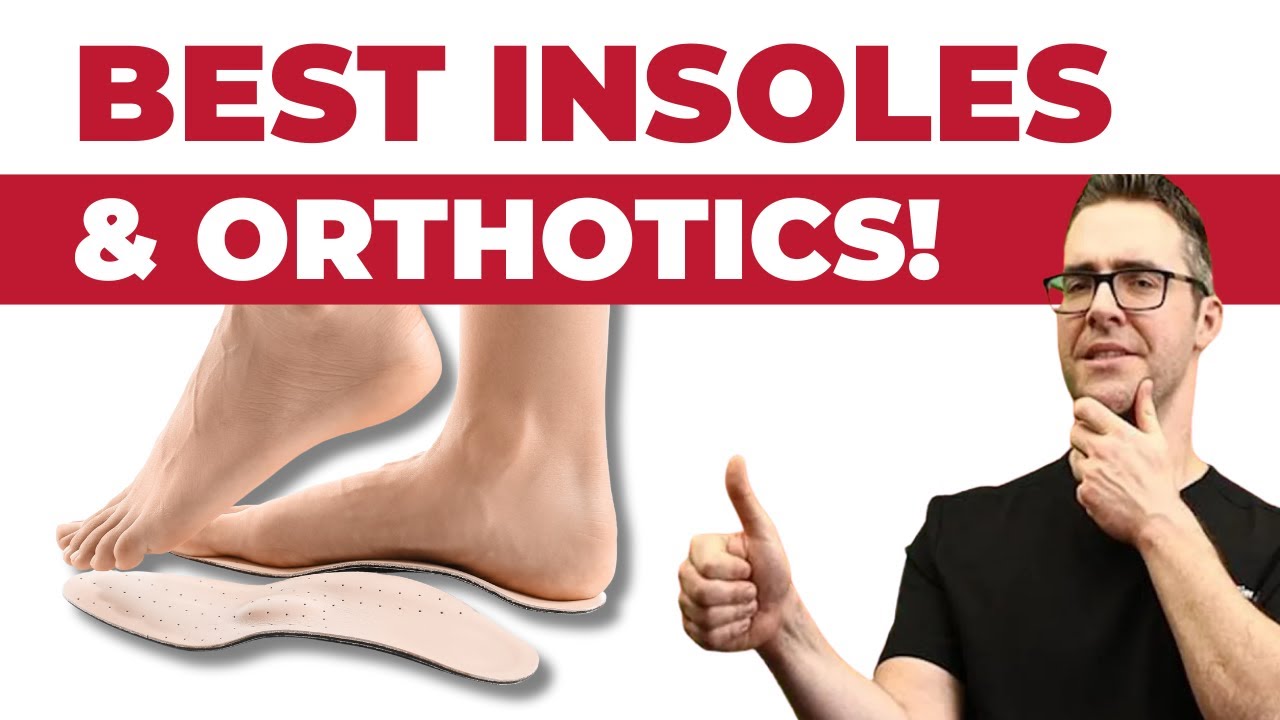
Walk into any pharmacy and you’ll find an overwhelming wall of arch supports — gel, foam, carbon fiber, cork, full-length, three-quarter length, sport, dress, diabetic. The choices can be paralyzing, and many patients end up buying something that doesn’t match their actual condition. After two decades of fitting orthotics and reviewing the research, here’s my honest guide to navigating arch supports — from the $20 drugstore option to the $500 custom device, so you can make the best decision for your feet and your budget.

The 3 Types of Arch Supports
1. Soft/Cushioning Arch Supports
Soft arch supports (foam, gel, memory foam) are designed for comfort and pressure distribution rather than biomechanical correction. They work well for: fat pad atrophy (cushioning on hard floors), mild metatarsalgia, diabetic foot pressure distribution, and general shoe comfort for low-demand use. They provide minimal rearfoot motion control — the foam compresses quickly underload, allowing the foot to pronate normally. Best candidates: older adults with thinning foot pads, patients needing pressure offloading rather than motion control, and diabetic patients with custom diabetic footwear.
2. Semi-Rigid Arch Supports
Semi-rigid orthotics use a combination of a firmer shell (plastic, cork, or carbon fiber) with a soft top cover. This is the most versatile category — providing meaningful rearfoot control while accommodating the foot sufficiently for all-day comfort. Most quality OTC arch supports (Superfeet Green, Powerstep Pinnacle, Spenco Total Support) are semi-rigid. They’re effective for mild-to-moderate plantar fasciitis, mild overpronation, and general arch support needs. Research suggests semi-rigid OTC supports provide 60–70% of the therapeutic benefit of custom orthotics for straightforward plantar fasciitis.
3. Rigid Functional Orthotics
Rigid functional orthotics — typically custom-made from polypropylene, carbon fiber, or graphite — provide maximum rearfoot and midfoot motion control. They’re prescribed for conditions requiring precise biomechanical correction: posterior tibial tendon dysfunction, severe overpronation, high-arched feet with lateral instability, post-surgical support, and diabetic Charcot foot. Rigid orthotics are less comfortable initially (2–4 week break-in) but produce superior long-term outcomes for these structural conditions compared to semi-rigid alternatives.
Key takeaway: Match the rigidity to your condition. Comfort/cushioning issues → soft. Mild-to-moderate plantar fasciitis or general overpronation → semi-rigid OTC. Progressive flat feet, PTTD, structural deformity, or failed OTC → rigid custom. Buying the wrong type wastes money and delays recovery.
Best OTC Arch Supports by Condition
For patients who want to try OTC before committing to custom, here are our clinic’s recommendations by condition:
- Plantar fasciitis: Superfeet Green (firm arch cup, deep heel cup) or Powerstep Pinnacle (semi-flexible with good heel control)
- Flat feet / overpronation: Superfeet Blue (moderate control, broader fit) or Spenco Polysorb Cross Trainer
- High arches: Superfeet Orange or Sof Sole Arch — avoid high-arch supports designed for flat feet (will overcorrect)
- Metatarsalgia / ball of foot pain: Powerstep ProTech Full Length with metatarsal pad
- Heel pain / fat pad atrophy: Talar Made Heel Cup or Silipos gel heel cup
- Diabetic / sensitive feet: Apex Ultra-Depth diabetic insole or Propet diabetic insert
When to Upgrade to Custom Orthotics
Custom orthotics are worth the investment in these specific situations:
- OTC failed after 8–10 weeks of consistent use without meaningful improvement
- Posterior tibial tendon dysfunction — requires precise UCBL-style correction beyond OTC capability
- Post-surgical accommodation — specific pressure offloading after bunion, hammertoe, or flatfoot surgery
- Diabetic neuropathy with high-risk pressure points — total contact design requires custom fabrication
- Leg length discrepancy — requires built-in heel lifts calibrated to measurement
- Pediatric flatfoot with pain — growing foot requires periodic recasting as the child’s foot changes
- Narrow or unusual foot shapes — OTC insoles don’t fit properly in the shoe
How to Use Arch Supports Correctly
Even the right arch support fails if used incorrectly. Common mistakes we see in clinic:
- Wrong shoe: Arch supports require a shoe with sufficient volume — they won’t fit in low-volume fashion shoes or flats without cutting them down
- Wearing in flat shoes or barefoot at home: Going barefoot at home immediately undoes any progress — wear supportive shoes or sandals all day
- Not breaking in gradually: New rigid orthotics should be worn 2 hours/day for the first week, increasing by 1 hour daily to allow tissue adaptation
- Replacing insoles infrequently: OTC insoles lose 50% of their effectiveness in 6–12 months; custom orthotics need assessment every 2–3 years
- Using in the wrong shoe type: A running orthotic won’t function in a dress shoe — you often need different supports for different activities
⚠️ See a podiatrist before buying arch supports if you have:
- Diabetes or peripheral neuropathy — wrong pressure can cause undetected ulcers
- Progressive flatfoot deformity — needs proper diagnosis before support choice
- Post-surgical foot — specific offloading requirements
- Arch pain that has worsened with every OTC support you’ve tried
- Rheumatoid arthritis or other inflammatory joint conditions affecting the foot
Frequently Asked Questions
Are expensive custom orthotics always better than OTC?
Not always. For straightforward plantar fasciitis in a foot with normal structure, RCTs show quality OTC semi-rigid supports produce results statistically equivalent to custom at 3 months. The custom advantage becomes significant with structural deformity, PTTD, unusual foot shapes, diabetic pressure management, and cases where OTC has failed. We tell patients honestly when OTC is likely sufficient — we only prescribe custom when the condition or anatomy specifically warrants it.
How long does it take for arch supports to work?
Most patients notice initial comfort improvement within 1–2 weeks. Measurable reduction in plantar fasciitis pain typically occurs at 4–6 weeks with consistent use. Full benefit for structural conditions like PTTD may take 3 months as the foot adapts to the corrected position. Arch supports that feel worse after 4 weeks of proper break-in are likely the wrong type for your foot — come in for reassessment rather than continuing with something that’s not working.
The Bottom Line
Arch supports are one of the most effective conservative foot care tools available — when matched correctly to the condition and used consistently. Start with a quality OTC semi-rigid support for mild-to-moderate arch pain; upgrade to custom when your condition warrants it. The biggest mistake is spending money on the wrong type, using it inconsistently, or going barefoot at home and undoing all the benefit. If you’re not sure where to start, a single appointment with us will save you months of trial and error.
Need the Right Arch Support? Let Us Guide You.
Book online 24/7 in Howell & Bloomfield Township, MI
4.9★ | 1,200+ Reviews | 3,000+ Surgeries
Or call: (810) 206-1402
APMA: Arch Supports and Orthotics

Dr. Tom Biernacki, DPM is a board-certified foot & ankle surgeon (ABFAS & ABPM) at Balance Foot & Ankle Specialists in Southeast Michigan. With over a decade of clinical experience, he specializes in heel pain, bunions, diabetic foot care, sports injuries, and minimally invasive surgery. Dr. Biernacki is a member of the APMA and ACFAS, and his patient education content on MichiganFootDoctors.com and YouTube has made him one of the most-followed foot & ankle educators on YouTube.