
Medically reviewed by Dr. Tom Biernacki, DPM
Board-certified podiatric surgeon | Balance Foot & Ankle, Howell & Bloomfield Township, MI
Last reviewed: May 2026

| Walking Phase | Pain Timing | Most Likely Cause | First Fix |
|---|---|---|---|
| Heel strike | Pain at rear of ball of foot on landing | Fat pad atrophy; plantar fascia origin pain | Cushioned heel + arch support insole |
| Mid-stance (full weight) | Diffuse burning under metatarsal heads | Metatarsalgia; fat pad atrophy | Metatarsal pad proximal to heads |
| Toe-off (push-off) | Sharp under big toe joint on push-off | Sesamoiditis; hallux rigidus | Sesamoid pad; rocker-bottom shoe |
| Any phase; electric pain between toes | Radiating pain / numbness to 3rd-4th toes | Morton’s neuroma | Widen shoe + metatarsal pad + cortisone |
| After prolonged walking (>20 min) | Deep ache ball of foot builds with distance | Metatarsal stress fracture; capsulitis | Reduce mileage; podiatry evaluation |
| Instant Relief Strategy | How to Apply | Expected Effect |
|---|---|---|
| Metatarsal pad (self-adhesive) | Stick pad just proximal (behind) the metatarsal heads — NOT under them | Immediate pressure redistribution off painful heads |
| Wide toe-box shoe swap | Switch to shoe with >2.5″ toe box width; no taper | Immediate neuroma / compression relief |
| Ice soak (bucket of cold water) | 15 min after walking; reduces inflammation | Reduces post-walk soreness within minutes |
| NSAIDs (ibuprofen/naproxen) | 400–500mg with food before prolonged walking | Reduces inflammatory pain for 4–6 hours |
| Topical diclofenac (Voltaren) | Apply 4g to ball of foot 3–4× daily | Reduces joint/soft tissue pain over days–weeks |
A sharp pain at the ball of the foot has 4-5 causes — metatarsalgia, neuroma, sesamoiditis, capsulitis. Here is how we tell.
You are in the right place. Dr. Tom Biernacki, DPM, FACFAS — board-certified foot & ankle surgeon with 3,000+ surgeries — explains exactly what ball of foot pain when walking means and what works. Call (810) 206-1402 for same-day appointment at Howell or Bloomfield Township.
Quick answer: Ball Of Foot Pain Walking has multiple potential causes including mechanical, neurological, vascular, and inflammatory. The most common causes we identify are overuse, ill-fitting shoes, and biomechanical imbalance. Red flags requiring urgent evaluation: warmth/redness (infection), inability to bear weight (fracture), and unilateral swelling without injury (DVT). Call (810) 206-1402.
Medically Reviewed | Dr. Tom Biernacki, DPM | Board-Certified Podiatrist | Balance Foot & Ankle, Michigan

Watch: How to Cure Plantar Fasciitis in One Week? [FAST Heel Pain Relief!] — MichiganFootDoctors YouTube
The most important clinical decision with Ball Of Foot Pain Walking isn’t which treatment to start with — it’s identifying the correct subtype. That changes everything. Call (810) 206-1402.
Ball Of Foot Pain When Walking: Quick Answer
Ball of foot pain (metatarsalgia) is one of the most common and debilitating foot complaints – affecting 20-30% of adults at some point. Walking can become difficult; quality of life suffers. We treat thousands of cases yearly at Balance Foot and Ankle. Here are the 8 most common causes and effective treatments.
1. Generic Metatarsalgia
What it is: Inflammation of one or more metatarsal heads. Causes: Repetitive impact (running, dancing); high-arched feet; Mortons foot (long 2nd toe); aging fat pad; tight footwear. Symptoms: Burning, aching, sharp pain in ball of foot; “stone in shoe” feeling; worse with weight bearing. Treatment: Custom orthotics with metatarsal pad; cushioned rocker shoes (Hoka, Brooks Beast); ice; activity modification; NSAIDs.
2. Mortons Neuroma
What it is: Nerve thickening between metatarsals (most common between 3rd-4th toes; sometimes 2nd-3rd). Symptoms: Burning, tingling, numbness; “pebble in shoe” feeling; worse with narrow shoes; relief when shoes off. Treatment: Wide-toe-box shoes; custom orthotics with metatarsal pad PROXIMAL to neuroma; cortisone injection (60-70% relief); alcohol sclerosing injections; surgical neurectomy for refractory cases.
3. Sesamoiditis
What it is: Inflammation of the small bones (sesamoids) under the big toe joint. Symptoms: Pain UNDER big toe joint; tender to direct pressure; worse with push-off. Treatment: Stiff-soled rocker shoes; custom orthotic with sesamoid-relief cutout; ice; NSAIDs; possibly cortisone injection or walking boot for severe cases.
4. Plantar Plate Tear
What it is: Tear of the ligament beneath a metatarsal head (most often 2nd metatarsal). Symptoms: Pain at specific metatarsal head; sometimes “floating toe” (toe lifts away from ground); worse with push-off. Diagnosis: Diagnostic ultrasound or MRI. Treatment: Walking boot 4-6 weeks; metatarsal pad; sometimes surgery for severe tears with toe deformity.
5. Stress Fracture of Metatarsal
What it is: Microscopic crack in metatarsal bone. Risk factors: Sudden activity increase; runners; military recruits; female athlete triad; vitamin D deficiency. Symptoms: Localized pinpoint pain on specific metatarsal; worsens with weight bearing; may persist with rest. Diagnosis: X-ray often misses early – MRI gold standard. Treatment: Walking boot 6-8 weeks.
6. Hallux Limitus / Rigidus
What it is: Big toe joint arthritis with limited motion. Symptoms: Pain at big toe joint with push-off; stiffness; sometimes pain in ball of foot from compensation. Treatment: Stiff-soled rocker shoes; carbon fiber footplate; custom orthotic with Morton extension; surgery for severe cases.
7. Bunion-Related Pain
What it is: Bunion deformity causes altered loading and pain at and around big toe joint. Symptoms: Pain at bunion bump; sometimes secondary pain at 2nd metatarsal head from shifted loading. Treatment: Wide-toe-box shoes; custom orthotics with metatarsal pad; bunion sleeves; surgery for severe symptomatic cases.
8. Aging Fat Pad Atrophy
What it is: Natural age-related thinning of plantar fat pad under metatarsal heads. Risk factors: Age over 60; multiple cortisone injections; significant weight loss; certain medical conditions. Treatment: Maximum cushioning shoes (Hoka Bondi, Brooks Glycerin); gel forefoot pads; custom orthotics with metatarsal pad and cushioning. Cannot be reversed but can be effectively managed.
Conservative Treatment Approach
First-line for most causes: 1. Properly fitted shoes: wide toe box, cushioned forefoot, stiff sole with rocker. 2. Custom orthotics with metatarsal pad: redistributes pressure away from painful area; resolves 70-80% of cases. 3. Activity modification: reduce impact activities during recovery. 4. Ice: 15-20 minutes after walking. 5. NSAIDs short-term. 6. Cortisone injection for refractory cases (cautious use due to fat pad atrophy risk).
When to See a Podiatrist
See us if: ball of foot pain persists 2-4 weeks despite shoes and rest; localized pinpoint pain on specific metatarsal (rule out stress fracture); burning/tingling between toes (Mortons neuroma); visible deformity progression; severe pain limiting walking; recurring same-area pain. In-office diagnostic ultrasound available for soft tissue evaluation. Same-week appointments at Balance Foot and Ankle. Schedule online.
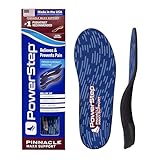
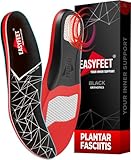
Podiatrist-Recommended Products


Frequently Asked Questions About Ball Of Foot Pain When Walking
What causes ball of foot pain when walking?
Most common: metatarsalgia (general inflammation), Mortons neuroma (burning between toes), sesamoiditis (under big toe). Less common: plantar plate tear, stress fracture, hallux limitus, bunion-related pain, aging fat pad atrophy.
How do I treat ball of foot pain at home?
Wide-toe-box cushioned shoes; rest from impact activities; ice 15-20 minutes after walking; OTC metatarsal pads; NSAIDs short-term. If no improvement in 2-4 weeks, see podiatrist.
Will custom orthotics help ball of foot pain?
Yes – custom orthotics with metatarsal pad resolve 70-80% of metatarsalgia, Mortons neuroma, sesamoiditis, and similar conditions when paired with proper shoes.
What shoes are best for ball of foot pain?
Maximum cushioning with rocker geometry: Hoka Bondi 8, Brooks Beast, On Cloudmonster. Wide toe box; cushioned forefoot; stiff sole. AVOID high heels, flat unsupportive shoes.
How do I know if its Mortons neuroma vs metatarsalgia?
Neuroma: burning/tingling/numbness BETWEEN toes; “pebble in shoe” feeling. Metatarsalgia: more diffuse aching/burning at metatarsal heads. Diagnostic ultrasound differentiates.
When should I worry about ball of foot pain?
Localized pinpoint pain on specific metatarsal (rule out stress fracture); burning between toes (Mortons neuroma); visible deformity progression; severe pain limiting walking; pain not improving with rest.
Should I get cortisone for ball of foot pain?
Considered for refractory cases. Use cautiously due to fat pad atrophy risk (limit to 2-3 lifetime injections). Better long-term: custom orthotics, proper shoes, address underlying cause.
Related Resources from Balance Foot & Ankle
Still Dealing With Ball Of Foot Pain When Walking?
Same-week appointments at Balance Foot & Ankle in Howell & Bloomfield Township, MI.
Book Your AppointmentFrequently Asked Questions
When should I see a doctor?
See a podiatrist if pain persists past 2 weeks, prevents normal activity, or is accompanied by red-flag symptoms (warmth, swelling, numbness, inability to bear weight).
Can I treat this at home?
Mild cases respond to RICE protocol (rest, ice, compression, elevation), supportive shoes, and OTC anti-inflammatories. Persistent symptoms need professional evaluation.
How long does it take to heal?
Most soft tissue injuries resolve in 2-6 weeks with appropriate care. Bone injuries take 6-12 weeks. Chronic conditions need longer-term management.
⚠️ Most Common Mistake: Ignoring persistent foot pain and continuing normal activity without evaluation. Early podiatric care prevents minor foot issues from becoming chronic, difficult-to-treat conditions.
Frequently Asked Questions
In-Office Treatment at Balance Foot & Ankle
If home treatment isn’t providing relief for your ball of foot pain or callus, our podiatry team at Balance Foot & Ankle can help with same-day evaluations and advanced in-office care.
Same-day appointments available. (810) 206-1402
Doctor Hoy’s Natural Pain Relief Gel
Natural topical pain relief I use in our clinic. Arnica + camphor formula — apply directly to the area 3–4x daily. ($20–25)
Shop Doctor Hoy’s →🏥 Recommended by Dr. Biernacki — Foundation Wellness Products
These are the same products Dr. Biernacki recommends to his patients at Balance Foot & Ankle in Michigan. Available through our trusted partners.
Ready to Get Relief?
Same-day appointments available in Howell & Bloomfield Township, MI
4.9★ | 1,123 Reviews | 3,000+ Surgeries
Or call: (810) 206-1402

Dr. Tom Biernacki, DPM is a board-certified foot & ankle surgeon (ABFAS & ABPM) at Balance Foot & Ankle Specialists in Southeast Michigan. With over a decade of clinical experience, he specializes in heel pain, bunions, diabetic foot care, sports injuries, and minimally invasive surgery. Dr. Biernacki is a member of the APMA and ACFAS, and his patient education content on MichiganFootDoctors.com and YouTube has made him one of the most-followed foot & ankle educators on YouTube.