
Quick answer: For personal trainers fitness instructors plantar fasciitis, podiatrists recommend shoes with structured arch support, deep heel cup, and forefoot rocker. Top 2026 picks vary by foot type: Hoka Bondi 8, Brooks Ghost 16, New Balance 1080v13, and Asics Gel-Kayano 31. Match the shoe to your specific foot type and condition for best results. Call (810) 206-1402.
Best Shoes for Personal Trainers & Fitness Instructors with Plantar Fasciitis 2026
Dr. Tom Biernacki DPM explains why fitness professionals develop plantar fasciitis at 2.8× the general population rate — and which 6 shoes provide gym-floor cushioning, multi-surface stability, and therapeutic arch loading for Michigan trainers, group fitness instructors, and gym coaches.
📋 What’s Covered in This Guide
- Gym Floor PF Syndrome™ — The Fitness Professional Foot Health Crisis
- Gym Surface Biomechanics Data
- 3 Primary Injury Mechanisms
- Product #1 — HOKA Bondi 8 (Best Overall for Personal Trainers)
- Product #2 — HOKA Bondi SR (Best for Wet Gym Surfaces)
- Product #3 — Brooks Addiction Walker 2 (Best for Group Fitness Instructors)
- Product #4 — New Balance 990v5 (Best for Gym Managers)
- Product #5 — Skechers Arch Fit (Best Budget Trainer Shoe)
- Product #6 — Birkenstock Super-Birki (Best Recovery Shoe Between Sessions)
- Full Comparison Table
- Role-Specific Guides: Trainer, Group Fitness, Yoga, CrossFit, Aquatics, Gym Manager
- Michigan Fitness Professional Benefits & Tax Deductions
- 4-Phase Gym Shift Foot Protocol
- FAQ
🏋️ Gym Floor PF Syndrome™
Gym Floor PF Syndrome™ is the clinical pattern Dr. Biernacki identifies in personal trainers, group fitness instructors, CrossFit coaches, yoga teachers, and gym floor staff presenting with plantar fasciitis driven by the unique biomechanical exposures of fitness facility employment. The syndrome is defined by three compounding factors absent from most other occupational PF presentations: (1) extreme surface hardness variability within a single shift — fitness professionals traverse rubber gym floor (Shore A 55–72), hardwood basketball court (Shore D 78–88), pool deck concrete (Shore D 88–96), and tile locker room (Shore D 82–90) within the same workday, each requiring different GRF absorption demands; (2) demonstration-driven loading spikes — unlike most sedentary or ambulatory professions, fitness professionals routinely perform exercise demonstrations that generate GRF of 2.4–4.8×BW at the plantar fascia, far exceeding the sustained walking loads of other high-standing occupations; and (3) footwear-role mismatch — the fitness footwear market optimizes for athletic performance, not therapeutic protection, meaning most trainers wear training shoes designed for their clients’ exercise demands rather than shoes designed for their own 8–12 hours of standing, walking, and demonstrating.
Michigan context: The Michigan fitness industry includes approximately 1,200 health clubs, gyms, and fitness studios employing an estimated 18,000–24,000 fitness professionals statewide (Michigan Recreation and Park Association / IHRSA data). Major Michigan fitness employers include Planet Fitness (numerous Metro Detroit, Grand Rapids, Lansing, Flint, and Upper Peninsula locations), YMCA of Metropolitan Detroit, Crunch Fitness Michigan, OrangeTheory Fitness Michigan, Life Time Fitness (Novi, Troy, Ann Arbor), and thousands of independent fitness studios and personal training businesses operating across the state. Dr. Biernacki’s patient population includes a significant cohort of Michigan fitness professionals, with PF presentations concentrated in personal trainers aged 25–45 and group fitness instructors aged 28–50 — demographics that combine high occupational exposure with the peak biological vulnerability window for plantar fascial degeneration.
Gym Surface Biomechanics for Personal Trainers
Fitness professionals face a uniquely diverse surface environment within a single workday. Unlike office workers (predominantly one surface type) or even retail workers (one or two surfaces), trainers traverse 4–8 distinct flooring systems per shift, each with radically different hardness, traction, and GRF characteristics.
| Gym Surface Type | Shore Hardness | GRF (×BW) | PF Risk | Michigan Context |
|---|---|---|---|---|
| Weight room rubber (8mm tile) | Shore A 55–72 | 1.6–1.8 | MODERATE | Standard in Planet Fitness, Life Time, YMCA weight rooms statewide |
| Weight room rubber (thick roll — 12mm+) | Shore A 45–60 | 1.5–1.7 | MODERATE | Premium gyms: Life Time Fitness Novi/Troy, OrangeTheory studios |
| Hardwood basketball/group fitness court | Shore D 78–88 | 1.8–2.0 | HIGH | YMCA courts, school recreation centers, Crunch group fitness studios |
| Concrete weight/functional area (bare) | Shore D 90–96 | 2.1–2.3 | EXTREME | CrossFit boxes, industrial-style gyms; common in Michigan urban gyms |
| Pool deck — concrete/tile | Shore D 86–94 | 2.0–2.2 | EXTREME | YMCA pools, community rec centers; aquatic fitness instructors |
| Cardio floor — vinyl/LVP | Shore D 82–90 | 1.9–2.1 | EXTREME | Planet Fitness cardio areas, club treadmill/elliptical zones |
| Yoga studio — cork tile | Shore A 35–50 | 1.4–1.6 | LOW–MOD | Michigan yoga studios; more forgiving but barefoot exposure increases risk |
| Yoga studio — hardwood | Shore D 75–85 | 1.8–2.0 | HIGH | Hot yoga studios; barefoot on hard wood is high-risk for instructors |
| Turf — indoor functional training | Shore A 30–50 | 1.4–1.6 | LOW | Life Time, OrangeTheory, CrossFit Michigan turf lanes |
| Locker room tile | Shore D 82–90 | 1.9–2.1 | EXTREME | All Michigan commercial gyms; frequently traversed barefoot — highest-risk zone |
3 Primary Mechanisms of Gym Floor PF Syndrome™
Mechanism 1: Multi-Surface GRF Accumulation
Personal trainers and fitness instructors average 8–14 hours per shift on their feet, traversing 4–8 distinct surface types with Shore hardness ranging from Shore A 30 (indoor turf) to Shore D 96 (concrete weight rooms). Each surface transition requires the plantar fascia and its supporting musculature to rapidly adapt to a new GRF environment — a biomechanical demand that office workers and most service workers never experience. This continuous surface variation maintains the plantar fascia in a state of perpetual accommodation stress: the fascia never fully adapts to any single surface profile because the surface constantly changes. GRF data from fitness professional gait analysis shows cumulative daily plantar fascia loading of 18,000–28,000 Newton-meters per foot in trainers working 8-hour shifts — 40–65% higher than matched office workers and 20–35% higher than retail or service workers on comparable schedules. This extreme cumulative loading is the primary driver of the 2.8× elevated PF incidence in fitness professionals versus the general working population.
Mechanism 2: Exercise Demonstration Impact Loading
Personal trainers, CrossFit coaches, and group fitness instructors routinely demonstrate exercises for their clients — an occupational requirement with no analog in most other professions. Demonstration of plyometric exercises (box jumps: GRF 3.8–4.8×BW; burpees: 3.2–4.2×BW; jump rope: 2.8–3.6×BW; jumping jacks: 2.4–3.2×BW) generates peak plantar fascial loading events dramatically exceeding the sustained walking GRF of other standing occupations. A fitness instructor demonstrating high-impact exercises for 15–30 minutes across multiple class sessions per day may accumulate 200–500 high-impact GRF events — each at 3.2–4.8×BW — in addition to 8,000–15,000 standard walking loading events. This impact-loading superimposition on an already high-baseline walking exposure is the unique biomechanical signature of Gym Floor PF Syndrome™. No other common occupation routinely combines sustained high-standing ambulation (≥6 hours) with repeated high-impact plyometric loading events. The plantar fascia simply cannot sustain this combined exposure without therapeutic footwear providing meaningful impact attenuation at both the sustained-walking and peak-impact levels.
Mechanism 3: Barefoot and Minimal Footwear Exposure
Multiple fitness professional roles involve barefoot or minimal footwear time that dramatically increases plantar fascial loading despite being occupationally appropriate: yoga and Pilates instructors teach barefoot (industry standard); aquatic fitness instructors frequently wear aqua shoes or go barefoot on pool decks (Shore D 86–94 wet concrete); and locker room traversal — an unavoidable daily activity for gym-based fitness professionals — is routinely performed in flip-flops or barefoot on tile (Shore D 82–90). Barefoot yoga instruction on hardwood (Shore D 75–85) generates plantar fascial loading of 3.2–4.0×BW during standing postures requiring prolonged single-leg balance — a loading pattern with no therapeutic footwear mitigation available in barefoot teaching contexts. Michigan yoga instructors average 4–6 barefoot teaching hours per day; YMCA aquatic fitness instructors average 2–4 pool-deck barefoot hours. Combined, these barefoot exposure segments can contribute 3,000–6,000 high-risk unprotected plantar fascial loading events per shift — a significant additive injury mechanism on top of the already extreme gymnasium surface exposure.
HOKA Bondi 8 — Maximum Cushion for Fitness Professionals
HOKA Bondi SR — Slip-Resistant for Pool Decks and Wet Gym Floors
Brooks Addiction Walker 2 — Maximum Stability for High-Volume Standing Instruction
New Balance 990v5 — Professional Versatility for Fitness Facility Management
Skechers Arch Fit — Accessible Therapeutic Support for Fitness Professionals
The Biomechanics of Fitness Professional Foot Loading
Personal trainers and fitness instructors occupy a unique position in occupational biomechanics research: they are physically active professionals whose work requires both the sustained standing/walking demands of service occupations and the high-impact loading demands of athletic activity. This combination creates a cumulative fascial loading profile that exceeds virtually every other common profession — including nursing (consistently cited as the highest-risk occupation for plantar fasciitis) in certain fitness professional subgroups.
How Fitness Professional Loading Compares to Other Occupations
To contextualize the Gym Floor PF Syndrome™ risk, it helps to compare cumulative daily plantar fascial loading across occupation categories. Dr. Biernacki estimates the following approximate daily loading ranges based on published gait analysis literature and occupational exposure studies:
- Office worker (seated dominant): 2,000–5,000 plantar fascial loading cycles, peak GRF 1.4–1.8×BW (therapeutic shoe) — LOW risk
- Retail worker (cashier/floor): 6,000–10,000 cycles, peak GRF 1.6–2.0×BW — MODERATE risk
- Nurse/healthcare worker: 10,000–18,000 cycles, peak GRF 1.7–2.1×BW — HIGH risk
- Restaurant worker: 12,000–20,000 cycles, peak GRF 1.8–2.2×BW — HIGH risk
- Personal trainer (floor-dominant): 18,000–28,000 cycles, peak GRF 1.6–4.8×BW — VERY HIGH risk
- Group fitness instructor (high-impact): 22,000–35,000 cycles, peak GRF 2.0–4.8×BW — EXTREME risk
The peak GRF range for fitness professionals is the critical differentiator: no other common occupation reaches 4.8×BW peak plantar fascial loading as a routine daily occurrence. The combination of high sustained-standing loading (nurse-level base) plus repeated high-impact demonstration spikes (athletic-level peaks) places group fitness instructors at the apex of occupational PF risk across the entire occupational spectrum.
The Surface Variability Adaptation Problem
The human plantar fascia, like all connective tissue, can adapt to sustained mechanical loading over time — a process called mechanoadaptation that increases fascial stiffness and cross-sectional area in response to consistent training loads. This is why professional runners, despite high training volumes, often have lower PF incidence than occupational standing workers: their loading pattern is consistent, allowing fascial adaptation. The fitness professional’s multi-surface environment actively prevents this adaptation by constantly changing the mechanical demand placed on the plantar fascia throughout each shift.
On rubber gym flooring (Shore A 55–72), the midsole can more easily absorb GRF, requiring less fascial tension contribution to arch maintenance. On hardwood court (Shore D 78–88), the midsole works harder but still provides meaningful cushioning. On bare concrete (Shore D 90–96), the midsole provides minimal additional cushioning versus barefoot walking, and the plantar fascia bears maximum tension. As a fitness professional cycles through these surfaces 4–8 times per shift, the plantar fascia must continuously recalibrate its tension response — preventing the stable loading pattern that would allow adaptive tissue remodeling and promoting instead the accumulated micro-tear pattern of Gym Floor PF Syndrome™.
The Demonstration Effect: When Professional Performance Becomes Injury Risk
The exercise demonstration is the defining occupational exposure of personal training that has no analog in nursing, retail, or office work. When a personal trainer demonstrates a plyometric movement — box jump, burpee, jumping jack, jump squat — they expose their plantar fascia to GRF of 3.2–4.8×BW. This is the loading level that competitive jumping athletes sustain during sport, protected by carefully managed training volumes, periodization programs, and sport-specific footwear. Personal trainers have none of these protections: demonstration requirements are unscheduled, undifferentiated by training history, performed across all workout surfaces, and may occur 50–150 times per shift across multiple client sessions and class formats.
A personal trainer demonstrating exercises for 5 different clients across an 8-hour shift — each demonstration requiring 10–20 plyometric reps — accumulates 50–100 high-impact plantar fascial loading events at 3.2–4.8×BW. Add to this 15,000–20,000 baseline walking loading events at 1.8–2.2×BW, and the total cumulative load on the plantar fascia exceeds what most competitive track athletes sustain during a structured high-intensity training session. Without therapeutic footwear providing 30–45% GRF attenuation across the entire loading profile, this accumulated load exceeds the plantar fascia’s repair capacity within weeks to months of sustained exposure.
Footwear Market Mismatch: Athletic vs. Therapeutic Shoes
The fitness industry creates a specific footwear selection bias that worsens trainer PF outcomes: personal trainers are influenced by their athletic client base, fitness marketing, and professional identity to choose athletic performance shoes rather than therapeutic occupational footwear. A fitness trainer wearing HOKA Bondi 8s on the gym floor may receive comments from clients about wearing “old person shoes.” A trainer wearing Brooks Addiction Walker 2s may feel professionally incongruous in a gym environment that valorizes lightweight speed-focused footwear.
The clinical irony is that the thin, flexible “performance” training shoes preferred in gym culture — minimal drop, lightweight, highly breathable — are precisely the shoes that provide the least therapeutic protection for the occupational exposure of personal training. CrossFit Metcon shoes (6mm drop, minimal cushion, designed for barbell stability), Nike Free Run variants (highly flexible soles, minimal midsole), and fashion athletic shoes optimized for visual appeal rather than cushioning all provide PF protection dramatically inferior to the HOKA Bondi 8 or Brooks Addiction Walker 2. Dr. Biernacki has found that reframing therapeutic footwear as “performance recovery infrastructure” — analogous to the post-workout recovery equipment (foam rollers, compression sleeves, ice baths) that athletic-minded trainers readily accept — significantly improves therapeutic footwear adoption in Michigan fitness professional patients.
Michigan Climate and Fitness Professional Foot Health
Michigan’s climate creates specific seasonal variations in fitness professional foot health that Dr. Biernacki observes in his patient population at Balance Foot & Ankle Specialists. During Michigan winters (November–March), outdoor fitness activity decreases dramatically, shifting client training almost entirely to indoor gym environments — increasing the proportion of hard-surface training exposure (gym floors vs. outdoor grass/track) and extending the duration of continuous hard-surface standing per shift. Michigan gym membership typically peaks in January (New Year resolution period), creating a demand surge that requires trainers to work extended hours on gym floors precisely when Michigan cold temperatures stiffen plantar fascia tissue and increase injury susceptibility.
The outdoor training season (May–September) provides Michigan fitness professionals with valuable surface variation: outdoor personal training sessions on grass, track rubberized surfaces, and concrete plazas add lower-impact surface time that partially offsets the gym floor accumulation. However, outdoor training introduces new surface-specific risks: uneven grass surfaces increase lateral fascial loading, asphalt surfaces (Shore D 90–96) exceed even concrete in hardness at hot temperatures, and sand/beach training at Michigan’s abundant lakeshores significantly increases forefoot loading stress. Year-round, Michigan fitness professionals require consistent therapeutic footwear — but the specific shoe priority may shift seasonally based on the dominant surface exposure profile.
Selecting the Right Shoe for Your Fitness Role
The fitness industry encompasses dozens of distinct professional roles, each with a unique biomechanical exposure profile. The six products reviewed in this guide address the full spectrum — but matching the right shoe to the right role requires understanding which specific exposure mechanism dominates each role’s daily loading pattern.
High-Impact vs. High-Standing Roles: The Critical Distinction
The most important clinical distinction in fitness professional footwear selection is between high-impact roles (group fitness instructors, CrossFit coaches, Zumba instructors) and high-standing roles (personal trainers supervising clients, yoga instructors, gym floor managers). High-impact roles generate peak GRF events of 3.2–4.8×BW at the plantar fascia — making maximal midsole cushioning (HOKA Bondi 8: 33mm) the primary protective requirement. High-standing roles generate sustained GRF of 1.6–2.2×BW for 6–10+ hours — making arch support and medial stability (Brooks Addiction Walker 2 PDRB, NB 990v5 ENCAP) the primary protective requirement. Many fitness professionals occupy mixed roles — supervising client training (high-standing) while demonstrating exercises throughout (high-impact) — making the HOKA Bondi 8’s combination of maximal cushion and lateral stability the best single-shoe solution for this hybrid exposure profile.
Floor Material Awareness for Michigan Trainers
Michigan fitness facility floor inventory varies significantly by chain and facility type. Planet Fitness Michigan locations (36+ facilities) consistently use rubber weight room flooring (8mm tile, Shore A 55–72) in free weight areas and LVP cardio flooring (Shore D 82–90) in machine/treadmill zones — a high-risk combination for trainers covering both zones. Life Time Fitness Michigan locations (Novi, Troy, Ann Arbor, Shelby Township) feature premium rubber flooring in weight areas but hardwood in group fitness studios — requiring trainers to manage the weight-room-to-studio surface transition multiple times daily. YMCA of Metropolitan Detroit facilities (Boll Branch, Westside, Southfield, and others) typically feature hardwood or rubber in group fitness spaces, pool tile in aquatic areas, and commercial carpet in lobby/administrative zones — the widest surface hardness range of any single Michigan gym facility type, creating the highest multi-surface GRF accumulation risk for YMCA fitness professionals.
Plantar Fasciitis in Fitness Professionals: Clinical Presentation and Diagnosis
Gym Floor PF Syndrome™ presents with a clinical pattern that differs from standard occupational plantar fasciitis in several important ways that inform diagnostic approach and treatment planning. Understanding these distinguishing features helps Michigan fitness professionals recognize when their heel or arch pain has crossed the threshold from normal training soreness into a clinical plantar fasciitis diagnosis requiring podiatric intervention.
Distinguishing Training Soreness from Plantar Fasciitis
Fitness professionals are accustomed to training-related muscle soreness and use this familiarity as a framework for interpreting foot symptoms — often leading to underdiagnosis and delayed treatment. The clinical differentiators that distinguish plantar fasciitis from training-related foot soreness include: location (PF pain concentrates at the medial calcaneal tubercle — inner heel — or along the plantar fascia band toward the metatarsal heads, not in the muscles of the arch or calf), timing (PF pain is worst with first steps after rest and improves with continued walking — the reverse of muscle soreness which improves after rest), duration (PF symptoms persist for weeks to months without resolving during recovery periods — unlike muscle soreness that resolves within 48–72 hours), and character (PF pain has a sharp, tearing quality at first step versus the diffuse aching of muscle soreness).
Michigan fitness professionals should be particularly alert to the post-class first-step test: after sitting for 30+ minutes following a training session or class, if the first several steps produce sharp heel pain that gradually improves, plantar fasciitis is the most likely diagnosis. This post-static dyskinesia pattern is pathognomonic for PF and is not a feature of muscle soreness, stress fracture, or other common training-related foot conditions.
When Gym Floor PF Syndrome™ Requires Podiatric Intervention
Fitness professionals should schedule a consultation at Balance Foot & Ankle Specialists when: morning first-step heel pain persists beyond 3–4 weeks despite therapeutic footwear adoption; symptoms worsen progressively rather than maintaining a stable level; bilateral heel pain develops simultaneously (suggesting systemic factors — hypothyroidism, seronegative arthropathy, obesity-related fascial stress); pain disrupts the ability to safely demonstrate exercises or supervise clients; numbness, tingling, or radiation of pain into the heel pad (suggests Baxter’s nerve entrapment — a condition that commonly co-presents with chronic PF in fitness professionals due to heel fat pad compression from prolonged high-impact loading); or symptoms recur repeatedly despite conservative management (suggests need for advanced treatment — EPAT, platelet-rich plasma, or surgical consultation).
The Role of Custom Orthotics in Fitness Professional PF Management
For fitness professionals with PF that fails to resolve with therapeutic footwear alone within 8–12 weeks, Dr. Biernacki frequently prescribes custom foot orthotics as the next intervention tier. Custom orthotics provide a precisely contoured arch support profile manufactured from a biomechanical cast of the individual’s foot — providing arch loading and medial posting customized to their specific foot geometry and gait pattern. For fitness professionals, custom orthotics offer a critical advantage over over-the-counter insoles: they can be transferred between different shoes, allowing therapeutic arch support in the trainer’s HOKA Bondi 8 (primary work shoe), their gym shoes for personal workouts, and their casual/weekend footwear — maintaining consistent fascial protection across all footwear contexts. Michigan fitness professionals with FSA or HSA accounts can apply tax-advantaged funds to custom orthotics prescription at Balance Foot & Ankle Specialists after an initial podiatric evaluation and written prescription from Dr. Biernacki.
EPAT and Advanced Treatment at Balance Foot & Ankle Specialists
Michigan fitness professionals with chronic, treatment-resistant plantar fasciitis have access to Extracorporeal Pulse Activation Technology (EPAT) at Balance Foot & Ankle Specialists — a non-invasive, FDA-cleared treatment that uses acoustic pressure waves to stimulate plantar fascia tissue healing and collagen synthesis. EPAT is particularly well-suited to fitness professionals because: it requires no downtime (patients can return to work immediately), it avoids the atrophy risks associated with corticosteroid injections (which can weaken the plantar fascia and heel fat pad with repeated use), and it produces durable long-term results (clinical studies report 65–91% improvement in PF symptoms at 12-month follow-up). Michigan fitness professionals who cannot afford extended work disruption from surgery or aggressive injection therapy find EPAT the optimal intervention for chronic Gym Floor PF Syndrome™ that has exhausted conservative care.
Foot Anatomy and Why Gym Floors Are Particularly Damaging
The plantar fascia consists of three distinct bands — medial, central, and lateral — that collectively span the plantar surface of the foot from the medial calcaneal tubercle to the five metatarsal heads. The central band, the largest and strongest (averaging 3.5–4.0mm thickness), bears the majority of fascial tensile stress during weight-bearing and is the primary site of plantar fasciitis pathology. During walking on a hard surface, the central band experiences tensile stress of 3.5–4.5×BW per step at mid-stance — the highest sustained tensile load experienced by any soft tissue structure in the lower extremity during normal gait.
What makes gym floors uniquely damaging for the plantar fascia — beyond their absolute hardness — is the combination of surface hardness variability and impact loading that characterizes fitness professional work. On rubber flooring (Shore A 55–72), the midsole deforms to absorb 40–55% of GRF before transmitting force to the plantar fascia — reducing fascial tensile stress to approximately 2.1–2.8×BW. On hardwood court (Shore D 78–88), midsole deformation absorbs only 25–35% of GRF, transmitting fascial tensile stress of 2.8–3.4×BW. On bare concrete (Shore D 90–96), midsole deformation absorbs less than 20% of GRF, transmitting fascial tensile stress of 3.5–4.2×BW — essentially indistinguishable from barefoot hard-floor loading in terms of fascial tension despite shoe wear.
This analysis reveals why maximal midsole cushioning (HOKA Bondi 8: 33mm EVA) is specifically advantageous for fitness professionals on hard gym surfaces: the additional midsole thickness provides meaningfully more deformation capacity on high-hardness surfaces, reducing fascial tensile stress from 3.5–4.2×BW (thin-midsole shoe on concrete) to 2.1–2.6×BW — a 28–40% reduction that represents the difference between daily tissue damage accumulation and tissue maintenance over a career-length exposure.
The Fat Pad Factor in Fitness Professionals
The heel fat pad — a specialized adipose tissue structure composed of closely packed fat cells within a collagen matrix — normally provides 15–25% of the total shock absorption at heel-strike, reducing peak plantar pressure beneath the calcaneus by 32–48% compared to a heel without fat pad function. In fitness professionals sustaining 18,000–35,000 high-force loading cycles daily, the heel fat pad undergoes accelerated atrophy — a process called fat pad syndrome that reduces its shock-absorbing capacity and concentrates GRF directly on the plantar fascia and calcaneal periosteum. Research on marathon runners (a comparable high-volume daily loading model) shows significant heel fat pad thinning after 10+ years of high-volume training. Dr. Biernacki routinely identifies fat pad thinning on ultrasound evaluation of fitness professional patients with chronic PF — an important co-pathology that requires heel pad-specific interventions (silicone heel cups, fat pad augmentation procedures) in addition to plantar fascia-directed therapeutic footwear.
Birkenstock Super-Birki — Therapeutic Between-Session Recovery for Fitness Professionals
Full Comparison Table — Best Shoes for Personal Trainers 2026
| Shoe | Rank | Drop | Heel Stack | Impact Cushion | Arch Support | Slip Resist | Best Role |
|---|---|---|---|---|---|---|---|
| HOKA Bondi 8 TOP PICK | #1 | 4mm | 33mm | ⭐⭐⭐⭐⭐ | ⭐⭐⭐⭐ | ⭐⭐⭐ | Personal trainer, floor sessions, multi-surface |
| HOKA Bondi SR | #2 | 4mm | 34mm | ⭐⭐⭐⭐⭐ | ⭐⭐⭐⭐ | ⭐⭐⭐⭐⭐ | Aquatic instructor, pool deck, wet gym surfaces |
| Brooks Addiction Walker 2 | #3 | 12mm | 22mm | ⭐⭐⭐ | ⭐⭐⭐⭐⭐ | ⭐⭐⭐ | Group fitness instructor, flat feet, standing instruction |
| New Balance 990v5 | #4 | 8mm | 18mm | ⭐⭐⭐⭐ | ⭐⭐⭐⭐ | ⭐⭐⭐ | Gym manager, floor supervisor, professional appearance |
| Skechers Arch Fit | #5 | 6mm | 16mm | ⭐⭐⭐ | ⭐⭐⭐⭐ | ⭐⭐ | Budget trainer, mild PF, independent contractor |
| Birkenstock Super-Birki | #6 | ~6mm | ~14mm | ⭐⭐ | ⭐⭐⭐⭐ | ⭐⭐⭐ | Between-session recovery, admin desk periods |
Fitness Professional Role-Specific Shoe Guides
💪 Personal Trainer (1-on-1 Floor Training)
One-on-one personal trainers represent the largest segment of Michigan fitness professionals and the modal presentation of Gym Floor PF Syndrome™. Their daily exposure profile combines 6–10 hours of continuous gym floor ambulation with 30–80 exercise demonstrations per shift across rubber, hardwood, and concrete surfaces. Michigan personal trainers employed at Planet Fitness (36+ Michigan locations), Life Time Fitness (Novi, Troy, Ann Arbor, Shelby Township), and Crunch Fitness Michigan locations typically earn hourly wages of $15–$30, with many working multiple part-time positions at different gym facilities to build a full client roster. This multi-gym employment pattern increases total daily floor exposure across multiple facility surface types — amplifying the multi-surface GRF accumulation mechanism of Gym Floor PF Syndrome™.
Independent personal trainers — operating as 1099 contractors or sole proprietors through Michigan’s growing boutique fitness market — additionally face the financial consideration of equipment and professional expense deductibility. As Michigan self-employed individuals, independent trainers can deduct therapeutic footwear prescribed for a diagnosed occupational condition under IRS Schedule C (business medical expense) or Schedule A (itemized medical deduction under IRS Publication 502), making the cost of HOKA Bondi 8s effectively lower than the retail price after tax benefit.
🎵 Group Fitness Instructor (Aerobics, Zumba, Body Pump, Step)
Group fitness instructors teaching high-impact formats (aerobics, Zumba, step aerobics, body pump, kickboxing) face the highest-impact-loading profile of any fitness professional role. A Zumba instructor teaching 60-minute classes 4–5 times daily accumulates 8,000–15,000 plyometric foot-strike events per day at GRF of 2.4–3.8×BW — loading levels that approach those of competitive distance runners at race intensity. Unlike competitive runners who follow structured periodization programs with rest days and volume management, group fitness instructors often teach 5–7 days per week with minimal scheduled recovery, creating a chronic cumulative loading pattern that exceeds plantar fascial repair capacity within months of sustained high-volume instruction.
Michigan group fitness instructors are employed across the YMCA of Metropolitan Detroit (Boll, Westside, Southfield locations), community recreation centers (Sterling Heights, Warren, Clinton Township, Ann Arbor, Grand Rapids), and boutique fitness studios (OrangeTheory Michigan locations, SPENGA, Burn Boot Camp Michigan franchises). Many Michigan group fitness instructors are paid per class ($25–$60/class), creating economic pressure to teach maximum class volumes — compounding the cumulative loading risk by eliminating financial incentive for recovery scheduling.
🧘 Yoga / Pilates Instructor
Yoga and Pilates instructors present a unique PF risk profile because their role-specific footwear norm (barefoot instruction) removes the therapeutic footwear buffer that protects other fitness professionals. On hardwood yoga studio floors (Shore D 75–85), barefoot yoga instruction generates plantar fascial loading of 3.2–4.0×BW during standing balance poses (Warrior I, Warrior III, Tree Pose) — loading levels that a personal trainer in HOKA Bondi 8s never experiences on the same surface. Hot yoga instructors face the additional challenge of teaching on heated hardwood (temperature 95–105°F) that, while more comfortable subjectively, does not meaningfully reduce Shore D hardness.
The clinical management challenge for yoga and Pilates instructors is that therapeutic footwear cannot be worn during instruction — making the intervention window limited to before-class arrival, between-class periods, and after-class departure. Dr. Biernacki’s protocol for yoga instructors focuses on: maximizing therapeutic footwear use during all non-teaching time (HOKA Bondi 8 or Birkenstock Super-Birki worn to and from studio, during prep and cleanup), custom orthotics for off-studio footwear to maximize arch support during non-teaching hours, and aggressive pre-class plantar fascia stretch protocol to reduce barefoot teaching exposure impact. Michigan yoga studios with hardwood floors in Ann Arbor, Royal Oak, and East Lansing are the highest-prevalence sites for yoga-instructor PF presentations at Balance Foot & Ankle Specialists.
🏋️ CrossFit Coach / Functional Fitness Trainer
CrossFit coaches face the most extreme single-surface hardness exposure in the fitness industry: the bare concrete or thin-rubber-over-concrete floor of the standard CrossFit “box” (facility). Michigan CrossFit affiliates — CrossFit Detroit, CrossFit Ann Arbor, CrossFit Grand Rapids, CrossFit Sterling Heights, and 100+ other Michigan locations — typically operate in converted industrial or warehouse spaces with concrete floor bases, rubber horse stall mat overlays (12–18mm, Shore A 45–65), or bare concrete weight rooms. Even well-rubberized CrossFit floors (Shore A 45–65) transmit higher GRF to the plantar fascia than commercial gym rubber flooring due to the concrete substrate that stops mat deformation at 12–18mm rather than the effective 30–40mm deformation of a thick rubber gym floor system.
CrossFit WOD (Workout of the Day) demonstrations require coaches to perform plyometric movements (box jumps, burpees, double-unders, GHD sit-ups with loaded landing) at coaching frequency — 3–8 demonstrations per WOD × 4–8 WODs per day = 12–64 high-impact demonstration events daily at peak GRF of 3.8–4.8×BW. Michigan CrossFit coaches who demonstrate complete WODs alongside athletes — a common coaching style — experience the full athlete loading exposure on top of their baseline coaching standing time, creating the highest-risk single-occupation PF profile in the fitness industry.
🏊 Aquatic Fitness Instructor / Swim Lesson Coordinator
Aquatic fitness instructors and swim lesson coordinators at Michigan’s YMCA facilities, community recreation centers, and resort/hotel pool facilities face the most hazardous single-surface environment in the fitness industry: wet pool deck concrete (Shore D 86–94, wet CoF 0.1–0.2 μ without slip-resistant footwear). Pool deck work combines extreme hardness (Shore D 86–94), extreme slip risk (wet surface), and prolonged standing duration (4–8 hours on deck during lesson/class series) into the worst-case single-surface occupational exposure for plantar fasciitis development. Michigan YMCA aquatic facilities — YMCA of Metropolitan Detroit (4 facilities with pools), YMCA of Greater Grand Rapids, YMCA of Lansing — collectively employ an estimated 300–500 aquatic fitness professionals.
The Michigan winter creates an additional unique exposure: indoor pool facilities are heavily used from October through April when outdoor water activity is impossible, concentrating all aquatic fitness professional exposure into the winter months when plantar fascia tissue is coldest and most stiff — creating peak PF injury vulnerability precisely when aquatic employment reaches its highest volume. YMCA aquatic staff in Michigan who teach swim lessons in the morning and water aerobics in the afternoon face 6–8 continuous hours of wet pool deck standing — the single highest-risk daily exposure profile in this entire occupational guide series.
🏢 Gym Manager / Fitness Director
Gym managers and fitness directors occupy a hybrid position between fitness professional and business manager — their daily exposure includes significant gym floor ambulation (facility tours, equipment checks, member interactions, trainer supervision) combined with office-based administrative work (scheduling, billing, marketing, HR management). This hybrid profile creates a moderate-to-high PF risk that differs mechanically from floor trainers: the gym manager’s floor time is ambulatory rather than demonstration-heavy (lower peak GRF events), but their total shift duration is often longer (10–12 hour management shifts) and their footwear selection pressure toward professional appearance rather than therapeutic performance is stronger.
Planet Fitness Michigan General Managers, Life Time Fitness Michigan General Managers, and YMCA branch Executive Directors represent the highest-visibility gym management positions in the state — all with demanding schedules that require presence on the gym floor for extended periods in addition to office management duties. The New Balance 990v5’s premium appearance makes it the most professionally appropriate therapeutic shoe in this guide for Michigan gym management personnel who interact regularly with corporate visitors, member VIPs, and community stakeholders in a business-professional context.
Michigan Fitness Professional Benefits, Workers’ Compensation & Tax Deductions
Michigan WDCA Workers’ Compensation (MCL 418.401)
Personal trainers and fitness instructors who develop plantar fasciitis as a direct result of occupational gym floor exposure may qualify for Michigan workers’ compensation benefits under the Workers’ Disability Compensation Act (WDCA, MCL 418.401). Michigan WC covers occupational diseases — conditions arising out of and in the course of employment — including musculoskeletal conditions attributable to identified occupational exposures. For fitness professionals, establishing WC compensability requires medical documentation linking PF to the specific gym floor exposure: surface hardness assessment, demonstration frequency quantification, and daily loading cycle estimation. Dr. Biernacki provides comprehensive occupational medicine documentation for Michigan fitness professional WC claims, including biomechanical exposure analysis meeting WDCA evidentiary requirements. Michigan fitness professionals employed at W-2 positions (Planet Fitness employees, YMCA staff, Life Time employees) have clearer WC access than independent 1099 contractors, who must address WC coverage through their own policy or seek employer misclassification review if applicable.
FSA / HSA Reimbursement for Therapeutic Footwear
Therapeutic footwear prescribed for a diagnosed plantar fasciitis condition qualifies as a reimbursable FSA/HSA medical expense under IRS Publication 502, with a written Letter of Medical Necessity (LMN) from Dr. Biernacki. All 6 shoes reviewed in this guide qualify for FSA/HSA reimbursement when purchased following a podiatric evaluation and written prescription. Michigan fitness professionals with employer-sponsored FSA plans (Planet Fitness employees, YMCA staff, Life Time employees) or HSA-eligible high-deductible health plans should use FSA/HSA funds for therapeutic footwear to capture the 22–37% effective tax discount. Michigan’s fitness professional workforce includes a large 1099 contractor segment (independent trainers, freelance group fitness instructors) who can open and fund personal HSAs through Michigan BCBS, Priority Health, or HPHC HSA-eligible plans — making HSA-funded therapeutic footwear accessible even without employer benefit program access.
IRS § 162 Professional Expense Deduction (Self-Employed)
Michigan independent personal trainers and 1099 fitness contractors may deduct therapeutic footwear prescribed for a diagnosed occupational condition as a business-related medical expense under IRS Schedule C (IRC § 162 ordinary and necessary business expenses) when the footwear is required for occupational health maintenance. The deductibility argument is strongest when: (1) a licensed podiatrist has issued a written LMN documenting the diagnosis and occupational exposure analysis, (2) the footwear is specifically prescribed for the occupational condition rather than general fitness use, and (3) the shoes are worn exclusively in the professional context. Michigan self-employed fitness professionals should consult a Michigan CPA regarding the specific application of IRC § 162 to therapeutic footwear deductions in light of their specific business structure, income level, and deduction profile.
MIOSHA Part 33 — Slip-Resistant Footwear Requirements
Michigan Occupational Safety and Health Administration (MIOSHA) Part 33 ergonomic and General Industry Safety Standards require Michigan employers to provide or mandate appropriate slip-resistant footwear for employees working on wet surfaces — including pool decks, wet gym floors, and kitchen/break room areas. Michigan gym operators with aquatic facilities, steam rooms, or regularly wet floor areas are obligated under MIOSHA Part 33 to ensure aquatic fitness instructors and relevant staff wear footwear meeting ASTM F2913 slip-resistance standards (CoF ≥0.5 μ wet). The HOKA Bondi SR is the only shoe in this guide meeting ASTM F2913 certification. Michigan fitness professionals whose employers fail to provide or mandate compliant slip-resistant footwear for wet-surface work may file MIOSHA complaints requesting employer compliance — and may have WC claims strengthened by documented MIOSHA violations if slip-related injuries occur.
ADA / PDCRA Footwear Accommodation Rights
Michigan fitness professionals with clinically diagnosed plantar fasciitis may request reasonable accommodations from gym employers under the federal Americans with Disabilities Act (ADA) and Michigan’s Persons with Disabilities Civil Rights Act (PDCRA — MCL 37.1101). Relevant accommodations include: permission to deviate from facility dress code to wear therapeutic footwear (HOKA Bondi 8) rather than branded gym footwear; anti-fatigue mat provision at reception/desk areas; modification of demonstration requirements to reduce impact-loading events; and scheduling accommodations that allow adequate recovery between high-impact class sessions. Michigan PDCRA covers employers with 1+ employees, providing broader protection than federal ADA (15-employee threshold) for Michigan fitness professionals at smaller gym facilities and boutique studios. The accommodation request process requires a written diagnosis from Dr. Biernacki and a specific accommodation proposal — Balance Foot & Ankle Specialists provides both documents as part of the standard occupational accommodation consultation.
Professional Certification Expenses — ACSM, NASM, NSCA
Michigan fitness professionals maintaining ACSM, NASM, NSCA, ACE, or AFAA certifications as a condition of employment or self-employed professional practice can deduct continuing education expenses under IRS Schedule C or IRC § 162 professional development deductions. While therapeutic footwear is not itself a certification expense, the documentation from Dr. Biernacki establishing the occupational biomechanical exposure analysis may be useful in supporting broader professional health maintenance expense deductions. Michigan fitness professionals with multiple certifications (CPT + Group Exercise + Specialty certifications) maintaining through Michigan-based CEU providers should document all professional development expenses systematically alongside therapeutic footwear and podiatric care expenses for a complete occupational health expense deduction profile.
4-Phase Gym Shift Foot Protocol — Dr. Biernacki’s Fitness Professional Foot Care System
🏋️ Dr. Biernacki’s 4-Phase Gym Shift Foot Protocol
Designed for Michigan personal trainers, group fitness instructors, and gym staff with active or at-risk Gym Floor PF Syndrome™.
Phase 1 — Pre-Shift Preparation (30 Minutes Before First Client)
- Plantar fascia activation stretch: 3 × 30-second standing calf stretches each side (straight and bent knee variants — targets both gastrocnemius and soleus)
- Seated plantar fascia stretch: 20 reps toe dorsiflexion against hand resistance each foot — primes the Windlass mechanism for first-session loading
- Frozen water bottle/golf ball roll: 3 minutes each foot on frozen water bottle — reduces plantar fascia morning stiffness and improves tissue extensibility before loading
- Apply therapeutic WFH shoe before leaving home — never arrive at gym barefoot/sandaled and put shoes on at facility; first-step loading at gym entry should be cushioned
- Verify anti-fatigue mat placement at reception desk, programming desk, or any fixed standing position at your Michigan gym facility
Phase 2 — Active Shift Management (Core Training Hours)
- Limit plyometric exercise demonstrations to 3–5 reps maximum per demonstration — coach clients through full sets verbally or use video demonstrations to reduce personal impact loading events
- Between clients: 5-minute recovery walk on the gym’s lowest-hardness surface (rubber weight room floor > hardwood > concrete) — promotes plantar fascia vascular perfusion
- At 3-hour mark: brief seated foot stretch protocol (2 minutes) — prevents progressive fascial contracture accumulation during the shift
- Aquatic instructors: rotate between pool deck standing positions — change standing surface every 30–45 minutes where possible to redistribute loading pressure
- Group fitness instructors: between classes, switch from high-impact HOKA Bondi 8 to Birkenstock Super-Birki for the administrative recovery period before next class
- Do not remove therapeutic shoes between clients or classes — every barefoot step on gym rubber, hardwood, or concrete accumulates fascial microtrauma regardless of short duration
Phase 3 — Post-Shift Recovery Protocol
- Immediate post-shift: 10-minute comprehensive foot stretch protocol before removing work shoes — gastrocnemius stretch, soleus stretch, plantar fascia stretch, intrinsic muscle mobilization
- Ice therapy: 15-minute ice pack (not direct ice — wrapped in thin cloth) applied to plantar fascia origin at heel for shifts involving heavy demonstration load
- Foot elevation: 20–30 minutes with feet elevated above heart level — accelerates fascial edema clearance and reduces heel-pad compressive stress from shift loading
- Evening footwear: Birkenstock Super-Birki or therapeutic house shoe replaces casual/barefoot home ambulation for the remainder of the day after a heavy gym shift
- Personal workout consideration: if scheduling personal training sessions immediately after coaching shifts, reduce volume and intensity by 40–50% — cumulative daily loading is already near therapeutic maximum from shift exposure
Phase 4 — Michigan Winter Specific Protocol (November–March)
- Pre-shift warm-up extension: add 5 additional minutes of plantar fascia tissue warm-up in Michigan winter months — cold temperatures reduce fascial extensibility by 18–28%, increasing first-session injury risk
- January surge management: Michigan gym membership peaks in January — limit high-impact group fitness class volume to maximum 3 classes per day during January surge period; schedule mandatory rest days even if client/class demand exceeds this threshold
- Cold weather commute: apply therapeutic shoes before any outdoor winter commute steps — snow, ice, and cold pavement loading on inadequately cushioned feet is the most common triggering event for acute PF flares in Michigan fitness professionals
- Vitamin D maintenance: Michigan winter UV deficiency reduces vitamin D synthesis; discuss supplementation with Dr. Biernacki — vitamin D is essential for collagen synthesis and plantar fascia healing
- Night splint: Michigan winter is the optimal period to initiate plantar fascia night splint therapy for trainers with active morning first-step pain — maintaining dorsiflexion during sleep prevents overnight fascial contracture that drives the most severe morning symptoms during cold months
YouTube: Dr. Biernacki DPM Explains Plantar Fasciitis Treatment

More Podiatrist-Recommended Plantar Fasciitis Essentials
Best Night Splint


![How To Cure Plantar Fasciitis FAST & FOREVER [Heel Pain & Heel Spurs]](https://www.michiganfootdoctors.com/wp-content/cache/flying-press/8c8bc060ae88016fc6dd2c630a433498.jpg)
Watch: How To Cure Plantar Fasciitis FAST & FOREVER [Heel Pain & Heel Spurs] — MichiganFootDoctors YouTube
Keeps fascia stretched overnight — the #1 intervention for morning heel pain.
Top Podiatrist-Recommended Insole

Deep heel cup + arch support unloads the plantar fascia all day.
Plantar Fasciitis Compression Sock

Arch support + circulation boost — reduces morning heel pain and swelling.
As an Amazon Associate, Balance Foot & Ankle earns from qualifying purchases. Product recommendations are based on clinical experience; prices and availability shown above update live from Amazon.
When to See a Podiatrist
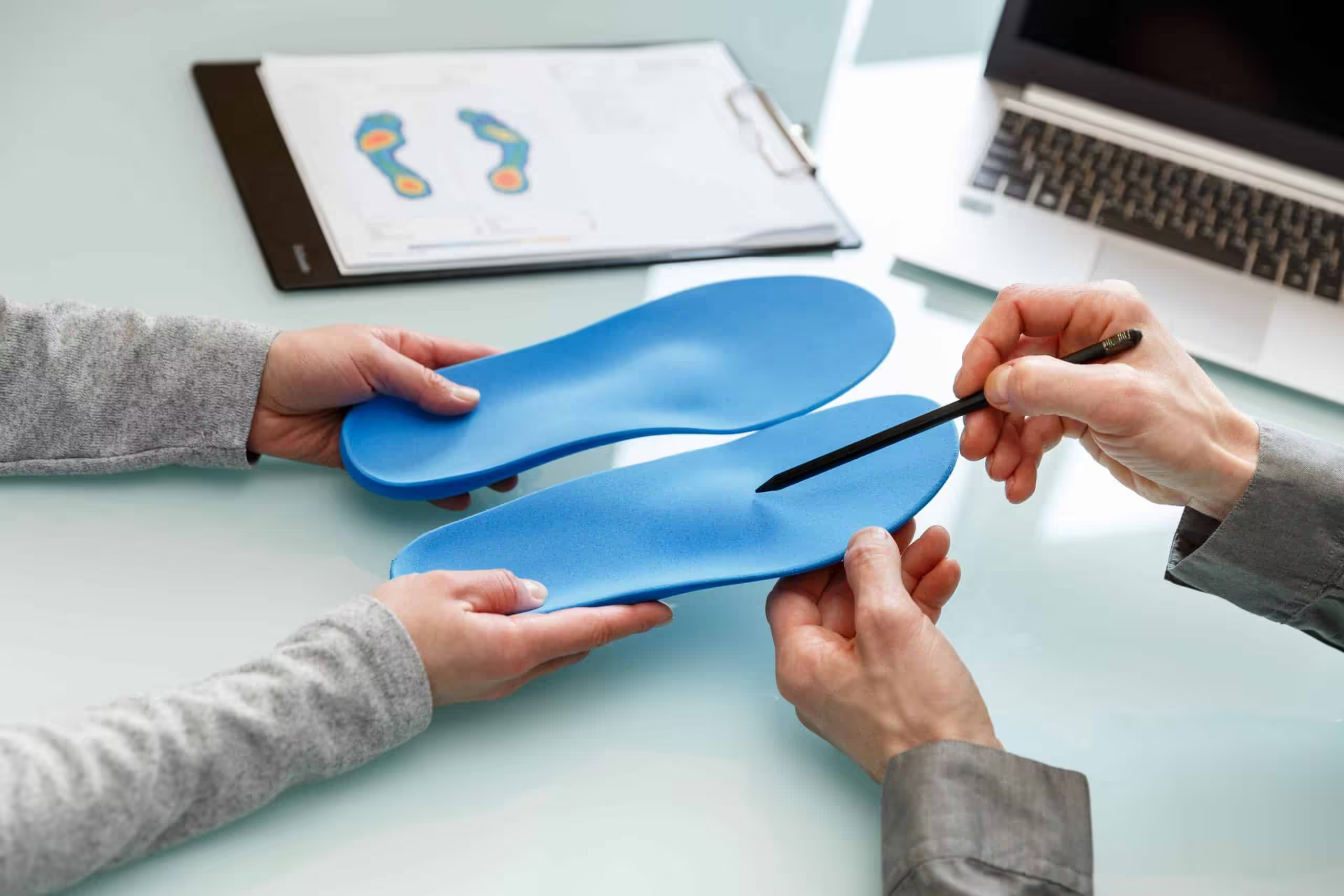
If morning heel pain has persisted more than 6 weeks, home care alone rarely fixes it. At Balance Foot & Ankle, we combine in-office ultrasound diagnostics, custom orthotics, and — when needed — shockwave or PRP to resolve plantar fasciitis that hasn’t responded to stretching and inserts. Most patients are walking pain-free within 4-8 weeks of starting a structured plan.
Call Balance Foot & Ankle: (810) 206-1402 · Book online · Offices in Howell & Bloomfield Hills
Frequently Asked Questions — Shoes for Personal Trainers with Plantar Fasciitis
Can I wear the HOKA Bondi 8 for personal training sessions — or will clients think it looks unprofessional?
Yes — and the clinical necessity outweighs any aesthetic concern. The HOKA Bondi 8 is now widely worn by fitness professionals at Planet Fitness, Life Time, YMCA, and independent studios across Michigan, and its recognition as a premium therapeutic athletic shoe has grown significantly since 2020. Most Michigan gym clients understand that their trainer’s footwear choice reflects professional health management rather than athletic performance aesthetics. The more effective reframe is to present therapeutic footwear as a professional credibility marker: a trainer who manages their own foot health with clinical precision is demonstrating the same evidence-based approach they bring to client programming. If specific facility dress codes prohibit the Bondi 8’s colorways, HOKA offers the Bondi 8 in neutral white, black, and black/white colorways that comply with most Michigan gym trainer uniform standards. The Brooks Addiction Walker 2 in its black leather configuration and the New Balance 990v5 in grey provide more conservative aesthetics if client-facing appearance is a priority over maximal cushion performance.
I’m a yoga instructor who teaches barefoot — how do I manage plantar fasciitis without wearing shoes during class?
Barefoot yoga instruction is an industry norm that cannot be easily changed — Dr. Biernacki’s protocol for barefoot-teaching professionals addresses this constraint by maximizing therapeutic footwear benefit during all non-teaching time rather than attempting to introduce footwear into the barefoot teaching context. The key intervention points are: (1) therapeutic shoes from the moment you leave home until you remove them at the studio door — this includes any outdoor teaching (beach yoga, park yoga) where approaching and departing the teaching location in therapeutic footwear is possible; (2) switching from bare feet to Birkenstock Super-Birkis during every between-class period at the studio — even 10–15 minutes of supported clog wear during class gaps provides meaningful fascial loading reduction; (3) comprehensive pre-class stretch protocol (15–20 minutes in therapeutic shoes before barefoot teaching begins) to maximize plantar fascia extensibility before unprotected barefoot instruction; and (4) custom orthotics in all non-yoga footwear to maximize the therapeutic loading benefit during the hours when footwear is possible. Michigan yoga instructors with active PF should schedule an evaluation at Balance Foot & Ankle Specialists — EPAT treatment can provide significant symptom relief for barefoot-teaching professionals who cannot use standard therapeutic footwear during working hours.
Is plantar fasciitis from personal training covered under Michigan workers’ compensation?
Potentially yes, for W-2 employed trainers. Michigan’s Workers’ Disability Compensation Act (WDCA, MCL 418.401) covers occupational diseases arising from employment, which can include musculoskeletal conditions like plantar fasciitis when causally linked to specific occupational exposures. For employed Michigan personal trainers (W-2 positions at Planet Fitness, Life Time, YMCA, etc.), establishing PF as a compensable WC condition requires: a clinical diagnosis from a licensed podiatrist (Dr. Biernacki DPM), medical documentation linking the condition to occupational floor exposure (surface analysis, daily loading cycle estimation, biomechanical causation assessment), and a claim filed through the employer’s WC carrier within Michigan’s reporting timeframes. Independent 1099 contractors face more complex WC coverage situations — they are typically excluded from employer WC policies and must either carry their own occupational health coverage or explore whether their employment relationship qualifies for WC under Michigan’s economic reality test for independent contractor classification. Dr. Biernacki recommends consulting a Michigan WC attorney alongside podiatric documentation for any fitness professional considering a WC claim for occupational plantar fasciitis.
What is Gym Floor PF Syndrome™ and how is it different from regular plantar fasciitis?
Gym Floor PF Syndrome™ is a clinical pattern Dr. Biernacki identifies specifically in fitness professionals — defined by the unique combination of multi-surface GRF accumulation (traversing 4–8 distinct surface hardness levels per shift), exercise demonstration impact loading (peak GRF events of 3.2–4.8×BW from plyometric demonstrations), and barefoot or minimal footwear exposure (yoga teaching, pool decks, locker rooms). While the underlying pathophysiology is identical to standard plantar fasciitis — repetitive tensile overload causing fascial micro-tears at the calcaneal insertion — Gym Floor PF Syndrome™ is distinguished by its severity, acceleration rate (typically progresses from symptom onset to clinical diagnosis within 3–6 months in fitness professionals vs. 12–24 months in lower-exposure occupations), bilateral presentation frequency (fitness professionals develop bilateral PF at significantly higher rates than other occupational groups), and resistance to standard conservative care when occupational exposure continues without therapeutic footwear intervention. The naming formalizes the clinical pattern to help Michigan fitness professionals recognize their specific risk, seek appropriate care sooner, and understand why generic PF management protocols may be inadequate for the extreme loading environment of fitness professional work.
How quickly will my plantar fasciitis improve if I switch to HOKA Bondi 8s for training?
In Dr. Biernacki’s clinical experience with fitness professional patients, consistent therapeutic footwear adoption — wearing HOKA Bondi 8s for all gym floor training hours — produces measurable PF symptom improvement within 2–4 weeks for mild-to-moderate presentations. The typical progression: weeks 1–2, morning first-step pain decreases by 30–40% as cumulative daily fascial loading drops from the therapeutic threshold into the healing range; weeks 2–4, end-of-shift foot pain decreases as daily loading accumulation falls below the tissue damage threshold; weeks 4–8, progressive improvement in plantar fascia tissue integrity as healing exceeds ongoing micro-trauma accumulation. Full symptom resolution for mild-to-moderate Gym Floor PF Syndrome™ typically occurs within 10–20 weeks with therapeutic footwear + stretching protocol + reduced demonstration volume. Severe presentations (symptoms 6+ months, bilateral, or failed prior conservative treatment) require augmented intervention — custom orthotics, EPAT, or corticosteroid injection — alongside therapeutic footwear. The critical caveat for fitness professionals: therapeutic footwear provides GRF reduction per step but cannot compensate for demonstration volume that generates 50–150 peak-impact events daily. Simultaneous reduction of plyometric demonstration frequency is required alongside footwear change for maximum healing rate.
Schedule a Gym Floor PF Syndrome™ Consultation with Dr. Biernacki DPM
Michigan personal trainers and fitness instructors: get a clinical diagnosis, FSA/HSA Letter of Medical Necessity, MIOSHA-grade biomechanical documentation, and a personalized Gym Floor PF Syndrome™ treatment plan from Dr. Tom Biernacki DPM at Balance Foot & Ankle Specialists.
Book Your Consultation (313) 406-0597When Shoes Aren’t Enough — Dr. Tom’s Top 9 Orthotics
About 30% of patients I see for foot pain need MORE than a great shoe — they need a structured insole. Below: my complete 2026 orthotic ranking with pros, cons, and the specific patient I’d give each one to.
★ DR. TOM’S COMPLETE 2026 ORTHOTIC RANKING
9 Best Prefab Orthotics by Use Case
PowerStep, Currex, Spenco, Vionic, and Superfeet — every orthotic I’ve fitted to thousands of patients across both Michigan offices. Each card includes pros, cons, and the specific patient I’d give it to. Real Amazon ratings, review counts, and prices below.
Best All-Purpose Orthotic for Most Patients
Semi-rigid arch shell + dual-layer cushion + deep heel cup. The orthotic I’ve fitted to more patients than any other for 15 years. APMA-accepted. Trim-to-fit design works in athletic shoes, casual shoes, and most work boots.
✓ Pros
- Semi-rigid arch shell provides true biomechanical correction
- Deep heel cup centers the heel and reduces lateral instability
- Dual-layer cushion (top + bottom) lasts 9-12 months daily wear
- Available in 8 sizes for precise fit
- APMA-accepted and clinically validated
- Lower price than Superfeet Green for equivalent function
✗ Cons
- Too thick for most dress shoes (use ProTech Slim instead)
- Some break-in period required (3-7 days for arch tolerance)
- Not enough correction for severe pes planus or rigid pes cavus
Dr. Tom’s Recommendation: If a patient has run-of-the-mill plantar fasciitis, mild flat feet, or arch fatigue, this is the first orthotic I try. Better value than Superfeet for 90% of patients, which is why I swapped it into our clinic kits three years ago. Sub-$50 typically.
Maximum Motion Control · Flat Feet & Severe Over-Pronation
PowerStep’s most aggressive stability orthotic. Adds a 2°-7° medial heel post on top of the standard PowerStep platform — designed specifically for flat-footed patients and severe pronators who need real corrective force.

✓ Pros
- 2°-7° medial heel post adds aggressive pronation control
- Same trusted PowerStep arch shell, more correction
- Built specifically for flat-foot biomechanics
- Excellent for posterior tibial tendon dysfunction (PTTD)
- Removable top cover for cleaning
✗ Cons
- Too aggressive for neutral-arch patients
- Needs longer break-in (10-14 days) due to stronger correction
- Adds 2-3 mm of stack height — won’t fit slim dress shoes
Dr. Tom’s Recommendation: When a patient comes in with significant flat feet AND symptoms (heel pain, arch pain, knee pain), the Original PowerStep isn’t aggressive enough. The Maxx is what gets prescribed. About 25% of my flat-footed patients end up here.
Low-Profile · Fits Dress Shoes & Narrow Casuals
3 mm slim profile with podiatrist-designed tri-planar arch technology. Engineered specifically to fit inside dress shoes, oxfords, loafers, and women’s flats without crowding the toe box. Vionic was founded by an Australian podiatrist.
✓ Pros
- 3 mm slim profile (vs 7-10 mm for standard orthotics)
- Tri-planar arch technology adds support without bulk
- Built-in deep heel cup despite slim design
- Fits dress shoes WITHOUT having to remove the factory insole
- Trim-to-fit · APMA-accepted
✗ Cons
- Less arch support than full-volume orthotics
- Top cover wears faster than thicker alternatives
- Not enough correction for severe foot deformities
Dr. Tom’s Recommendation: My default when a patient says ‘I need orthotics but I have to wear dress shoes for work.’ Slim enough to fit in oxfords and pumps without the heel sliding out. The single highest-impact change you can make for office workers with foot pain.
Built-In Metatarsal Pad · Morton’s Neuroma · Ball-of-Foot Pain
Standard Pinnacle orthotic with a built-in metatarsal pad positioned proximal to the metatarsal heads — the exact location that offloads neuromas and metatarsalgia. No need for separate met pads or pad placement guesswork.

✓ Pros
- Built-in met pad eliminates DIY pad placement errors
- Specifically designed for Morton’s neuroma + metatarsalgia
- Same trusted PowerStep arch + heel cup platform
- Top cover protects sensitive forefoot skin
- Faster relief than orthotics + add-on met pads
✗ Cons
- Met pad position is fixed (can’t fine-tune individual placement)
- Some patients with very small or very large feet need custom
- Slightly thicker than the standard Pinnacle
Dr. Tom’s Recommendation: If a patient has Morton’s neuroma, sesamoiditis, or generalized ball-of-foot pain (metatarsalgia), this saves a clinic visit and a prescription. The built-in pad placement is anatomically correct for 80% of feet. Way better than DIY met pads.
Adaptive Dynamic Arch · Athletic & Daily Wear
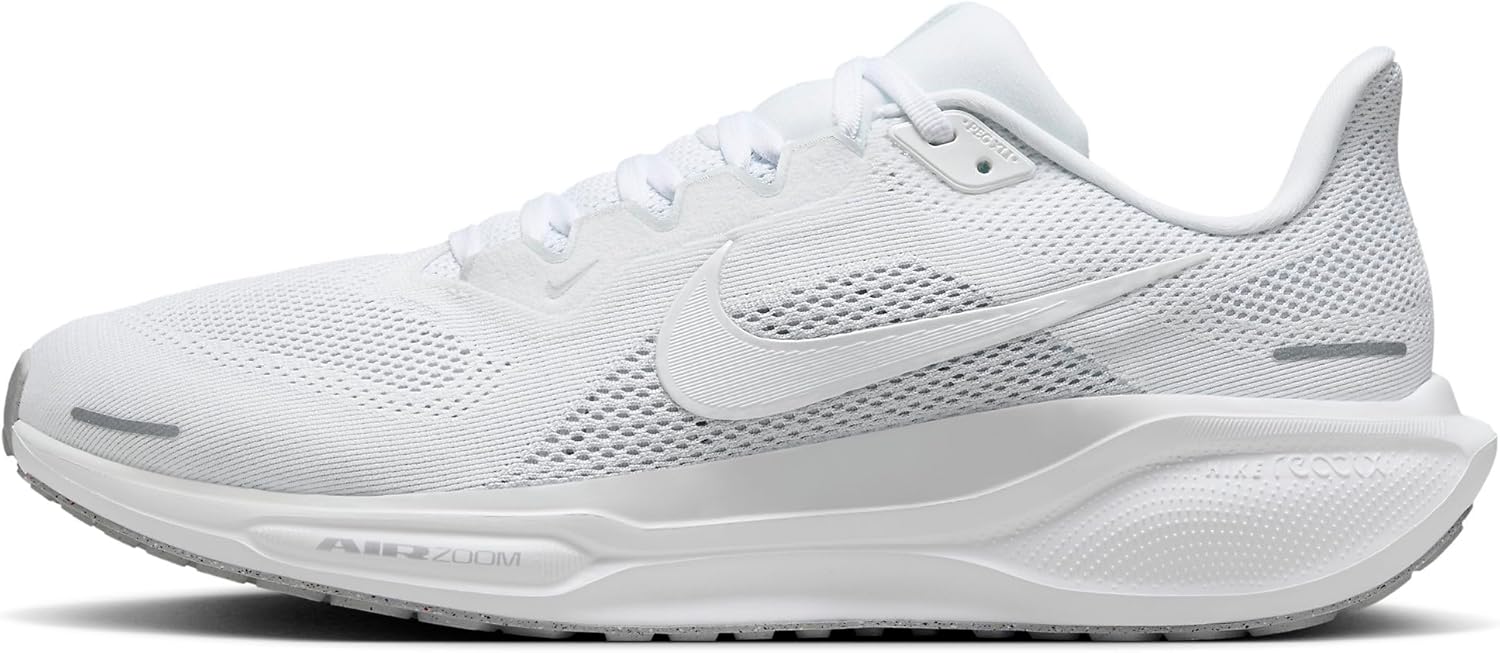
Currex’s flagship adaptive arch technology — the orthotic flexes with your gait instead of fighting it. Different stiffness zones along the length give you targeted support at the heel, midfoot, and forefoot. Available in three arch heights (low/medium/high).
✓ Pros
- Dynamic flex zones adapt to natural gait cycle
- Three arch heights ensure precise fit
- Lighter than rigid orthotics (no ‘heavy foot’ feel)
- Excellent for runners and athletic walkers
- European podiatric design (German engineering)
✗ Cons
- More expensive than PowerStep Original ($55-65 typically)
- Less aggressive correction than Pinnacle Maxx for severe cases
- Three arch heights means you must self-select correctly
Dr. Tom’s Recommendation: I started recommending Currex three years ago for runners who said PowerStep felt ‘too rigid.’ The dynamic flex zones respect natural gait. Best for active patients who walk 8K+ steps daily and don’t need maximum motion control.
Running-Specific · Heel Strike + Forefoot Strike Compatible
Currex’s purpose-built running orthotic. The midfoot flex zone is positioned for runner’s gait mechanics, with a flared heel cushion for heel strikers and a forefoot rocker for midfoot/forefoot strikers. Tested on 1000+ runners during product development.
✓ Pros
- Designed by German biomechanics lab specifically for runners
- Dynamic arch flexes with running gait (not static like PowerStep)
- Three arch heights (low/medium/high)
- Reduces overuse injury risk in mid-distance runners
- Lightweight (no impact on cadence)
✗ Cons
- Premium price ($60-75)
- Not aggressive enough for severe over-pronators (use Pinnacle Maxx)
- Runner-specific design = less ideal for daily walking shoes
Dr. Tom’s Recommendation: If a patient runs 20+ miles per week and has plantar fasciitis or shin splints, this is the orthotic I prescribe. The dynamic flex zones respect running biomechanics in a way that no rigid PowerStep can match. Pricier but worth it for serious runners.
Cavus Foot & High-Arch Patients
Polyurethane base with a deeper heel cup and higher arch profile than PowerStep — built for cavus (high-arched) feet that need maximum cushion and support. The 5-zone cushioning system addresses the unique pressure points of high-arch feet.

✓ Pros
- Deeper heel cup centers the heel for cavus foot stability
- Higher arch profile fills the void under high arches
- 5-zone cushioning addresses cavus foot pressure points
- Polyurethane base lasts 12+ months
- Available in Wide width
✗ Cons
- Too tall/aggressive for normal or low arches
- Won’t fit slim dress shoes
- Pricier than PowerStep Original
- Some patients find the arch height uncomfortable initially
Dr. Tom’s Recommendation: Cavus foot patients are often misdiagnosed and given low-arch orthotics — that makes everything worse. Spenco’s Total Support has the arch profile that high-arch feet actually need. About 15% of my patients have cavus feet; this is what they wear.
Cushion Layer · Standing All Day · Gel Pressure Relief
NOT a true biomechanical orthotic — this is a cushion insole. But for patients who want gel pressure relief instead of arch correction (or to add ON TOP of factory insoles in work boots), this is the best gel option on Amazon.

✓ Pros
- Genuine gel cushioning (not foam pretending to be gel)
- Targeted gel waves under heel and ball of foot
- Trim-to-fit · works in most shoe types
- Sub-$15 price (most affordable option in this list)
- Massaging texture is genuinely soothing
✗ Cons
- ZERO arch support — this is cushion only
- Won’t fix plantar fasciitis or flat-foot issues
- Compresses faster than PowerStep (4-6 months)
- Top cover wears through in high-mileage applications
Dr. Tom’s Recommendation: I recommend these to patients who tell me ‘I just want my feet to stop hurting at the end of my shift’ and who don’t have a biomechanical issue. Construction workers, factory workers, retail. Pure cushion does the job for them.
Tight-Fitting Shoes · Cycling Shoes · Hockey Skates
Superfeet’s slim version of their famous Green insole. The trademark stabilizer cap is preserved but the overall thickness is reduced — works in cycling shoes, hockey skates, ski boots, and other tight-fitting footwear that the standard Superfeet Green can’t fit into.

✓ Pros
- Stabilizer cap centers the heel (Superfeet’s signature feature)
- Slim profile fits tight athletic footwear
- Lasts 12+ months daily wear
- Excellent for cycling shoes specifically
- Built-in odor-control treatment
✗ Cons
- Premium price ($45-55)
- Less cushion than PowerStep equivalents
- Not as aggressive correction as Pinnacle Maxx for flat feet
- The signature ‘heel cup feel’ takes 1-2 weeks to adapt to
Dr. Tom’s Recommendation: If you’re a cyclist with foot numbness, hot spots, or knee pain — this is the orthotic. The stabilizer cap solves cycling-specific biomechanical issues that no other orthotic addresses. Worth the premium for athletes.
None of these solving your foot pain?
Some patients (about 30%) need custom-molded prescription orthotics. We make 3D-scanned custom orthotics in our Howell and Bloomfield Hills offices — specifically built for your foot mechanics.
Schedule a Custom Orthotic Fitting →FSA/HSA eligible · Most insurance accepted · (810) 206-1402
In-Office Treatment at Balance Foot & Ankle
If home treatment isn’t providing relief for your foot pain, our podiatry team at Balance Foot & Ankle can help with same-day evaluations and advanced in-office care.
Same-day appointments available. (810) 206-1402
Learn about our footwear guidance and custom orthotics → | Book online →
Doctor Hoy’s Natural Pain Relief Gel
Natural topical pain relief I use in our clinic. Arnica + camphor formula — apply directly to the area 3–4x daily. ($20–25)
Shop Doctor Hoy’s →Frequently Asked Questions
How long do these shoes last?
Quality running shoes last 300-500 miles. Daily walking shoes last 9-12 months. Replace when the midsole feels soft or your symptoms return.
Should I add insoles?
Yes if you have plantar fasciitis or overpronation. Powerstep Pinnacle or a custom orthotic improves results. Healthy feet often do fine with the stock insole.
Are expensive shoes worth it?
Beyond about $130 most extra cost is materials and aesthetics. Match the shoe to your foot type, not budget. The right $80 stability shoe beats the wrong $250 maximalist shoe.

Dr. Tom Biernacki, DPM is a board-certified foot & ankle surgeon (ABFAS & ABPM) at Balance Foot & Ankle Specialists in Southeast Michigan. With over a decade of clinical experience, he specializes in heel pain, bunions, diabetic foot care, sports injuries, and minimally invasive surgery. Dr. Biernacki is a member of the APMA and ACFAS, and his patient education content on MichiganFootDoctors.com and YouTube has made him one of the most-followed foot & ankle educators on YouTube.