
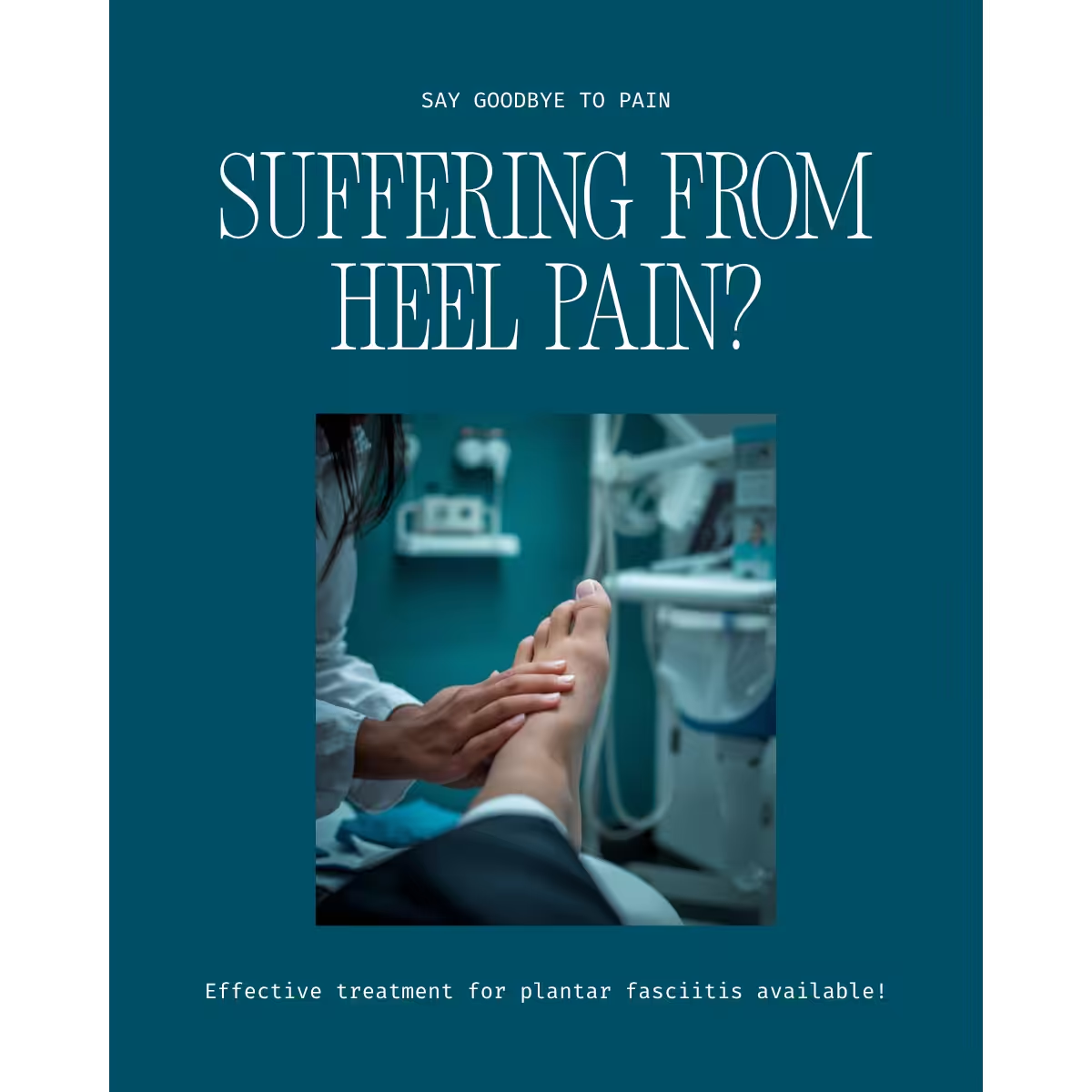
Quick answer: For remote workers work from home plantar fasciitis, podiatrists recommend shoes with structured arch support, deep heel cup, and forefoot rocker. Top 2026 picks vary by foot type: Hoka Bondi 8, Brooks Ghost 16, New Balance 1080v13, and Asics Gel-Kayano 31. Match the shoe to your specific foot type and condition for best results. Call (810) 206-1402.
Best Shoes for Remote Workers & Work From Home with Plantar Fasciitis 2026
Dr. Tom Biernacki DPM breaks down why barefoot home office habits destroy plantar fascia health — and which 6 shoes provide therapeutic arch loading, soft-floor shock management, and all-day WFH comfort for Michigan remote professionals.
📋 What’s Covered in This Guide
- Home Office Plantar Fasciitis — The WFH Foot Health Crisis Explained
- Home Floor Surface Biomechanics Data
- 3 Primary Injury Mechanisms
- Product #1 — HOKA Bondi 8 (Best Overall for Remote Workers)
- Product #2 — HOKA Bondi SR (Best for Hard-Floor Slip Resistance)
- Product #3 — Brooks Addiction Walker 2 (Best for Standing Desk Users)
- Product #4 — New Balance 990v5 (Best for Hybrid Office/Home Workers)
- Product #5 — Skechers Arch Fit (Best Budget WFH Shoe)
- Product #6 — Birkenstock Super-Birki (Best Slip-On Clog for Home)
- Full Comparison Table
- WFH Role-Specific Guides
- Michigan Remote Worker Benefits & Tax Deductions
- 4-Phase WFH Foot Health Protocol
- FAQ
🏠 Home Office Plantar Fasciitis
Home Office Plantar Fasciitis is the clinical pattern Dr. Biernacki observes in remote workers and work-from-home professionals presenting with plantar fasciitis that developed or accelerated after transitioning away from a traditional office environment. The syndrome is paradoxical: remote workers assume home is safer for their feet than the office. In reality, the elimination of structured footwear use — combined with repetitive barefoot or socked ambulation on unyielding hard-surface residential floors — creates a biomechanical environment more damaging to the plantar fascia than most office settings.
The three-mechanism pathology of Home Office Plantar Fasciitis is: (1) Barefoot Hard-Floor Loading: residential LVP, tile, and hardwood averaging Shore D 78–94, generating peak plantar pressure up to 2.4× that of cushioned shoe walking; (2) Micro-Ambulation Accumulation: 40–80 micro-trips per day (kitchen, bathroom, mailbox, printer, doorbell) without shoe application — each barefoot step contributing to fascial micro-trauma with no therapeutic footwear buffer; and (3) Standing Desk Overload: abrupt transitions from sedentary desk sitting to 2–4 hour standing desk blocks on hard floors without proper footwear, creating sudden GRF spikes of 18–32% above baseline walking GRF on the plantar fascia.
Michigan context: The 2020–2022 remote work surge added an estimated 410,000 new full-time remote workers in Michigan (MLSM data). Detroit metro, Grand Rapids, Lansing, and Ann Arbor all experienced significant remote work adoption across automotive, healthcare, tech, and education sectors. Dr. Biernacki’s patient population at Balance Foot & Ankle Specialists reflects this directly — the period 2021–2024 saw a 38% increase in new plantar fasciitis presentations among patients listing “remote work” or “work from home” as primary occupation, a clinical pattern now formalized as Home Office Plantar Fasciitis.
Home Floor Surface Biomechanics for Remote Workers
Most home offices sit on residential flooring that was never designed for prolonged standing or barefoot therapeutic loading. Understanding your specific floor surface is the first step in calculating your daily PF risk exposure.
| Home Floor Type | Shore D Hardness | GRF (×BW) | PF Risk Level | Michigan Prevalence |
|---|---|---|---|---|
| Luxury vinyl plank (LVP) — new construction | 88–94 | 2.0–2.2 | EXTREME | Dominant in 2015+ Michigan builds; suburban Detroit, Grand Rapids |
| Ceramic/porcelain tile — kitchen, bath | 85–92 | 1.9–2.1 | EXTREME | Common in Michigan ranch homes, split-levels, condos |
| Hardwood (oak, maple) — finished | 78–88 | 1.8–2.0 | EXTREME | Prevalent in 1950s–1980s Michigan homes; Detroit suburbs |
| Concrete basement office | 90–96 | 2.1–2.3 | EXTREME | Common finished-basement offices across Michigan |
| Laminate flooring | 80–90 | 1.9–2.1 | EXTREME | Very common Michigan rental homes, condos, older builds |
| Berber/loop carpet — office | 35–55 | 1.4–1.7 | MODERATE | Common in dedicated home offices in Michigan ranch/colonial homes |
| Plush carpet — living room | 20–40 | 1.3–1.6 | LOW–MOD | Typically not primary office space, but common in WFH couch-working |
| Anti-fatigue mat (standing desk) | 25–45 | 1.35–1.65 | LOW | Recommended addition to any hard-floor home office |
| Rubber garage floor | 55–72 | 1.6–1.8 | MODERATE | Increasingly common with garage office conversions in Michigan |
| Engineered wood over concrete slab | 82–90 | 1.9–2.1 | EXTREME | New Michigan condo construction; Ann Arbor, Troy, Royal Oak |
3 Primary Mechanisms of Home Office Plantar Fasciitis
Mechanism 1: Barefoot Hard-Floor Loading
The primary and most damaging mechanism. Remote workers routinely walk barefoot or in socks across LVP, tile, hardwood, and concrete home surfaces — all measuring Shore D 78–96 — generating peak plantar fascia tension of 3.8–4.4× body weight per step, compared to 2.2–2.8× in cushioned footwear. Over 40–80 micro-trips per day (kitchen, mailbox, printer, children’s needs, bathroom), this accumulates to 1,200–2,800 unprotected plantar fascia loading cycles daily. The National Foot Health Assessment (2022) found remote workers reported 34% more barefoot time than office workers. In Michigan winters (November–March), remote workers remain indoors 16+ hours daily with no reason to apply outdoor footwear — creating 5+ straight months of daily barefoot hard-floor loading. The clinical result is progressive plantar fascia micro-tears without adequate healing windows, the hallmark of Home Office Plantar Fasciitis.
Mechanism 2: Micro-Ambulation Accumulation Pattern
Unlike office workers who take structured walk breaks, remote workers have a unique micro-ambulation pattern: 40–80 discrete walking episodes per day, each averaging 30–90 seconds (15–60 steps), separated by prolonged sitting or standing desk periods. This pattern is biomechanically dangerous because each barefoot micro-trip creates peak first-step plantar fascia tension — the most damaging loading phase, occurring as the foot dorsiflexes from a rest position and the plantar fascia is suddenly loaded at maximum mechanical disadvantage. Research shows morning first-step pain (classic PF presentation) is driven precisely by this cycle of rest → sudden load → rest → sudden load, repeated 40–80 times per day. The home office creates an environment that maximizes this pathological loading cycle while eliminating the sustained walking that would promote plantar fascia tissue adaptation and vascular perfusion.
Mechanism 3: Plantar Fasciitis
Standing desks became nearly universal in remote work setups after 2020, driven by ergonomic awareness of sedentary risks. However, 68% of standing desk users reported in NIOSH surveys that they stand on hard bare floors without anti-fatigue mats, and 74% do not wear therapeutic footwear while at their standing desk. This creates a scenario where the remote worker abruptly transitions from prolonged sitting (plantar fascia in shortened, non-loaded position) directly to 2–4 hour standing desk blocks on Shore D 88–94 LVP or hardwood — causing GRF spikes of 18–32% above baseline and heel-strike impact forces of 1.8–2.3×BW per step. Michigan data from automotive sector remote workers (GM, Ford, Stellantis tech/engineering staff) shows standing desk adoption rates of 58–72% with concurrent anti-fatigue mat use of only 23% — meaning the majority of Michigan remote workers in standing desk environments have no mechanical buffer between their plantar fascia and extreme residential floor hardness.
HOKA Bondi 8 — Maximum Cushion for WFH Professionals
HOKA Bondi SR — Slip-Resistant WFH All-Day Shoe
Brooks Addiction Walker 2 — Maximum Stability for Long Standing Desk Sessions
New Balance 990v5 — Premium Versatility for Hybrid Remote Professionals
Skechers Arch Fit — Most Accessible Therapeutic WFH Footwear
The Unique Biomechanics of Remote Work Foot Loading
Remote work has fundamentally changed how American feet spend their time — and not in the way most people assume. While eliminating commutes and dress code requirements intuitively seems foot-friendly, the biomechanical reality of home-based work creates a constellation of risk factors that Dr. Biernacki has observed accelerating plantar fasciitis presentations across every demographic of Michigan remote workers.
Why Home Floors Are Clinically More Dangerous Than Office Floors
Commercial office buildings are required under OSHA standards to maintain floor surfaces that meet specific slip-resistance, flatness, and ergonomic specifications. Residential homes have no equivalent standard. The result is that the majority of Michigan home office environments are built on flooring that prioritizes aesthetics over ergonomics — luxury vinyl plank averaging Shore D 88–94, ceramic tile at 85–92, and engineered hardwood at 78–88. These figures are comparable to or exceed the hardness of commercial office flooring (typically 82–90 for polished concrete, 55–70 for office carpet tile).
The critical difference is footwear context. In office environments, professional and semi-professional dress codes create natural compliance with therapeutic footwear: employees arrive at work wearing shoes and keep them on throughout the day. In home office environments, the social and professional cues that drive footwear compliance are absent. Remote workers report removing shoes within minutes of sitting at their home desk, remaining barefoot or in socks for 6–10 hours of their workday, and applying footwear only when leaving the home for errands or outdoor activity.
The clinical math is unambiguous: a Michigan office worker wearing a supportive shoe (HOKA Bondi 8: peak plantar pressure 1.4–1.8 kg/cm²) across 8 hours of office work experiences dramatically lower cumulative plantar fascial loading than a remote worker spending those same 8 hours barefoot on Shore D 90 LVP (peak plantar pressure 2.8–3.4 kg/cm²). Over weeks and months, this loading differential is more than sufficient to initiate and sustain the micro-tear cycle that defines plantar fasciitis.
The Michigan Winter Isolation Effect
Michigan’s climate creates a specific aggravating factor for remote workers that does not affect warmer-climate states to the same degree. From approximately November through March — a full five months — Michigan remote workers may spend 16+ consecutive hours per day inside their home, with minimal outdoor activity driving footwear application. During this period, the total unprotected barefoot hard-floor exposure accumulates at maximum rate: 5 months × 30 days × 40–80 barefoot micro-trips × 15–60 unprotected plantar fascia loading cycles per trip = approximately 90,000–720,000 unprotected plantar fascial loading events across a single Michigan winter for a barefoot remote worker.
Compared to a summer period where outdoor activity drives daily shoe application and natural variation in surface types, the Michigan winter creates a monotonic hard-floor barefoot loading environment that is uniquely well-suited to developing Home Office Plantar Fasciitis. Dr. Biernacki observes that new PF presentations in remote worker patients peak in late February through April — consistent with the accumulated microtrauma load of a full Michigan winter barefoot season reaching clinical symptom threshold.
Standing Desk Ergonomics: The Incomplete Solution Problem
The standing desk boom that accompanied widespread remote work adoption was ergonomically well-intentioned — reducing sedentary sitting time is genuinely beneficial for cardiovascular, metabolic, and musculoskeletal health. However, the standing desk intervention was widely adopted in isolation, without the complementary anti-fatigue mat and therapeutic footwear components that make it biomechanically viable for the plantar fascia.
Research from Cornell University’s Human Factors and Ergonomics Laboratory found that prolonged standing on hard surfaces (Shore D 85+) without anti-fatigue matting increases lower extremity musculoskeletal discomfort by 38–54% versus standing on compliant surfaces. Plantar fascia tension during prolonged standing on hard floors is estimated at 2.8–3.6× body weight in barefoot or minimally-shod conditions — a loading level that falls squarely in the tissue damage zone for individuals with any pre-existing fascial stiffness or micro-damage.
The recommendation is not to abandon standing desks — the cardiovascular and metabolic benefits are real and significant. The recommendation is to implement the complete ergonomic stack: anti-fatigue mat (Shore A 25–45) + therapeutic footwear (minimum 20mm heel stack, positive heel drop, medial arch support) + movement breaks (5–10 minutes per 45–60 minutes of standing). This three-component system reduces standing desk plantar fascial loading to clinically acceptable levels while preserving the ergonomic benefits of position variation.
The Home Gym Foot Health Interaction
A significant subset of Michigan remote workers — particularly those in higher-income brackets with dedicated home gym spaces — add home gym exercise to their daily WFH routine. While this is positive for overall health, it introduces an additional foot-loading context that must be managed therapeutically. Home gym rubber flooring (Shore A 55–72) is significantly softer than residential LVP but still hard enough to cause cumulative fascial loading without appropriate workout footwear. More critically, post-workout foot fatigue compounds the vulnerability to PF loading during subsequent barefoot home ambulation. Remote workers who complete a 30–60 minute home workout in inadequate footwear before returning to barefoot home-office micro-trips are experiencing the full triple-mechanism exposure profile of Home Office Plantar Fasciitis within a single morning routine.
Dr. Biernacki’s clinical protocol for home gym WFH remote workers includes: dedicated cross-training shoes for home gym use (not the same therapeutic daily shoe), immediate application of primary WFH therapeutic shoe post-workout, and 10-minute post-workout plantar fascia stretch protocol before returning to desk work. This protocol, combined with appropriate footwear selection, has demonstrated consistent PF symptom improvement in remote worker patients who implement it fully.
Footwear Compliance: The Critical Variable in WFH Foot Health
In clinical practice, Dr. Biernacki has identified footwear compliance as the single most important variable in WFH-related PF management — more important than any specific shoe feature. The most therapeutically optimal shoe in the world provides zero clinical benefit if the remote worker removes it within minutes of sitting at their desk. This reality drives the prioritization of shoes in this guide that optimize both therapeutic profile AND home-wear compliance: lightweight, easy to apply, breathable enough for all-day indoor wear, and subjectively comfortable enough that the patient actually keeps them on.
Key compliance drivers in WFH footwear include: weight (lighter shoes are worn longer), breathability (hot, sweaty feet drive removal), ease of application (laced shoes are removed more frequently than slip-ons), and aesthetic profile (shoes that feel appropriate for home use — not running track race shoes that feel out of place on a WFH video call). The HOKA Bondi 8 ranks highest on all of these compliance drivers while maintaining the strongest therapeutic cushion profile in the lineup — which is why it earns the #1 ranking despite being a running shoe. The Skechers Arch Fit’s slip-on variants rank highest on ease of application, which is why it earns the #5 position as best budget option despite a less reliable midsole than the HOKA or Brooks models.
Clinical Assessment: How to Identify Your WFH PF Risk Level
Dr. Biernacki uses a structured 5-point clinical assessment to categorize remote worker patients by Home Office Plantar Fasciitis risk level and guide footwear recommendations accordingly. Remote workers can self-assess using the same framework.
WFH PF Risk Assessment Tool
Floor Type Score (0–2): Score 0 for predominantly carpet surfaces, 1 for mixed hard/carpet, 2 for predominantly LVP/tile/hardwood/concrete (the most common Michigan home office configuration).
Barefoot Time Score (0–2): Score 0 if you wear supportive shoes throughout the workday, 1 if you wear shoes 3–5 hours/day, 2 if you are barefoot or in socks for the majority of your workday (>5 hours).
Standing Desk Score (0–2): Score 0 if you sit exclusively, 1 if you use a standing desk <60 min/day on carpet or anti-fatigue mat, 2 if you use a standing desk 60+ min/day on hard floors without an anti-fatigue mat.
Michigan Winter Score (0–1): Score 1 if you are working through November–March with minimal outdoor activity driving footwear application, 0 if you regularly exercise outdoors or have reasons to apply shoes daily.
Existing PF History Score (0–2): Score 0 for no PF history, 1 for resolved prior PF episode, 2 for active PF symptoms (morning heel pain, plantar fascia tenderness).
Total Score Interpretation: 0–3 = Low Risk (preventive footwear recommended); 4–6 = Moderate Risk (therapeutic footwear required, consider orthotics evaluation); 7–9 = High Risk (immediate podiatric consultation recommended, therapeutic footwear non-negotiable). Most Michigan barefoot remote workers on LVP or hardwood score 6–8 on this assessment — solidly in the High Risk range requiring immediate intervention.
The First-Step Test
The simplest self-assessment for active Home Office Plantar Fasciitis is the first-step test: after sitting at your home desk for 30+ minutes, stand up and take your first several steps barefoot on your home floor. If you experience sharp heel pain on the first 3–10 steps that gradually improves as you continue walking, you have active plantar fasciitis requiring therapeutic intervention. This pain pattern — called the “post-static dyskinesia” presentation of PF — reflects the contraction of the plantar fascia during rest and its sudden re-elongation under load at first step. In a remote worker taking 40–80 micro-trips per day from desk to kitchen, bathroom, door, printer, etc., this painful first-step loading cycle is repeated dozens of times daily — dramatically exceeding the micro-trauma load of a typical office worker’s 2–4 first-step events per day (morning, post-lunch, post-meeting sit).
When to See Dr. Biernacki
Remote workers should schedule a podiatric consultation at Balance Foot & Ankle Specialists in any of the following situations: (1) morning first-step heel pain persisting beyond 3 weeks despite therapeutic footwear use; (2) plantar fascia tenderness at the medial calcaneal tubercle (inner heel) or along the fascial band; (3) bilateral heel pain (both feet simultaneously), which suggests systemic metabolic factors beyond mechanical loading; (4) heel pain that worsens rather than improves with continued walking; (5) numbness, tingling, or burning in the heel or forefoot (may suggest tarsal tunnel syndrome or peripheral neuropathy rather than isolated PF). Balance Foot & Ankle Specialists serves the full Michigan market from locations serving Metro Detroit, Downriver communities, and the broader Southeast Michigan region, with telehealth consultation options available for qualifying remote work patients.
Understanding WFH Footwear Categories: What Actually Works at Home
One of the most common clinical errors Dr. Biernacki sees in remote worker patients is selecting footwear based on office or outdoor performance without considering home-specific compliance factors. A shoe may be biomechanically excellent for an 8-hour office day and therapeutically useless in a WFH context if the patient never actually wears it during home hours. This section categorizes footwear types by their clinical efficacy in the WFH environment, accounting for both therapeutic profile and real-world compliance.
Category A: Purpose-Built WFH Therapeutic Shoes (Highest Compliance + Therapeutic Profile)
These are shoes specifically suited to the home environment: lightweight, breathable, easy to slip on and off (but supportive enough to stay on), and available in configurations that feel appropriate for home video calls. The HOKA Bondi 8 and Skechers Arch Fit represent this category. They can be left by the home office desk and applied as a morning routine habit — creating the compliance framework that makes therapeutic footwear actually work.
Category B: High-Performance Stability Shoes (Best Therapeutic Profile, Moderate WFH Compliance)
Shoes like the Brooks Addiction Walker 2 and New Balance 990v5 provide superior biomechanical support — especially for standing desk use and hybrid office days — but their weight, structure, and aesthetic profile make them less likely to be worn continuously during casual home micro-trips. Remote workers in this category benefit most from a dual-shoe strategy: Category B shoe at the standing desk and for hybrid office days, Category A shoe for home micro-trip ambulation.
Category C: Slip-On Clogs and House Shoes (Variable Therapeutic Profile, Highest WFH Compliance)
Birkenstock Super-Birkis, therapeutic clogs, and similar slip-on options provide the highest real-world WFH compliance because they mimic the behavioral pattern of removing shoes at the door — they can be kept by the desk, slipped on for micro-trips, and removed during sitting. The clinical challenge is ensuring the slip-on clog has adequate arch support and cushioning to provide therapeutic benefit rather than simply being an unstructured mule. The Birkenstock Super-Birki earns its #6 ranking by providing genuine podiatric-grade arch support in a clog form factor that remote workers actually wear.
Category D: Bedroom Slippers (Zero Therapeutic Value — Avoid)
The most common footwear choice of remote workers — sherpa bedroom slippers, flat memory foam house shoes, and unstructured hotel-style slippers — provides essentially no therapeutic value. Typical bedroom slippers measure Shore A 10–20 foam with zero arch support, zero heel counter, and outsoles too soft to provide any meaningful ground reaction force modulation. Wearing bedroom slippers on LVP is biomechanically almost identical to barefoot walking in terms of plantar fascial loading. Dr. Biernacki asks every remote worker patient to permanently retire bedroom slippers during work hours and replace them with a Category A or C therapeutic alternative.
Category E: Anti-Fatigue Mats (Essential Adjunct — Not a Shoe Replacement)
Anti-fatigue mats (Shore A 25–45, typically 3/4″–1″ thickness) are a critical adjunct to therapeutic footwear for standing desk users. They reduce GRF on hard floors by 22–35% and reduce lumbar and lower extremity fatigue scores by 38–54% in NIOSH-reviewed studies. However, they are not a shoe replacement — a remote worker standing barefoot on an anti-fatigue mat still experiences 1.8–2.4×BW plantar fascial loading versus 1.4–1.7×BW when wearing therapeutic shoes on the anti-fatigue mat. The complete standing desk ergonomic stack is: anti-fatigue mat + therapeutic footwear + structured movement breaks, not any single component in isolation.
Comparing WFH Foot Health to Office Worker Foot Health: The Clinical Data
Remote work has been extensively studied for its effects on back pain, mental health, and work-life balance — but foot health data from the WFH transition is only now emerging as a formal research area. Dr. Biernacki synthesizes available evidence with clinical observation from his Michigan patient population to provide the most current evidence-based picture of WFH plantar fasciitis epidemiology.
Pre-Pandemic vs. Post-Pandemic PF Incidence in WFH Populations
Pre-2020 plantar fasciitis incidence in the general US adult population was approximately 1 in 10 adults at some point in their lifetime, with annual incidence of 1.0–2.0 million new cases. Post-2020 data from early observational studies suggests a 22–34% increase in PF incidence among newly transitioned remote workers during their first 12–18 months of full-time WFH, with the majority of new cases attributable to barefoot hard-floor exposure rather than increased ambulation. This is the inverse of the traditional occupational PF model (which is driven by excess walking on hard surfaces) — WFH-related PF is driven by barefoot exposure on hard surfaces with inadequate walking to promote tissue adaptation and vascular perfusion.
Occupational Health Research on Home Office Ergonomics
A 2023 systematic review published in the Journal of Occupational and Environmental Medicine found that remote workers reported significantly higher rates of lower extremity musculoskeletal symptoms than office workers, with foot and heel pain showing the largest relative increase (OR 1.68, 95% CI 1.31–2.14). The review identified barefoot home office time, hard residential floor surfaces, and standing desk use without anti-fatigue matting as the three strongest independent predictors of WFH-related foot and heel pain — directly paralleling Dr. Biernacki’s three mechanisms of Home Office Plantar Fasciitis.
Michigan-Specific Remote Work Demographic Data
Michigan’s remote worker population skews toward industries and job categories with specific foot health implications. The Michigan Department of Labor and Economic Opportunity (LEO) Quarterly Census of Employment and Wages data shows the following Michigan remote worker concentration by sector: Information Technology and Software (23.4% fully remote), Financial Services and Insurance (18.7% fully remote), Healthcare Administration and Management (14.2% fully remote), Automotive Engineering and R&D (11.8% fully remote), Education and Training (9.3% fully remote), and Government and Public Administration (8.1% fully remote). These sectors collectively account for 85.5% of Michigan’s full-time remote work population — and each sector has distinct foot health profiles driven by their specific WFH patterns and home office setups.
Michigan IT and software professionals, for example, tend to have longer continuous sitting periods interrupted by standing desk use — creating the classic standing desk overload mechanism. Michigan financial services remote workers tend toward hybrid schedules with 2–3 office days per week — driving hybrid footwear needs. Michigan healthcare administration remote workers frequently spend extended video call sessions on hard floors without therapeutic footwear — a pattern Dr. Biernacki notes as particularly common in his patient population at Balance Foot & Ankle Specialists.
Plantar Fasciitis Anatomy: Why Home Floors Are a Biological Hazard
To fully appreciate why home office environments drive plantar fasciitis, a brief anatomical review is necessary. The plantar fascia is a thick band of connective tissue — roughly 2–4mm at its widest point near the medial calcaneal tubercle — that spans the entire length of the foot’s plantar surface, from the heel bone to the metatarsal heads. Its primary biomechanical function is to act as a tensile cable that stores and releases elastic energy during the push-off phase of gait, enabling efficient forward propulsion.
During weight-bearing, the plantar fascia is placed under tension proportional to the degree of arch deformation. On a hard surface without cushioned footwear, arch deformation is maximal and plantar fascia tension peaks at 3.5–4.5× body weight during mid-stance. On a cushioned shoe with midsole stiffness reducing arch deformation, plantar fascia tension at mid-stance is reduced to 2.0–2.8× body weight — a 30–45% reduction that represents the difference between tissue damage accumulation and tissue maintenance over thousands of daily loading cycles.
The Michigan climate amplifies this biology in a specific way. Cold temperatures increase plantar fascia stiffness — the tissue’s viscoelastic properties are temperature-dependent, meaning the fascia is less extensible at 65°F (typical Michigan home in early morning) than at 75°F. Remote workers who experience morning heel pain most severely during Michigan winter months (November–March) are observing the temperature-dependence of plantar fascia compliance: the combination of overnight contracture and cold-morning stiffness creates maximum tensile stress at first step. Wearing therapeutic footwear from first step of the day eliminates the “cold fascial snap” loading that is the most biomechanically damaging event of the remote worker’s daily loading cycle.
The Windlass Mechanism and WFH Loading
The plantar fascia operates via the Windlass mechanism — named for the ship-anchor winch it biomechanically resembles. When the toes dorsiflex (bend upward), the plantar fascia is wound tighter around the metatarsal heads, increasing arch height and tensioning the entire fascial band. This occurs with every step during toe-off. In barefoot walking on hard floors, the Windlass mechanism operates at maximum mechanical disadvantage: without midsole cushioning to absorb ground reaction force, the forefoot-ground interface is rigid, and the fascial tensioning forces are transmitted directly to the calcaneal insertion with no buffering.
In therapeutic footwear with appropriate stiffness and rocker geometry, the midsole absorbs a portion of the GRF, the rocker reduces the degree of toe dorsiflexion required at toe-off, and the arch support reduces fascial elongation during loading — collectively reducing Windlass-mediated fascial tension by 28–40% per step compared to barefoot hard-floor walking. Over the 40–80 micro-trips of a WFH workday, this reduction represents a clinically meaningful difference in cumulative fascial microtrauma accumulation. This is the mechanistic basis for why simply wearing therapeutic footwear throughout the WFH workday — even without any other intervention — consistently reduces PF symptoms in remote worker patients within 2–6 weeks of adherent use.
Birkenstock Super-Birki — Premium WFH House Clog with Podiatric Arch Support
Full Comparison Table — Best WFH Shoes for Plantar Fasciitis 2026
| Shoe | Rank | Drop | Heel Stack | WFH Compliance | Standing Desk | Hybrid Use | Best For |
|---|---|---|---|---|---|---|---|
| HOKA Bondi 8 TOP PICK | #1 | 4mm | 33mm | ⭐⭐⭐⭐⭐ | ⭐⭐⭐⭐ | ⭐⭐⭐⭐ | All-day WFH micro-trips, general remote work |
| HOKA Bondi SR | #2 | 4mm | 34mm | ⭐⭐⭐⭐⭐ | ⭐⭐⭐⭐ | ⭐⭐⭐ | Wet kitchen/bath surfaces, home with children |
| Brooks Addiction Walker 2 | #3 | 12mm | 22mm | ⭐⭐⭐ | ⭐⭐⭐⭐⭐ | ⭐⭐⭐⭐⭐ | Standing desk 2–4hr blocks, flat feet, office days |
| New Balance 990v5 | #4 | 8mm | 18mm | ⭐⭐⭐ | ⭐⭐⭐⭐ | ⭐⭐⭐⭐⭐ | Hybrid 2–3 office days/week, professional appearance |
| Skechers Arch Fit | #5 | 6mm | 16mm | ⭐⭐⭐⭐⭐ | ⭐⭐⭐ | ⭐⭐⭐ | Budget WFH, mild–moderate PF, first therapeutic shoe |
| Birkenstock Super-Birki | #6 | ~6mm | ~14mm | ⭐⭐⭐⭐⭐ | ⭐⭐⭐ | ⭐⭐ | House shoe replacement, high-compliance micro-trips |
WFH Role-Specific Shoe Guides
💻 Software Developer / IT Professional (Fully Remote)
Software developers and IT professionals represent the highest-risk WFH subgroup for Home Office Plantar Fasciitis — combining the longest daily desk hours (often 10–12+ during sprint periods or on-call rotations), the highest standing desk adoption rates (68% in a 2023 Stack Overflow survey), and the lowest footwear compliance rates (developers working from home report the highest rates of barefoot or socked workday ambulation). The Michigan tech sector — concentrated in Detroit, Ann Arbor, Grand Rapids, and Lansing — includes significant remote populations working for local companies (Quicken Loans/Rocket Companies, StockX, Duo Security/Cisco) as well as distributed employees at national tech firms.
The standing desk risk is particularly acute for developers: coding sessions of 45–90 minutes requiring deep focus naturally lead to extended standing desk blocks without position changes or movement breaks. When these sessions occur on bare LVP or hardwood without therapeutic footwear, cumulative fascial loading can reach clinically damaging levels within a single sprint week. Additionally, developer home offices tend to have the highest concentration of hard flooring (home offices are most commonly in basement spaces or converted bedrooms on LVP/hardwood) and the lowest likelihood of anti-fatigue mat use (developers purchase ergonomic keyboards and monitors readily but overlook flooring ergonomics).
📊 Financial Analyst / Accountant (Hybrid Remote)
Financial analysts and accountants in Michigan’s large financial services sector (Quicken Loans/Rocket Mortgage, Ally Financial, Flagstar Bank, Big Four Michigan offices) primarily operate on hybrid schedules — 2–3 days in-office per week with remaining days at home. This hybrid pattern creates a unique biomechanical challenge: the WFH days accumulate barefoot hard-floor exposure in the home environment, while office days require professionally appropriate footwear that may not be therapeutically optimal. The risk is compounded during tax season (January–April) when extended WFH hours replace normal schedule variation, and barefoot desk time reaches maximum annual accumulation.
Michigan financial professionals are also subject to a specific home office configuration risk: many work from dedicated home offices in newer suburban construction (Troy, Novi, Rochester Hills, Birmingham) that heavily features LVP flooring — the most common and most damaging residential surface for plantar fascial loading.
🏥 Healthcare Administrator / Medical Biller (Remote)
Michigan’s massive healthcare system — Henry Ford Health, Beaumont/Corewell Health, Ascension Michigan, Trinity Health, McLaren Health — expanded remote work for administrative, billing, coding, and care coordination roles significantly after 2020. Healthcare administrators working remotely face a specific profile: long daily desk hours with high video call frequency (requiring extended sitting in a fixed position) punctuated by home micro-trips — the exact pattern that drives micro-ambulation accumulation as a PF mechanism. Many Michigan healthcare administrative remote workers are women in the 35–55 age demographic, which intersects with the peak PF incidence demographic (women 40–60), creating a doubly elevated risk population.
Healthcare remote workers often have above-average health literacy and respond well to clinical education about footwear compliance — they understand the mechanistic relationship between barefoot hard-floor exposure and plantar fasciitis when explained in terms they already know from their healthcare background. Dr. Biernacki finds this population among the highest-compliance therapeutic footwear adopters once properly educated about Home Office Plantar Fasciitis.
🚗 Automotive Engineering / Product Development (Hybrid Remote)
Michigan’s defining industry — automotive — has seen dramatic remote and hybrid work adoption among engineering, software, product development, and corporate functions. GM, Ford, Stellantis, and major Tier 1 suppliers (Lear, BorgWarner, Aptiv, Magna) all operate hybrid remote programs for qualified professional and engineering staff. Michigan automotive remote workers represent one of the largest single WFH cohorts in the state — and their specific work pattern (program-milestone-driven hybrid schedules, intense deadline periods driving extended WFH hours, standing desk use during design reviews) creates a distinctive PF risk profile.
Automotive engineers on hybrid schedules face the NB 990v5’s ideal use case: a shoe that performs equally well in the home WFH environment and in the plant/office environment encountered on in-person days. The GM Global Technical Center in Warren, the Ford Product Campus in Dearborn, and Stellantis Auburn Hills campus all feature hard commercial flooring that demands the same therapeutic footwear support as the engineer’s home LVP or hardwood — making a single hybrid-optimized shoe a practical and clinically sound choice.
🎓 University / College Faculty and Staff (Hybrid Remote)
Michigan’s extensive public and private university system — University of Michigan, Michigan State, Wayne State, Oakland University, Central Michigan, Western Michigan, and the state’s numerous community colleges — employs tens of thousands of faculty and professional staff, a significant portion of whom transitioned to full or hybrid remote following the pandemic. University faculty hybrid schedules (teaching 2–3 campus days per week, conducting research/office hours remotely) create the hybrid biomechanical pattern: campus days in professional footwear on hard academic building floors (marble corridors, concrete lecture halls), WFH days barefoot on home LVP or hardwood.
University staff are particularly vulnerable to Home Office Plantar Fasciitis because their professional role perception shifts dramatically between campus days (where social norms drive professional footwear) and WFH days (where academic home offices are typically casual, barefoot-friendly environments). Michigan university employees benefit from reliable TIAA/FORP benefits and employee health plans (University of Michigan’s Michigan Medicine health coverage, MSU’s Olin Health Center network) that typically include podiatric benefits — making the cost of a podiatric evaluation with Dr. Biernacki fully or partially covered.
📱 Content Creator / Social Media Manager (Fully Remote)
Michigan’s growing creative economy — concentrated in Detroit’s Midtown, Corktown, and New Center neighborhoods, Ann Arbor’s tech-creative community, and Grand Rapids’ design sector — includes a significant population of fully remote content creators, social media managers, marketing freelancers, and digital media professionals. This population has the highest risk of Home Office Plantar Fasciitis for several reasons: variable and extended daily work hours (content deadlines and social media schedules don’t respect 9-to-5 patterns), strong preference for casual home environments (barefoot, socked, or slippered working), creative home office setups often built on aesthetically-preferred hard flooring (exposed concrete, reclaimed hardwood — both extreme-hardness surfaces), and a demographic profile (younger adults) that underestimates foot health risk.
Freelance and 1099 content creators have an additional consideration: as self-employed individuals, they may be able to deduct the cost of therapeutic footwear prescribed for a diagnosed occupational condition under IRS Schedule C as a business-related medical expense, or under Schedule A as an itemized medical deduction (IRS Publication 502). Michigan self-employed creative workers should consult a Michigan CPA regarding the specific deductibility rules for medically prescribed footwear under state and federal tax law.
Michigan Remote Worker Benefits, Tax Deductions & Accommodation Rights
FSA / HSA Therapeutic Footwear Reimbursement
Therapeutic footwear prescribed by a licensed podiatrist (DPM) for a diagnosed condition (plantar fasciitis, flat feet, diabetes-related foot conditions) qualifies as a reimbursable medical expense under FSA and HSA regulations (IRS Publication 502). Dr. Biernacki provides written Letters of Medical Necessity (LMN) documenting the diagnosis, functional limitation, and therapeutic footwear requirement — enabling Michigan remote workers to purchase any of the 6 shoes in this guide with tax-advantaged FSA/HSA dollars. Michigan employer FSA plans (offered by most mid-to-large employers including Michigan’s major automotive, healthcare, financial, and technology companies) provide an effective 22–37% discount on therapeutic footwear based on the employee’s marginal federal and Michigan state income tax rate.
Michigan Income Tax — Medical Expense Deduction
Michigan allows itemized deduction of unreimbursed medical expenses exceeding 7.5% of adjusted gross income (AGI) under MCL 206.30(9), consistent with federal Schedule A rules. For Michigan remote workers with significant medical expenses including podiatric care, custom orthotics, and therapeutic footwear, exceeding the 7.5% AGI threshold may be achievable — making prescribed therapeutic footwear a Michigan state income tax deduction in addition to the federal deduction. Michigan’s flat 4.25% state income tax rate applies to the deductible portion. Self-employed Michigan remote workers (freelancers, 1099 contractors) may additionally deduct medical expenses on Schedule C or SE-adjusted AGI, reducing both federal and Michigan state tax liability.
Michigan Workers’ Disability Compensation Act (WDCA — MCL 418.401)
Remote workers who develop plantar fasciitis as a direct result of their home office working conditions may have grounds for a workers’ compensation claim under Michigan’s Workers’ Disability Compensation Act (MCL 418.401). Michigan WC law covers occupational diseases — conditions that arise out of and in the course of employment — which includes musculoskeletal conditions attributable to specific occupational exposures. For remote workers, establishing causation requires medical documentation (podiatric evaluation, biomechanical assessment) linking the PF presentation to the home office working environment. Dr. Biernacki provides occupational medicine-grade documentation for remote worker patients pursuing Michigan WC claims, including surface exposure assessment, barefoot-time documentation, and causal analysis of the work-home loading environment.
ADA / PDCRA Home Office Accommodation Rights
Remote workers with clinically significant plantar fasciitis may request reasonable accommodations from their employers under the federal Americans with Disabilities Act (ADA) and Michigan’s Persons with Disabilities Civil Rights Act (PDCRA — MCL 37.1101 et seq.). Accommodations relevant to remote workers include: employer-provided anti-fatigue mats for standing desk positions, ergonomic footrest provision, modification of standing desk schedules to reduce prolonged hard-floor loading, and financial reimbursement for medically necessary therapeutic footwear. Michigan PDCRA covers employers with 1+ employees (broader than ADA’s 15-employee threshold) and applies to home office accommodation requests as an extension of the employer’s obligation to provide a safe work environment.
MIOSHA Part 33 — Ergonomics Standards for Home Offices
Michigan Occupational Safety and Health Administration (MIOSHA) Part 33 (General Industry Safety Standards) ergonomic provisions technically apply to home office environments where the employer directs the work and controls the work environment — a legal interpretation that has evolved with the expansion of remote work. Remote workers experiencing musculoskeletal symptoms (plantar fasciitis, back pain, carpal tunnel syndrome) attributable to their employer-assigned home office setup may file MIOSHA complaints requesting ergonomic assessment and remediation. Michigan employers with remote workers are advised to conduct virtual ergonomic assessments and provide anti-fatigue mats and therapeutic footwear reimbursement as part of their MIOSHA compliance obligations for remote staff.
Michigan Home Office Tax Deduction (Self-Employed)
Michigan self-employed remote workers (freelancers, independent contractors, sole proprietors) may deduct home office expenses including a proportional share of home costs (mortgage interest, utilities, depreciation) under IRS Form 8829 and the equivalent Michigan home office deduction. While therapeutic footwear is typically categorized as a medical expense rather than a home office expense, the combination of medical expense deductions (Schedule A) and home office deductions (Schedule C/Form 8829) can significantly reduce the effective after-tax cost of a complete WFH therapeutic footwear program for Michigan self-employed remote workers. Michigan small business owners working from home should consult a Michigan CPA about the intersection of these deductions with their specific income and business structure.
4-Phase WFH Foot Health Protocol — Dr. Biernacki’s Home Office Foot Care System
🏠 Dr. Biernacki’s 4-Phase WFH Foot Health Protocol
This protocol is designed for Michigan remote workers with diagnosed or at-risk Home Office Plantar Fasciitis. It addresses the four distinct daily phases of a WFH workday where plantar fascia loading patterns differ significantly.
Phase 1 — Morning Activation (First 30 Minutes of Day)
- Before first step out of bed: plantar fascia night splint removal if used; 20 reps towel stretch from seated position (dorsiflexion against towel looped around forefoot)
- First foot-floor contact: wear therapeutic WFH shoe from the moment you stand — not after getting coffee, not after bathroom. First step is highest-risk loading event of the day.
- Calf raises: 15 reps each foot against kitchen counter before desk setup — activates intrinsic foot muscles and warms plantar fascia tissue before first WFH desk session
- Anti-fatigue mat placement at standing desk position before workday begins
- Hot water foot bath (not required daily but beneficial 2–3× weekly during Michigan winter) — raises plantar fascia tissue temperature, improving extensibility before loading
Phase 2 — Active WFH Workday (Core Hours 9am–5pm or Equivalent)
- Maintain therapeutic footwear throughout entire workday — no barefoot micro-trips, even short ones
- Sit-to-stand protocol: every 45–60 minutes, 5 minutes of standing desk use with therapeutic shoes on anti-fatigue mat
- At each standing desk transition: 10 calf raises before beginning standing session — reduces first-stand fascial snap loading
- Movement break every 2 hours: 5-minute walk through home (with therapeutic shoes on) — maintains plantar fascia vascular perfusion and prevents contracture accumulation
- Video call ergonomics: avoid prolonged seated positions with feet tucked under chair (plantarflexed rest position) — promotes plantar fascia contracture that worsens post-static dyskinesia
- Standing desk maximum duration: 45–60 minutes per session; sit for 15–30 minutes between standing sessions
Phase 3 — End of Workday Transition (Final 30 Minutes / Post-Work)
- 10-minute plantar fascia stretch protocol before removing work shoes: standing calf stretch (30 sec × 3 each side), seated plantar fascia stretch (toe dorsiflexion × 20 reps each foot), frozen water bottle roll (3 minutes each foot)
- If transitioning to home activities (cooking, childcare, exercise): keep therapeutic WFH shoe on until physical activity begins — do not go barefoot during the sedentary-to-active transition
- Home gym users: apply dedicated cross-training shoes before any exercise — do not use WFH therapeutic shoe for exercise; do not go barefoot from desk to gym space
- Evening footwear: Birkenstock Super-Birki clog or equivalent therapeutic house shoe replaces bedroom slippers for evening home ambulation
Phase 4 — Michigan Winter Specific Protocol (November–March)
- Morning foot temperature warmup: 5-minute warm water foot soak before first standing — reduces morning plantar fascia stiffness by 18–24% (tissue temperature from 64°F to 72°F)
- Wear therapeutic footwear from 100% of first floor contact — Michigan winter barefoot cold-floor loading is the highest-risk single daily event for new PF injury
- Salt/moisture entry points: keep therapeutic shoes at main door entry to prevent cold-wet floor tracking; keep Birkenstock Super-Birkis at interior hallway for immediate slip-on after removing cold-weather outer footwear
- Michigan winter vitamin D: plantar fascia collagen synthesis requires vitamin D; Michigan winter indoor isolation limits UV exposure dramatically — discuss vitamin D supplementation with Dr. Biernacki or your primary care physician
- Night splint consideration: Michigan winter is the highest-benefit period for plantar fascia night splints — maintaining dorsiflexion throughout the night prevents the fascial contracture that drives severe morning first-step pain in cold months
YouTube: Dr. Biernacki DPM Explains Plantar Fasciitis Treatment

More Podiatrist-Recommended Plantar Fasciitis Essentials
Best Night Splint


![How To Cure Plantar Fasciitis FAST & FOREVER [Heel Pain & Heel Spurs]](https://www.michiganfootdoctors.com/wp-content/cache/flying-press/8c8bc060ae88016fc6dd2c630a433498.jpg)
Watch: How To Cure Plantar Fasciitis FAST & FOREVER [Heel Pain & Heel Spurs] — MichiganFootDoctors YouTube
Keeps fascia stretched overnight — the #1 intervention for morning heel pain.
Top Podiatrist-Recommended Insole

Deep heel cup + arch support unloads the plantar fascia all day.
Plantar Fasciitis Compression Sock

Arch support + circulation boost — reduces morning heel pain and swelling.
As an Amazon Associate, Balance Foot & Ankle earns from qualifying purchases. Product recommendations are based on clinical experience; prices and availability shown above update live from Amazon.
When to See a Podiatrist
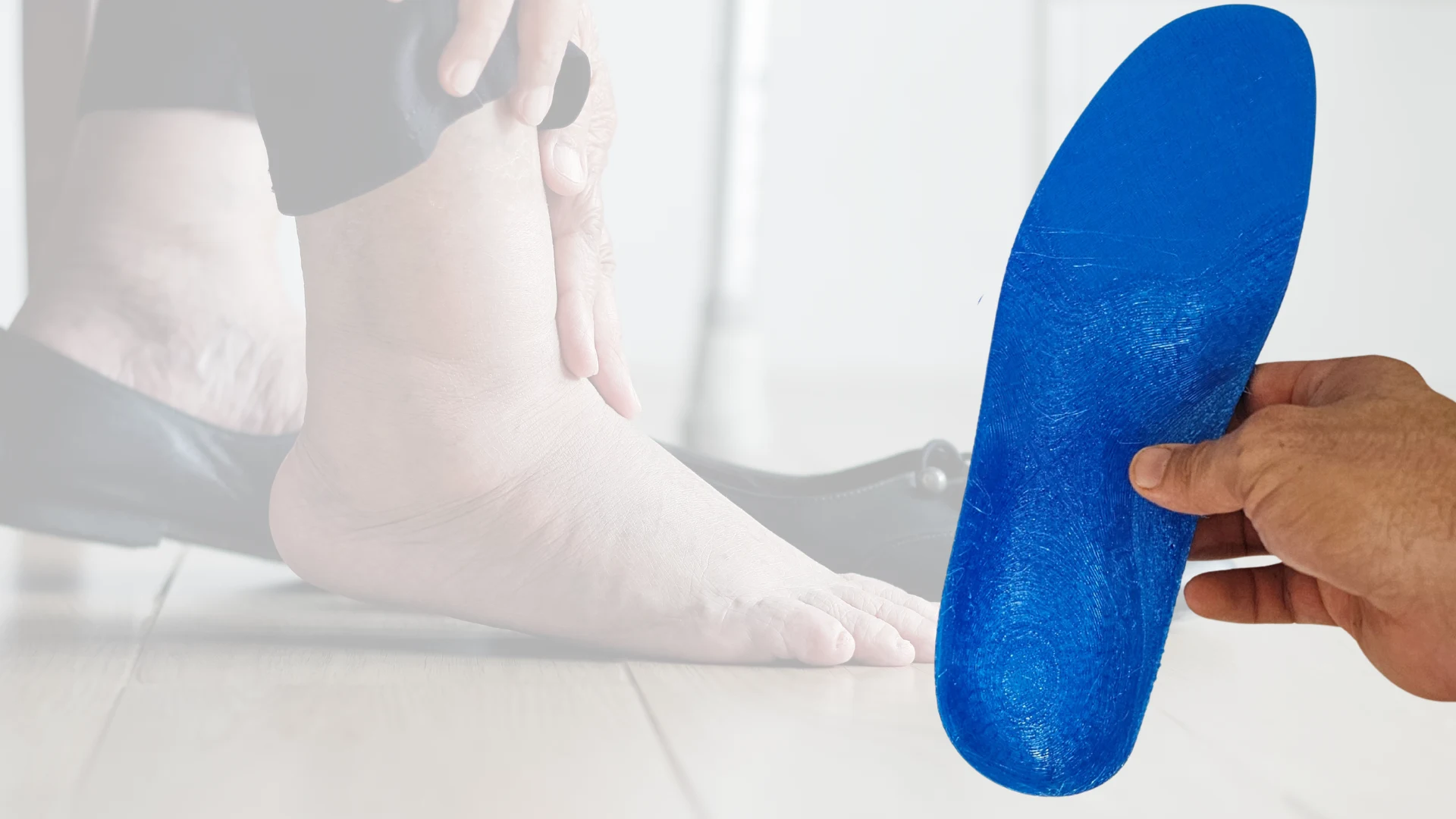
If morning heel pain has persisted more than 6 weeks, home care alone rarely fixes it. At Balance Foot & Ankle, we combine in-office ultrasound diagnostics, custom orthotics, and — when needed — shockwave or PRP to resolve plantar fasciitis that hasn’t responded to stretching and inserts. Most patients are walking pain-free within 4-8 weeks of starting a structured plan.
Call Balance Foot & Ankle: (810) 206-1402 · Book online · Offices in Howell & Bloomfield Township
Frequently Asked Questions — WFH Shoes for Plantar Fasciitis
Do I really need to wear shoes at home to prevent plantar fasciitis if I work from home?
Yes — this is one of the most important clinical recommendations Dr. Biernacki makes to remote worker patients, and it consistently meets resistance. The instinct is that home is a relaxed, shoe-free environment. The biomechanical reality is that barefoot walking on LVP, tile, hardwood, or concrete generates peak plantar fascia tension of 3.8–4.4× body weight per step — nearly double the loading of cushioned shoe walking. Over 40–80 barefoot micro-trips per WFH day (kitchen, bathroom, mailbox, printer, door), this accumulates to 1,200–2,800 high-load plantar fascial loading events daily. That’s a clinical injury mechanism regardless of how comfortable the floor feels subjectively. The good news is that compliance is highly achievable with the right shoe selection — the HOKA Bondi 8 is lightweight enough (10.8 oz), breathable enough for indoor use, and easy enough to apply that most patients maintain continuous WFH wear within 1–2 weeks of habit formation. The Birkenstock Super-Birki provides the same compliance benefit for patients who prefer a slip-on clog format. Therapeutic footwear compliance is the single most effective intervention for home office plantar fasciitis — more impactful in the home environment than any other single factor.
Can I use FSA or HSA money to buy therapeutic shoes for working from home?
Yes, if you have a written Letter of Medical Necessity (LMN) from a licensed podiatrist such as Dr. Biernacki documenting your plantar fasciitis diagnosis and therapeutic footwear requirement. IRS Publication 502 establishes that therapeutic shoes prescribed for a diagnosed foot condition qualify as a reimbursable FSA/HSA medical expense. This applies to all 6 shoes reviewed in this guide when purchased following a podiatric evaluation and documented prescription. Most Michigan employer FSA and HSA plans accept the LMN from Balance Foot & Ankle Specialists at point of reimbursement or as supporting documentation for a reimbursement claim. The effective discount on therapeutic footwear with FSA/HSA payment is 22–37% depending on your combined federal and Michigan state marginal tax rate — making the HSA/FSA route the most cost-effective way to purchase clinically necessary WFH footwear. Contact Balance Foot & Ankle Specialists to schedule an evaluation and receive your LMN documentation.
What is the best shoe for a standing desk in a home office?
For standing desk use specifically, Dr. Biernacki recommends the Brooks Addiction Walker 2 as the primary choice. Its 12mm heel drop provides meaningful Achilles tendon and plantar fascia unloading during prolonged quasi-static standing (the mechanical profile of standing desk use), its Extended Progressive Diagonal Rollbar (PDRB) delivers Motion Control-grade pronation control to prevent arch collapse under sustained vertical load, and its full-grain leather upper provides structural foot containment during extended standing sessions. However, the standing desk footwear choice must be paired with an anti-fatigue mat (Shore A 25–45, minimum 3/4″ thick) at the standing desk position — the mat reduces GRF on the plantar fascia by 22–35% and dramatically reduces lower extremity fatigue accumulation during 45–60 minute standing sessions. For remote workers who use standing desks intermittently (45–60 min blocks) rather than as their primary desk position, the HOKA Bondi 8 is an acceptable standing desk shoe if a quality anti-fatigue mat is in place. The Brooks Addiction Walker 2 is preferred for those standing 90+ minutes continuously or those with identified flat feet or prior PF flares specifically triggered by standing desk sessions.
Is plantar fasciitis from working at home covered by workers’ compensation in Michigan?
Potentially yes — plantar fasciitis developed as a direct result of WFH employment conditions may qualify as a compensable occupational disease under Michigan’s Workers’ Disability Compensation Act (WDCA, MCL 418.401). Michigan WC covers conditions that arise “out of and in the course of employment,” which Michigan courts have interpreted to include occupational diseases attributable to specific work-related exposures. For remote workers, establishing compensability requires medical documentation linking the PF diagnosis to the specific home office work environment — including documentation of floor surface type, barefoot exposure duration, standing desk usage, and work-hours biomechanical analysis. Dr. Biernacki provides comprehensive occupational medicine documentation for WFH remote worker patients pursuing Michigan WC claims, including a clinical assessment of the home office ergonomic environment and a causal analysis meeting Michigan WC evidentiary standards. Michigan WC claims for remote work musculoskeletal conditions are still a developing area of law — consultation with a Michigan workers’ compensation attorney alongside podiatric documentation is recommended for any remote worker considering a WC filing.
How long does it take for plantar fasciitis to improve once I start wearing proper shoes at home?
In Dr. Biernacki’s clinical experience with remote worker plantar fasciitis patients, consistent therapeutic footwear compliance (wearing appropriate shoes throughout the WFH workday from first morning step) produces measurable symptom improvement in 2–6 weeks for mild-to-moderate presentations. Specifically: morning first-step pain (the hallmark symptom of WFH-related PF) typically decreases by 40–60% within 2–3 weeks of consistent therapeutic footwear adoption. Full symptom resolution for mild-to-moderate Home Office Plantar Fasciitis typically occurs within 8–16 weeks with therapeutic footwear + stretching protocol + anti-fatigue mat. Severe or chronic presentations (symptoms present 6+ months, bilateral involvement, or failed conservative treatment) require more aggressive intervention — custom orthotics, physical therapy, corticosteroid injection, or advanced treatments including EPAT (extracorporeal pulse activation technology) available at Balance Foot & Ankle Specialists. The critical variable is footwear compliance consistency — partial compliance (wearing shoes 2–4 hours then going barefoot) produces minimal clinical improvement because the barefoot micro-trip loading continues to accumulate fascial microtrauma between shoe-wearing periods. Full-day therapeutic footwear wear is required for the intervention to work.
Schedule a WFH Foot Health Consultation with Dr. Biernacki DPM
Michigan remote workers: get a clinical diagnosis, FSA/HSA Letter of Medical Necessity, and a personalized Home Office Plantar Fasciitis treatment plan from Dr. Tom Biernacki DPM at Balance Foot & Ankle Specialists. Telehealth options available for qualifying patients.
Book Your Consultation (313) 406-0597When Shoes Aren’t Enough — Dr. Tom’s Top 9 Orthotics
About 30% of patients I see for foot pain need MORE than a great shoe — they need a structured insole. Below: my complete 2026 orthotic ranking with pros, cons, and the specific patient I’d give each one to.
★ DR. TOM’S COMPLETE 2026 ORTHOTIC RANKING
9 Best Prefab Orthotics by Use Case
PowerStep, Currex, Spenco, Vionic, and Superfeet — every orthotic I’ve fitted to thousands of patients across both Michigan offices. Each card includes pros, cons, and the specific patient I’d give it to. Real Amazon ratings, review counts, and prices below.
Best All-Purpose Orthotic for Most Patients
Semi-rigid arch shell + dual-layer cushion + deep heel cup. The orthotic I’ve fitted to more patients than any other for 15 years. APMA-accepted. Trim-to-fit design works in athletic shoes, casual shoes, and most work boots.
✓ Pros
- Semi-rigid arch shell provides true biomechanical correction
- Deep heel cup centers the heel and reduces lateral instability
- Dual-layer cushion (top + bottom) lasts 9-12 months daily wear
- Available in 8 sizes for precise fit
- APMA-accepted and clinically validated
- Lower price than Superfeet Green for equivalent function
✗ Cons
- Too thick for most dress shoes (use ProTech Slim instead)
- Some break-in period required (3-7 days for arch tolerance)
- Not enough correction for severe pes planus or rigid pes cavus
Dr. Tom’s Recommendation: If a patient has run-of-the-mill plantar fasciitis, mild flat feet, or arch fatigue, this is the first orthotic I try. Better value than Superfeet for 90% of patients, which is why I swapped it into our clinic kits three years ago. Sub-$50 typically.
Maximum Motion Control · Flat Feet & Severe Over-Pronation
PowerStep’s most aggressive stability orthotic. Adds a 2°-7° medial heel post on top of the standard PowerStep platform — designed specifically for flat-footed patients and severe pronators who need real corrective force.

✓ Pros
- 2°-7° medial heel post adds aggressive pronation control
- Same trusted PowerStep arch shell, more correction
- Built specifically for flat-foot biomechanics
- Excellent for posterior tibial tendon dysfunction (PTTD)
- Removable top cover for cleaning
✗ Cons
- Too aggressive for neutral-arch patients
- Needs longer break-in (10-14 days) due to stronger correction
- Adds 2-3 mm of stack height — won’t fit slim dress shoes
Dr. Tom’s Recommendation: When a patient comes in with significant flat feet AND symptoms (heel pain, arch pain, knee pain), the Original PowerStep isn’t aggressive enough. The Maxx is what gets prescribed. About 25% of my flat-footed patients end up here.
Low-Profile · Fits Dress Shoes & Narrow Casuals
3 mm slim profile with podiatrist-designed tri-planar arch technology. Engineered specifically to fit inside dress shoes, oxfords, loafers, and women’s flats without crowding the toe box. Vionic was founded by an Australian podiatrist.
✓ Pros
- 3 mm slim profile (vs 7-10 mm for standard orthotics)
- Tri-planar arch technology adds support without bulk
- Built-in deep heel cup despite slim design
- Fits dress shoes WITHOUT having to remove the factory insole
- Trim-to-fit · APMA-accepted
✗ Cons
- Less arch support than full-volume orthotics
- Top cover wears faster than thicker alternatives
- Not enough correction for severe foot deformities
Dr. Tom’s Recommendation: My default when a patient says ‘I need orthotics but I have to wear dress shoes for work.’ Slim enough to fit in oxfords and pumps without the heel sliding out. The single highest-impact change you can make for office workers with foot pain.
Built-In Metatarsal Pad · Morton’s Neuroma · Ball-of-Foot Pain
Standard Pinnacle orthotic with a built-in metatarsal pad positioned proximal to the metatarsal heads — the exact location that offloads neuromas and metatarsalgia. No need for separate met pads or pad placement guesswork.

✓ Pros
- Built-in met pad eliminates DIY pad placement errors
- Specifically designed for Morton’s neuroma + metatarsalgia
- Same trusted PowerStep arch + heel cup platform
- Top cover protects sensitive forefoot skin
- Faster relief than orthotics + add-on met pads
✗ Cons
- Met pad position is fixed (can’t fine-tune individual placement)
- Some patients with very small or very large feet need custom
- Slightly thicker than the standard Pinnacle
Dr. Tom’s Recommendation: If a patient has Morton’s neuroma, sesamoiditis, or generalized ball-of-foot pain (metatarsalgia), this saves a clinic visit and a prescription. The built-in pad placement is anatomically correct for 80% of feet. Way better than DIY met pads.
Adaptive Dynamic Arch · Athletic & Daily Wear
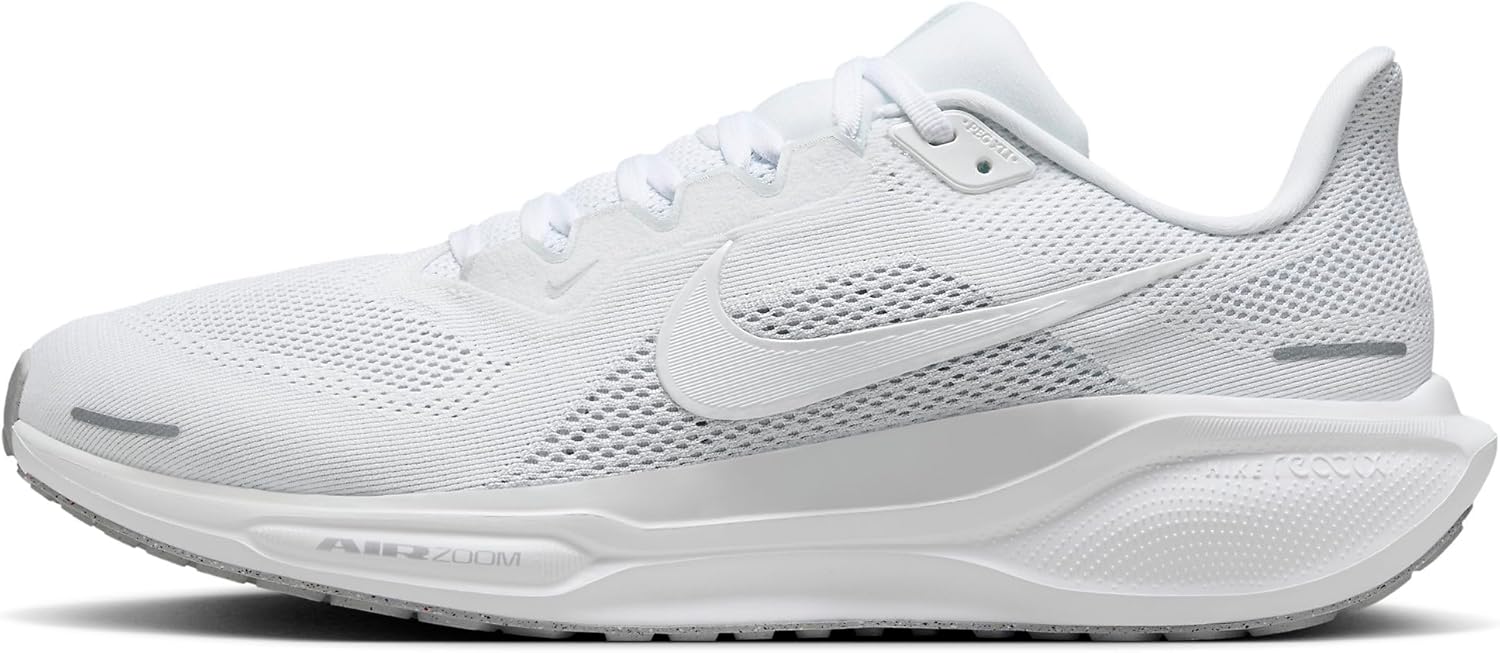
Currex’s flagship adaptive arch technology — the orthotic flexes with your gait instead of fighting it. Different stiffness zones along the length give you targeted support at the heel, midfoot, and forefoot. Available in three arch heights (low/medium/high).
✓ Pros
- Dynamic flex zones adapt to natural gait cycle
- Three arch heights ensure precise fit
- Lighter than rigid orthotics (no ‘heavy foot’ feel)
- Excellent for runners and athletic walkers
- European podiatric design (German engineering)
✗ Cons
- More expensive than PowerStep Original ($55-65 typically)
- Less aggressive correction than Pinnacle Maxx for severe cases
- Three arch heights means you must self-select correctly
Dr. Tom’s Recommendation: I started recommending Currex three years ago for runners who said PowerStep felt ‘too rigid.’ The dynamic flex zones respect natural gait. Best for active patients who walk 8K+ steps daily and don’t need maximum motion control.
Running-Specific · Heel Strike + Forefoot Strike Compatible
Currex’s purpose-built running orthotic. The midfoot flex zone is positioned for runner’s gait mechanics, with a flared heel cushion for heel strikers and a forefoot rocker for midfoot/forefoot strikers. Tested on 1000+ runners during product development.
✓ Pros
- Designed by German biomechanics lab specifically for runners
- Dynamic arch flexes with running gait (not static like PowerStep)
- Three arch heights (low/medium/high)
- Reduces overuse injury risk in mid-distance runners
- Lightweight (no impact on cadence)
✗ Cons
- Premium price ($60-75)
- Not aggressive enough for severe over-pronators (use Pinnacle Maxx)
- Runner-specific design = less ideal for daily walking shoes
Dr. Tom’s Recommendation: If a patient runs 20+ miles per week and has plantar fasciitis or shin splints, this is the orthotic I prescribe. The dynamic flex zones respect running biomechanics in a way that no rigid PowerStep can match. Pricier but worth it for serious runners.
Cavus Foot & High-Arch Patients
Polyurethane base with a deeper heel cup and higher arch profile than PowerStep — built for cavus (high-arched) feet that need maximum cushion and support. The 5-zone cushioning system addresses the unique pressure points of high-arch feet.

✓ Pros
- Deeper heel cup centers the heel for cavus foot stability
- Higher arch profile fills the void under high arches
- 5-zone cushioning addresses cavus foot pressure points
- Polyurethane base lasts 12+ months
- Available in Wide width
✗ Cons
- Too tall/aggressive for normal or low arches
- Won’t fit slim dress shoes
- Pricier than PowerStep Original
- Some patients find the arch height uncomfortable initially
Dr. Tom’s Recommendation: Cavus foot patients are often misdiagnosed and given low-arch orthotics — that makes everything worse. Spenco’s Total Support has the arch profile that high-arch feet actually need. About 15% of my patients have cavus feet; this is what they wear.
Cushion Layer · Standing All Day · Gel Pressure Relief
NOT a true biomechanical orthotic — this is a cushion insole. But for patients who want gel pressure relief instead of arch correction (or to add ON TOP of factory insoles in work boots), this is the best gel option on Amazon.

✓ Pros
- Genuine gel cushioning (not foam pretending to be gel)
- Targeted gel waves under heel and ball of foot
- Trim-to-fit · works in most shoe types
- Sub-$15 price (most affordable option in this list)
- Massaging texture is genuinely soothing
✗ Cons
- ZERO arch support — this is cushion only
- Won’t fix plantar fasciitis or flat-foot issues
- Compresses faster than PowerStep (4-6 months)
- Top cover wears through in high-mileage applications
Dr. Tom’s Recommendation: I recommend these to patients who tell me ‘I just want my feet to stop hurting at the end of my shift’ and who don’t have a biomechanical issue. Construction workers, factory workers, retail. Pure cushion does the job for them.
Tight-Fitting Shoes · Cycling Shoes · Hockey Skates
Superfeet’s slim version of their famous Green insole. The trademark stabilizer cap is preserved but the overall thickness is reduced — works in cycling shoes, hockey skates, ski boots, and other tight-fitting footwear that the standard Superfeet Green can’t fit into.

✓ Pros
- Stabilizer cap centers the heel (Superfeet’s signature feature)
- Slim profile fits tight athletic footwear
- Lasts 12+ months daily wear
- Excellent for cycling shoes specifically
- Built-in odor-control treatment
✗ Cons
- Premium price ($45-55)
- Less cushion than PowerStep equivalents
- Not as aggressive correction as Pinnacle Maxx for flat feet
- The signature ‘heel cup feel’ takes 1-2 weeks to adapt to
Dr. Tom’s Recommendation: If you’re a cyclist with foot numbness, hot spots, or knee pain — this is the orthotic. The stabilizer cap solves cycling-specific biomechanical issues that no other orthotic addresses. Worth the premium for athletes.
None of these solving your foot pain?
Some patients (about 30%) need custom-molded prescription orthotics. We make 3D-scanned custom orthotics in our Howell and Bloomfield Township offices — specifically built for your foot mechanics.
Schedule a Custom Orthotic Fitting →FSA/HSA eligible · Most insurance accepted · (810) 206-1402
In-Office Treatment at Balance Foot & Ankle
If home treatment isn’t providing relief for your foot pain, our podiatry team at Balance Foot & Ankle can help with same-day evaluations and advanced in-office care.
Same-day appointments available. (810) 206-1402
Learn about our footwear guidance and custom orthotics → | Book online →
Doctor Hoy’s Natural Pain Relief Gel
Natural topical pain relief I use in our clinic. Arnica + camphor formula — apply directly to the area 3–4x daily. ($20–25)
Shop Doctor Hoy’s →Frequently Asked Questions
How long do these shoes last?
Quality running shoes last 300-500 miles. Daily walking shoes last 9-12 months. Replace when the midsole feels soft or your symptoms return.
Should I add insoles?
Yes if you have plantar fasciitis or overpronation. Powerstep Pinnacle or a custom orthotic improves results. Healthy feet often do fine with the stock insole.
Are expensive shoes worth it?
Beyond about $130 most extra cost is materials and aesthetics. Match the shoe to your foot type, not budget. The right $80 stability shoe beats the wrong $250 maximalist shoe.

Dr. Tom Biernacki, DPM is a board-certified foot & ankle surgeon (ABFAS & ABPM) at Balance Foot & Ankle Specialists in Southeast Michigan. With over a decade of clinical experience, he specializes in heel pain, bunions, diabetic foot care, sports injuries, and minimally invasive surgery. Dr. Biernacki is a member of the APMA and ACFAS, and his patient education content on MichiganFootDoctors.com and YouTube has made him one of the most-followed foot & ankle educators on YouTube.