
Medically reviewed by Dr. Tom Biernacki, DPM
Board-certified podiatric surgeon | Balance Foot & Ankle, Howell & Bloomfield Township, MI
Last reviewed: May 2026

Quick answer: Big Toe Numb is a common foot/ankle topic that affects many patients. The 2026 evidence-based approach combines proper diagnosis, conservative-first treatment, and escalation only when needed. We treat this regularly at our Howell and Bloomfield Township practices. Call (810) 206-1402.
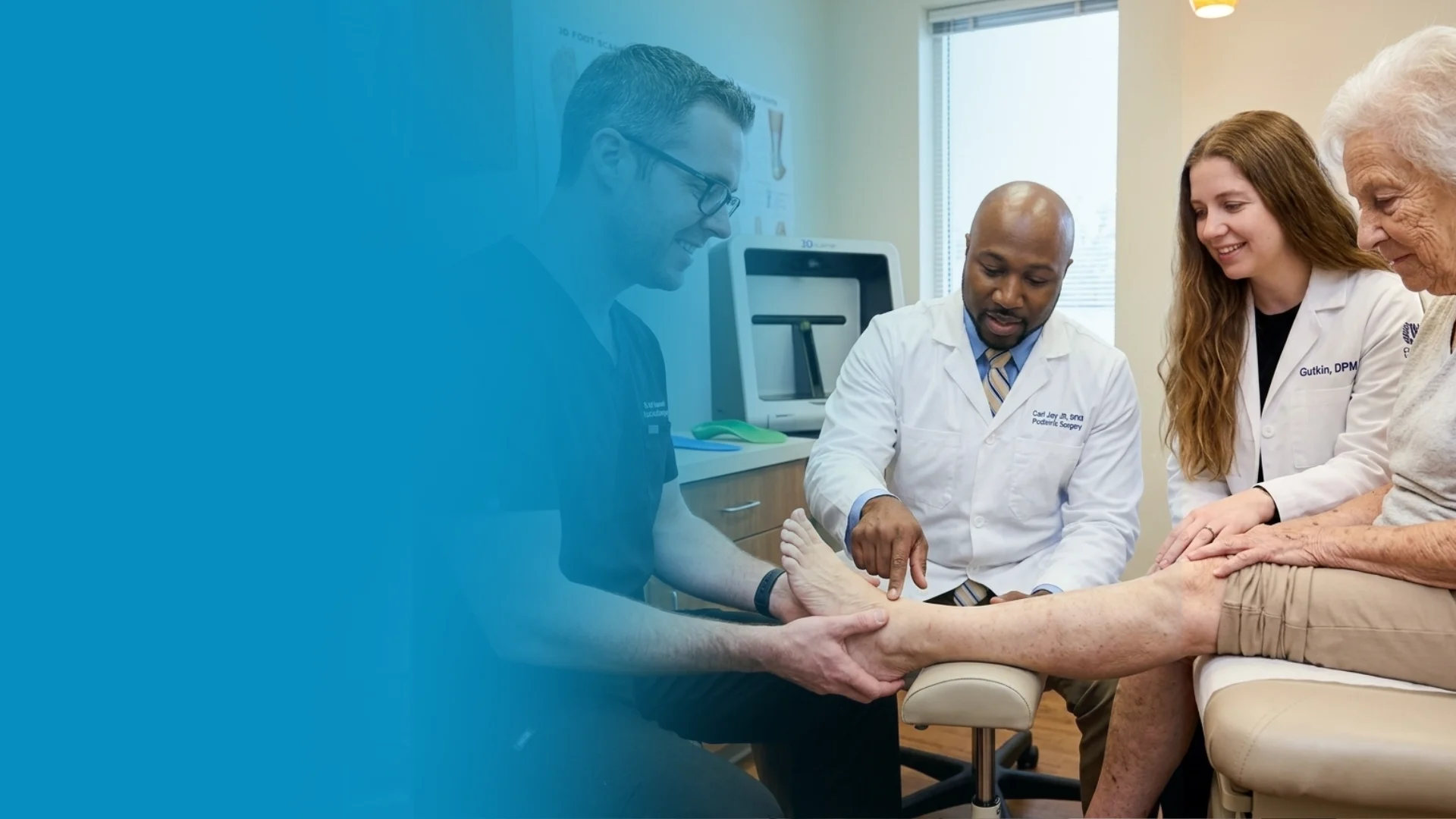
The most important clinical decision with Big Toe Numb isn’t which treatment to start with — it’s identifying the correct subtype. That changes everything. Call (810) 206-1402.
Big Toe Numb: Quick Answer
A numb big toe most commonly results from compression of the deep peroneal nerve (often shoe-related), L5 nerve root impingement (lower back), Morton’s neuroma in the 1st-2nd toe interspace, diabetic peripheral neuropathy, hallux rigidus (big toe arthritis), gout in early stages, vitamin B12 deficiency, or rarely a stroke. Sudden one-sided numbness with weakness elsewhere is a stroke until proven otherwise — call 911. Persistent numbness lasting more than 7-10 days warrants evaluation. Most cases are positional or shoe-related and resolve quickly with shoe modification, lacing changes, and addressing any underlying back issues.
When Big Toe Numbness Is an Emergency
Sudden numbness in the big toe accompanied by weakness on one side of the body, slurred speech, facial drooping, or vision changes is a stroke until proven otherwise — call 911 immediately. Strokes affecting the motor cortex can present with foot or toe numbness as the initial sign before more obvious deficits develop.
Other red flags requiring same-day evaluation: numbness with severe back pain and bowel/bladder dysfunction (cauda equina syndrome — surgical emergency); numbness with cold/pale foot and severe calf pain (acute limb ischemia); numbness with severe swelling and high fever (necrotizing infection); numbness following a fall or trauma (rule out fracture compressing nerve).
Cause #1: Deep Peroneal Nerve Compression (Most Common)
The deep peroneal nerve provides sensation to the small web space between the 1st and 2nd toes. Compression at the front of the ankle (anterior tarsal tunnel) or under tight shoe straps causes numbness specifically in this distribution.
Common triggers: Tight running shoe lacing across the dorsum of the foot, tight ski boots or skates (“Lace Bite”), tight watch-style ankle bracelets, or anatomical compression by exostoses (bone spurs) on the top of the midfoot.
Treatment: Use a “window lacing” technique to skip eyelets directly over the painful area; switch to shoes with a deeper, softer toe box; pad over the dorsum if pressure point identified; consider ultrasound-guided cortisone injection if conservative care fails for 6+ weeks.
Cause #2: L5 Nerve Root Impingement (Lumbar Radiculopathy)
A pinched L5 nerve root in the lumbar spine (typically from disc herniation, spinal stenosis, or spondylolisthesis) causes numbness on the top of the foot and big toe — the L5 dermatome.
Symptoms: Numbness in the big toe and dorsum of the foot, often associated with low back pain, pain radiating down the leg, weakness with toe extension (foot drop in severe cases), positive straight-leg raise test.
Workup: MRI of the lumbar spine. Often referred to a spine specialist. Treatment ranges from physical therapy + epidural steroid injections to lumbar microdiscectomy for severe cases.
Cause #3: Morton’s Neuroma (1st-2nd Interspace)
While most Morton’s neuromas affect the 3rd-4th toe interspace, “Joplin’s neuroma” is a less common variant that affects the medial digital nerve to the big toe, causing numbness on the medial (inner) aspect of the big toe.
Treatment: Wider toe-box shoes, metatarsal pad, gel toe spacer, ultrasound-guided cortisone injection, alcohol sclerosing injections, or surgical excision for resistant cases. See our Morton’s neuroma guide.
Cause #4: Diabetic Peripheral Neuropathy
Diabetic peripheral neuropathy is the most common chronic cause of foot numbness. While it usually presents as a “stocking distribution” affecting all toes, the big toe is typically the FIRST to lose protective sensation in early diabetic neuropathy.
10g monofilament test: Loss of sensation to a 10g monofilament at the big toe pulp predicts foot ulcer risk and warrants annual exam plus appropriate footwear. See our diabetic foot care guide.
Cause #5: Hallux Rigidus (Big Toe Arthritis)
Symptoms: Pain and stiffness in the big toe joint, especially with bending the toe up; visible bony enlargement on top of the joint; numbness on the dorsum of the toe from compression of small nerves by the bony exostosis.
Treatment: Stiff-soled or rocker-bottom shoes, custom orthotics with Morton’s extension, NSAIDs, intra-articular injections; failed conservative care: cheilectomy (shaving the bone spur) or 1st MTP fusion. Read our hallux rigidus guide.
Causes #6-8: B12 Deficiency, Gout, Stroke
Vitamin B12 deficiency: Bilateral foot numbness, often with cognitive symptoms. Common in vegans, elderly, post-bariatric, chronic metformin users. Easy to diagnose (serum B12 level) and treat (oral cyanocobalamin or IM injections).
Gout (early stages): Sudden onset severe pain in the big toe (podagra) with redness, swelling, and warmth. Some patients also describe numbness. Treatment: NSAIDs, colchicine, allopurinol for chronic management.
Stroke: Rare cause of isolated big toe numbness but always considered with sudden onset accompanied by other neurologic deficits. Call 911.
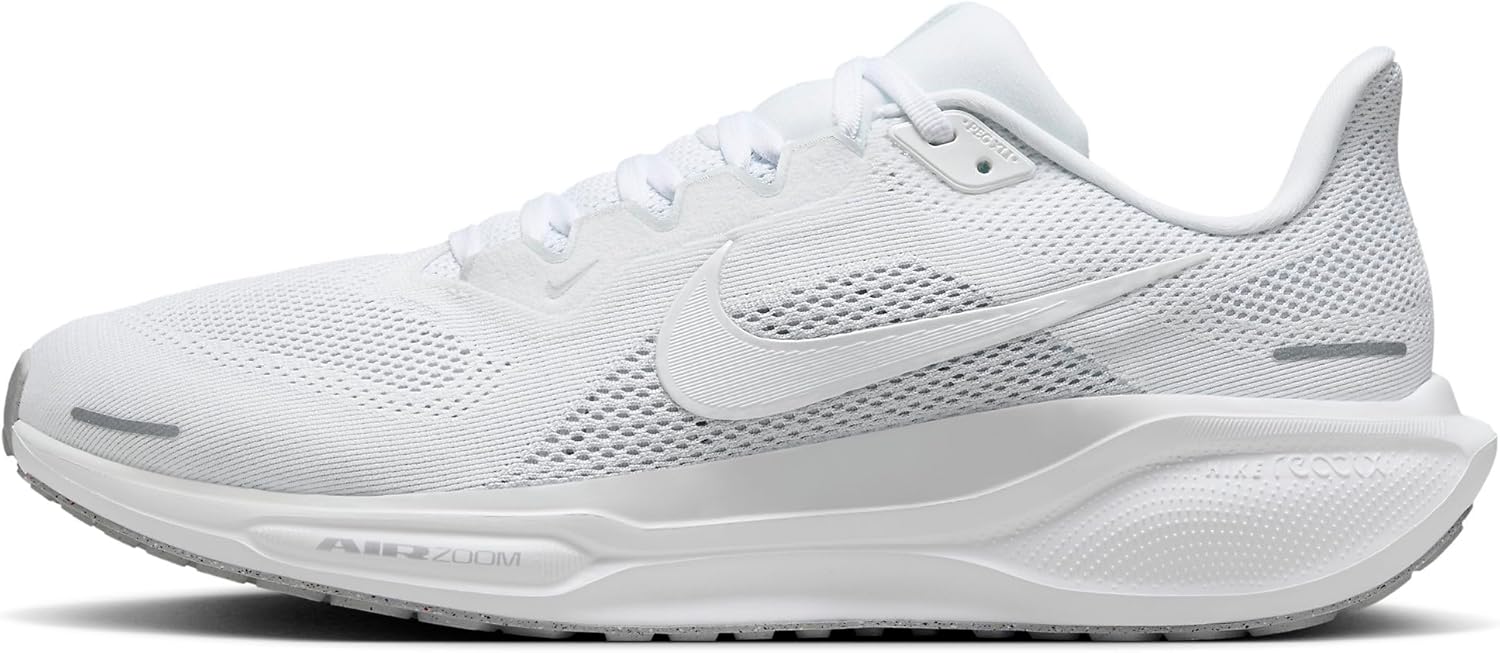
When Shoes Aren’t Enough — Dr. Tom’s Top 9 Orthotics
About 30% of patients I see for foot pain need MORE than a great shoe — they need a structured insole. Below: my complete 2026 orthotic ranking with pros, cons, and the specific patient I’d give each one to.




When to See a Podiatrist
Same-week appointment if: numbness persists more than 7-10 days; numbness is bilateral or progressive; numbness associated with weakness, cold/pale foot, or color changes; you have diabetes (any new foot problem warrants same-week evaluation). At Balance Foot & Ankle we offer comprehensive workup including 10g monofilament, vibration testing, ABI, and on-site ultrasound + X-ray.
In-Office Treatment at Balance Foot & Ankle
If home treatment isn’t providing relief for your neuropathy, our podiatry team at Balance Foot & Ankle can help with same-day evaluations and advanced in-office care.
Frequently Asked Questions About Big Toe Numb
Why is my big toe numb but no other toes?
Most commonly: deep peroneal nerve compression (shoe-related), L5 nerve root impingement (lower back), or hallux rigidus (big toe arthritis). Less commonly: Joplin’s neuroma or early diabetic neuropathy.
Can a pinched nerve in the back cause big toe numbness?
Yes — L5 nerve root impingement (from disc herniation or spinal stenosis) classically causes numbness on the top of the foot and big toe. MRI confirms.
Is big toe numbness a sign of diabetes?
It can be — the big toe is typically the first to lose sensation in early diabetic neuropathy. Anyone with new bilateral foot numbness should have fasting glucose and hemoglobin A1c checked.
What does it mean if my big toe is numb after running?
Most commonly nerve compression from tight shoe lacing across the dorsum (deep peroneal nerve). Try window lacing to skip the eyelets over the painful area, switch to shoes with deeper toe box, ensure thumb-width space at the toe.
When should I worry about big toe numbness?
Sudden numbness with weakness, slurred speech, or facial drooping = call 911. Numbness that persists more than 7-10 days, bilateral progressive numbness, or any new foot problem in a diabetic patient warrants same-week podiatrist evaluation.
Can tight shoes cause permanent big toe numbness?
Prolonged compression (months-years) can damage the nerve permanently, but most shoe-related numbness resolves within days-weeks of relieving the pressure.
How do you fix a numb big toe?
Treat the underlying cause: shoe modification + window lacing for shoe-related; spinal evaluation for L5; orthotics + NSAIDs for hallux rigidus; glycemic control for diabetic neuropathy; B12 supplementation for deficiency.
Related Resources from Balance Foot & Ankle
- Numbness in Feet – 9 Causes Complete Guide
- Middle Toe Numb – Causes & Treatment
- Diabetic Foot Care
- Hallux Rigidus – Big Toe Arthritis
- Morton’s Neuroma
- MLS Laser for Neuropathy
Podiatrist-Recommended Products for Toe Nerve Symptoms
- PowerStep Pinnacle — offloads metatarsal pressure that can compress nerves causing toe numbness
- Foot Petals Tip Toes — metatarsal cushions that reduce interdigital pressure between the toes
- Doctor Hoy’s Natural Pain Relief Gel — topical neuropathy formula for mild nerve-related discomfort in the forefoot
These are the same products Dr. Biernacki recommends in clinic. Available through our partner Foundation Wellness.
Frequently Asked Questions
When should I see a podiatrist?
If symptoms persist past 2 weeks, affect your normal activity, or are accompanied by red-flag symptoms (warmth, redness, swelling, inability to bear weight).
What does treatment cost?
Most diagnostic visits and conservative treatments are covered by Medicare and major insurers. Out-of-pocket costs vary by your specific plan.
How quickly can I get an appointment?
Most non-urgent cases see us within 5 business days. Urgent cases (sudden pain, possible fracture) typically same or next business day.
APMA: Big Toe Numbness — Nerve and Circulation Causes
Ready to Get Relief?
Same-day appointments available in Howell & Bloomfield Township, MI
4.9★ | 1,123 Reviews | 3,000+ Surgeries
Or call: (810) 206-1402

Dr. Tom Biernacki, DPM is a board-certified foot & ankle surgeon (ABFAS & ABPM) at Balance Foot & Ankle Specialists in Southeast Michigan. With over a decade of clinical experience, he specializes in heel pain, bunions, diabetic foot care, sports injuries, and minimally invasive surgery. Dr. Biernacki is a member of the APMA and ACFAS, and his patient education content on MichiganFootDoctors.com and YouTube has made him one of the most-followed foot & ankle educators on YouTube.