

Bunion typically responds to early podiatrist evaluation, conservative treatments like supportive footwear and targeted stretching, and—when needed—custom orthotics. Most patients see improvement within 4-6 weeks of starting a treatment plan. Severe or persistent symptoms warrant in-person assessment to rule out structural issues. Contact our Howell or Bloomfield Hills office for a same-week evaluation.
★ 4.9 Stars · 1,123+ Reviews · Board-Certified Michigan Podiatrists
Bunion Treatment Michigan
Including Lapiplasty® 3D Correction
Bunions are progressive deformities that worsen without treatment. Dr. Tom Biernacki is a fellowship-trained Lapiplasty® specialist — the most advanced bunion correction technique available, with dramatically lower recurrence than traditional surgery.
2026 Update
Medically reviewed
by Dr. Tom Biernacki DPM, Board-Certified Podiatric Surgeon · Last updated:
March 2026
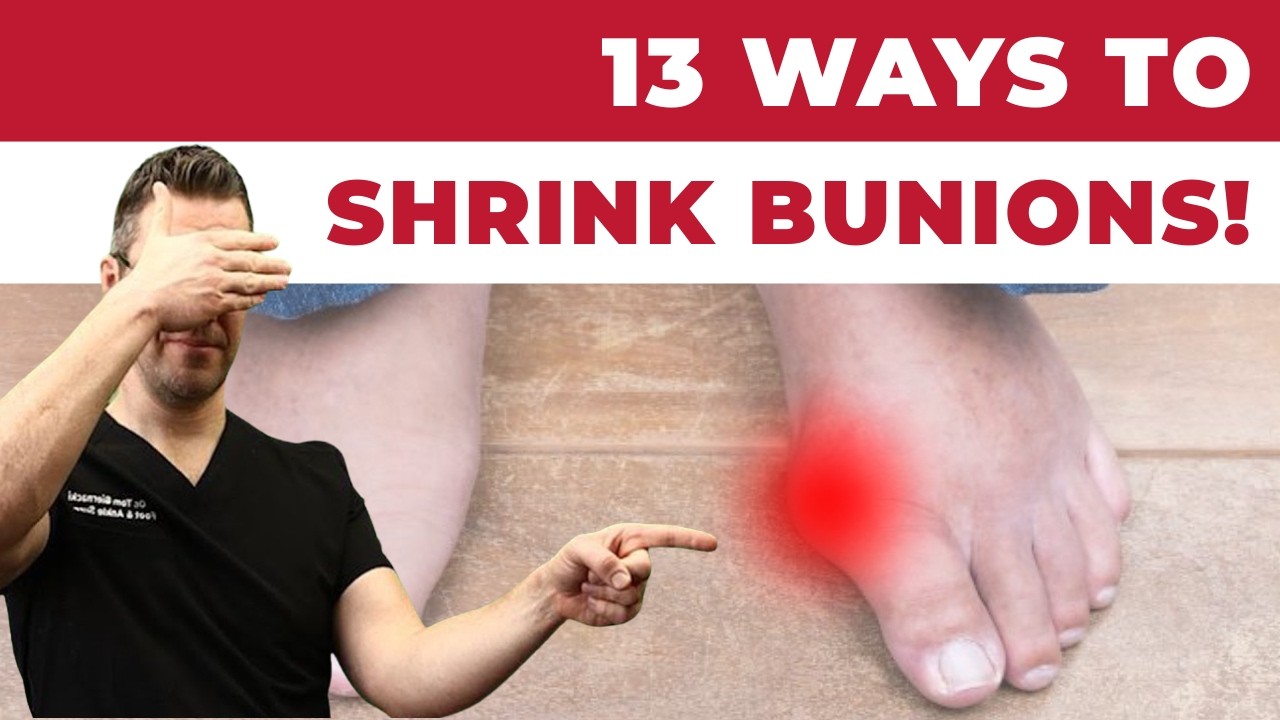
Bunions are the second most common foot deformity I treat. The frustrating truth: there’s no conservative treatment that reverses a bunion. But the right approach can stop progression and eliminate pain for most patients — without surgery.
What Is a Bunion?
A bunion — medically known as hallux abducto valgus — is a bony prominence at the base of the big toe where the first metatarsal drifts outward and the big toe angles toward the second toe. The visible bump is not extra bone growing outward but rather the metatarsal head becoming exposed as joint malalignment worsens progressively over time.
Bunions are partly genetic and partly biomechanical — narrow footwear accelerates them but doesn’t cause them. They progress through predictable stages, which is why the treatment that works at stage one rarely works at stage four.

Is It Really a Bunion? Gout and Hallux Rigidus Look Similar
In our clinic, several conditions get mistaken for bunions every week. Gout strikes the same joint but comes on suddenly — the joint turns red, hot, and exquisitely tender overnight. Hallux rigidus is big-toe arthritis: the joint stiffens and hurts with push-off, but the toe doesn’t drift sideways. Sesamoiditis causes pain under the joint rather than at the bump. An X-ray and a five-minute exam tell these apart — and each has a completely different treatment plan.
Conservative Treatment
Conservative bunion treatment focuses on reducing pain and slowing progression without surgery. Podiatrists recommend wide toe-box shoes that avoid compressing the bunion, night splints or spacers to maintain alignment, custom orthotics to address the biomechanical root cause, and anti-inflammatory measures including ice and NSAIDs. For many patients, these approaches provide years of comfortable function before surgery becomes necessary.
- Wide toe box shoes — The single most important intervention
- Bunion splints — Reduce pain; cannot reverse deformity
- Custom orthotics — Correct the underlying biomechanics driving progression
- Toe spacers — Temporary pain relief and alignment
- Cortisone injection — For acute flare-ups
The Most Common Mistake We See
The most common mistake we see is patients expecting splints and correctors to reverse the bony deformity. They can’t — no splint moves bone. Splints and spacers are excellent pain management and progression-slowing tools, and we recommend them daily. But if a product promises to “cure” your bunion, keep your money. Only surgery corrects the alignment itself.
⚠️ See a podiatrist promptly if you notice:
- Sudden redness, heat, or severe swelling of the joint (possible gout or infection)
- Numbness or tingling in the big toe
- The big toe drifting under or over your second toe
- An open sore or broken skin over the bump — especially if you have diabetes
- Pain that hasn’t improved after 6 weeks of wide shoes and padding
When to Consider Surgery
Bunion surgery becomes appropriate when conservative measures no longer control pain, when the deformity affects the second toe, or when arthritis has developed within the joint. A podiatric surgeon evaluates X-ray alignment angles, patient activity level, and bone quality before recommending which of more than 100 available bunion procedures is best suited to that individual patient.
Surgery (bunionectomy or Lapidus) is indicated when: conservative treatment has failed for 6+ months, pain is limiting daily activities, deformity is severe, or a bunionette (tailor’s bunion) is also present.
Watch: Bunion Treatment Options Explained
Dr. Tom Biernacki, DPM walks through the complete spectrum of bunion treatment in this patient education video — from first-line conservative care through the latest minimally invasive and Lapiplasty 3D surgical approaches. This video is designed to help patients understand all available options before scheduling a consultation at Balance Foot & Ankle.
Dr. Tom Biernacki, DPM — Board-Certified Podiatrist | Balance Foot & Ankle, Michigan
Modern bunion surgery has excellent outcomes but requires 6–12 weeks of recovery. It’s a commitment — but for the right patient, it’s worth it.
Guides
These in-depth bunion guides from Dr. Tom cover every aspect of bunion management — from understanding why bunions form and the role of genetics versus footwear, to comparing surgical techniques including traditional osteotomy and the newer Lapiplasty three-dimensional correction. Each guide is written specifically for Michigan patients making treatment decisions.
- Complete Bunion Treatment Guide
- Best Shoes for Bunions — 2026 picks
- Bunion Surgery — Recovery and expectations
Serving Michigan Patients Near You
Balance Foot & Ankle offers bunion evaluation and treatment at two Michigan locations — Howell and Bloomfield Hills — with new patient appointments available within days. Dr. Tom Biernacki and his team provide comprehensive bunion care from conservative management through Lapiplasty bunion surgery, with same-location imaging and orthotic fabrication.
Bunion surgery and conservative bunion care is available at these Michigan locations:
- Bunion Treatment in Howell, MI
- Bunion Treatment in Bloomfield Hills, MI
- Bunion Treatment in Brighton, MI
- Bunion Treatment in Hartland, MI
- Bunion Treatment in Novi, MI
- Bunion Treatment in Troy, MI
- Bunion Treatment in Fenton, MI
Serving bunion patients across Southeast Michigan. Book an appointment →
Dr. Tom’s Product Recommendations:
Dr. Tom shares honest foot-health advice with 950,000+ subscribers on YouTube. Subscribe on YouTube →
Related Conditions
Ready to Get Back on Your Feet?
Same-week appointments available at both locations.
Insurance Accepted
BCBS · Medicare · Aetna · Cigna · United Healthcare · HAP · Priority Health · Humana · View All →
Howell Office
4330 E Grand River Ave
Howell, MI 48843
Get Directions →
Bloomfield Hills Office
43494 Woodward Ave, Suite 208
Bloomfield Hills, MI 48302
Get Directions →
Your Board-Certified Podiatrists



Board-certified care at both Michigan locations
Book your visit today
Most insurance accepted · On-site X-ray · Board-certified podiatrists
Frequently Asked Questions
When should I have bunion surgery?
Surgery is recommended when: pain is severe and affects daily activities, conservative measures (orthotics, wide shoes, padding) have failed after 6+ months, the deformity is progressive, you have significant joint damage on X-ray, or daily pain impacts quality of life. Most patients try conservative care for at least 6-12 months first.
What is Lapiplasty® and how is it different from traditional bunion surgery?
Lapiplasty® is a 3D bunion correction procedure that addresses the root cause of bunions (an unstable joint), unlike traditional osteotomy which only cuts and shifts the bone. Lapiplasty stabilizes the unstable joint with titanium plating, dramatically reducing recurrence rates. Dr. Tom Biernacki is a fellowship-trained Lapiplasty® specialist.
How long is bunion surgery recovery?
Traditional bunion surgery recovery takes 6-8 weeks in a boot, then 3-6 months of full recovery. Lapiplasty® allows earlier weight-bearing (often within days) with a similar total timeline. Most patients return to normal shoes in 3-4 months and athletic activities in 4-6 months.
Do bunion correctors actually work?
Bunion correctors reduce pain and slow progression in early-stage bunions but cannot permanently straighten a bunion or move the bone. They are pain management tools, not cures. Only surgery permanently corrects a bunion. Custom orthotics addressing underlying mechanics are more effective than off-the-shelf splints.
What happens if a bunion is left untreated?
Untreated bunions worsen over time. The joint deviation increases, leading to cartilage damage, bursitis, overlapping toes, and chronic pain. Advanced bunions make it very difficult to find comfortable shoes and affect walking balance. Early conservative care delays progression significantly.
Can a bunion be fixed without surgery?
Conservative care — wide toe-box shoes, custom orthotics, splints, and padding — can stop progression and eliminate pain in most patients, but it cannot straighten the bone. Only surgery corrects the deformity itself. The good news: many patients stay comfortable for years without ever needing an operation.
What makes a bunion worse?
Narrow-toed shoes, high heels, and going barefoot on hard surfaces. The underlying genetics and foot mechanics matter more than footwear, but tight shoes accelerate progression noticeably.
When should I see a podiatrist for a bunion?
If bunion pain persists beyond two weeks of self-care, interferes with daily activity, or the toe begins drifting toward (or over) the second toe, schedule an evaluation. Early intervention slows progression and keeps more treatment options open.
Does insurance cover bunion treatment in Michigan?
Most major Michigan plans (BCBS, BCN, Priority Health, HAP, Medicare, Medicaid HMOs, United, Aetna, Cigna) cover medically necessary bunion care, including surgery when indicated. Custom orthotics may have separate DME coverage rules. Our team verifies your specific benefits before your visit.
Watch: Lapiplasty® Bunion Surgery Explained
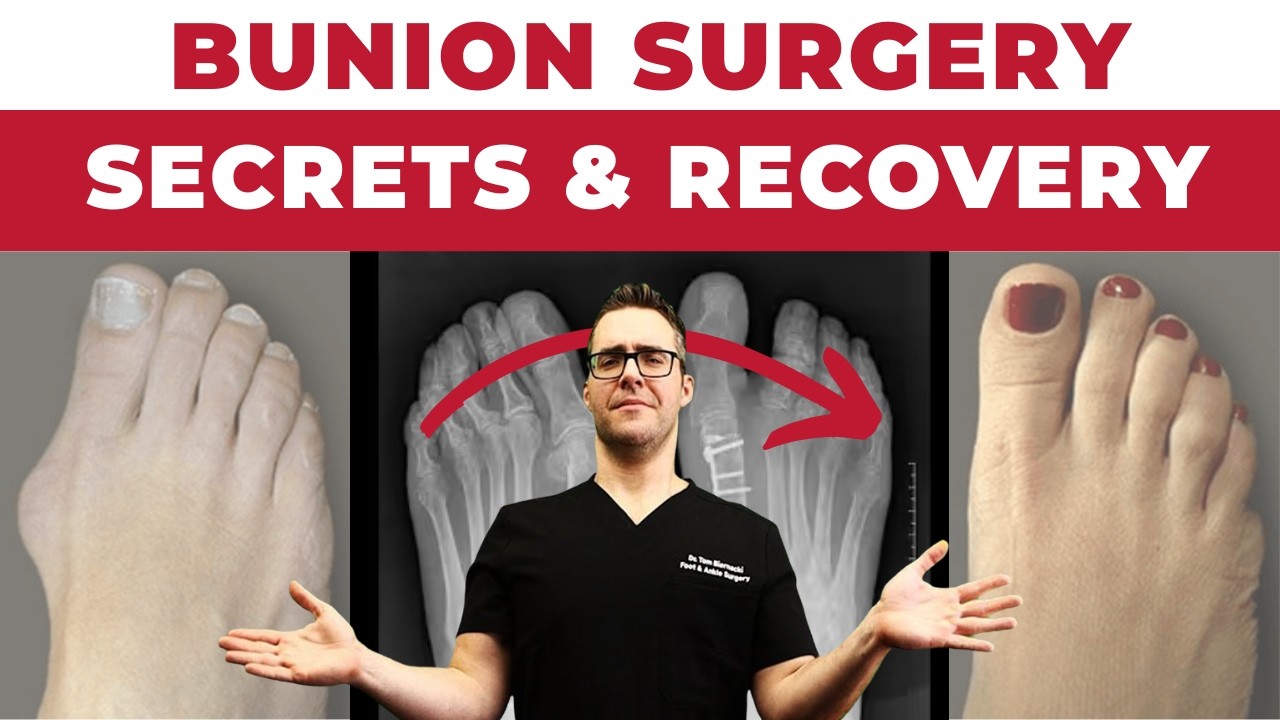
Watch Dr. Tom Biernacki, DPM compare traditional bunionectomy and Lapiplasty® 3D correction — including what recovery really looks like for each.
Medical References & Resources
- Bunion treatment and surgery guidelines — American College of Foot & Ankle Surgeons (ACFAS)
- APMA bunion care resources — American Podiatric Medical Association (APMA)
Bunion Products and Pre-Surgery Prep
Whether you're trying to delay surgery or preparing for an upcoming procedure, these three guides cover the products patients ask about most.
Podiatrist-Recommended Bunion Products
Pain relief, splints, and spacers that actually work for bunions.
Bunion Surgery vs Correctors: The Truth
Honest comparison: what correctors can and can't do vs surgery.
Bunion Surgery Recovery Kit
5 must-have items for a smoother post-op recovery (order before surgery).
Ready to Get Relief From Your Bunion?
Whether you need a second opinion, a conservative care plan, or a surgical consultation, our board-certified podiatrists will walk you through every option — most patients are seen the same week.
Bunion Conservative Care Kit
Bunions cannot be reversed without surgery, but these four items slow progression and relieve pain for patients not ready for surgical correction:

PowerStep Pinnacle Insoles
The OTC orthotic I recommend most in our clinic — medical-grade arch support that slows the overpronation driving bunion progression, at a fraction of custom orthotic cost.

Doctor Hoy’s Natural Pain Relief Gel
Natural topical pain relief I use in our clinic. Arnica + camphor formula — apply directly over the sore joint 3–4× daily during flare-ups.

ZenToes Gel Toe Separators
Gentle realignment pressure — wear at home to reduce friction on the medial eminence and keep the big toe from crowding its neighbor.

Orthofeet Edgewater Stretch-Knit Walking Shoe
A roomy stretch-knit toe box that flexes around the bump instead of pressing on it. Men’s shown — women’s styles available on the same page.
Affiliate disclosure: As an Amazon Associate and Foundation Wellness partner, we earn from qualifying purchases at no extra cost to you. We only recommend products we actually prescribe to patients at Balance Foot & Ankle.
Related from Balance Foot & Ankle
🦶 Foot Petals Bunion Cushions: Dress Shoe Comfort
Hallux valgus (bunions) create a prominent medial bump at the first metatarsophalangeal joint that presses painfully against any shoe. Foot Petals Heavenly Heelz and bunion-specific cushions create a self-adhesive gel pad directly over the prominence — significantly reducing pressure inside dress shoes, heels, and work footwear where patients can’t switch to wider athletic shoes. My patients call these ‘bunion savers’ for weddings, events, and workdays.