

★ 4.9 Stars · 1,123+ Reviews · Balance Foot & Ankle Michigan
Callus Nail Care Howell
Board-certified podiatrists in Howell & Bloomfield Township, MI. 4.9★ rated · Same-week appointments · Most insurance accepted · (810) 206-1402.
👟 Dr. Tom Also Recommends
Podiatrist Recommended Shoes 2026: Dr. Tom’s Top Picks for Every Condition
The right footwear can make or break your recovery. Dr. Tom’s complete guide to the best shoes for plantar fasciitis, flat feet, neuropathy, bunions & more — with clinical picks for every foot type.
See Dr. Tom’s Top Shoe Picks →Medically reviewed by Dr. Tom Biernacki, DPM, FACFAS — Board-Certified Podiatric Surgeon. Last updated: April 2026 · Based on current clinical evidence and our treatment outcomes
Watch: Corns and Calluses
Dr. Tom Biernacki, DPM explains the clinical basics — then covers what we do differently in our Howell and Bloomfield Township clinics. Subscribe on YouTube for weekly walkthroughs.
Professional Callus & Nail Care in Michigan
Pain-Free Treatment for Thick Nails, Corns, Calluses & Cracked Heels
Board-Certified DPMs
All podiatrists are AACFAS and FACFAS certified
Same-Day Appointments
Walk-ins welcome for urgent care
2 Michigan Locations
Howell & Bloomfield Township clinics
Insurance Accepted
Most plans + FSA/HSA
What Is Professional Callus & Nail Care?
Professional callus and nail care involves advanced removal techniques, medical-grade tools, and clinical expertise to safely treat thickened skin, painful corns, fungal nails, and severe heel damage. Unlike at-home methods, podiatric treatment addresses the underlying causes of these conditions while minimizing pain and preventing complications like infection or permanent damage.
Why Professional Foot Care Matters
Calluses, corns, and thick nails don’t just affect your comfort—they can indicate deeper structural problems, fungal infections, or pressure distribution issues that worsen over time. At-home treatments often remove only the surface layer, leaving the underlying problem untreated. Professional podiatric care removes damaged tissue completely, identifies root causes, and provides customized solutions to prevent recurrence.
For patients who can’t safely reach or feel their own feet — often due to diabetes, neuropathy, or simply age — regular professional callus and nail care isn’t cosmetic, it’s protective. Book our Howell office or Bloomfield Township online, or if getting in is hard, ask about a home visit.
Balance Foot & Ankle Specialists uses advanced clinical techniques, sterile instruments, and advanced diagnostics to treat these conditions safely—even for patients with diabetes, neuropathy, or compromised healing. Our board-certified podiatrists ensure pain-free treatment with faster healing and long-lasting results.
Conditions We Treat
Painful Calluses
Thickened skin from pressure and friction, safely removed with clinical debridement to restore comfort and flexibility
Corns
Hard, painful growths on toes caused by pressure and friction, completely removed with proper pressure relief strategies
Ingrown Toenails
Nails growing into surrounding tissue, treated with conservative care or minor surgical removal depending on severity
Fungal & Thick Nails
Discolored, crumbly, or thickened nails treated with debridement and antifungal protocols for lasting improvement
Dry & Cracked Heels
Severely fissured, painful heels professionally debrided and treated with hydration therapy for healing and prevention
Nail Deformities
Curved, clubbed, or irregularly shaped nails evaluated and treated with appropriate clinical techniques
What to Expect During Your Visit
1. Comprehensive Assessment
Your podiatrist will examine your feet, review your medical history, discuss pain or functional limitations, and assess the underlying causes of calluses, corns, or nail problems
2. Professional Treatment
Using sterile instruments and advanced techniques, we safely remove thickened tissue, debrided nails, or address other conditions. Most patients experience immediate relief and minimal to no pain during treatment
3. Aftercare Instructions
You’ll receive specific guidance on foot care, proper hygiene, footwear recommendations, and any prescribed treatments to promote healing and prevent recurrence
4. Follow-Up & Prevention Plan
We’ll schedule follow-up visits if needed, discuss preventive strategies, and create a long-term care plan tailored to your specific foot condition
When Is Callus or Nail Surgery Needed?
Most calluses and corns respond well to conservative professional care: debridement, pressure relief, and proper footwear modifications. However, some conditions require surgical intervention:
Ingrown Toenails: When conservative treatment fails or infection is present, our board-certified surgeons perform minimally invasive nail removal procedures with high cure rates and minimal recovery time.
Structural Issues: Hammertoes, bunions, or bone abnormalities causing pressure points may require minor surgical correction to permanently eliminate the problem.
Severe Fungal Nails: Thick, crumbly nails with extensive fungal infection may benefit from partial or complete nail removal to allow healthy regrowth and prevent further spread.
Our FACFAS-certified surgeons will discuss all available options during your consultation and recommend the most appropriate treatment for your specific condition.
Don’t Let Painful Feet Hold You Back
Get professional relief today from calluses, corns, thick nails, and cracked heels. Same-day appointments available at our Howell and Bloomfield Township locations.
Insurance & Payment Options
Balance Foot & Ankle Specialists accepts most major insurance plans, including Medicare, Medicaid, and commercial coverage. We also welcome FSA and HSA payments, which can be applied directly to your treatment costs.
Contact our billing team for insurance verification, coverage details, and flexible payment arrangements. We’re committed to making professional foot care affordable and accessible.
Why Choose Balance Foot & Ankle Specialists
Board-Certified Specialists
Our podiatrists hold AACFAS and FACFAS certifications, representing advanced training, continuing education, and clinical expertise in foot and ankle surgery
Specialized Diabetic & Senior Care
We understand the unique needs of diabetic patients and seniors, providing gentle, careful treatment that protects sensitive skin and prevents complications
Same-Day Relief
Walk-in appointments welcome, and most patients experience immediate comfort improvement after professional debridement and treatment
Personalized Care Plans
Every patient receives a customized treatment and prevention strategy based on their specific condition, lifestyle, and health goals
Frequently Asked Questions
Is callus removal painful?
Can I treat corns at home?
How often should I get professional foot care?
Does insurance cover callus and nail care?
Will calluses or corns come back after treatment?
Is professional foot care safe for diabetics?
Related Treatments & Services
Ready for Relief?
Schedule your appointment at Balance Foot & Ankle Specialists today. Same-day appointments available at Howell and Bloomfield Township locations.
Our Locations
Howell Office
Address
4330 E Grand River Ave
Howell, MI 48843
Hours
Monday – Friday
8:00 AM – 5:00 PM
Phone
Fax
833-450-6201
Bloomfield Township Office
Address
43494 Woodward Ave #208
Bloomfield Township, MI 48302
Hours
Monday – Friday
8:00 AM – 5:00 PM
Phone
Fax
833-450-6317
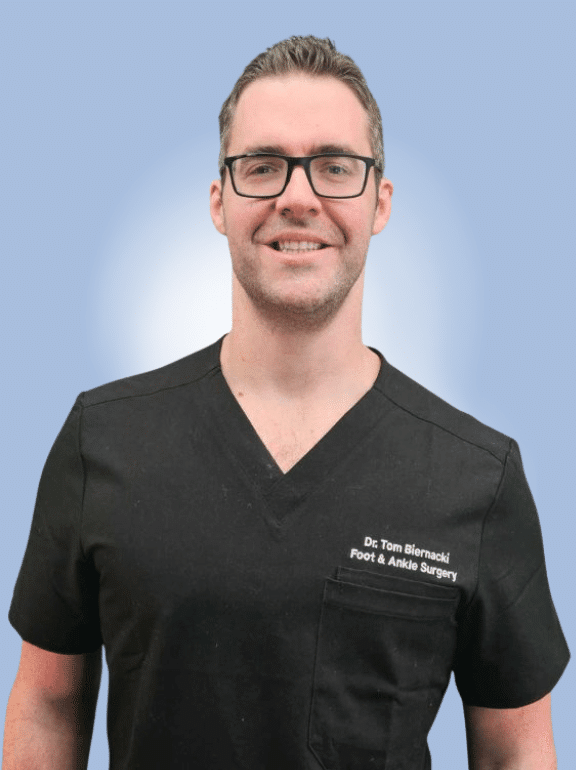
Meet Our Podiatrists


Medical Disclaimer
This page is for informational purposes only and does not constitute medical advice. Results vary by individual and condition severity. Always consult with a qualified podiatrist for diagnosis and treatment recommendations. Balance Foot & Ankle Specialists provides this content to help patients make informed healthcare decisions.
Ready to Get Back on Your Feet?
Same-week appointments available at both locations.
Book Your Appointment“Regular nail care visits keep my feet healthy and comfortable. The staff is always gentle and thorough. As a diabetic, this preventive care gives me peace of mind.”
— William S., Nail Care Patient
Serving Patients Across Southeast Michigan
Balance Foot & Ankle provides expert podiatric care from two convenient locations. Our Howell office serves patients from Brighton, Hartland, Fowlerville, Pinckney, Fenton, Hamburg, Whitmore Lake, South Lyon, and throughout Livingston County. Our Bloomfield Township office serves Birmingham, Troy, West Bloomfield, Pontiac, Farmington Hills, Southfield, Royal Oak, Clarkston, Lake Orion, Rochester Hills, Waterford, Commerce Township, Novi, and Walled Lake across Oakland County.
Your Board-Certified Podiatrists

Board-certified care at both Michigan locations
Book your visit today
Most insurance accepted · On-site X-ray · Board-certified podiatrists
Howell · (810) 206-1402 Bloomfield · (810) 206-1402Frequently Asked Questions
Should I see a podiatrist for callus removal?
For most healthy adults, over-the-counter pumice stones and moisturizers manage mild calluses. See a podiatrist if: calluses are painful, you are diabetic, you have peripheral artery disease, calluses recur quickly, or they are associated with other foot problems. We identify and treat the underlying biomechanical cause to prevent recurrence.
How often should diabetic patients have nail and callus care?
Diabetic patients with neuropathy or poor circulation should have professional podiatric nail care every 8-12 weeks. DIY nail trimming risks unnoticed cuts and infections. Medicare covers routine nail care for patients with documented systemic disease. We provide a safe, comfortable environment for complete foot hygiene care.
Callus & Nail Care — Howell Podiatry
Dr. Biernacki demonstrates professional callus debridement and nail care: why home cutting is risky (especially for diabetic patients), and how regular podiatry visits prevent serious complications.
Frequently Asked Questions
How often should diabetic patients get nail and callus care?
Diabetic patients should have professional nail and callus care every 6–8 weeks. Peripheral neuropathy reduces pain sensation, so small wounds under calluses or from nail cuts can become infected without warning. Routine podiatry visits are a key part of diabetic foot disease prevention.
Can I treat my own calluses at home?
Gentle pumice stone use and moisturizing are fine for healthy patients. Avoid cutting calluses with blades or using medicated callus pads (salicylic acid) if you have diabetes, neuropathy, or poor circulation. Painful, recurring, or deep calluses require professional debridement.
What causes thick, painful calluses?
Calluses form from repeated pressure and friction — often from ill-fitting shoes, high heels, or abnormal gait. Bony prominences from bunions, hammertoes, or flat feet create specific pressure points. Custom orthotics redistribute pressure and dramatically reduce callus recurrence.
Callus & Nail Care Kit
Thick calluses and overgrown nails respond to consistent home care + professional debridement every 8–12 weeks. Our patient-tested kit:
Dr. Teal’s Epsom Salt Soak
10-minute soak softens callus and nail plate before trimming — makes at-home care safer and more effective.
Check Amazon Price →Vive Long-Handle Foot Inspection Mirror
Essential for diabetic or mobility-limited patients — see cracks, calluses, and nail changes before they become infections.
Check Amazon Price →Eucerin Advanced Repair Foot Cream
Ceramide + urea formula — re-softens callused skin between professional visits. Apply nightly to clean, dry feet.
Check Amazon Price →PowerStep Pinnacle Insoles
Most calluses are caused by pressure points — arch support redistributes load and slows callus return.
Check Amazon Price →Affiliate disclosure: Amazon links are affiliate links — we earn a small commission if you buy through them, at no cost to you. We only recommend products we actually prescribe to patients at Balance Foot & Ankle.
Related from Balance Foot & Ankle
Callus — Frequently Asked Questions
When should I see a podiatrist for callus?
If symptoms persist beyond 2 weeks of self-care, interfere with daily activity, or worsen suddenly, schedule a podiatrist evaluation. Early intervention typically shortens recovery and prevents chronic compensation patterns.
Will I need imaging or surgery?
Most callus cases resolve with conservative care—custom orthotics, supportive shoe changes, anti-inflammatory protocols, and targeted physical therapy. Imaging (X-ray, ultrasound, MRI) is reserved for cases that fail conservative treatment or when structural pathology is suspected. Surgery is rarely the first option.
Does insurance cover callus treatment in Michigan?
Most major Michigan insurance plans (BCBS, BCN, Priority Health, HAP, Medicare, Medicaid HMOs, United, Aetna, Cigna) cover medically necessary podiatric care. Custom orthotics may have separate DME coverage rules. Our team verifies your specific benefits before your visit.
Related Treatments at Balance Foot & Ankle
Common conditions we treat in our Howell and Bloomfield Township offices.
Ready to feel better?
Same-week appointments at our Howell office, 4330 E Grand River Ave. Booking is open online around the clock — even after our phones close at 4:30 PM.
📅 Book Online — Howell📞 (810) 206-1402Our podiatrists treat the underlying cause, not just the symptom. Same-week appointments at our Howell and Bloomfield Township, Michigan offices.
Book online — pick the office that’s closer
Real-time scheduling is open 24/7. Choose your office below and you’ll see live appointment times without waiting for a callback:
- Book online at our Howell office →
4330 E Grand River Ave, Howell, MI 48843 (Livingston County) — closest for Brighton, Hartland, Fenton, Pinckney and Fowlerville. Howell office details. - Book online at our Bloomfield Township office →
43494 Woodward Ave #208, Bloomfield Township, MI 48302 (Oakland County) — closest for Birmingham, Troy, West Bloomfield, Royal Oak and Rochester Hills. Bloomfield Township office details.
Same-week appointments are usually available at both offices. Prefer to talk to someone first? Book online or call (810) 206-1402.
Want a safer alternative to the nail salon? See our medical pedicure → — performed in-office with sterile instruments, and safe for diabetic, thick or fungal nails.