
Quick answer: Treatment for diabetic foot treatment 101 symptoms pain relief home prevention follows a stepwise approach: 1) conservative care first (rest, ice, supportive footwear, OTC anti-inflammatories), 2) physical therapy and targeted exercises, 3) in-office treatments (injections, custom orthotics) if conservative fails at 4-6 weeks, 4) surgery for refractory cases. Most patients resolve at step 1 or 2. Call (810) 206-1402.
Medically reviewed by Dr. Tom Biernacki, DPM · Board-Certified Podiatric Surgeon · Last reviewed: April 2026 · Editorial Policy
Quick Answer
Diabetic Foot Treatment 101 [Symptoms, Pain Relief & Ho relates to diabetic foot care — typically caused by reduced circulation + neuropathy. Most patients improve in ongoing daily inspection with conservative care. Same-week appointments in Howell + Bloomfield Township: (810) 206-1402.
✅ Medically reviewed by Dr. Tom Biernacki, DPM — Board-Certified Podiatrist · Last updated April 6, 2026
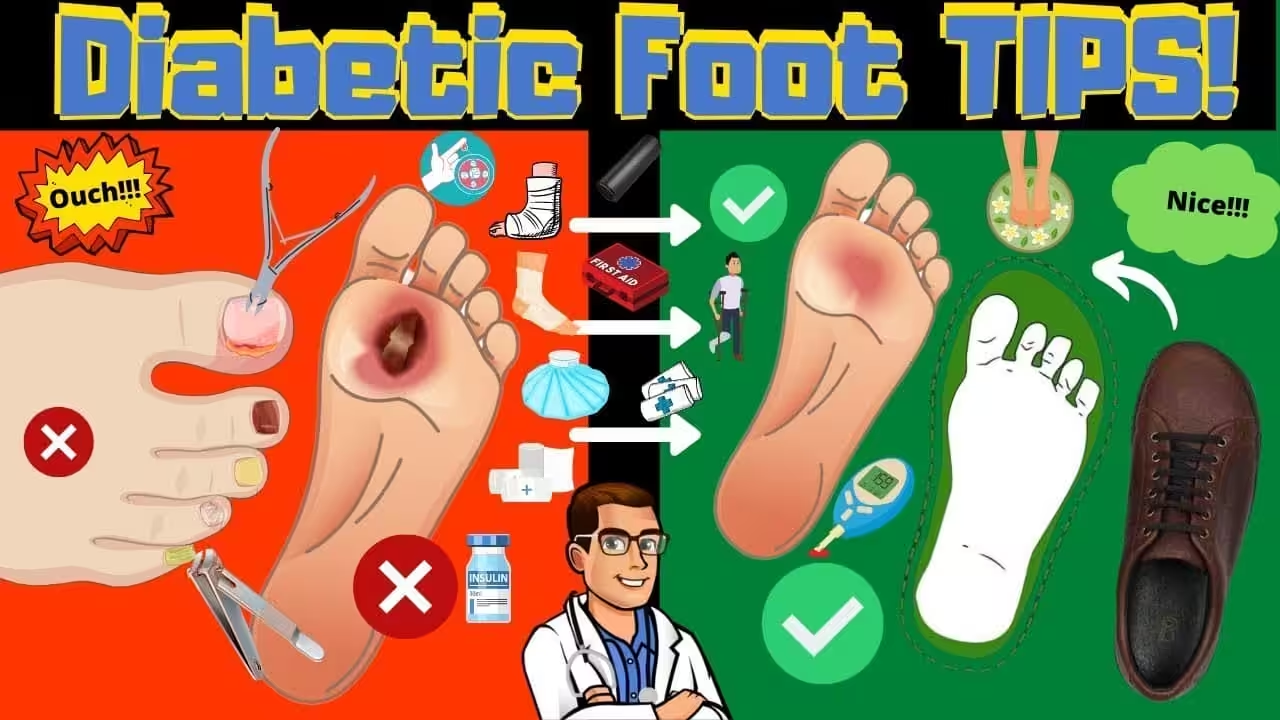
Diabetes Affects More Than Sugar LevelsDiabetic Foot Treatment 101 Symptoms, Pain Relief & Home PREVENTION
Do you have diabetes & diabetic foot pain? We go over the BEST Diabetic Foot Treatment: Manage Diabetic Foot Symptoms & Prevent Diabetic Foot Ulcers!
What Is Rheumatoid Arthritis? Understanding This Chronic Joint Condition
Rheumatoid arthritis (RA) is a chronic autoimmune disorder where the immune system mistakenly attacks healthy joint tissues. Unlike osteoarthritis, which results from wear and tear, RA causes widespread inflammation that affects the joints symmetrically—such as both feet, ankles, or hands. It can lead to pain, swelling, stiffness, and loss of joint function. Early detection is crucial to prevent irreversible joint damage and preserve your quality of life.
Causes, Risk Factors & Diagnosis of Rheumatoid Arthritis
The exact cause of RA is unknown, but it’s believed to result from a mix of genetic, hormonal, and environmental factors. Triggers like infections, stress, or smoking may activate the immune response in genetically predisposed individuals.Common risk factors include a family history of RA, being female, and middle age.
RA is diagnosed through a combination of physical exams, blood tests (such as rheumatoid factor and anti-CCP), and imaging like X-rays or ultrasound to detect joint damage.
Protect Your Feet. Protect Your Future.
Diabetes-related foot issues can become serious quickly—but with early intervention, most are preventable. At Balance Foot & Ankle Specialist, we provide expert diabetic foot treatment and preventative care to keep you walking strong. From routine checks to advanced wound care, our Michigan-based team is here to help you stay one step ahead.
BOOK NOW 0:00 Diabetic Foot Treatment 0:46 Diabetic Foot Podiatrist 1:00 Diabetic Foot Symptoms 1:15 Diabetic Foot Exam 1:35 Diabetic Foot Soaks 2:00 How to soak diabetic feet 2:25 Diabetic foot self assessment at home 2:40 Diabetic Foot Infection 2:55 Diabetic foot socks 3:18 Diabetic foot shoes 3:50 Best Diabetic slippers 4:10 Best Diabetic Shoes 4:35 How to fit a diabetic shoe 4:50 Diabetic foot orthotics 5:05 Diabetes and poor blow flow 5:50 Diabetic foot nerve pain 6:21 Diabetic Foot Peripheral Neuropathy 6:35 Diabetic foot ulcer prevention 6:50 Diabetic foot home remedies and home diabetic foot prevention Disclaimer: This video and description contain affiliate links, which means that if you click on one of the product links, we may receive a commission. We will specifically indicate if we have received any sponsorship. This is opinion only: For the viewer or reader: Do not consider this video as a substitute for professional medical advice, diagnosis or treatment. We strongly urge you to contact your own physician with any questions you may have regarding your medical condition. If you are having an emergency, call 911 immediately or see your physician. Do not allow this information to let you disregard your professionals medical advice or delay seeking based on information from this content. Do not rely on information provided by this general education video. Healthcare practitioners: The content here is for education purposes only. The authors have done their best to provide the most up to date evidence-based information, but this content should definitely not be considered any type of medical standard. It does not reflect individual practices in other geographic areas. This is strictly for medical education purposes only, it is not intended for diagnosis or treatment. The information in these videos is the opinion of the author only and is not an official opinion of any organizations that the authors may be a part of. The authors or speakers are not associated with any of the above products.Diabetic Foot Treatment 101: Essential Care Tips & Expert Advice
Living with diabetes requires constant attention to your health—and your feet are no exception. Diabetic foot care is one of the most important aspects of diabetes management, yet it’s often overlooked until problems become serious. In this guide, we’ll walk you through everything you need to know about preventing complications, recognizing early warning signs, and getting the best treatment to stay one step ahead.
Why Diabetic Foot Care Matters
Diabetes can reduce blood flow and damage nerves in your feet—a condition known as diabetic neuropathy. This makes it harder to feel cuts, blisters, or pressure spots, which may lead to infections, ulcers, or even amputations if left untreated.
In fact, studies show that foot problems are the leading cause of hospitalization among people with diabetes. That’s why proactive care is key.
Essential Diabetic Foot Care Tips
Here are the top ways to prevent serious foot complications:
-
Inspect Your Feet Daily
Look for cuts, redness, blisters, swelling, or nail issues. Use a mirror or ask for help if needed. -
Wash and Moisturize Your Feet
Clean your feet daily with warm water and gentle soap. Keep them dry, especially between toes, and use moisturizer to prevent cracks. -
Trim Nails Carefully
Cut nails straight across to prevent ingrown toenails, and file sharp edges. Never dig into the corners. -
Wear Proper Footwear
Choose shoes with support and cushioning. Avoid walking barefoot, even at home. Consider custom orthotics if needed. -
Avoid Heat and Cold Exposure
Diabetic feet are sensitive—so avoid heating pads, hot water bottles, or extreme cold. -
Never Treat Corns or Calluses on Your Own
Always see a podiatrist for thickened skin or pressure points.
When to Seek Expert Help
Even a small cut can become a major problem. Contact your podiatrist if you notice:
- An open sore or wound that won’t heal
- A new area of swelling, redness, or pain
- Dark discoloration or foul odor
- Numbness or tingling
- Changes in foot shape or temperature
At Balance Foot & Ankle Specialist in Howell and Bloomfield Township, Michigan, we specialize in diabetic foot wound care, laser therapy, and custom orthotics. Our team ensures you receive the best care—before things get worse.
Advanced Diabetic Foot Treatments
Depending on your condition, treatment may include:
- Wound debridement(removal of dead tissue)
- Offloading devices (boot, shoe inserts)
- Antibiotics for infections
- MLS laser therapyto reduce inflammation and speed healing
- Regular diabetic foot exams
- Surgical correctionif necessary (for deformities or infected tissue)
Top-Rated Diabetic Foot Care Products Recommended by Podiatrists
Trusted Solutions To Soothe, Protect, and Support Your Feet

Finding the best products for managing peripheral neuropathy and diabetic foot pain can make a world of difference in your daily comfort and mobility.

For managing foot pain from conditions like plantar fasciitis, flat feet, or diabetic neuropathy, the best orthotics can offer crucial support and relief.

Choosing the best shoes for foot conditions like neuropathy, plantar fasciitis, or flat feet is essential for pain relief and long-term foot health.
Book Your Appointment Today—Relief Starts with One Call
Fast, Friendly, and Professional Treatment You Can Trust
(810) 206-1402 BOOK A SCHEDULEDiabetic Foot Care & Treatment – Top 10 Questions Answered
What is diabetic foot? A diabetic foot refers to foot problems caused by diabetes, including nerve damage, poor circulation, and ulcers. What are the early warning signs?Numbness, tingling, cold feet, open wounds, color changes, or unusual swelling.
How often should I check my feet?Daily foot checks are recommended—especially if you have neuropathy.
Can diabetic foot problems be prevented?Yes, with proper foot hygiene, regular exams, and good blood sugar control.
What shoes should I wear?Supportive, well-fitted diabetic shoes with cushioning and no pressure points.
How are diabetic foot ulcers treated?With wound cleaning, pressure relief, antibiotics, and sometimes surgery.
What is debridement?A process where dead tissue is removed from a wound to promote healing.
When should I see a podiatrist?At the first sign of pain, numbness, or any open wound that’s not healing.
Is laser therapy effective for diabetic foot pain?Yes, advanced treatments like MLS laser therapy can reduce inflammation and promote healing.
Related Treatment Guides
Medical References & Sources
- American Diabetes Association — Foot Complications
- PubMed Research — Diabetic Foot Care
- American Podiatric Medical Association — Diabetic Foot
📍 Located in Michigan?
Our board-certified podiatrists treat this condition at two convenient locations. Most new patients are seen the same week.
Need Diabetic Foot Treatment?
Our podiatrists provide comprehensive diabetic foot care from prevention to wound healing. Early treatment protects your feet and prevents complications.
Clinical References
- Armstrong DG, et al. “Diabetic foot ulcers and their recurrence.” New England Journal of Medicine. 2017;376(24):2367-2375.
- Boulton AJ, et al. “The global burden of diabetic foot disease.” Lancet. 2005;366(9498):1719-1724.
- Bus SA, et al. “Guidelines on the prevention of foot ulcers in persons with diabetes (IWGDF 2019 update).” Diabetes/Metabolism Research and Reviews. 2020;36(S1):e3269.
Insurance Accepted
BCBS · Medicare · Aetna · Cigna · United Healthcare · HAP · Priority Health · Humana · View All →
Howell Office
4330 E Grand River Ave
Howell, MI 48843
Get Directions →
Bloomfield Township Office
43494 Woodward Ave, #208
Bloomfield Township, MI 48302
Get Directions →
Your Board-Certified Podiatrists



Ready to Get Back on Your Feet?
Same-week appointments available at both locations.
Book Your AppointmentMore Podiatrist-Recommended Diabetic Essentials
Diabetic Compression Sock
Seamless, non-binding — improves circulation without constricting fragile skin.
Diabetic-Safe Lotion
Hydrates dry cracking feet without irritating neuropathic skin.
Diabetic Foot Mirror
Daily inspection tool — catches ulcers 3-4 weeks earlier than self-exam.
As an Amazon Associate, Balance Foot & Ankle earns from qualifying purchases. Product recommendations are based on clinical experience; prices and availability shown above update live from Amazon.


When to See a Podiatrist
One unnoticed blister on a neuropathic foot can become a limb-threatening ulcer in under 14 days. Medicare covers diabetic shoes (A5500) and comprehensive foot exams annually for most diabetic patients with neuropathy or circulation concerns. Balance Foot & Ankle runs a dedicated diabetic limb-preservation program — vascular screening, offloading, ulcer care, and shoe fitting — all in one visit. Schedule your annual diabetic foot exam today.
Call Balance Foot & Ankle: (810) 206-1402 · Book online · Offices in Howell & Bloomfield Township
In-Office Treatment at Balance Foot & Ankle
When conservative care isn’t enough, Dr. Tom Biernacki and the team at Balance Foot & Ankle offer advanced, same-day options — including Diabetic Foot Care Michigan at our Howell and Bloomfield Township clinics.
Same-week appointments available. Call (810) 206-1402 or book online.
Pros & Cons of Conservative Care for diabetic foot care
Advantages
- ✓ Daily inspection prevents amputation
- ✓ Most insurance covers DME
- ✓ Custom orthotics help
Considerations
- ✗ Daily commitment required
- ✗ Slow wound healing
- ✗ Charcot risk if neuropathy
Dr. Tom’s Recommended Products for diabetic foot care
Affiliate disclosure: As an Amazon Associate, Balance Foot & Ankle earns from qualifying purchases. We only recommend products we use with patients.

Drew Moonwalker Diabetic Shoe Dr. Tom’s Pick
Best for: Medicare-covered diabetic footwear

Diabetic Compression Socks Dr. Tom’s Pick
Best for: Daily protection + circulation


Ready to Get Back on Your Feet?
Same-week appointments in Howell + Bloomfield Township. Most insurance accepted. Dr. Tom Biernacki, DPM & team.
Book Today — Same-Week Appointments Available
Call Now: (810) 206-1402
About Your Care Team at Balance Foot & Ankle
Dr. Tom Biernacki, DPM · Board-Certified Foot & Ankle Surgeon. Specializes in conservative-first care, minimally invasive bunion surgery, and complex reconstruction.
Dr. Carl Jay, DPM · Accepting new patients. Specializes in sports medicine, athletic injuries, and routine podiatric care.
Dr. Daria Gutkin, DPM, AACFAS · Accepting new patients. Specializes in surgical reconstruction and pediatric podiatry.
Locations: 4330 E Grand River Ave, Howell, MI 48843 · 43494 Woodward Ave Suite 208, Bloomfield Township, MI 48302
Hours: Mon–Fri 8:00 AM – 5:00 PM · (810) 206-1402
In-Office Treatment at Balance Foot & Ankle
If home treatment isn’t providing relief for your diabetic foot conditions, our podiatry team at Balance Foot & Ankle can help with same-week evaluations and advanced in-office care.
Same-week appointments available. (810) 206-1402
Doctor Hoy’s Natural Pain Relief Gel
Natural topical pain relief I use in our clinic. Arnica + camphor formula — apply directly to the area 3–4x daily. ($20–25)
Shop Doctor Hoy’s →Frequently Asked Questions
How long does treatment take to work?
Most patients see improvement in 4-8 weeks with consistent conservative care. Persistent symptoms after 8 weeks need imaging and escalation.
When is surgery needed?
Surgery is reserved for cases that fail 3-6 months of conservative care, structural deformities, or fractures requiring stabilization.
Is this covered by insurance?
Most diagnostic visits and conservative treatments are covered by Medicare and major insurers. Custom orthotics often require diabetic or post-surgical justification.

Dr. Tom Biernacki, DPM is a board-certified foot & ankle surgeon (ABFAS & ABPM) at Balance Foot & Ankle Specialists in Southeast Michigan. With over a decade of clinical experience, he specializes in heel pain, bunions, diabetic foot care, sports injuries, and minimally invasive surgery. Dr. Biernacki is a member of the APMA and ACFAS, and his patient education content on MichiganFootDoctors.com and YouTube has made him one of the most-followed foot & ankle educators on YouTube.
More questions patients ask
How often should diabetics check their feet?
Daily self-exams plus professional exams annually (or every 3-6 months for neuropathy/PAD patients). Dr. Biernacki provides comprehensive diabetic foot care programs.
Why do diabetics have foot problems?
Diabetes causes nerve damage, reduced blood flow, and impaired immunity. Injuries go unnoticed and heal slowly. ~15% of diabetics develop ulcers. Prevention through regular podiatric care is essential.
What are signs of diabetic neuropathy?
Tingling, burning, numbness starting in toes, sensitivity to touch, muscle weakness, balance problems. Schedule evaluation at 810-206-1402 for nerve testing and management.
What are the symptoms of diabetic foot problems?
Diabetic foot symptoms include burning, tingling, or numbness (neuropathy), cold or warm feet, color changes (redness, pallor, or bluish discoloration), swelling, slow-healing cuts or sores, thickened or discolored toenails, calluses that develop rapidly, dry cracked skin, and foot deformities. At Balance Foot & Ankle, regular diabetic foot exams detect these changes early before they progress to serious complications.
How can diabetics relieve foot pain at home?
Diabetic foot pain relief at home includes wearing well-fitted, cushioned diabetic footwear, elevating the feet when possible, applying diabetic-safe moisturizers to dry skin (avoiding between toes), gentle foot soaks at a safe temperature (test water temperature with your elbow, not feet), and taking recommended medications for neuropathic pain. Balance Foot & Ankle can recommend safe home care strategies tailored to your specific diabetic foot condition.
What home foot care should diabetics do every day?
Daily diabetic foot care includes inspecting all surfaces of both feet (use a mirror for the bottom), washing feet in warm water and drying thoroughly especially between toes, applying moisturizer to the tops and bottoms (not between toes), checking shoes for foreign objects before wearing, wearing clean socks, and never walking barefoot. Balance Foot & Ankle teaches all diabetic patients comprehensive home foot care techniques.
What shoes should diabetics wear to protect their feet?
Diabetics should wear properly fitted therapeutic shoes with a wide toe box, extra depth, cushioned insoles, seamless interior, and a protective toe box. Medicare covers therapeutic diabetic shoes for qualifying patients. Balance Foot & Ankle dispenses Medicare-approved diabetic footwear and can fit patients for custom diabetic insoles. Call (810) 206-1402 to schedule a diabetic shoe fitting.
How do you prevent diabetic foot complications?
Prevent diabetic foot complications through daily foot inspections, excellent blood sugar control, regular podiatric care at Balance Foot & Ankle (at least annually), appropriate diabetic footwear, never walking barefoot, prompt treatment of any foot wound or infection, smoking cessation, and management of blood pressure and cholesterol. Comprehensive prevention through Balance Foot & Ankle's diabetic foot program significantly reduces amputation risk. Call (810) 206-1402.
Still have a question about coverage or cost? Book online and we will check your benefits before your visit: Book in Howell · Book in Bloomfield Township. Prefer to talk it through first? Call (810) 206-1402.