
Medically reviewed by Dr. Tom Biernacki, DPM
Board-certified podiatric surgeon | Balance Foot & Ankle, Howell & Bloomfield Township, MI
Last reviewed: May 2026
Balance Foot & Ankle offers same-day appointments for urgent foot and ankle conditions across Southeast Michigan — but the most important factor in outcomes isn’t getting seen quickly. Our podiatrists explain what to do in the first 24-48 hours before your appointment that most patients skip entirely. Call (810) 206-1402 — expert podiatric care across Michigan.

| Equinus Type | Mechanism | Silfverskiöld Test | Common Associated Conditions | Surgical Option |
|---|---|---|---|---|
| Gastrocnemius Equinus | Isolated gastrocnemius tightness; soleus unaffected | Positive — ankle dorsiflexion <10° with knee extended; normalizes with knee flexed | Plantar fasciitis; Achilles insertional tendinopathy; metatarsalgia; flatfoot | Gastrocnemius recession (Strayer / Baumann) |
| Equinus (gastroc + soleus) | Entire triceps surae tight; Achilles itself involved | Positive with knee extended AND flexed | Spastic equinus (CP, stroke); severe flatfoot; severe plantar fasciitis | TAL (tendoachilles lengthening) or vulpius procedure |
| Osseous Equinus | Bony block to dorsiflexion; anterior ankle osteophytes or coalition | Negative (bony end-feel regardless of knee position) | Ankle arthrosis; coalition; prior malunion | Anterior cheilectomy; coalition resection; ankle replacement/fusion |
| Spastic Equinus | Upper motor neuron lesion; increased muscle tone | Variable; tone-dependent; clonus may be present | Cerebral palsy; stroke; TBI; multiple sclerosis | Botox first; SDR; TAL; or AFO if non-surgical preferred |
| Procedure | Indication | Level of Cut | Strength Loss | Recovery |
|---|---|---|---|---|
| Strayer Recession (gastroc only) | Isolated gastrocnemius equinus; Silfverskiöld positive | Musculotendinous junction (proximal) | Minimal (<5% plantarflexion weakness) | 2–4 weeks boot; 6–8 weeks full activity |
| Baumann Procedure (intramuscular recession) | Pediatric; spastic; need for precise length control | Intramuscular (muscle fascia lengthening) | Less predictable; risk of over-lengthening | Cast 4–6 weeks; PT required |
| Vulpius / Baker (gastroc + soleus fasciotomy) | Combined equinus; moderate spasticity | Distal gastrosoleus junction (V or tongue-shaped) | Moderate — 10–15% plantarflexion power reduction | 6–8 weeks cast; PT required |
| TAL — Open Z-lengthening | Severe equinus; fixed deformity; rigid spastic | Achilles tendon midsubstance (3-cut Z) | Significant (15–25%); risk of over-lengthening | 6–8 weeks NWB cast; 4–6 months full |
| TAL — Percutaneous Hoke (3-stab) | Spastic equinus; diabetic contracture | Achilles (3 percutaneous stabs) | Significant; high over-lengthening risk if not careful | 6 weeks cast; 3 months PT |
Medically Reviewed | Dr. Tom Biernacki, DPM | Board-Certified Podiatric Surgeon | Balance Foot & Ankle, Michigan
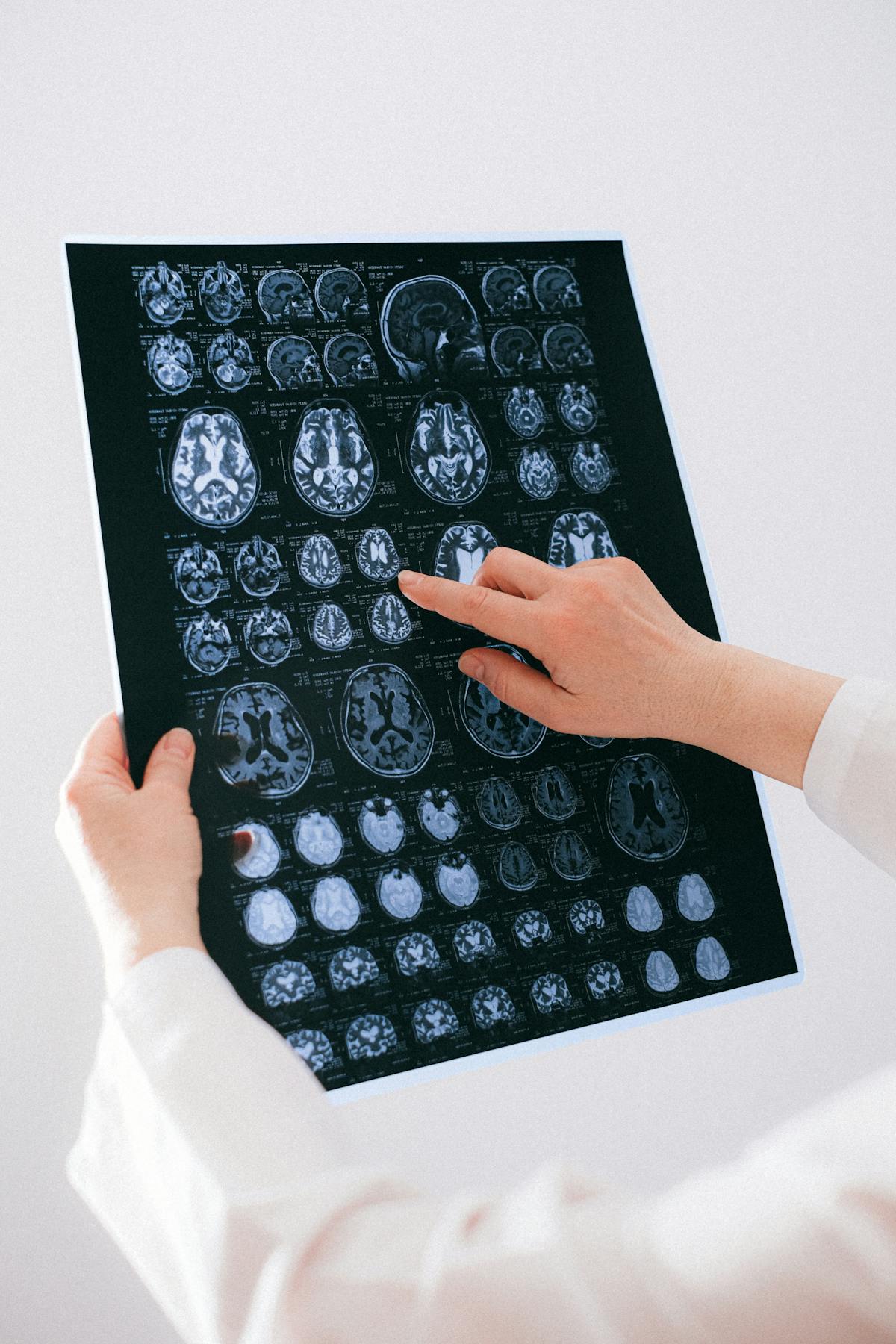
The most important clinical decision with Equinus Tight Calf Drop Foot Treatment Michigan Podiatrist isn’t which treatment to start with — it’s identifying the correct subtype. That changes everything. Call (810) 206-1402.
What Is Equinus Deformity?
Equinus deformity refers to a limitation in upward ankle movement (dorsiflexion) caused by tightness in the gastrocnemius muscle, the soleus muscle, or both. Normal ankle dorsiflexion with the knee extended should reach at least 10 degrees above neutral. When the gastrocnemius or combined calf complex restricts motion below this threshold, the foot compensates during walking by pronating excessively, supinating, or pushing off earlier—creating pathological loads on the plantar fascia, forefoot, and Achilles tendon.
Conditions Caused or Worsened by Equinus
Equinus is an underdiagnosed contributor to numerous painful foot and ankle conditions. Plantar fasciitis and heel spurs develop because tight calf muscles transfer tensile load to the plantar fascia during heel contact. Forefoot metatarsalgia and metatarsal stress fractures result from early heel rise shifting weight to the ball of the foot. Diabetic forefoot ulcers are perpetuated by equinus-driven plantar pressure elevation. Achilles tendinopathy, midfoot arthritis, and chronic ankle instability are all associated with untreated equinus. Identifying and correcting equinus is frequently the key intervention in patients with stubborn, treatment-resistant heel and forefoot pain.
How Dr. Biernacki Evaluates Equinus
The Silfverskiöld test distinguishes isolated gastrocnemius tightness (dorsiflexion restricted with knee extended, normalized with knee flexed) from combined gastrocnemius-soleus equinus (restriction persists with knee flexed). This distinction is clinically critical because it determines whether surgery targets only the gastrocnemius or requires Achilles lengthening. Pressure mapping quantifies forefoot overloading and helps document the biomechanical impact of equinus on plantar pressure distribution.
Conservative Equinus Treatment
Mild-to-moderate equinus responds to aggressive calf stretching—particularly isolated gastrocnemius stretch (knee extended, foot dorsiflexed against wall) held for 60 seconds, repeated three times, performed multiple times daily. Night splints maintain a stretched position during sleep, preventing contracture shortening overnight. Custom orthotics with heel lift temporarily accommodate equinus while stretching works to increase range of motion. Physical therapy focusing on eccentric calf loading provides neurological and structural adaptation over eight to twelve weeks.
Gastrocnemius Recession Surgery
When equinus persists despite six months of compliance with conservative stretching, or when a diabetic forefoot ulcer requires pressure reduction, isolated gastrocnemius recession is indicated. Dr. Biernacki performs the Strayer procedure through a small medial incision at the muscle-tendon junction, releasing the gastrocnemius aponeurosis to gain immediate dorsiflexion improvement. The procedure preserves the soleus, maintaining push-off strength. Most patients walk in a boot within days and achieve significant improvement in plantar fasciitis, metatarsalgia, and forefoot pressure within weeks. Functional outcomes are excellent and recurrence is rare.
Dr. Tom's Product Recommendations
ProStretch Plus Calf Stretcher
⭐ Highly Rated
Biomechanically correct rocker-based calf stretcher provides consistent isolated gastrocnemius stretch—the most effective conservative treatment for equinus. Far superior to wall stretching for consistency and depth.
Dr. Tom says: “The ProStretch is the best investment for any patient with plantar fasciitis driven by calf tightness. I recommend it to nearly every patient with equinus-related heel pain.”
Patients with equinus-related plantar fasciitis or forefoot pain
Those with acute Achilles injury where aggressive stretching is contraindicated
Disclosure: We earn a commission at no extra cost to you.
Strassburg Sock Night Splint
⭐ Highly Rated
Maintains ankle in dorsiflexed position overnight to prevent gastrocnemius contracture shortening during sleep—essential complement to daytime stretching for equinus management.
Dr. Tom says: “Night splint compliance is the single biggest predictor of conservative equinus resolution. The Strassburg Sock is comfortable enough that patients actually wear it.”
Equinus patients with plantar fasciitis and morning heel pain
Those with severe rigid equinus requiring surgical gastrocnemius recession
Disclosure: We earn a commission at no extra cost to you.
✅ Pros / Benefits
- T
- r
- e
- a
- t
- i
- n
- g
- e
- q
- u
- i
- n
- u
- s
- r
- e
- s
- o
- l
- v
- e
- s
- m
- u
- l
- t
- i
- p
- l
- e
- d
- o
- w
- n
- s
- t
- r
- e
- a
- m
- c
- o
- n
- d
- i
- t
- i
- o
- n
- s
- s
- i
- m
- u
- l
- t
- a
- n
- e
- o
- u
- s
- l
- y
- ;
- g
- a
- s
- t
- r
- o
- c
- n
- e
- m
- i
- u
- s
- r
- e
- c
- e
- s
- s
- i
- o
- n
- i
- s
- h
- i
- g
- h
- l
- y
- e
- f
- f
- e
- c
- t
- i
- v
- e
- w
- i
- t
- h
- m
- i
- n
- i
- m
- a
- l
- d
- o
- w
- n
- t
- i
- m
- e
- .
❌ Cons / Risks
- R
- e
- q
- u
- i
- r
- e
- s
- c
- o
- n
- s
- i
- s
- t
- e
- n
- t
- l
- o
- n
- g
- –
- t
- e
- r
- m
- s
- t
- r
- e
- t
- c
- h
- i
- n
- g
- c
- o
- m
- p
- l
- i
- a
- n
- c
- e
- ;
- s
- u
- r
- g
- i
- c
- a
- l
- r
- e
- c
- e
- s
- s
- i
- o
- n
- h
- a
- s
- a
- s
- m
- a
- l
- l
- r
- i
- s
- k
- o
- f
- t
- e
- m
- p
- o
- r
- a
- r
- y
- p
- l
- a
- n
- t
- a
- r
- f
- l
- e
- x
- i
- o
- n
- w
- e
- a
- k
- n
- e
- s
- s
- .
Dr. Tom Biernacki’s Recommendation
Equinus is probably the most underdiagnosed contributor to chronic foot pain I see in practice. Patients who have been treated for plantar fasciitis for years sometimes improve dramatically within weeks of starting a proper gastrocnemius stretching program—or even more dramatically after a simple gastrocnemius recession. It’s a game-changer when the cause is correctly identified.
— Dr. Tom Biernacki, DPM | Board-Certified Podiatric Surgeon | Balance Foot & Ankle
Frequently Asked Questions
Is equinus the same as a tight calf?
Equinus specifically refers to restricted ankle dorsiflexion, most commonly caused by tight gastrocnemius or soleus muscles. While people colloquially call it a tight calf, the clinical measurement of dorsiflexion range determines the diagnosis and treatment approach.
Can equinus cause plantar fasciitis?
Yes, equinus is one of the leading biomechanical contributors to recurrent and treatment-resistant plantar fasciitis. Correcting equinus through stretching or gastrocnemius recession often resolves heel pain that has been unresponsive to other treatments.
How long does gastrocnemius recession surgery take?
The procedure typically takes 20–30 minutes as an outpatient under local or regional anesthesia. Patients walk in a boot the same day and most return to regular shoes within three to four weeks.
Will I lose calf strength after gastrocnemius recession?
The Strayer procedure preserves the soleus, which provides the majority of push-off power. Most patients regain full functional strength within three months. Competitive athletes rarely experience meaningful push-off deficit.
Michigan Foot Pain? See Dr. Biernacki In Person
4.9★ rated | 1,123 Reviews | 3,000+ Surgeries
Same-week appointments · Howell & Bloomfield Township
📞 (810) 206-1402 Book Online →Frequently Asked Questions
How long does treatment take to work?
Most patients see improvement in 4-8 weeks with consistent conservative care. Persistent symptoms after 8 weeks need imaging and escalation.
When is surgery needed?
Surgery is reserved for cases that fail 3-6 months of conservative care, structural deformities, or fractures requiring stabilization.
Is this covered by insurance?
Most diagnostic visits and conservative treatments are covered by Medicare and major insurers. Custom orthotics often require diabetic or post-surgical justification.
Visit Balance Foot & Ankle — Same-Day Appointments Available
Our podiatry team serves patients throughout Michigan including Howell, Brighton, and Bloomfield Township. If you’re dealing with heel pain, ingrown toenails, or a foot injury, we have same-day appointment availability.
American Academy of Orthopaedic Surgeons: Foot Drop
Ready to Get Relief?
Same-day appointments available in Howell & Bloomfield Township, MI
4.9★ | 1,123 Reviews | 3,000+ Surgeries
Or call: (810) 206-1402

Dr. Tom Biernacki, DPM is a board-certified foot & ankle surgeon (ABFAS & ABPM) at Balance Foot & Ankle Specialists in Southeast Michigan. With over a decade of clinical experience, he specializes in heel pain, bunions, diabetic foot care, sports injuries, and minimally invasive surgery. Dr. Biernacki is a member of the APMA and ACFAS, and his patient education content on MichiganFootDoctors.com and YouTube has made him one of the most-followed foot & ankle educators on YouTube.
More questions patients ask
What is equinus deformity and how does a tight calf cause foot and ankle problems?
Equinus is a restriction of ankle dorsiflexion -- the ability to bring the foot upward toward the shin -- caused by tightness of the gastrocnemius muscle, the soleus muscle, or both (the gastrocsoleus complex), producing a foot and ankle that is chronically held in plantarflexion (the equinus position); equinus is one of the most pervasive and underdiagnosed contributors to a wide spectrum of foot and ankle pathology, from plantar fasciitis and Achilles tendinopathy to metatarsalgia, bunions, and hammertoes. Normal ankle dorsiflexion: normal ankle dorsiflexion with the knee extended is 10-20 degrees; at least 10 degrees of dorsiflexion is required for normal gait; during the stance phase of walking, the tibia advances over the foot (the ankle dorsiflexes) -- if dorsiflexion is restricted, the foot must compensate in other ways to allow forward progression; The Silfverskiold test (distinguishing gastrocnemius from combined gastrosoleus tightness): ankle dorsiflexion is measured with the knee straight (gastrocnemius and soleus both loaded) and with the knee bent 90 degrees (gastrocnemius slackened, only soleus loaded); if dorsiflexion improves significantly with the knee bent (greater than 5-10 degree difference): isolated gastrocnemius tightness -- the soleus has normal length but the gastrocnemius is tight; if dorsiflexion remains restricted with both knee positions: combined gastrocnemius and soleus tightness (equinus); this distinction matters because isolated gastrocnemius tightness can be addressed with a gastrocnemius recession (a relatively minor procedure) while combined tightness may require Achilles tendon lengthening; How equinus causes downstream pathology: when the ankle cannot dorsiflex adequately, the body compensates: the subtalar joint everts (pronates) to gain pseudo-dorsiflexion -- this drives flatfoot deformity; the forefoot hyperpronates, increasing load on the plantar fascia (plantar fasciitis) and the first ray (hallux valgus, sesamoiditis); the Achilles tendon is under chronic high tension (Achilles tendinopathy, insertional Achilles tendinosis); midfoot and forefoot bear excessive ground reaction force (metatarsalgia, stress fractures); Causes of equinus: idiopathic gastrocnemius tightness (by far the most common); prolonged casting or immobilization; neuromuscular conditions (cerebral palsy, stroke, Charcot-Marie-Tooth disease); Achilles tendon scarring from prior rupture or surgery.
How is equinus treated and when is gastrocnemius recession or Achilles lengthening necessary?
Equinus treatment begins with a structured stretching program targeting the gastrocnemius and soleus; surgical correction (gastrocnemius recession or Achilles tendon lengthening) is indicated when stretching fails and equinus is contributing to a correctable foot and ankle problem that cannot resolve while the ankle remains restricted. Stretching (the first-line treatment): gastrocnemius stretch (knee-straight wall stretch): the patient stands with the knee of the affected leg straight and leans forward until a calf stretch is felt; this targets the gastrocnemius; held 30 seconds, repeated 3 times, performed 3 times daily; soleus stretch (knee-bent calf stretch): the patient bends the knee of the affected leg while keeping the heel on the ground; this isolates the soleus; required when the Silfverskiold test shows combined tightness; night splints: a custom or prefabricated splint holds the ankle at 90 degrees or in gentle dorsiflexion during sleep; particularly effective for plantar fasciitis-associated equinus because it prevents the gastrocsoleus from contracting during the 8 hours of non-weight-bearing; Dynamic splinting: an adjustable splint worn during periods of sitting or rest, gradually increasing the dorsiflexion angle; Physical therapy: progressive stretching combined with eccentric calf strengthening; dynamic neuromuscular reeducation; gait training; Timeline for stretching: a diligent program of twice-daily stretching for 6-8 weeks produces measurable improvement in most patients with isolated gastrocnemius tightness; Surgical treatment: Gastrocnemius recession (for isolated gastrocnemius tightness on Silfverskiold test): the procedure lengthens only the gastrocnemius aponeurosis, preserving soleus function; Strayer procedure: the gastrocnemius aponeurosis is identified just proximal to where it joins the soleus and released; an incision in the posterior calf; immediate improvement in dorsiflexion; performed as an outpatient procedure under regional anesthesia; Achilles tendon lengthening (TAL) (for combined equinus when the Silfverskiold test shows tightness with both knee positions): the Achilles tendon is lengthened, typically with the Hoke triple hemisection (three staggered half-cuts) or the White slide procedure; TAL gains more correction than recession but has a higher risk of over-lengthening, which creates a calcaneal gait (inability to push off) -- therefore, recession is preferred when isolated gastrocnemius tightness is confirmed; Recovery after gastrocnemius recession: weight-bearing in a boot immediately after surgery; boot for 2-4 weeks; physical therapy at 2-4 weeks; return to full activity at 6-10 weeks; outcomes: 85-95% excellent improvement in dorsiflexion and resolution of the associated pathology (plantar fasciitis, metatarsalgia).
Still have a question about coverage or cost? Book online and we will check your benefits before your visit: Book in Howell · Book in Bloomfield Township. Prefer to talk it through first? Call (810) 206-1402.