
Medically reviewed by Dr. Tom Biernacki, DPM
Board-certified podiatric surgeon | Balance Foot & Ankle, Howell & Bloomfield Hills, MI
Last reviewed: May 2026

| Feature | Erythromelalgia | Raynaud’s Phenomenon | Peripheral Neuropathy | Complex Regional Pain Syndrome |
|---|---|---|---|---|
| Color change | Red (erythema) during attack | White → Blue → Red (triphasic) | No color change | Red, purple, or mottled |
| Temperature during attack | Hot (patient feels burning) | Cold (ischemia) | No change (or cold) | Initially warm; later cold |
| Trigger | Warmth, exercise, standing | Cold, stress | Constant (worse at night) | Usually post-injury or post-surgery |
| Pain character | Burning, intense | Aching, throbbing (reperfusion) | Burning, tingling, numbness | Burning, allodynia, hyperalgesia |
| Relief | Cooling, elevation | Warming | No consistent relief | Partial with sympathetic block |
| Aspirin response | Yes (especially if MPN-related) | No | No | No |
| Secondary Cause | Diagnostic Test | Treatment of Underlying Cause | EM Response |
|---|---|---|---|
| Polycythemia vera / ET (MPN) | CBC, JAK2 V617F mutation, peripheral smear | Aspirin 81mg; cytoreduction (hydroxyurea) | Dramatic improvement with aspirin |
| Small fiber neuropathy (diabetic) | Skin punch biopsy; HbA1c; glucose tolerance | Glycemic optimization | Partial — neuropathy rarely fully reverses |
| Autoimmune (Sjögren’s, lupus) | ANA, anti-dsDNA, anti-Ro/La, lip biopsy | Immunosuppression | Variable |
| Calcium channel blocker drug | Medication review | Discontinue or substitute | Often resolves within weeks |
| Primary / idiopathic | Exclusion diagnosis; genetic panel (SCN9A) | Symptomatic management only | Chronic; variable response to medications |
Quick answer: Erythromelalgia Foot is a common foot/ankle topic that affects many patients. The 2026 evidence-based approach combines proper diagnosis, conservative-first treatment, and escalation only when needed. We treat this regularly at our Howell and Bloomfield Hills practices. Call (810) 206-1402.
Medically Reviewed | Dr. Tom Biernacki, DPM | Board-Certified Podiatrist | Balance Foot & Ankle, Michigan
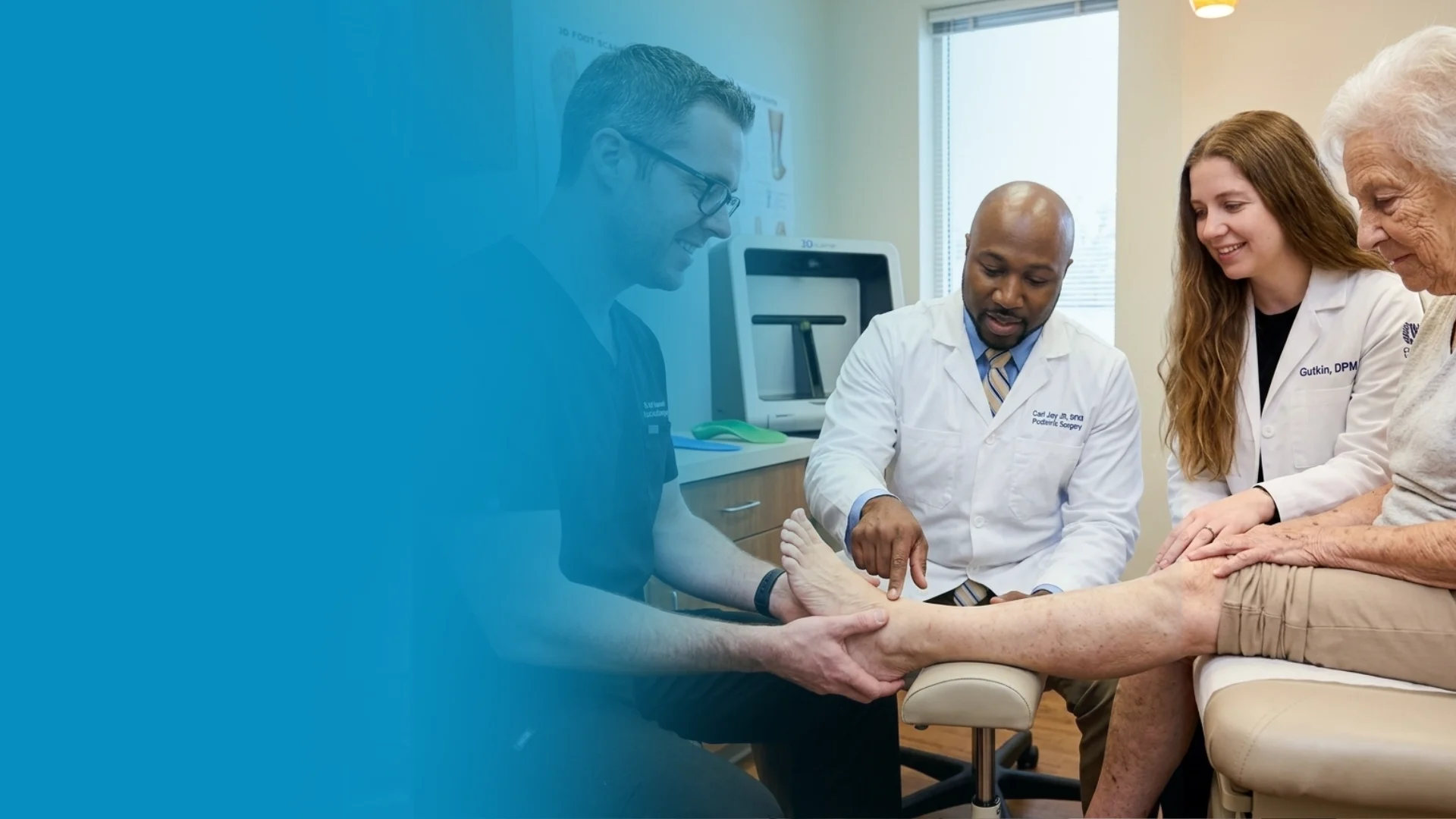
The most important clinical decision with Erythromelalgia Foot isn’t which treatment to start with — it’s identifying the correct subtype. That changes everything. Call (810) 206-1402.
Erythromelalgia Foot: Quick Answer
Erythromelalgia is a rare but distinctive condition causing intense burning, redness, and warmth in the feet (and sometimes hands). Often misdiagnosed for years. We have evaluated multiple cases at Balance Foot and Ankle. Here is the comprehensive erythromelalgia guide.
What Is Erythromelalgia
Erythromelalgia (EM): Rare disorder characterized by episodes of intense burning, redness, and increased temperature in extremities (most commonly feet). Hallmark triad: 1. Burning pain. 2. Redness (erythema). 3. Increased warmth. Episodes triggered by: Heat, exercise, certain foods/medications, dependent positioning. Relief: Cooling. Prevalence: Estimated 1.3 per 100,000 – quite rare.
Primary vs Secondary Erythromelalgia
Primary EM (idiopathic): No underlying cause identified; often genetic (SCN9A mutations); typically childhood/young adult onset; both feet usually affected. Secondary EM: Associated with: myeloproliferative disorders (especially polycythemia vera, essential thrombocythemia); autoimmune diseases; medications (calcium channel blockers, others); paraneoplastic syndromes; HIV; mercury poisoning. Workup: should investigate for underlying causes – especially myeloproliferative disorders.
Symptoms and Episodes
Episode characteristics: Sudden onset; intense burning (often described as “feet on fire”); marked redness; warmth on touch; can affect feet, hands, sometimes face/ears. Triggers: Heat exposure (warm rooms, hot showers, summer weather); exercise; dependent positioning (standing); certain foods (alcohol, spicy food); stress; certain medications. Relief mechanisms: Cooling (cold water, fans); elevation; cool environment. Many patients sleep with feet outside covers, in front of fans, or in cold water containers.
Diagnosis
Clinical diagnosis: Based on history and physical exam. Documentation: Photographs during episodes (redness, warmth visible). Workup for secondary causes: CBC (rule out polycythemia, thrombocythemia); JAK2 mutation testing; autoimmune workup; medication review; genetic testing for primary EM (SCN9A). Often misdiagnosed: as neuropathy, complex regional pain syndrome, allergic reaction, atopic dermatitis. Patient diaries: triggers, frequency, severity helpful.
Treatment Approach
Step 1: Treat underlying cause if secondary EM (e.g., aspirin for polycythemia vera). Step 2: Cooling strategies (most effective initial intervention): cool foot baths; cooling pads; air conditioning; fans; cooling socks. Step 3: Medications: aspirin (especially helpful for myeloproliferative cause); gabapentin/pregabalin; sodium channel blockers (lidocaine, mexiletine); SSRIs/SNRIs; sometimes opioids in severe cases. Step 4: Topical treatments: lidocaine patches; capsaicin (paradoxical relief); ketamine compounds.
Lifestyle Management
Cooling strategies: Sleep with feet outside covers; cool bedroom; fans; ice packs; cooling socks/inserts; avoid hot showers/baths. Avoid triggers: Heat exposure; vigorous exercise (or modify); certain foods (alcohol, spicy); medications that worsen. Compression socks: paradoxically helpful in some patients. Footwear: Open-toe options often preferred; breathable materials; avoid thick socks/insulated shoes.
Complications
Cooling complications: Many patients use ice/cold water excessively, leading to: macerated skin; frostbite injuries; trophic skin changes; permanent skin damage; infections from constant cold water immersion. Quality of life: Significant impact – sleep disruption, mobility limitations, depression common. Cardiovascular risk: Some EM patients have increased cardiovascular risk depending on underlying cause.
Prognosis
Variable course: Some patients have mild intermittent symptoms; others severely affected. Primary EM: Often lifelong with progression possible. Secondary EM: May resolve with treatment of underlying condition. Quality of life: Significant impact in many patients – affects sleep, mobility, work, social functioning. Multidisciplinary care: often optimal – podiatry, hematology (if myeloproliferative), neurology, pain management.
When to See a Podiatrist
See us if: suspected erythromelalgia (intense burning + redness + warmth episodes); previous EM diagnosis with foot complications; cooling-induced skin damage; need for podiatric management of EM; secondary infections from constant cooling; need referral to hematology/neurology for evaluation. Same-week appointments at Balance Foot and Ankle. Schedule online.
Podiatrist-Recommended Products

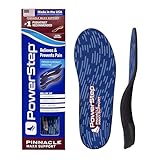
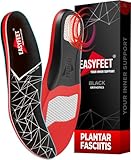

Frequently Asked Questions About Erythromelalgia Foot
What is erythromelalgia of the foot?
Rare disorder causing episodes of intense burning, redness, and increased warmth in the feet. Episodes triggered by heat, exercise, dependent positioning. Relieved by cooling. Estimated prevalence 1.3 per 100,000.
What causes erythromelalgia?
Primary (idiopathic): often genetic (SCN9A mutations). Secondary: myeloproliferative disorders (polycythemia vera, essential thrombocythemia); autoimmune diseases; medications; paraneoplastic syndromes. Important to investigate underlying causes.
How is erythromelalgia diagnosed?
Clinical diagnosis based on history and physical exam. Documentation: photographs during episodes (redness, warmth visible). Workup for secondary causes: CBC, JAK2 testing, autoimmune workup, medication review, genetic testing for primary EM.
How do you treat erythromelalgia?
Treat underlying cause if secondary. Cooling strategies (cool baths, fans, AC). Medications: aspirin (especially for myeloproliferative cause), gabapentin/pregabalin, sodium channel blockers, SSRIs/SNRIs. Topical: lidocaine, capsaicin.
Can excessive cooling cause complications?
YES – many patients use ice/cold water excessively, leading to: macerated skin; frostbite injuries; trophic skin changes; permanent skin damage; infections from constant cold water immersion. Important to balance symptom relief and skin health.
Is erythromelalgia a lifelong condition?
Variable. Primary EM: often lifelong with progression possible. Secondary EM: may resolve with treatment of underlying condition. Significant quality of life impact in many patients – multidisciplinary care often optimal.
When should I see a podiatrist about erythromelalgia?
Suspected EM (intense burning + redness + warmth episodes); previous EM diagnosis with foot complications; cooling-induced skin damage; need podiatric management; secondary infections; need referral to hematology/neurology for evaluation.
Related Resources from Balance Foot & Ankle
Still Dealing With Erythromelalgia Foot?
Same-week appointments at Balance Foot & Ankle in Howell & Bloomfield Hills, MI.
Book Your Appointment⚠️ Most Common Mistake: Ignoring persistent foot pain and continuing normal activity without evaluation. Early podiatric care prevents minor foot issues from becoming chronic, difficult-to-treat conditions.
Frequently Asked Questions
🏥 Recommended by Dr. Biernacki — Foundation Wellness Products
These are the same products Dr. Biernacki recommends to his patients at Balance Foot & Ankle in Michigan. Available through our trusted partners.
🩹 Dr. Tom’s Nerve & Circulation Support Picks
For burning, tingling, and circulation issues in the feet, these are the products I recommend to my patients between appointments.
True graduated compression — not just tight socks. Helps circulation and reduces nerve-related swelling. Diabetic-friendly knit.
View on Amazon →
Menthol + arnica for topical nerve discomfort. Apply to the painful area 3-4x daily. FSA-eligible, no greasy residue.
View on Amazon →
FTC Disclosure: As an Amazon Associate and Foundation Wellness affiliate, we earn from qualifying purchases. This never affects our clinical recommendations.
In-Office Treatment at Balance Foot & Ankle
If home treatment isn’t providing relief for your burning or unusual foot sensation, our podiatry team at Balance Foot & Ankle can help with same-day evaluations and advanced in-office care.
PubMed: Erythromelalgia of the Foot
Ready to Get Relief?
Same-day appointments available in Howell & Bloomfield Hills, MI
4.9★ | 1,123 Reviews | 3,000+ Surgeries
Or call: (810) 206-1402

Dr. Tom Biernacki, DPM is a board-certified foot & ankle surgeon (ABFAS & ABPM) at Balance Foot & Ankle Specialists in Southeast Michigan. With over a decade of clinical experience, he specializes in heel pain, bunions, diabetic foot care, sports injuries, and minimally invasive surgery. Dr. Biernacki is a member of the APMA and ACFAS, and his patient education content on MichiganFootDoctors.com and YouTube has made him one of the most-followed foot & ankle educators on YouTube.