
Medically reviewed by Dr. Tom Biernacki, DPM
Board-certified podiatric surgeon | Balance Foot & Ankle, Howell & Bloomfield Township, MI
Last reviewed: May 2026

| Zone | Location | Classification | Healing Potential | Treatment |
|---|---|---|---|---|
| Zone 1 (Avulsion) | Styloid process / base tuberosity | Avulsion fracture (peroneus brevis / plantar fascia pull) | Excellent — rich blood supply; periosteal | Weight-bearing as tolerated; stiff shoe or boot 4–6 weeks; 90%+ heal conservatively |
| Zone 2 (Jones Fracture) | Metadiaphyseal junction (just distal to 4th–5th intermetatarsal joint) | Jones fracture — acute; watershed zone, poor vascularity | Moderate — watershed zone; delayed union risk 25–30% | Non-athletes: NWB cast 6–8 weeks; Athletes: intramedullary screw fixation for faster RTS |
| Zone 3 (Diaphyseal Stress Fracture) | Proximal diaphysis | Stress fracture — most likely from overuse / metabolic | Poor — highest nonunion/refracture rate (25–40%) | Intramedullary screw fixation recommended; NWB cast alone has high failure rate in athletes |
| Treatment | Zone / Indication | Protocol | Union Rate | Return to Activity |
|---|---|---|---|---|
| Boot / Hard Shoe (Conservative) | Zone 1 avulsion; Zone 2 in non-athletes | Short leg walking boot or stiff shoe; WB as tolerated; 4–8 weeks | Zone 1: 90–95%; Zone 2 non-athlete: 70–80% | Zone 1: 4–6 weeks; Zone 2: 8–14 weeks |
| NWB Short Leg Cast | Zone 2 acute with significant displacement; non-operative preference | NWB cast 6–8 weeks; CT scan to confirm union before weight-bearing | Zone 2: 75–85%; longer if Zone 3 | 10–14 weeks; CT confirmation required |
| Intramedullary Screw Fixation | Zone 2 in athletes; Zone 3 all patients; delayed union | 4.5–5.5mm solid IM screw; early WB in boot post-op | Zone 2: 95–98%; Zone 3: 85–90% | 6–10 weeks boot; full sports 10–14 weeks |
| Bone Graft + Screw (Revision) | Zone 3 nonunion; refracture; prior failed screw | IM screw + iliac crest or local bone graft; biologic augmentation | 85–90% union at second attempt | 4–6 months post-revision |
| Metabolic Workup (All Zone 3) | Zone 3 stress fracture (mandatory) | Vitamin D, calcium, ferritin, hormonal panel; bone density if low-energy fracture | Metabolic optimization reduces refracture | Correct deficiency before return; ongoing monitoring |
Quick answer: Fifth Metatarsal Jones Fracture Michigan Podiatrist is a common foot/ankle topic that affects many patients. The 2026 evidence-based approach combines proper diagnosis, conservative-first treatment, and escalation only when needed. We treat this regularly at our Howell and Bloomfield Township practices. Call (810) 206-1402.
Treatment at Balance Foot & Ankle: Foot Emergency Guide →
Foot pain isn't resolving?
Same-week appointments at Howell & Bloomfield Township
Medically Reviewed | Dr. Tom Biernacki, DPM | Board-Certified Podiatric Surgeon | Balance Foot & Ankle, Michigan
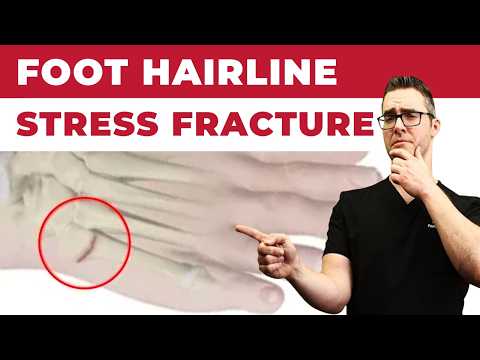


Watch: Metatarsalgia Treatment [BEST Ball of Foot Pain RELIEF 2024] — MichiganFootDoctors YouTube
Not all fifth metatarsal fractures are equal — and the most important decision in managing a “broken foot at the base of the 5th toe” is determining which of the three fracture zones is involved. The treatment and prognosis differ dramatically: a Zone 1 avulsion fracture heals reliably with a boot, while a Zone 2 Jones fracture in an athlete has a 20-30% non-union rate without surgical fixation. At Balance Foot & Ankle PLLC, Dr. Tom Biernacki provides precise zone classification and evidence-based treatment for all 5th metatarsal fracture patterns in Michigan patients.
Zone Classification: Why It Changes Everything
Zone 1 — Metaphyseal Avulsion Fracture (“Pseudo-Jones Fracture”): The most common 5th metatarsal fracture — a fragment pulled off the styloid process (the bony prominence at the base of the 5th metatarsal) by the peroneus brevis tendon or lateral plantar fascia during ankle inversion. Excellent vascular supply to Zone 1. Reliable healing with conservative treatment. Treatment: weight-bearing as tolerated in a stiff-soled shoe or CAM boot for 4-6 weeks. Athletes can often return to sport in a supportive shoe at 4-6 weeks. Zone 2 — True Jones Fracture: Transverse or short oblique fracture at the metaphyseal-diaphyseal junction — a vascular watershed zone with significantly poorer blood supply than Zone 1. The hallmark of the true Jones fracture. Healing with conservative treatment (non-weight-bearing cast) takes 8-20 weeks and has a 20-30% non-union rate. For athletes: 4.5mm solid intramedullary screw fixation produces reliable healing in 6-8 weeks with 85-90% return to sport at 3 months — significantly superior to conservative care. Zone 3 — Diaphyseal Stress Fracture: Chronic stress fracture of the proximal 5th metatarsal shaft, often with X-ray evidence of prior fracture attempts (periosteal thickening, intramedullary sclerosis). Highest non-union risk of all 5th metatarsal fractures. Surgical fixation recommended for athletes; bone stimulator plus non-weight-bearing cast for lower-demand patients.
Jones Fracture Surgical Fixation
Jones fracture intramedullary screw fixation: lateral approach over the 5th metatarsal base, cannulated guide wire placement under fluoroscopy through the medullary canal, measurement for appropriate screw length, overdrilling, and insertion of a 4.5mm solid intramedullary screw with appropriate lag compression. Solid (non-cannulated) screws are preferred over cannulated for superior pullout strength in the small diameter 5th metatarsal canal. Post-operative: non-weight-bearing in a surgical shoe or boot for 2-4 weeks, then progressive weight-bearing as healing progresses on follow-up X-rays. Return to sport: 8-12 weeks for most athletes. Bone grafting is added at the time of surgery for Zone 3 stress fractures with intramedullary sclerosis — autograft or allograft clears the sclerotic canal and stimulates healing biology.
Conservative Treatment for Zone 1 Avulsion Fractures
Zone 1 avulsion fractures require no surgery — the fragment is attached by the peroneus brevis and plantar fascia, the vascular supply is excellent, and immobilization produces reliable union. Treatment: Stiff-soled walking shoe or CAM boot with weight-bearing as tolerated for 4-6 weeks. Ice and NSAIDs for acute pain management. Follow-up X-ray at 4-6 weeks to confirm healing. Return to sport: When pain-free with weight-bearing, typically 4-8 weeks. Even large fragments at the styloid process heal reliably with conservative care — surgery is not indicated unless the fragment is dramatically displaced or persistent pain after 12 weeks suggests fibrous non-union. Careful Zone 1 vs. Zone 2 distinction before committing to conservative care is essential — a Zone 2 fracture treated conservatively has a high non-union rate.
Dr. Tom's Product Recommendations
Stiff-Soled Post-Op Shoe
⭐ Highly Rated
Rigid-soled post-operative walking shoe — appropriate for Zone 1 5th metatarsal avulsion fractures during the 4-6 week healing phase, allowing weight-bearing while protecting the fracture from bending forces.
Dr. Tom says: “My podiatrist recommended a stiff-soled shoe for my Zone 1 fifth metatarsal avulsion and I was walking comfortably the day of my appointment.”
Zone 1 avulsion fracture shoe, 5th metatarsal conservative treatment, stiff sole forefoot protection
Zone 2 Jones fractures require more aggressive treatment — confirm fracture zone with your podiatrist
Disclosure: We earn a commission at no extra cost to you.
Hoka Bondi Maximum Cushion Return-to-Sport Shoe
⭐ Highly Rated
Maximum cushion rocker-bottom shoe for return to activity after Jones fracture healing — reduces lateral forefoot loading during the transition back to running after screw fixation.
Dr. Tom says: “My podiatrist recommended Hoka Bondi after my Jones fracture screw fixation healed and the rocker sole reduced the lateral pressure on my 5th metatarsal during my return to sport.”
Jones fracture post-surgical return to sport, 5th metatarsal lateral cushion, rocker sole
Return to running timing should be cleared by your surgeon based on X-ray healing evidence
Disclosure: We earn a commission at no extra cost to you.
✅ Pros / Benefits
- Precise zone classification determines treatment — avoiding under-treatment of Jones fractures
- Intramedullary screw fixation produces 85-90% Jones fracture healing with 3-month return to sport
- Zone 1 avulsion fractures reliably heal conservatively — surgery rarely needed
- Bone grafting at time of screw fixation for sclerotic Zone 3 stress fractures accelerates healing
❌ Cons / Risks
- Jones fracture (Zone 2) has 20-30% non-union rate with conservative treatment — surgery preferred for athletes
- Intramedullary screw may require removal if symptomatic at the screw head insertion site
- Zone 3 diaphyseal stress fractures in athletes have highest re-fracture risk — return to sport requires confirmed cortical healing on CT
Dr. Tom Biernacki’s Recommendation
The Jones fracture conversation is one of the most important discussions in sports podiatry — because what a patient calls a ‘broken foot’ and what the emergency room might call a ‘5th metatarsal fracture’ could be a Zone 1 that heals in a walking boot or a Zone 2 that will fail conservative treatment 30% of the time. For any athlete — high school, college, competitive adult — with a Zone 2 fracture, I present surgical fixation strongly. The 8-12 week return to sport with a screw is almost always superior to the 20-week conservative treatment course with a significant non-union risk at the end.
— Dr. Tom Biernacki, DPM | Board-Certified Podiatric Surgeon | Balance Foot & Ankle
Frequently Asked Questions
What is a Jones fracture?
A Jones fracture is a specific fracture at the metadiaphyseal junction (Zone 2) of the fifth metatarsal — the bone on the outside of the foot. It was named after Sir Robert Jones, who fractured his own fifth metatarsal in 1902. The Jones fracture is located in a vascular watershed zone with poor blood supply, making it prone to delayed healing and non-union (failure to heal). It differs from the more common ‘pseudo-Jones’ avulsion fracture at the styloid process (Zone 1), which heals reliably without surgery. The distinction is critical because treatment and prognosis are completely different.
How do I know if I need surgery for a 5th metatarsal fracture?
The need for surgery depends on the fracture zone. Zone 1 (avulsion fracture at the styloid process): conservative treatment with weight-bearing in a stiff shoe is appropriate — excellent healing rate. Zone 2 (true Jones fracture): athletes should strongly consider surgical fixation — 20-30% non-union rate with conservative treatment and significantly faster return to sport with screw fixation. Zone 3 (diaphyseal stress fracture): surgical fixation recommended for athletes, particularly with X-ray evidence of prior fracture attempts. Your podiatrist will identify the fracture zone on X-ray and recommend appropriate treatment based on your activity level and healing goals.
Can a Jones fracture heal without surgery?
A true Zone 2 Jones fracture can heal without surgery in non-athletes with 8-20 weeks of strict non-weight-bearing cast immobilization — but carries a 20-30% non-union rate. For recreational patients who can tolerate this timeline and non-union risk, conservative treatment is an option. For athletes in any competitive sport, surgical fixation is strongly recommended: faster healing (6-8 weeks), higher union rate (>90%), and significantly earlier return to sport (3 months vs. 4-5 months). The decision should be individualized — discuss your activity level, competitive goals, and timeline with Dr. Biernacki.
How long is recovery from Jones fracture surgery?
Jones fracture intramedullary screw fixation recovery: non-weight-bearing in a surgical boot for 2-4 weeks, progressive weight-bearing as X-ray healing progresses, light activity at 6-8 weeks, return to full athletic activity at 8-12 weeks when cortical healing is confirmed on X-ray. Physical therapy during recovery maintains conditioning and ankle mobility. Return to competitive sport is typically 10-14 weeks from surgery — significantly faster than conservative treatment. Regular follow-up X-rays at 6, 8, and 12 weeks confirm progressive cortical healing before return to sport clearance.
Michigan Foot Pain? See Dr. Biernacki In Person
4.9★ rated | 1,123 Reviews | 3,000+ Surgeries
Same-week appointments · Howell & Bloomfield Township
Frequently Asked Questions
When should I see a podiatrist?
If symptoms persist past 2 weeks, affect your normal activity, or are accompanied by red-flag symptoms (warmth, redness, swelling, inability to bear weight).
What does treatment cost?
Most diagnostic visits and conservative treatments are covered by Medicare and major insurers. Out-of-pocket costs vary by your specific plan.
How quickly can I get an appointment?
Most non-urgent cases see us within 5 business days. Urgent cases (sudden pain, possible fracture) typically same or next business day.
What is Stress fracture?
Stress fracture is a common foot/ankle condition that affects mobility and quality of life. Understanding the underlying cause is the first step in successful treatment. Our podiatrists at Balance Foot & Ankle perform a hands-on biomechanical exam, review your activity history, and use diagnostic imaging when appropriate to identify the root cause—not just treat the symptom. Many patients have been told to “rest and ice” without a deeper diagnostic workup; our approach is different.
Symptoms and warning signs
Common signs of stress fracture include pain that worsens with activity, morning stiffness, swelling, tenderness when palpated, and difficulty bearing weight. If you experience sudden severe pain, inability to walk, visible deformity, numbness or color change, contact our office the same day or visit urgent care—these can signal a more serious injury such as a fracture, tendon rupture, or vascular compromise. Diabetics with any foot wound should seek same-day care.
Conservative treatment options
Most cases of stress fracture respond to non-surgical care: structured rest, supportive footwear changes, custom orthotics, targeted stretching and strengthening protocols, anti-inflammatory medications when medically appropriate, and in-office procedures such as ultrasound-guided injections. We also offer advanced therapies including MLS laser therapy, EPAT/shockwave, regenerative injections, and image-guided procedures. Treatment is sequenced from least invasive to most invasive, and we explain the rationale at every step.
When is surgery considered?
Surgery is reserved for cases that fail 3-6 months of well-structured conservative care, when there is structural pathology (severe deformity, complete tear, advanced arthritis), or when imaging shows damage that will not heal without intervention. Our surgeons have performed 3,000+ foot and ankle procedures and prioritize minimally-invasive techniques whenever appropriate. We discuss recovery timelines, return-to-activity milestones, and realistic outcome expectations before any procedure is scheduled.
Recovery timeline and prevention
Recovery from stress fracture varies based on severity and chosen treatment path. Conservative cases often improve within 4-8 weeks with consistent adherence to the protocol. Post-procedural recovery may range from a few days (in-office procedures) to several months (reconstructive surgery). Long-term prevention involves footwear assessment, activity modification, structured strengthening, and regular check-ins with your podiatrist if you have a history of recurrence. We provide written home-exercise plans and digital follow-up support.
Ready to feel better?
Same-week appointments available in Howell and Bloomfield Township, Michigan.
In-Office Treatment at Balance Foot & Ankle
If home treatment isn’t providing relief for your metatarsalgia, our podiatry team at Balance Foot & Ankle can help with same-day evaluations and advanced in-office care.
Related Conditions
Ready to Get Relief?
Same-day appointments available in Howell & Bloomfield Township, MI
4.9★ | 1,123 Reviews | 3,000+ Surgeries
Or call: (810) 206-1402

Dr. Tom Biernacki, DPM is a double board-certified podiatrist and foot & ankle surgeon at Balance Foot & Ankle Specialists in Southeast Michigan. With over a decade of clinical experience, he specializes in heel pain, bunions, diabetic foot care, sports injuries, and minimally invasive surgery. Dr. Biernacki is a member of the APMA and ACFAS, and his patient education content on MichiganFootDoctors.com and YouTube has reached over one million views.
Frequently Asked Questions
Why does the ball of my foot hurt when I walk?
When should I see a doctor for ball of foot pain?
- Plantar Fasciitis: Diagnosis and Conservative Management (PubMed)
- Plantar Fasciitis (APMA)
- Diagnosis and Treatment of Plantar Fasciitis (PubMed / AAFP)
- Heel Pain (APMA)
Related Treatments at Balance Foot & Ankle
Our board-certified podiatrists offer advanced treatments at our Bloomfield Township and Howell locations.
Recommended Products from Dr. Tom
Dr. Tom Biernacki, DPM is a board-certified foot & ankle surgeon (ABFAS & ABPM) at Balance Foot & Ankle Specialists in Southeast Michigan. With over a decade of clinical experience, he specializes in heel pain, bunions, diabetic foot care, sports injuries, and minimally invasive surgery. Dr. Biernacki is a member of the APMA and ACFAS, and his patient education content on MichiganFootDoctors.com and YouTube has made him one of the most-followed foot & ankle educators on YouTube.