
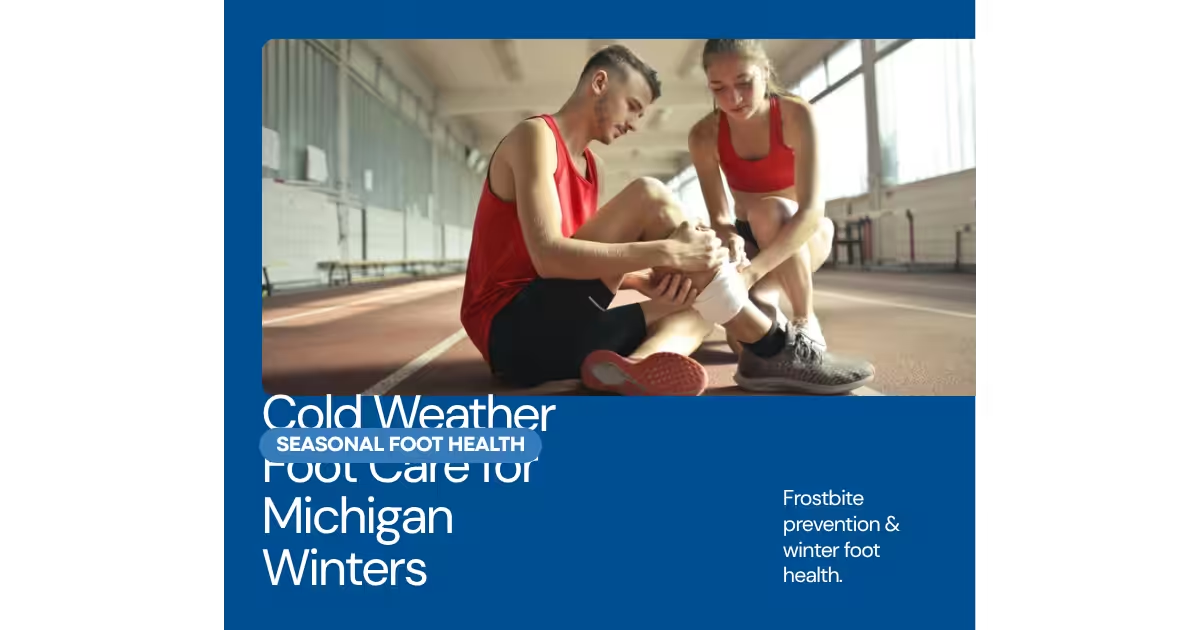
Quick answer: Foot Care Winter Michigan is a common foot/ankle topic that affects many patients. Effective treatment starts with a targeted diagnosis, conservative-first treatment, and escalation only when needed. We treat this regularly at our Howell and Bloomfield Township practices. Book online, or call (810) 206-1402.
Medically reviewed by Dr. Tom Biernacki, DPM · Board-Certified Podiatric Surgeon · Last reviewed: April 2026 · Editorial Policy
Quick Answer
Foot Care Tips for Michigan Winters Balance Foot & Ank relates to foot pain — typically caused by overuse, footwear, or biomechanics. Most patients improve in 6-12 weeks with conservative care. Same-week appointments in Howell + Bloomfield Township: (810) 206-1402.
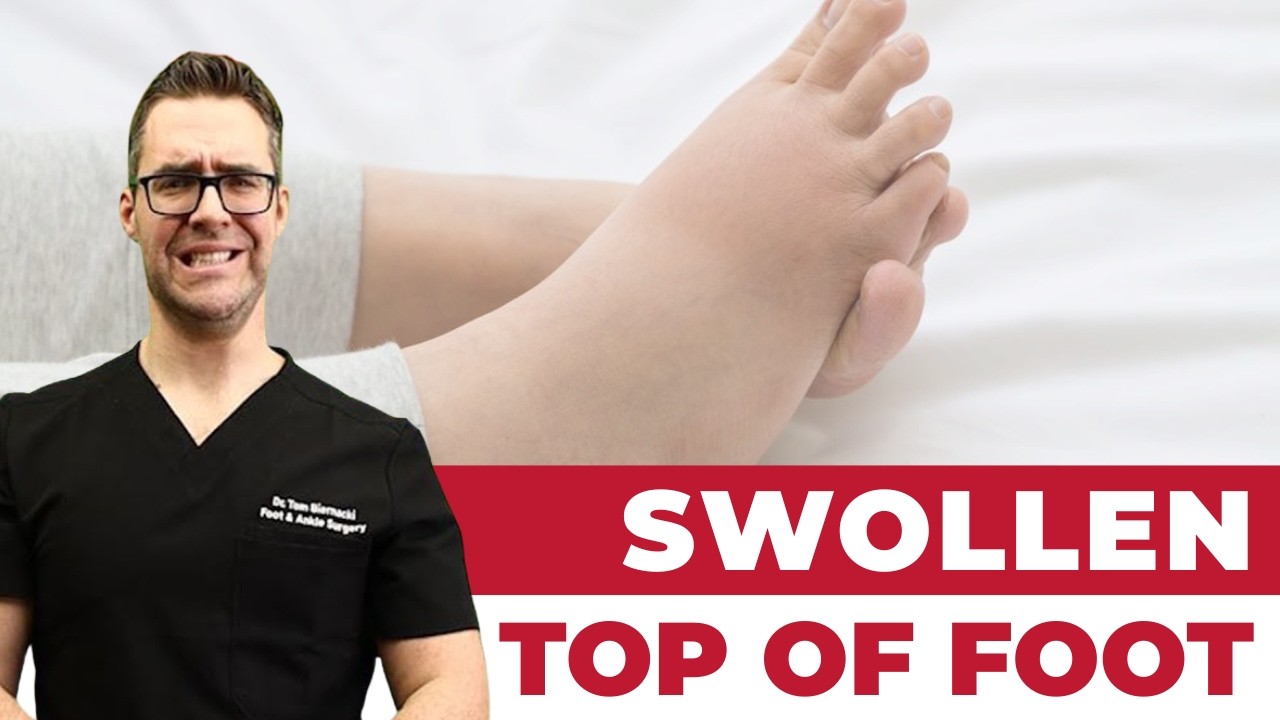
Medically reviewed by Dr. Tom Biernacki, DPM — Board-Certified Podiatric Surgeon — Balance Foot & Ankle, Howell & Bloomfield Township, MI. Last updated April 2026.
▶ Watch
Michigan winters are beautiful — but they’re genuinely harsh on feet. Cold temperatures, dry indoor air, ice and snow hazards, and winter footwear all create distinct foot care challenges from November through March. At Balance Foot & Ankle, Dr. Tom Biernacki sees a predictable surge in winter foot problems each year and wants Michigan patients to be prepared. Here’s your complete winter foot care guide.
Frostbite and Cold Injury Prevention
Frostbite is a genuine risk in Michigan winters, particularly for outdoor workers, hunters, skiers, and anyone caught outdoors without proper footwear. Prevention: wear moisture-wicking wool or synthetic socks (never cotton — cotton holds moisture and accelerates heat loss); use waterproof, insulated boots rated for the temperature conditions; change wet socks immediately; keep moving to maintain circulation; avoid constricting boots or tight laces that reduce circulation; and use chemical heat packs inside boots for extended outdoor exposure.
Frostbite recognition: white or grayish-yellow skin color; hard, cold, waxy texture; loss of sensation. Frostnip (early, reversible): redness and tingling that reverses with warming. Do not rub frostbitten skin. Rewarm gradually in warm (not hot) water (104–108°F). Seek medical care for true frostbite — blistering and tissue loss require specialized wound care.
Winter Dry Skin and Heel Fissures
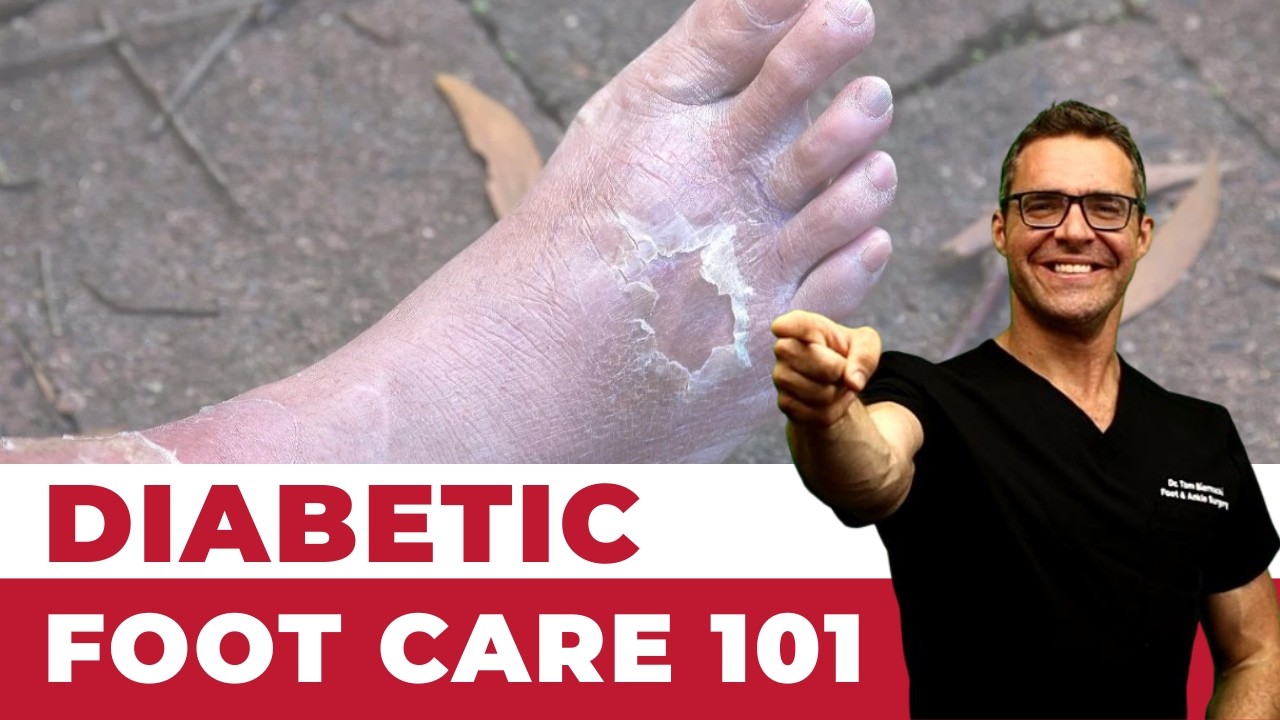
Michigan’s cold, dry winters and indoor heating dramatically reduce humidity levels, causing foot skin to dry, crack, and develop painful heel fissures. Prevention and treatment: apply a urea-based cream (20–40% concentration) or thick petrolatum emollient to feet daily after bathing; wear cotton socks to bed after moisturizing to improve penetration (occlusion technique); use a humidifier in your bedroom; and see Dr. Biernacki for professional callus debridement if heel fissures become deep or painful. Diabetic patients must pay particular attention to winter skin care as dry, cracked heels provide infection entry points.
Winter Boot Selection and Foot Health
Michigan winter boots must balance warmth, waterproofing, and foot health. Recommendations: choose boots with adequate toe box room (feet swell during activity); ensure sufficient insulation without making the boot so tight it restricts circulation; break in new winter boots gradually before extended use; wear appropriate socks (wool or synthetic, not too thick — thick socks in a tight boot restrict circulation); look for boots with rigid rubber soles for traction to reduce slip-and-fall injuries; and do not wear the same boots two days in a row — allow drying between uses to prevent athlete’s foot.
Slip-and-Fall Prevention
Falls on ice are the leading cause of winter ankle fractures, ankle sprains, and foot injuries in Michigan. Reduce your risk: wear boots with aggressive rubber lugs or carbide ice cleats over boots; take shorter steps and walk flat-footed (penguin walk) on icy surfaces; don’t carry items that obstruct your view of the ground; clear ice from your property regularly; and use handrails when available. Older adults with peripheral neuropathy are at especially high risk for icy falls — their reduced sensation impairs balance recovery. Dr. Biernacki recommends ankle strengthening exercises year-round for high-risk patients.
Winter Sports Foot Injuries
Skiing and snowboarding produce specific foot and ankle injuries in Michigan. Ski boot–related problems include flexor hallucis longus (big toe tendon) injuries, lace bite (dorsal foot nerve compression from tight ski boot lacing), tibialis anterior tendinitis, and calf compartment pressure. Snowboarders have high rates of lateral ankle sprains and calcaneal fractures from jump landings. Properly fitted and maintained ski/snowboard boots reduce injury risk significantly.
Michigan Winter Foot Care — Book Your Appointment
Don’t wait for a winter foot problem to become serious. Balance Foot & Ankle sees patients year-round at southeast Michigan offices. Call (810) 206-1402 for a same-week appointment with Dr. Biernacki.
More Podiatrist-Recommended Foot Health Essentials
Hoka Clifton 10


Max-cushion everyday shoe — podiatrist favorite for walking and running.

OOFOS Recovery Slide

Impact-absorbing recovery sandal — wear after long days on your feet.
As an Amazon Associate, Balance Foot & Ankle earns from qualifying purchases. Product recommendations are based on clinical experience; prices and availability shown above update live from Amazon.
When to See a Podiatrist
If foot or ankle pain has been bothering you for more than a few weeks, home care alone may not be enough. Balance Foot & Ankle offers same-week appointments at our Howell and Bloomfield Township clinics — no referral needed in most cases. Bring your current shoes and a short list of symptoms and we’ll build you a treatment plan in one visit.
Call Balance Foot & Ankle: (810) 206-1402 · Book online · Offices in Howell & Bloomfield Township
Frequently Asked Questions
What socks are best for Michigan winters?
Merino wool socks are the gold standard for winter warmth — they insulate even when wet, wick moisture, and resist odor. Synthetic moisture-wicking materials (polyester blends, CoolMax) are a close second. Never wear cotton socks in wet or cold conditions — cotton absorbs water and becomes cold rapidly. Choose a thickness appropriate for your boot’s fit — if the boot is already snug, thick socks will restrict circulation and increase frostbite risk.
Can diabetics wear heated boot insoles?
Heated insoles should be used with extreme caution by diabetic patients with peripheral neuropathy. Because neuropathy impairs heat sensation, diabetics can develop serious foot burns from heated insoles without feeling them. If heated insoles are desired, use the lowest temperature setting, check the skin frequently, and limit use duration. Consult Dr. Biernacki before using heated insoles if you have diabetic neuropathy.
Are winter boot orthotics different from regular orthotics?
Custom orthotics can often be transferred between different shoes including winter boots if the boots have removable footbeds. For boots with non-removable insoles or very limited volume, slimmer orthotic profiles may be required. Dr. Biernacki designs each orthotic with your full footwear wardrobe in mind — including winter boots — to maximize versatility.
Join 950,000+ Learning About Foot Health
Dr. Tom shares honest medical advice, supplement reviews, and treatment guides you won’t find anywhere else.
Subscribe on YouTube →Blister-Prevention Socks and Products
- Darn Tough Merino Wool Socks — Lifetime Guarantee
- Balega Hidden Comfort — Ultra-Padded Running Socks
- Body Glide Anti-Blister Balm — Friction Prevention
Amazon affiliate links — we may earn a small commission at no extra cost to you.
📍 Located in Michigan?
Our board-certified podiatrists treat this condition at two convenient locations. Most new patients are seen the same week.
Medically Reviewed by: Dr. Tom Biernacki, DPM — Board-Certified Podiatrist, Balance Foot & Ankle Specialists

Insurance Accepted
BCBS · Medicare · Aetna · Cigna · United Healthcare · HAP · Priority Health · Humana · View All →
Howell Office
4330 E Grand River Ave
Howell, MI 48843
Get Directions →
Bloomfield Township Office
43494 Woodward Ave, #208
Bloomfield Township, MI 48302
Get Directions →
Your Board-Certified Podiatrists



Ready to Get Back on Your Feet?
Same-week appointments available at both locations.
Book Your AppointmentPros & Cons of Conservative Care for foot care
Advantages
- ✓ Conservative care first
- ✓ Same-week appointments
- ✓ Multiple insurance accepted
Considerations
- ✗ Self-treatment can mask issues
- ✗ See a podiatrist if pain >2 weeks
Dr. Tom’s Recommended Products for foot care
Affiliate disclosure: As an Amazon Associate, Balance Foot & Ankle earns from qualifying purchases. We only recommend products we use with patients.
Footnanny Heel Cream Dr. Tom’s Pick
Best for: Daily moisturizer for cracked heels
Ready to Get Back on Your Feet?
Same-week appointments in Howell + Bloomfield Township. Most insurance accepted. Dr. Tom Biernacki, DPM & team.
Book Today — Same-Week Appointments Available
Call Now: (810) 206-1402
About Your Care Team at Balance Foot & Ankle
Dr. Tom Biernacki, DPM · Board-Certified Foot & Ankle Surgeon. Specializes in conservative-first care, minimally invasive bunion surgery, and complex reconstruction.
Dr. Carl Jay, DPM · Accepting new patients. Specializes in sports medicine, athletic injuries, and routine podiatric care.
Dr. Daria Gutkin, DPM, AACFAS · Accepting new patients. Specializes in surgical reconstruction and pediatric podiatry.
Locations: 4330 E Grand River Ave, Howell, MI 48843 · 43494 Woodward Ave Suite 208, Bloomfield Township, MI 48302
Hours: Mon–Fri 8:00 AM – 5:00 PM · (810) 206-1402
Visit Balance Foot & Ankle — Same-Week Appointments Available
Our podiatry team serves patients throughout Michigan including Howell, Brighton, and Bloomfield Township. If you’re dealing with heel pain, ingrown toenails, or a foot injury, we have same-week appointment availability.
Same-week appointments available. (810) 206-1402
Doctor Hoy’s Natural Pain Relief Gel
Natural topical pain relief I use in our clinic. Arnica + camphor formula — apply directly to the area 3–4x daily. ($20–25)
Shop Doctor Hoy’s →Our podiatrists treat the underlying cause, not just the symptom. Same-week appointments at our Howell and Bloomfield Township, Michigan offices.
Ready for Expert Care?
Same-week appointments in Howell & Bloomfield Township, MI.
4.9★ | 1,123 Reviews | 3,000+ Surgeries
Or call: (810) 206-1402

Dr. Tom Biernacki, DPM is a board-certified foot & ankle surgeon (ABFAS & ABPM) at Balance Foot & Ankle Specialists in Southeast Michigan. With over a decade of clinical experience, he specializes in heel pain, bunions, diabetic foot care, sports injuries, and minimally invasive surgery. Dr. Biernacki is a member of the APMA and ACFAS, and his patient education content on MichiganFootDoctors.com and YouTube has made him one of the most-followed foot & ankle educators on YouTube.