
Medically reviewed by Dr. Tom Biernacki, DPM
Board-certified podiatric surgeon | Balance Foot & Ankle, Howell & Bloomfield Township, MI
Last reviewed: May 2026

| Cause | Mechanism | Associated Symptoms | Diagnosis | Treatment |
|---|---|---|---|---|
| Small fiber neuropathy (SFN) | Unmyelinated C-fiber degeneration; itch signal dysregulation | Burning, tingling, restless legs; normal monofilament exam | Skin punch biopsy (IENFD); autonomic testing | Address underlying cause (DM, B12); gabapentin; duloxetine; topical lidocaine |
| Early tinea pedis (athlete’s foot) | Dermatophyte infection before visible scaling develops | Itching, particularly between toes; mild odor | KOH prep; fungal culture if uncertain | Topical antifungal (clotrimazole, terbinafine); keep feet dry |
| Uremic pruritus (CKD) | Accumulation of uremic toxins; mast cell activation | Diffuse pruritus; worsens at night; chronic kidney disease history | Serum creatinine, BUN, GFR | Dialysis optimization; gabapentin; topical capsaicin; phototherapy |
| Cholestatic liver disease | Bile salt deposition in skin; opioid receptor changes | Itching + jaundice, dark urine, pale stools | LFTs, bilirubin, GGT, ultrasound | Ursodiol; cholestyramine; treat underlying liver disease |
| Thyroid disease | Hypothyroidism causes dry skin and itch; hyperthyroidism increases skin sensitivity | Fatigue, weight changes, cold/heat intolerance | TSH, free T4 | Thyroid hormone normalization |
| Drug-induced pruritus | Various mechanisms; opioids, ACE inhibitors, statins common causes | Itch without rash; temporal correlation with new medication | Medication history; rechallenge/dechallenge | Discontinue offending agent if possible; antihistamine |
| Workup Step | Tests | What It Rules In/Out | Priority |
|---|---|---|---|
| Metabolic screen | CBC, CMP, TSH, HbA1c, B12, iron studies | Diabetes, CKD, thyroid disease, anemia, B12 deficiency | First — order for all unexplained pruritus |
| Liver function panel | LFTs, bilirubin (total/direct), GGT, alkaline phosphatase | Cholestatic liver disease; hepatitis | First — included in CMP; add GGT if elevated |
| Dermatological exam | Wood’s lamp; KOH prep; skin biopsy if indicated | Tinea pedis; contact dermatitis; early psoriasis | Early — especially if podiatrist or dermatologist available |
| Neurological evaluation | Monofilament; vibration; skin punch biopsy (IENFD) | Small fiber neuropathy; diabetic neuropathy | Second — if metabolic screen normal; diabetic patient |
| Medication review | Complete medication list; recent additions | Drug-induced pruritus (opioids, ACEi, statins, etc.) | Concurrent — always review medications |
| Malignancy screen | LDH, SPEP, chest X-ray; hematology if indicated | Lymphoma, polycythemia vera, myeloma | Third — if no systemic cause found and symptoms persist >6 weeks |
Quick answer: Foot Itching No Rash is a common foot/ankle topic that affects many patients. The 2026 evidence-based approach combines proper diagnosis, conservative-first treatment, and escalation only when needed. We treat this regularly at our Howell and Bloomfield Township practices. Call (810) 206-1402.
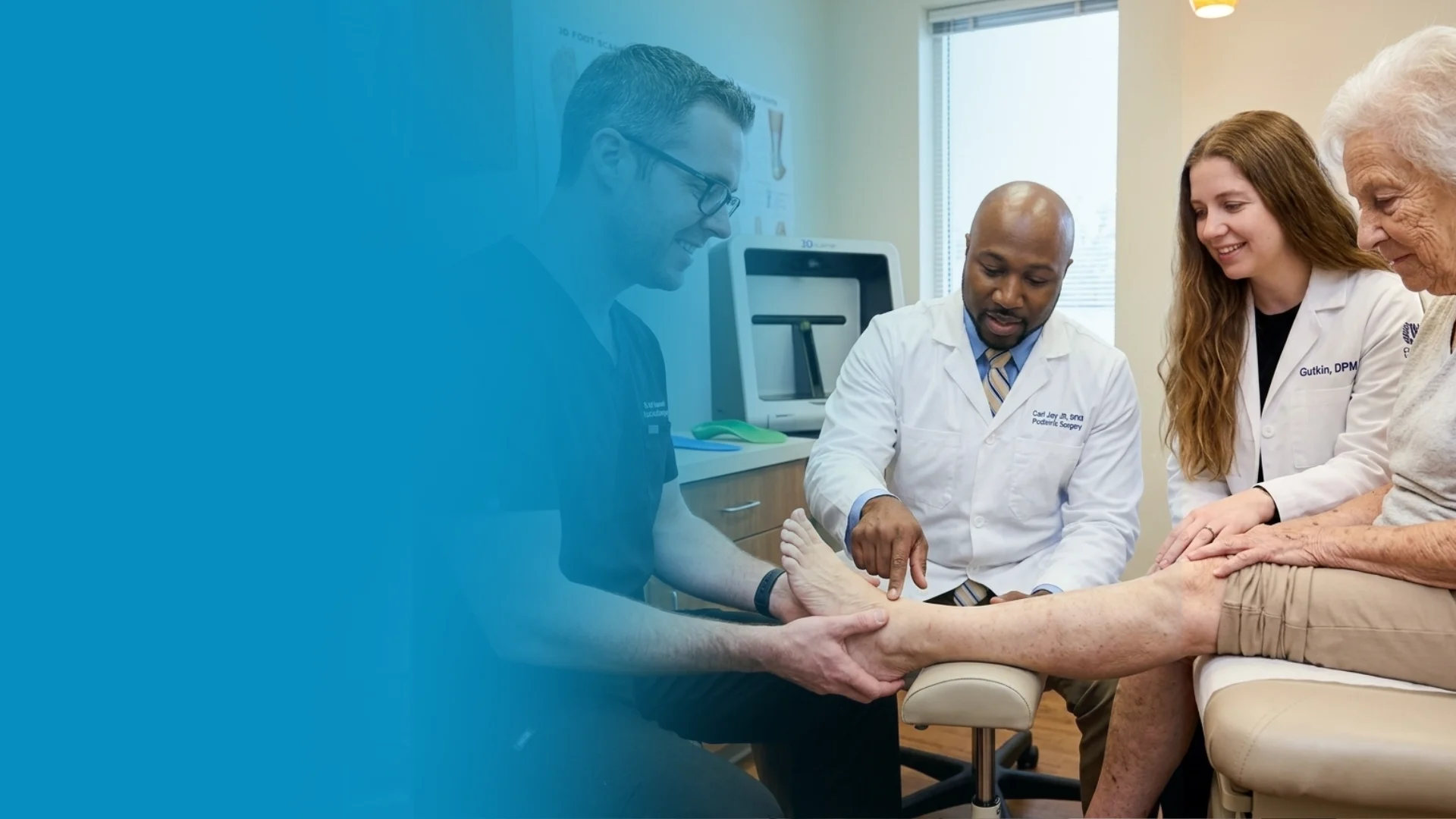
The most important clinical decision with Foot Itching No Rash isn’t which treatment to start with — it’s identifying the correct subtype. That changes everything. Call (810) 206-1402.
Foot Itching No Rash: Quick Answer
Foot itching without a visible rash is surprisingly common – and often indicates underlying conditions beyond just dry skin. We help dozens of patients yearly at Balance Foot and Ankle. Here is the comprehensive itchy feet without rash guide.
Most Common Causes of Itching Without Rash
1. Dry skin (xerosis): Most common – especially in winter or older adults. 2. Peripheral neuropathy: Especially diabetic; itching can precede other symptoms. 3. Liver disease: Can cause generalized itching including feet. 4. Kidney disease: Uremic itching common. 5. Thyroid disorders: Both hyper and hypothyroidism. 6. Iron deficiency: Sometimes presents with itching. 7. Restless legs syndrome: Can include itching sensation. 8. Medications: Many medications cause itching. 9. Psychogenic itching: Stress-related. 10. Early athletes foot: Subtle before visible rash develops.
Dry Skin Treatment
Most common cause; treatment usually resolves issue. Causes of foot dry skin: Aging; winter weather; hot showers; soap overuse; dehydration; certain medications; medical conditions. Treatment: Daily moisturizer (cream or ointment, not lotion); apply to damp skin; urea-based products (10-25%) for thick dry skin; lactic acid products (12%); avoid hot water; gentle soap-free cleansers; humidifier in winter. Best products: CeraVe, Eucerin, Aquaphor for everyday; Amlactin or Lac-Hydrin for stubborn cases.
Neuropathy-Related Itching
Diabetic neuropathy can cause itching: often early symptom before numbness/burning. Pattern: Bilateral; symmetric; progresses up; may be only foot symptom initially. Other neuropathy types: B12 deficiency; chemotherapy-induced; alcohol-related; idiopathic small fiber. Diagnosis: Clinical exam; nerve testing; address underlying cause. Treatment: Optimize blood sugar; gabapentin/pregabalin for severe; address vitamin deficiencies; topical capsaicin sometimes helps.
Liver Disease Itching
Cholestatic itching: Bile salt buildup causes itching; can be severe. Causes: Primary biliary cholangitis; primary sclerosing cholangitis; viral hepatitis; cirrhosis; drug-induced. Pattern: Often worse at night; can affect feet, palms, generalized; sometimes associated jaundice or fatigue. Workup: Liver function tests; hepatitis testing; sometimes imaging. Treatment: Treat underlying cause; cholestyramine; rifampin; sometimes UDCA.
Kidney Disease Itching
Uremic pruritus: Common in advanced kidney disease and dialysis patients; can affect feet specifically. Pattern: Often bilateral; worse in evening; may be quite severe. Treatment: Optimize dialysis; gabapentin/pregabalin; topical treatments; sometimes phototherapy; UV light. Workup needed: kidney function tests if itching unexplained and risk factors present.
Thyroid-Related Itching
Both hyperthyroidism and hypothyroidism can cause itching. Hypothyroidism: Often associated with dry skin (which then itches). Hyperthyroidism: Can cause generalized itching. Workup: TSH; free T4; T3 if needed. Treatment: Address underlying thyroid disorder; itching usually improves with thyroid normalization.
Medication-Induced Itching
Common culprits: Opioids; statins; many antibiotics; ACE inhibitors; NSAIDs (sometimes); diuretics; chemotherapy. Pattern: May be generalized or localized; timing relates to medication start; may persist or resolve. Approach: Review medication list with prescriber; consider alternatives; sometimes manageable with antihistamines or topical treatments.
Subtle Athletes Foot
Early athletes foot may itch before visible rash develops. Suspicion clues: Itching between toes; itching on soles; recent gym/pool use; warm weather; sweaty feet. Testing: KOH test under microscope; sometimes culture. Treatment: Topical antifungal (terbinafine, clotrimazole, ketoconazole); foot hygiene; allow feet to air; antifungal powder.
Diagnostic Workup for Unexplained Itching
Initial workup: CBC; comprehensive metabolic panel (kidney, liver); TSH; iron studies; B12; vitamin D; sometimes hepatitis screening. If no cause found: Skin biopsy; sometimes referral to dermatology or internal medicine. For elderly: malignancy screening if other symptoms (rare cause).
When to See a Podiatrist
See us if: foot itching persists more than 1-2 weeks; suspected athletes foot (early); suspected neuropathy with itching; significant nail or skin changes; need for specialized foot care; referral to internal medicine if systemic cause suspected. Same-week appointments at Balance Foot and Ankle. Schedule online.
Podiatrist-Recommended Products




Frequently Asked Questions About Foot Itching No Rash
Why are my feet itchy with no rash?
Most common: dry skin (especially in winter/older adults), peripheral neuropathy (often diabetic), liver disease, kidney disease, thyroid disorders, iron deficiency, certain medications, restless legs syndrome, early athletes foot before visible rash.
Can diabetes cause itchy feet without rash?
YES – diabetic peripheral neuropathy can cause itching as early symptom (often before numbness or burning). Pattern: bilateral, symmetric, progressing up. Workup: blood sugar/A1c, nerve testing if not already done.
How do I treat dry itchy feet?
Daily moisturizer (cream or ointment, not lotion); apply to damp skin; urea-based products (10-25%) for thick dry skin; lactic acid products (12%); avoid hot water; gentle soap-free cleansers; humidifier in winter.
Can liver disease cause itchy feet?
YES – cholestatic itching from bile salt buildup. Often worse at night; can affect feet, palms, or be generalized. Workup: liver function tests, hepatitis testing. Treatment: address underlying cause, cholestyramine, rifampin.
Can medications cause foot itching?
YES – common culprits: opioids, statins, many antibiotics, ACE inhibitors, NSAIDs (sometimes), diuretics, chemotherapy. Review medication list with prescriber if itching coincides with medication start.
What blood tests are needed for unexplained foot itching?
CBC; comprehensive metabolic panel (kidney, liver); TSH; iron studies; B12; vitamin D; sometimes hepatitis screening. If no cause found: skin biopsy; sometimes referral to dermatology or internal medicine.
When should I see a podiatrist about itchy feet?
Itching persists more than 1-2 weeks; suspected early athletes foot; suspected neuropathy with itching; significant nail or skin changes; need specialized foot care; need referral to internal medicine if systemic cause suspected.
Related Resources from Balance Foot & Ankle
Still Dealing With Foot Itching No Rash?
Same-week appointments at Balance Foot & Ankle in Howell & Bloomfield Township, MI.
Book Your AppointmentFrequently Asked Questions
When should I see a podiatrist?
If symptoms persist past 2 weeks, affect your normal activity, or are accompanied by red-flag symptoms (warmth, redness, swelling, inability to bear weight).
What does treatment cost?
Most diagnostic visits and conservative treatments are covered by Medicare and major insurers. Out-of-pocket costs vary by your specific plan.
How quickly can I get an appointment?
Most non-urgent cases see us within 5 business days. Urgent cases (sudden pain, possible fracture) typically same or next business day.
In-Office Treatment at Balance Foot & Ankle
If home treatment isn’t providing relief for your foot and ankle conditions, our podiatry team at Balance Foot & Ankle can help with same-day evaluations and advanced in-office care.
AAD: Foot Itching — Causes and Treatment
Ready to Get Relief?
Same-day appointments available in Howell & Bloomfield Township, MI
4.9★ | 1,123 Reviews | 3,000+ Surgeries
Or call: (810) 206-1402

Dr. Tom Biernacki, DPM is a board-certified foot & ankle surgeon (ABFAS & ABPM) at Balance Foot & Ankle Specialists in Southeast Michigan. With over a decade of clinical experience, he specializes in heel pain, bunions, diabetic foot care, sports injuries, and minimally invasive surgery. Dr. Biernacki is a member of the APMA and ACFAS, and his patient education content on MichiganFootDoctors.com and YouTube has made him one of the most-followed foot & ankle educators on YouTube.