

Quick answer: Foot Massage Techniques Pain Relief Podiatrist Guide Self Massage has multiple potential causes including mechanical, neurological, vascular, and inflammatory. The most common causes we identify are overuse, ill-fitting shoes, and biomechanical imbalance. Red flags requiring urgent evaluation: warmth/redness (infection), inability to bear weight (fracture), and unilateral swelling without injury (DVT). Book online, or call (810) 206-1402.
Medically Reviewed by Dr. Tom Biernacki, DPM, FACFAS
Board-certified podiatrist & foot surgeon | Balance Foot & Ankle, Howell & Bloomfield Township, MI | Last updated: May 2026
Foot massage reduces plantar fascia tension, improves local circulation, and decreases muscle soreness and inflammation. The most clinically effective forms for foot pain are plantar fascia self-massage with a frozen water bottle (combines massage with cryotherapy), deep tissue massage of the intrinsic foot muscles, and targeted trigger point release of the calf/Achilles complex. Foot massage is an excellent complement to stretching and orthotics for plantar fasciitis, metatarsalgia, and general foot fatigue — but it doesn’t replace structural treatment for underlying biomechanical problems.
Types of Foot Massage and What Each Treats Best
Different massage techniques target different tissues and produce different therapeutic effects. Matching the technique to the problem gives better results than a generic approach.
| Technique | Target Tissue | Best For | How Often |
|---|---|---|---|
| Frozen Bottle Roll | Plantar fascia, intrinsic muscles | Plantar fasciitis; heel spur pain | 2× daily, 5–10 min |
| Thumb Cross-Friction | Plantar fascia insertion | Chronic plantar fasciitis; scar tissue | 1× daily, 3–5 min |
| Calf Self-Massage | Gastrocnemius, soleus | Plantar fasciitis; Achilles; heel pain | 1× daily, 5 min/leg |
| Metatarsal Spread | Intermetatarsal spaces, digital nerves | Morton’s neuroma; metatarsalgia | 2–3× daily as needed |
| General Foot Massage | All intrinsic foot muscles | General fatigue; end-of-day relief | Daily as desired |
How to Perform the Most Effective Foot Massages at Home
These techniques are used at Balance Foot & Ankle and recommended to patients for home maintenance. Consistency matters more than duration — 5 minutes daily outperforms 30 minutes once per week.
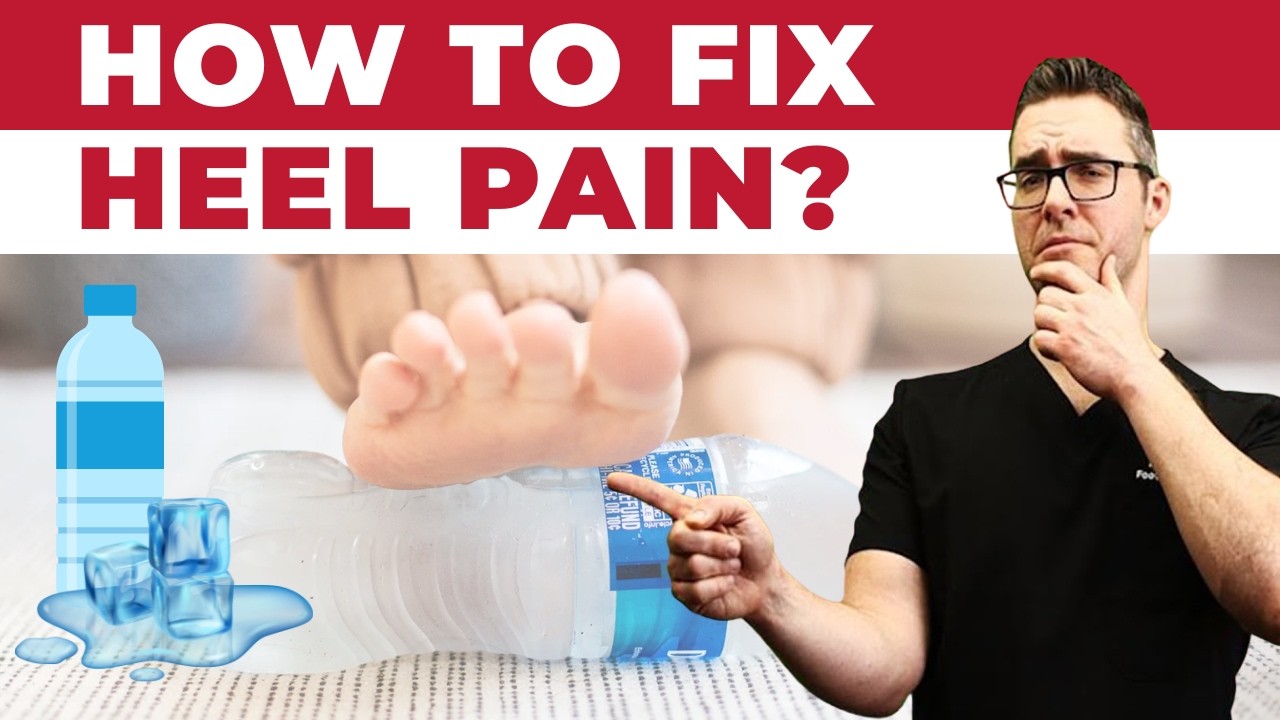
- Frozen water bottle massage: Freeze a standard plastic water bottle solid. Place it on a hard floor and roll the arch of your foot over it with moderate pressure for 5–10 minutes. The rolling motion provides fascial mobilization while the ice reduces inflammation simultaneously. Do this before your first steps of the morning for maximum plantar fasciitis benefit.
- Plantar fascia thumb massage: Sit and cross one ankle over the opposite knee. Grip your toes and pull them back to stretch the plantar fascia taut. Use your opposite thumb to apply firm cross-friction pressure directly along the fascia from heel to ball of foot. This breaks down scar tissue and stimulates healing at the insertion point.
- Lacrosse ball arch roll: Standing at a wall for balance, place a lacrosse ball under your arch and roll slowly — pausing on any tender spots for 20–30 seconds until the tension releases. This technique reaches deeper intrinsic muscles than a foam roller can access.
- Metatarsal spread technique: Using both thumbs, apply gentle lateral pressure between each pair of metatarsal heads (between 1st and 2nd, 2nd and 3rd, etc.). This decompresses the intermetatarsal spaces, temporarily relieving nerve pressure that causes metatarsalgia and Morton’s neuroma pain.
- Calf foam rolling: Because the gastrocnemius and soleus attach to the heel via the Achilles, calf tightness directly increases plantar fascia loading. Foam roll the calf from ankle to back of knee, pausing on trigger points. This is an underused intervention that significantly reduces plantar fascia tension when done consistently.
Watch: Frozen Water Bottle Foot Massage for Plantar Fasciitis
Dr. Tom Biernacki demonstrates the frozen water bottle technique — one of the most effective and free at-home treatments for plantar fasciitis and heel pain:
Book a same-day evaluation → · (810) 206-1402
The most common foot massage mistake is applying too much pressure directly over an acutely inflamed area. More pressure is not always better — in acute plantar fasciitis (first 2–4 weeks), aggressive direct pressure on the inflamed fascia insertion at the heel can worsen micro-tears and delay healing. In the acute phase, focus massage on the calf and arch rather than the heel insertion point. Once the acute inflammation has settled (typically 3–4 weeks), cross-friction massage of the fascia itself becomes appropriate and effective. If massage consistently makes your pain worse the next morning, reduce pressure and focus further from the painful area.
Frequently Asked Questions About Foot Massage
Does foot massage actually help plantar fasciitis?
Yes — with the right technique applied at the right phase of healing. Plantar fascia massage improves tissue extensibility, reduces scar tissue formation in chronic cases, and stimulates blood flow to a structure with inherently poor vascular supply. Studies show that self-massage combined with stretching produces better outcomes than stretching alone for plantar fasciitis. The most effective approaches are the frozen bottle roll (combines massage and cryotherapy) and cross-friction massage of the fascial band. Massage alone does not correct the underlying biomechanical causes — it’s most effective combined with orthotics and appropriate footwear.
How often should I massage my feet?
For plantar fasciitis, the frozen bottle roll can be performed 2–3 times daily — before first steps in the morning, after work, and before bed. Cross-friction massage is more intense and 1 session per day is sufficient. General massage for fatigue and circulation can be done as often as desired. Consistency matters more than duration — 5 minutes daily for 4 weeks produces better results than occasional long sessions. If massage is part of a broader treatment plan, discuss frequency with your podiatrist based on the specific condition being treated.
Can foot massage help neuropathy?
Foot massage can temporarily improve sensation, reduce burning, and improve circulation in patients with peripheral neuropathy. It does not treat the underlying nerve damage but provides symptomatic relief and maintains tissue health in feet that have reduced protective sensation. For diabetic patients with neuropathy, daily self-examination during massage also serves as a protective practice — catching early skin breakdown, blisters, or wounds before they become serious infections. Any massage performed on diabetic feet should use gentle pressure to avoid inadvertent injury.
Are foot massage rollers worth buying?
Foot rollers provide a useful intermediate option between hand massage and a lacrosse ball. Textured rollers stimulate circulation and provide mild plantar fascia mobilization. For targeted therapeutic benefit, a lacrosse ball (for arch/trigger point work) and a frozen water bottle (for plantar fasciitis) outperform most commercial foot rollers at a fraction of the cost. Electric foot massagers are good for circulation and relaxation but don’t provide the specific mechanical input needed for plantar fascia rehabilitation. They’re a worthwhile quality-of-life purchase for people on their feet all day.
When should I stop massaging my foot?
Stop massaging and see a podiatrist if massage consistently causes pain that persists for more than 24 hours after each session, if you notice bruising or increased swelling following massage, if pain is worsening over time despite massage, or if you have an acute injury (suspected fracture, ligament rupture, or tendon tear). Massage is contraindicated over active infections, open wounds, deep vein thrombosis, and severe peripheral artery disease. If you have diabetes with any skin changes, sores, or numbness, have your podiatrist assess your feet before beginning a home massage routine.
Foot Pain That Massage Isn’t Fixing?
When self-massage and stretching aren’t enough, a podiatric evaluation can identify the underlying structural cause and build a complete treatment plan. Same-day appointments in Howell and Bloomfield Township.
Book a Same-Day Visit (810) 206-1402Related Foot Pain Relief Guides
- Plantar Fasciitis — Complete Treatment Guide
- Plantar Fasciitis Stretches — Daily Routine
- Morning Heel Pain — Causes and First-Step Fixes
- Custom Orthotics — When Massage Isn’t Enough
- Metatarsalgia — Ball of Foot Massage and Treatment

🏥 Dr. Biernacki’s Recommended Products (Save 30% – Foundation Wellness)
👉 PowerStep Pinnacle Insoles — Podiatrist-recommended insoles for everyday foot support & pain relief.
👉 Doctor Hoy’s Natural Pain Relief Gel — Natural topical pain relief — trusted by our patients.
Visit Balance Foot & Ankle — Same-Day Appointments Available
Our podiatry team serves patients throughout Michigan including Howell, Brighton, and Bloomfield Township. If you’re dealing with heel pain, ingrown toenails, or a foot injury, we have same-day appointment availability.
Same-day appointments available. (810) 206-1402
Seen at both offices — Howell and Bloomfield Township.

Dr. Tom Biernacki, DPM is a board-certified foot & ankle surgeon (ABFAS & ABPM) at Balance Foot & Ankle Specialists in Southeast Michigan. With over a decade of clinical experience, he specializes in heel pain, bunions, diabetic foot care, sports injuries, and minimally invasive surgery. Dr. Biernacki is a member of the APMA and ACFAS, and his patient education content on MichiganFootDoctors.com and YouTube has made him one of the most-followed foot & ankle educators on YouTube.