

Quick answer: Treatment for foot odor sweating treatment michigan follows a stepwise approach: 1) conservative care first (rest, ice, supportive footwear, OTC anti-inflammatories), 2) physical therapy and targeted exercises, 3) in-office treatments (injections, custom orthotics) if conservative fails at 4-6 weeks, 4) surgery for refractory cases. Most patients resolve at step 1 or 2. Call (810) 206-1402.
Medically reviewed by Dr. Tom Biernacki, DPM · Board-Certified Podiatric Surgeon · Last reviewed: April 2026 · Editorial Policy
The most important clinical decision with Foot Odor Sweating Treatment Michigan isn’t which treatment to start with — it’s identifying the correct subtype. That changes everything. Call (810) 206-1402.
Quick Answer
Foot Odor & Excessive Sweating Treatment in Michigan relates to foot pain — typically caused by overuse, footwear, or biomechanics. Most patients improve in 6-12 weeks with conservative care. Same-week appointments in Howell + Bloomfield Hills: (810) 206-1402.
Medically reviewed by Dr. Tom Biernacki, DPM — Board-Certified Podiatric Surgeon — Balance Foot & Ankle, Howell & Bloomfield Hills, MI. Last updated April 2026.
▶ Watch
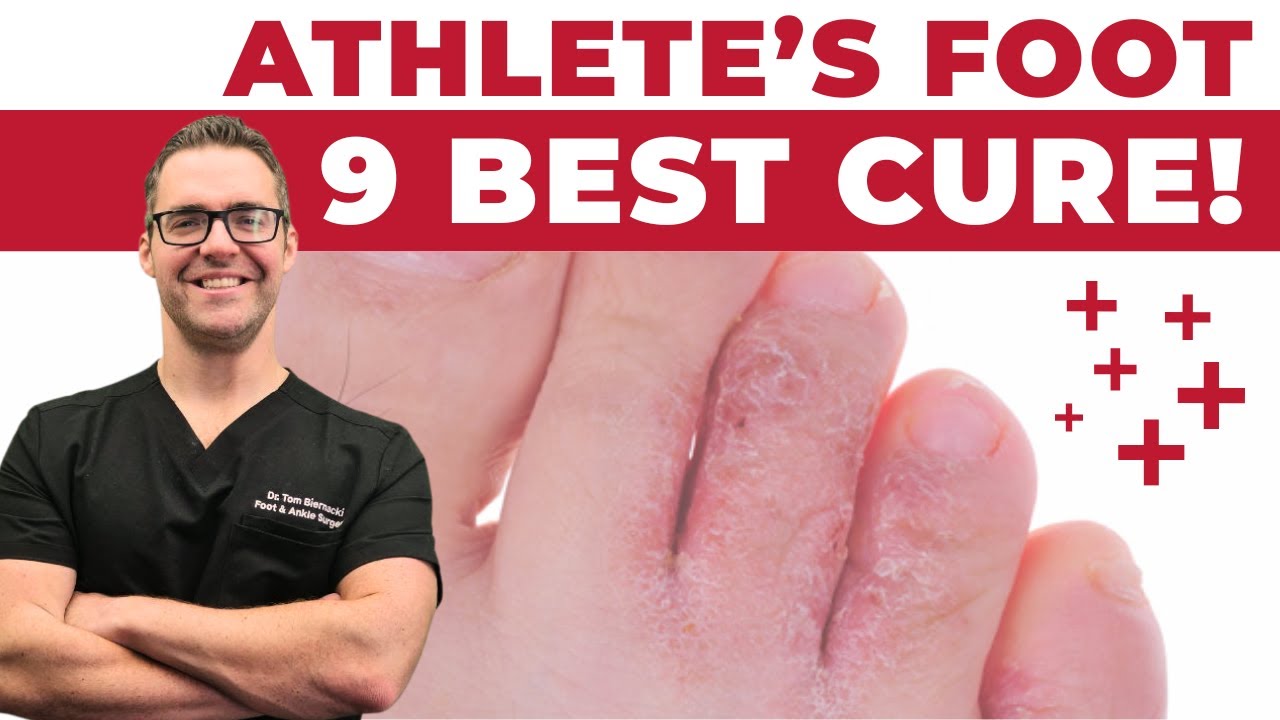
Foot odor and excessive sweating (plantar hyperhidrosis) are more than just embarrassing social concerns — they can lead to fungal infections, maceration, and skin breakdown. While often dismissed as a hygiene issue, persistent foot odor and hyperhidrosis can have medical causes that respond well to treatment. At Balance Foot & Ankle in Southeast Michigan, Dr. Tom Biernacki takes these concerns seriously and offers evidence-based solutions.
Why Do Feet Smell?
The primary cause of foot odor is not sweat itself but bacterial activity. The feet contain more sweat glands per square inch than almost anywhere else on the body. When sweat accumulates in the warm, enclosed environment of shoes and socks, bacteria — particularly Brevibacterium linens and Staphylococcus epidermidis — metabolize the sweat and skin cells, producing isovaleric acid and other volatile compounds responsible for the characteristic odor. Fungal colonization (tinea pedis/athlete’s foot) adds an additional musty or cheese-like odor component and creates the macerated, itchy skin seen between toes.
What Is Plantar Hyperhidrosis?
Plantar hyperhidrosis is a medical condition characterized by sweating of the feet that exceeds what is necessary for normal thermoregulation. It often coexists with palmar hyperhidrosis (sweaty hands) and is largely mediated by overactive sympathetic nerve signals to the eccrine sweat glands. It tends to run in families and is not caused by anxiety alone, although emotional stress clearly exacerbates it. The condition can persist year-round and can cause shoes to deteriorate rapidly, socks to become saturated, and secondary fungal/bacterial infections to recur.
Treatment Options
First-line treatment begins with foot hygiene optimization: washing feet daily with antibacterial soap, drying thoroughly (especially between toes), rotating footwear to allow drying, and wearing moisture-wicking socks. Topical antiperspirants containing aluminum chloride hexahydrate applied to dry feet at night can significantly reduce sweat production. Over-the-counter antifungal powders help address concurrent tinea pedis.
For moderate-to-severe plantar hyperhidrosis, prescription-strength aluminum chloride (Drysol 20%) applied under occlusion is often effective. Iontophoresis — passing a mild electrical current through water into the skin to temporarily block sweat gland function — is an excellent, FDA-approved option that can be performed at home with a device prescription. Botulinum toxin (Botox) injections into the plantar surface provide 6–9 months of near-complete anhidrosis per treatment session. For truly refractory cases, endoscopic thoracic sympathectomy is a surgical option but carries a risk of compensatory sweating elsewhere on the body.
Addressing Fungal Infection
When tinea pedis is contributing to odor and maceration, prescription antifungal treatment is more reliable than OTC creams. Oral terbinafine or fluconazole for 2–4 weeks, combined with topical therapy and shoe decontamination (antifungal spray or UV sanitizer), effectively clears the infection and reduces bacterial load. Recurrence prevention is addressed through hygiene strategies and footwear recommendations.
More Podiatrist-Recommended Foot Health Essentials
Hoka Clifton 10


Max-cushion everyday shoe — podiatrist favorite for walking and running.

OOFOS Recovery Slide

Impact-absorbing recovery sandal — wear after long days on your feet.
As an Amazon Associate, Balance Foot & Ankle earns from qualifying purchases. Product recommendations are based on clinical experience; prices and availability shown above update live from Amazon.
When to See a Podiatrist
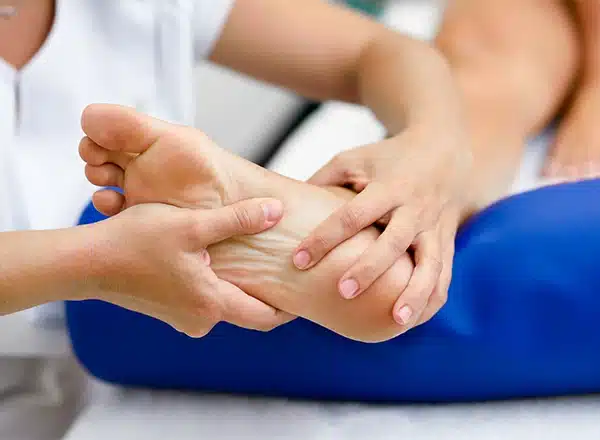
If foot or ankle pain has been bothering you for more than a few weeks, home care alone may not be enough. Balance Foot & Ankle offers same-week appointments at our Howell and Bloomfield Hills clinics — no referral needed in most cases. Bring your current shoes and a short list of symptoms and we’ll build you a treatment plan in one visit.
Call Balance Foot & Ankle: (810) 206-1402 · Book online · Offices in Howell & Bloomfield Hills
Frequently Asked Questions
Is foot odor a medical problem?
Persistent, severe foot odor often has a medical component — fungal infection (tinea pedis), plantar hyperhidrosis, or bacterial overgrowth — that responds better to prescription treatment than hygiene measures alone. A podiatrist can culture the affected skin and recommend targeted therapy.
Does Botox work for sweaty feet?
Yes. Botulinum toxin injections into the plantar surface temporarily block the nerve signals that stimulate sweat glands. One treatment typically provides 6–9 months of dramatically reduced sweating. The procedure is done in-office, though the plantar surface is more sensitive than the palms; a topical anesthetic or nerve block is often used.
What is iontophoresis for feet?
Iontophoresis involves placing the feet in shallow trays of tap water through which a gentle electrical current passes. Sessions last 20–30 minutes and are repeated several times per week initially, then as needed for maintenance. It is FDA-approved for hyperhidrosis, has no significant side effects, and home devices are available by prescription.
Can diet affect foot odor?
Yes. Foods high in sulfur compounds — garlic, onions, cruciferous vegetables — can produce sweat with stronger odors as these compounds are excreted through the skin. Alcohol consumption increases overall sweating. A balanced diet with adequate hydration reduces sweat concentration and bacterial substrate.
📧 Get Dr. Tom’s Free Lab Test Guide
Discover the 5 lab tests every person over 35 should ask their doctor about — explained in plain English by a board-certified physician.
You don’t have to live with embarrassing foot odor or soaked socks. Contact Balance Foot & Ankle to discuss effective treatment options with Dr. Biernacki in Southeast Michigan.
Join 950,000+ Learning About Foot Health
Dr. Tom shares honest medical advice, supplement reviews, and treatment guides you won’t find anywhere else.
Subscribe on YouTube →📍 Located in Michigan?
Our board-certified podiatrists treat this condition at two convenient locations. Same-day appointments often available.
Medically Reviewed by: Dr. Tom Biernacki, DPM — Board-Certified Podiatrist, Balance Foot & Ankle Specialists

Insurance Accepted
BCBS · Medicare · Aetna · Cigna · United Healthcare · HAP · Priority Health · Humana · View All →
Howell Office
4330 E Grand River Ave
Howell, MI 48843
Get Directions →
Bloomfield Hills Office
43494 Woodward Ave, #208
Bloomfield Hills, MI 48302
Get Directions →
Your Board-Certified Podiatrists



Ready to Get Back on Your Feet?
Same-week appointments available at both locations.
Book Your AppointmentPros & Cons of Conservative Care for foot care
Advantages
- ✓ Conservative care first
- ✓ Same-week appointments
- ✓ Multiple insurance accepted
Considerations
- ✗ Self-treatment can mask issues
- ✗ See a podiatrist if pain >2 weeks
Dr. Tom’s Recommended Products for foot care
Affiliate disclosure: As an Amazon Associate, Balance Foot & Ankle earns from qualifying purchases. We only recommend products we use with patients.
Footnanny Heel Cream Dr. Tom’s Pick
Best for: Daily moisturizer for cracked heels
Ready to Get Back on Your Feet?
Same-day appointments in Howell + Bloomfield Hills. Most insurance accepted. Dr. Tom Biernacki, DPM & team.
Book Today — Same-Day Appointments Available
Call Now: (810) 206-1402
About Your Care Team at Balance Foot & Ankle
Dr. Tom Biernacki, DPM · Board-Certified Foot & Ankle Surgeon. Specializes in conservative-first care, minimally invasive bunion surgery, and complex reconstruction.
Dr. Carl Jay, DPM · Accepting new patients. Specializes in sports medicine, athletic injuries, and routine podiatric care.
Dr. Daria Gutkin, DPM, AACFAS · Accepting new patients. Specializes in surgical reconstruction and pediatric podiatry.
Locations: 4330 E Grand River Ave, Howell, MI 48843 · 43494 Woodward Ave Suite 208, Bloomfield Hills, MI 48302
Hours: Mon–Fri 8:00 AM – 5:00 PM · (810) 206-1402
Visit Balance Foot & Ankle — Same-Day Appointments Available
Our podiatry team serves patients throughout Michigan including Howell, Brighton, and Bloomfield Hills. If you’re dealing with heel pain, ingrown toenails, or a foot injury, we have same-day appointment availability.
Same-day appointments available. (810) 206-1402
Doctor Hoy’s Natural Pain Relief Gel
Natural topical pain relief I use in our clinic. Arnica + camphor formula — apply directly to the area 3–4x daily. ($20–25)
Shop Doctor Hoy’s →Frequently Asked Questions
How long does treatment take to work?
Most patients see improvement in 4-8 weeks with consistent conservative care. Persistent symptoms after 8 weeks need imaging and escalation.
When is surgery needed?
Surgery is reserved for cases that fail 3-6 months of conservative care, structural deformities, or fractures requiring stabilization.
Is this covered by insurance?
Most diagnostic visits and conservative treatments are covered by Medicare and major insurers. Custom orthotics often require diabetic or post-surgical justification.
Our podiatrists treat the underlying cause, not just the symptom. Same-week appointments at our Howell and Bloomfield Hills, Michigan offices.
Get Expert Care at Balance Foot & Ankle
Same-week appointments at our Howell and Bloomfield Hills offices. Board-certified podiatric surgeons. Most insurance accepted.
Ready for Expert Care?
Same-day appointments in Howell & Bloomfield Hills, MI.
4.9★ | 1,123 Reviews | 3,000+ Surgeries
Or call: (810) 206-1402

Dr. Tom Biernacki, DPM is a board-certified foot & ankle surgeon (ABFAS & ABPM) at Balance Foot & Ankle Specialists in Southeast Michigan. With over a decade of clinical experience, he specializes in heel pain, bunions, diabetic foot care, sports injuries, and minimally invasive surgery. Dr. Biernacki is a member of the APMA and ACFAS, and his patient education content on MichiganFootDoctors.com and YouTube has made him one of the most-followed foot & ankle educators on YouTube.