

Medically reviewed by Dr. Tom Biernacki, DPM · Board-Certified Podiatric Surgeon · Last reviewed: April 2026 · Editorial Policy
The most important clinical decision with Foot Pain After Long Walk Michigan isn’t which treatment to start with — it’s identifying the correct subtype. That changes everything. Call (810) 206-1402.
Quick Answer
Foot Pain After Long Walk or Hike Michigan Podiatrist relates to foot pain — typically caused by overuse, footwear, or biomechanics. Most patients improve in 6-12 weeks with conservative care. Same-week appointments in Howell + Bloomfield Hills: (810) 206-1402.

Quick Answer
Most foot and ankle problems respond to conservative care — proper footwear, supportive inserts, activity modification, and targeted stretching — within 4-8 weeks. Persistent pain beyond that window, or any symptom that prevents walking, warrants a podiatric evaluation to rule out fracture, tendon tear, or systemic cause.
Medically reviewed by Dr. Tom Biernacki, DPM — Board-Certified Podiatric Surgeon — Balance Foot & Ankle, Howell & Bloomfield Hills, MI. Last updated April 2026.
Watch: Dr. Tom Biernacki, DPM
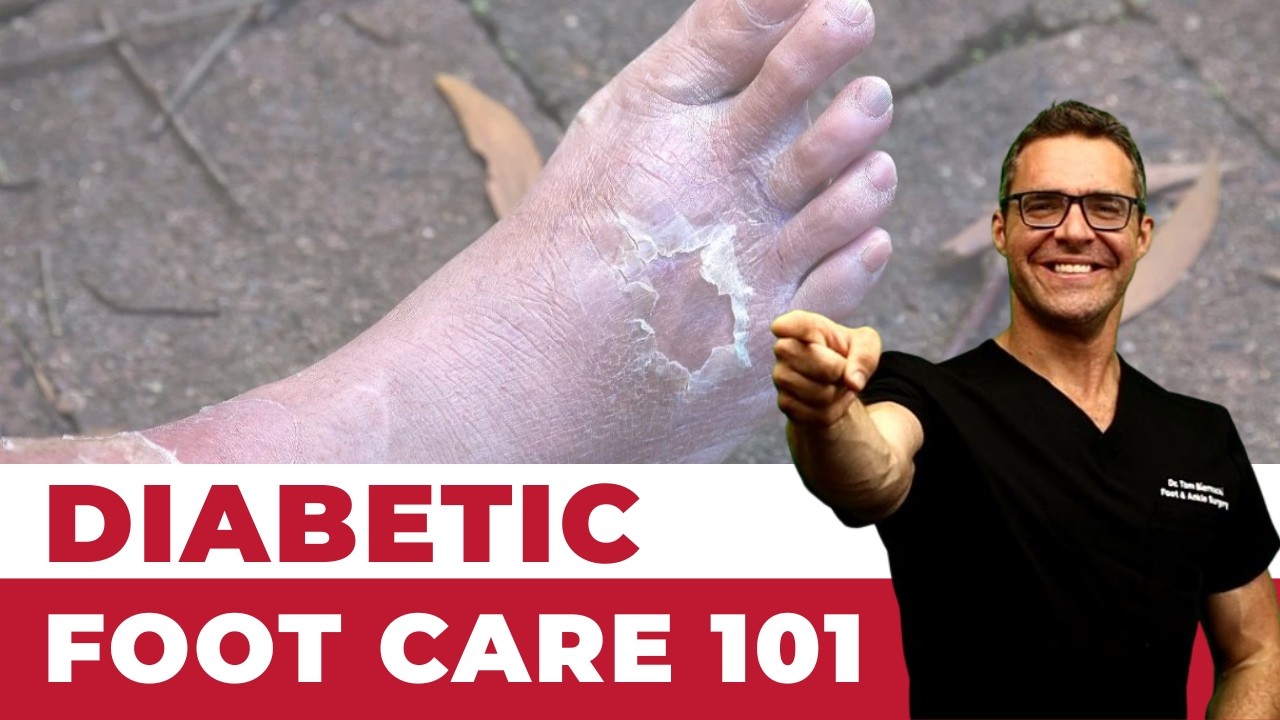
Foot pain that develops or worsens after long walking or hiking is one of the most common complaints in an active population — especially as Michiganders ramp up outdoor activity in spring and summer. Whether you’re walking the Riverwalk, hiking Sleeping Bear Dunes, or simply doing more steps for your health, foot pain after walking deserves proper evaluation. At Balance Foot & Ankle, Dr. Tom Biernacki diagnoses and treats all causes of activity-related foot pain in Michigan.
Why Does My Foot Hurt After Walking?
Plantar fasciitis — The most common cause. The plantar fascia is under stress with every step. When you significantly increase your walking distance — or walk on hard surfaces without adequate support — the fascia becomes inflamed. Pain is worst at the heel, typically after a long walk or with the first steps following rest. Custom orthotics and stretching are the primary treatments.
Metatarsal stress fracture — Dramatically increasing your walking distance (a common mistake in new exercisers or returning walkers) can cause a hairline fracture in one of the metatarsal bones. Pain is localized to one metatarsal, worsens progressively through a walk, and may be accompanied by visible bruising. X-ray may be initially normal — MRI is often needed for early diagnosis. Treatment: protected weight-bearing for 4–8 weeks.
Morton’s neuroma — Burning, tingling, or shooting pain in the ball of the foot after long walking in narrow shoes is the classic Morton’s neuroma presentation. Walking compresses the nerve repeatedly; symptoms build through the walk and may require removal of shoes for relief.
Posterior tibial tendinitis — Inner ankle and arch pain that builds after prolonged walking or standing, especially in people who overpronate. The posterior tibial tendon is the key arch support structure — overuse causes tendinitis that progressively worsens without treatment. Custom orthotics and relative rest are essential.
Blisters and friction injuries — Acute post-walk foot pain can be simply from friction — blisters from new shoes or inadequate socks. Prevention: break in new shoes gradually; wear moisture-wicking socks; use blister prevention balm on known friction areas. For recurrent blisters in the same location, an orthotics or footwear modification addresses the underlying pressure point.
Insufficient footwear — Walking in flat, unsupportive footwear (flip-flops, casual canvas shoes, ballet flats) on long walks overloads the plantar fascia, metatarsals, and ankles. Upgrading to properly supportive walking shoes with cushioning and arch support resolves many cases of post-walk foot pain without any additional treatment.
Prevention Tips for Michigan Walkers
Increase walking distance gradually (no more than 10% increase per week for new walkers); wear walking shoes designed for the activity (not running shoes for hiking, not fashion sneakers for long distances); use moisture-wicking socks; consider custom orthotics for biomechanical predispositions; stretch calves and plantar fascia before and after walks; vary surfaces when possible (grass, packed dirt paths cause less impact than concrete).
Michigan Walking Injury Evaluation
If foot pain after walking has persisted for more than 2 weeks and doesn’t improve with rest, call Balance Foot & Ankle at (734) 479-6200 for a same-week evaluation. Don’t let a minor injury become a chronic problem from continued walking through pain.
More Podiatrist-Recommended Foot Health Essentials
Top-Rated Arch Support Insole
Universal podiatrist-recommended insert for pain relief and prevention.
Foot Massage Ball
Daily 3-minute roll reduces most forms of foot and heel pain.
Moisture-Wicking Sock
Prevents fungus, blisters, and odor — the basics matter.
As an Amazon Associate, Balance Foot & Ankle earns from qualifying purchases. Product recommendations are based on clinical experience; prices and availability shown above update live from Amazon.


When to See a Podiatrist
If foot or ankle pain has been bothering you for more than a few weeks, home care alone may not be enough. Balance Foot & Ankle offers same-week appointments at our Howell and Bloomfield Hills clinics — no referral needed in most cases. Bring your current shoes and a short list of symptoms and we’ll build you a treatment plan in one visit.
Call Balance Foot & Ankle: (810) 206-1402 · Book online · Offices in Howell & Bloomfield Hills
Frequently Asked Questions
Is it normal for feet to hurt after long walks?
Mild muscle fatigue after an unusually long walk is normal. Pain that is sharp, localized to a specific area, accompanied by swelling or bruising, or that persists beyond 24 hours after a walk is not normal and warrants evaluation. Recurring pain with the same activity level is a sign of an underlying biomechanical problem (inappropriate footwear, inadequate support, a structural issue) that should be addressed.
What are the best shoes for long walks in Michigan?
For long walks on pavement or mixed surfaces: walking shoes or trail running shoes with adequate arch support, cushioned midsole, and firm heel counter. Recommended brands include Brooks, New Balance, ASICS, Saucony, and Hoka. Avoid flat-soled casual shoes, sandals without arch support, and shoes with worn-down midsoles. If you have a specific foot condition, Dr. Biernacki provides personalized footwear recommendations at your evaluation.
Should I walk through foot pain or rest?
Rest is generally appropriate when pain is significant, localized, worsening through activity, or accompanied by swelling. Brief (15–20 minute) walks in supportive shoes are acceptable during recovery from most foot conditions. Sustained high-mileage walking through foot pain commonly converts a mild injury into a serious one. If you’re unsure, a podiatric evaluation gives you a definitive answer about how much activity is safe during recovery.
Dr. Tom’s Recommended Insoles
📍 Located in Michigan?
Our board-certified podiatrists treat this condition at two convenient locations. Same-day appointments often available.
PowerStep is the brand I prescribe most — medical-grade OTC support without the custom orthotic price tag.
- PowerStep Pinnacle Insoles — The OTC orthotic I recommend most — medical-grade arch support at a fraction of custom orthotic cost. Works in most shoes.
- PowerStep Maxx Insoles — For severe arch pain or flat feet — maximum correction and support when Pinnacle isn’t enough.
📧 Get Dr. Tom’s Free Lab Test Guide
Discover the 5 lab tests every person over 35 should ask their doctor about — explained in plain English by a board-certified physician.
Affiliate disclosure: As an Amazon Associate, Balance Foot & Ankle earns from qualifying purchases. We only recommend products we trust for our own patients.
Join 950,000+ Learning About Foot Health
Dr. Tom shares honest medical advice, supplement reviews, and treatment guides you won’t find anywhere else.
Subscribe on YouTube →Blister-Prevention Socks and Products
- Darn Tough Merino Wool Socks — Lifetime Guarantee
- Balega Hidden Comfort — Ultra-Padded Running Socks
- Body Glide Anti-Blister Balm — Friction Prevention
Amazon affiliate links — we may earn a small commission at no extra cost to you.
Medically Reviewed by: Dr. Tom Biernacki, DPM — Board-Certified Podiatrist, Balance Foot & Ankle Specialists

👟 Dr. Tom Also Recommends
Podiatrist Recommended Shoes 2026: Dr. Tom’s Top Picks for Every Condition
The right footwear can make or break your recovery. Dr. Tom’s complete guide to the best shoes for plantar fasciitis, flat feet, neuropathy, bunions & more — with clinical picks for every foot type.
See Dr. Tom’s Top Shoe Picks →Insurance Accepted
BCBS · Medicare · Aetna · Cigna · United Healthcare · HAP · Priority Health · Humana · View All →
Howell Office
4330 E Grand River Ave
Howell, MI 48843
Get Directions →
Bloomfield Hills Office
43494 Woodward Ave, #208
Bloomfield Hills, MI 48302
Get Directions →
Your Board-Certified Podiatrists



Ready to Get Back on Your Feet?
Same-week appointments available at both locations.
Book Your AppointmentMost Common Mistake We See
The most common mistake we see is: Waiting too long before seeking care. Fix: any foot pain lasting more than 4 weeks, or any sudden severe symptom, deserves a professional evaluation rather than more rest.
Warning Signs That Need Same-Day Care
Seek immediate evaluation at Balance Foot & Ankle if you experience any of the following:
- Unable to bear weight
- Severe swelling with skin colour change
- Fever with foot pain (possible infection)
- Diabetes plus any new foot symptom
Call (810) 206-1402 — same-day and next-day appointments at our Howell and Bloomfield Hills offices.
Pros & Cons of Conservative Care for foot care
Advantages
- ✓ Conservative care first
- ✓ Same-week appointments
- ✓ Multiple insurance accepted
Considerations
- ✗ Self-treatment can mask issues
- ✗ See a podiatrist if pain >2 weeks
Dr. Tom’s Recommended Products for foot care
Affiliate disclosure: As an Amazon Associate, Balance Foot & Ankle earns from qualifying purchases. We only recommend products we use with patients.
Footnanny Heel Cream Dr. Tom’s Pick
Best for: Daily moisturizer for cracked heels
Ready to Get Back on Your Feet?
Same-day appointments in Howell + Bloomfield Hills. Most insurance accepted. Dr. Tom Biernacki, DPM & team.
Book Today — Same-Day Appointments Available
Call Now: (810) 206-1402
About Your Care Team at Balance Foot & Ankle
Dr. Tom Biernacki, DPM · Board-Certified Foot & Ankle Surgeon. Specializes in conservative-first care, minimally invasive bunion surgery, and complex reconstruction.
Dr. Carl Jay, DPM · Accepting new patients. Specializes in sports medicine, athletic injuries, and routine podiatric care.
Dr. Daria Gutkin, DPM, AACFAS · Accepting new patients. Specializes in surgical reconstruction and pediatric podiatry.
Locations: 4330 E Grand River Ave, Howell, MI 48843 · 43494 Woodward Ave Suite 208, Bloomfield Hills, MI 48302
Hours: Mon–Fri 8:00 AM – 5:00 PM · (810) 206-1402
In-Office Treatment at Balance Foot & Ankle
If home treatment isn’t providing relief for your foot pain, our podiatry team at Balance Foot & Ankle can help with same-day evaluations and advanced in-office care.
Same-day appointments available. (810) 206-1402
Doctor Hoy’s Natural Pain Relief Gel
Natural topical pain relief I use in our clinic. Arnica + camphor formula — apply directly to the area 3–4x daily. ($20–25)
Shop Doctor Hoy’s →Frequently Asked Questions
When should I see a doctor?
See a podiatrist if pain persists past 2 weeks, prevents normal activity, or is accompanied by red-flag symptoms (warmth, swelling, numbness, inability to bear weight).
Can I treat this at home?
Mild cases respond to RICE protocol (rest, ice, compression, elevation), supportive shoes, and OTC anti-inflammatories. Persistent symptoms need professional evaluation.
How long does it take to heal?
Most soft tissue injuries resolve in 2-6 weeks with appropriate care. Bone injuries take 6-12 weeks. Chronic conditions need longer-term management.
Our podiatrists treat the underlying cause, not just the symptom. Same-week appointments at our Howell and Bloomfield Hills, Michigan offices.
Ready for Expert Care?
Same-day appointments in Howell & Bloomfield Hills, MI.
4.9★ | 1,123 Reviews | 3,000+ Surgeries
Or call: (810) 206-1402

Dr. Tom Biernacki, DPM is a board-certified foot & ankle surgeon (ABFAS & ABPM) at Balance Foot & Ankle Specialists in Southeast Michigan. With over a decade of clinical experience, he specializes in heel pain, bunions, diabetic foot care, sports injuries, and minimally invasive surgery. Dr. Biernacki is a member of the APMA and ACFAS, and his patient education content on MichiganFootDoctors.com and YouTube has made him one of the most-followed foot & ankle educators on YouTube.