
Medically reviewed by Dr. Tom Biernacki, DPM
Board-certified podiatric surgeon | Balance Foot & Ankle, Howell & Bloomfield Township, MI
Last reviewed: May 2026
| Pain Pattern | Most Likely Cause | Why Mall Walking Triggers It | Quick Fix |
|---|---|---|---|
| Heel pain after first 20–30 min; worsens through mall | Plantar fasciitis | Hard tile floors + inadequate arch support in fashion shoes; prolonged loading | Arch support insole; cushioned shoe; stretch at mid-point |
| Ball of foot burning under 2nd–4th metatarsals | Metatarsalgia; Morton’s neuroma | Tile floor concentrates metatarsal head pressure; narrow fashion shoe compresses forefoot | Metatarsal pad insole; wider shoe; take breaks seated |
| Arch cramping/aching mid-walk | Flat foot / arch fatigue | Unsupported arch fatigues under prolonged loading on flat hard surface | OTC arch support; limit walk to 30 min blocks with seated rest |
| Ankle pain / swelling end of mall trip | Venous pooling; prior ankle injury | Hard floors + prolonged walking = lower extremity venous pooling | Compression socks; elevation after; ankle brace for prior sprains |
| Toe pain in all toes; tight cramped feel | Hallux rigidus; hammer toes; neuroma | Narrow or pointed-toe fashion shoes concentrate pressure on toe joints | Wide toe-box walking shoe; toe spacers |
| Mall Walking Strategy | Benefit | How To |
|---|---|---|
| Wear dedicated walking shoes (not fashion shoes) | Eliminates the #1 cause of mall foot pain | Change into supportive sneaker or walking shoe on arrival; carry fashion shoes |
| Add arch support insole to any shoe | Reduces plantar fascia and arch load by 30–40% | Superfeet or Powerstep OTC insole; slip into walking shoes or boots |
| Take seated breaks every 30–45 min | Allows plantar fascia and metatarsal tissues to decompress | Sit with feet elevated on opposite chair; removes static loading |
| Stretch mid-mall trip | Reduces progressive plantar fascia tightening | Seated: pull toes back for 30 sec; then calf stretch against a wall |
| Wear compression socks under slacks/jeans | Prevents ankle swelling; reduces leg fatigue; invisible under clothes | 15–20mmHg light compression; knee-high; put on before leaving home |
| Ice upon returning home | Reverses inflammation before it peaks | Frozen water bottle under arch 15 min; or ice pack on heel |
Quick answer: Foot Pain After Walking Mall has multiple potential causes including mechanical, neurological, vascular, and inflammatory. The most common causes we identify are overuse, ill-fitting shoes, and biomechanical imbalance. Red flags requiring urgent evaluation: warmth/redness (infection), inability to bear weight (fracture), and unilateral swelling without injury (DVT). Call (810) 206-1402.
Medically Reviewed | Dr. Tom Biernacki, DPM | Board-Certified Podiatrist | Balance Foot & Ankle, Michigan

Watch: How to Cure Plantar Fasciitis in One Week? [FAST Heel Pain Relief!] — MichiganFootDoctors YouTube
Foot Pain After Walking Long Distances: Quick Answer
Foot pain after long walks (mall walking, vacation walking, hiking) affects 50-70% of adults. While some discomfort is normal, persistent pain signals issues needing attention. We help thousands of patients yearly at Balance Foot and Ankle with walking-related foot pain. Here is the comprehensive guide.
Normal vs Concerning Post-Walk Foot Pain
Normal: Mild fatigue/soreness within 24 hours; resolves with rest, ice, elevation; no sharp localized pain; no persistent issues. Concerning: Severe pain not improving with rest; localized pinpoint tenderness; pain persists 2+ weeks; significant swelling; numbness or color changes; recurring same-area pain; cant bear weight comfortably.
Most Common Causes
1. Plantar fasciitis: Heel pain especially with first morning steps after walking day. 2. Metatarsalgia: Ball of foot pain from prolonged standing/walking. 3. Achilles tendinitis: Back of heel pain especially day after walking. 4. Bunion / Hammertoe pain: Pre-existing deformities aggravated. 5. Mortons neuroma: Burning between toes. 6. Stress fracture: Localized pinpoint pain after sudden activity increase.
Less Common but Important Causes
1. Posterior tibial tendinopathy: Inside ankle/arch pain. 2. Peroneal tendinitis: Outer ankle pain. 3. Sesamoiditis: Pain under big toe joint. 4. Cuboid syndrome: Outer midfoot pain. 5. Hallux limitus aggravation: Big toe joint pain with push-off. 6. Tarsal tunnel syndrome: Burning/tingling in arch and toes.
Immediate Relief Strategies
Within 24 hours of long walk: 1. Elevation: feet above heart level 20+ minutes multiple times. 2. Ice: 15-20 minutes 3-4 times. 3. Compression socks: 15-20 mmHg if available. 4. Foot massage: spiky ball or frozen water bottle under arch 5-10 minutes. 5. Gentle stretching: calf stretches, plantar fascia stretch. 6. NSAIDs: ibuprofen or naproxen with food short-term. 7. Hydration and rest.
Footwear Solutions
For long walks (mall walking, vacation, hiking): 1. Maximum cushioning: Hoka Bondi 8, Brooks Glycerin 21, Asics Gel-Nimbus 26. 2. Stability if overpronator: Brooks Adrenaline, Asics GT-2000. 3. Wide widths: New Balance 1080 (4E), Brooks Beast (4E). 4. Custom orthotics: address biomechanical issues. 5. Replace shoes: every 300-500 miles for serious walkers; check before vacation/big trips. 6. NEVER wear new shoes on long walking day; break in 4-6 weeks first.
Pre-Walk Preparation
For mall walking, vacation walking, hiking: 1. Pre-walk stretching: 5-10 minutes calf and plantar fascia stretches. 2. Proper footwear: broken-in supportive shoes; appropriate for terrain. 3. Custom orthotics if you have them. 4. Hydration: start hydrated. 5. Pace yourself: gradual buildup; avoid sudden long walks if not conditioned. 6. Plan breaks: sit and elevate feet for 5-10 minutes every 1-2 hours. 7. Vary terrain when possible (different muscle activation).
When to See a Podiatrist
See us if: pain persists 2+ weeks despite rest and proper shoes; recurring same-area pain after walks; localized pinpoint tenderness on bone (rule out stress fracture); severe pain limiting activities; visible deformity development; pre-vacation evaluation if you have foot conditions. In-office gait analysis can identify mechanical contributors. Same-week appointments at Balance Foot and Ankle.
Hiking-Specific Considerations
Hiking adds: Uneven terrain stresses ankles; downhill loads forefoot heavily; pack weight increases foot loading; trail conditions vary. Special hiking precautions: Quality hiking boots/shoes appropriate for terrain; supportive boots for ankle stability; hiking poles reduce foot loading 20-30%; appropriate sock layering; foot care kit for blister management. Pre-hiking conditioning: gradual buildup to longer hikes; foot strengthening exercises.
Vacation Walking Pre-Trip Strategy
1. Foot evaluation 4-8 weeks before vacation if you have foot conditions. 2. Break in any new shoes at least 4-6 weeks before trip. 3. Pack supportive backup shoes. 4. Plan breaks in walking-heavy itineraries. 5. Have foot care supplies: blister bandages (Compeed); pain relievers; foot cream. 6. Address pre-existing conditions: avoid letting plantar fasciitis or other issues flare during trip. Schedule pre-vacation foot evaluation.
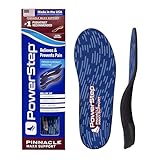
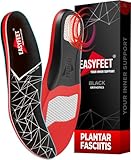
Podiatrist-Recommended Products


Frequently Asked Questions About Foot Pain After Walking Long Distances
Why do my feet hurt after walking all day?
Most common: plantar fasciitis, metatarsalgia, Achilles tendinitis, bunion/hammertoe aggravation, Mortons neuroma. Less common but serious: stress fracture, posterior tibial tendinopathy.
How do I prevent foot pain when walking long distances?
Maximum cushioning shoes (Hoka, Brooks, Asics); custom orthotics if biomechanical issues; pre-walk stretching; gradual buildup; hydration; planned breaks; broken-in shoes.
What shoes are best for all-day walking?
Hoka Bondi 8 (maximum cushion); Brooks Glycerin 21 (plush); Asics Gel-Nimbus 26 (gel cushion); Vionic Walker (stylish with support). Always with proper insoles and broken-in fit.
When should I see a doctor for foot pain after walking?
See podiatrist if pain persists 2+ weeks despite rest, recurring same-area pain, localized pinpoint pain on bone (stress fracture concern), severe pain limiting activities.
Should I take ibuprofen for sore feet after walking?
Yes short-term (with food) for inflammation. Limit to 1-2 weeks at a time. Avoid if kidney disease, GI ulcers, blood thinners. Topical NSAIDs (diclofenac gel) safer for elderly.
How do I prepare for vacation walking?
Foot evaluation 4-8 weeks before trip if you have conditions; break in new shoes 4-6 weeks; pack supportive backup shoes; plan walking breaks; foot care kit; hydration.
Can I avoid foot pain during hiking?
Yes with: quality hiking footwear; ankle stability; hiking poles (20-30% foot load reduction); pre-hiking conditioning; appropriate pace and breaks; foot strengthening exercises pre-trip.
Related Resources from Balance Foot & Ankle
Still Dealing With Foot Pain After Walking Long Distances?
Same-week appointments at Balance Foot & Ankle in Howell & Bloomfield Township, MI.
Book Your Appointment⚕ Doctor Recommended
Doctor Hoy’s Natural Pain ReliefTopical relief for foot & ankle pain
View Product →⚠️ Most Common Mistake: Ignoring persistent foot pain and continuing normal activity without evaluation. Early podiatric care prevents minor foot issues from becoming chronic, difficult-to-treat conditions.
Frequently Asked Questions
In-Office Treatment at Balance Foot & Ankle
If home treatment isn’t providing relief for your foot or ankle pain, our podiatry team at Balance Foot & Ankle can help with same-week evaluations and advanced in-office care.
Same-week appointments available. (810) 206-1402
🏥 Recommended by Dr. Biernacki — Foundation Wellness Products
These are the same products Dr. Biernacki recommends to his patients at Balance Foot & Ankle in Michigan. Available through our trusted partners.
Ready to Get Relief?
Same-week appointments available in Howell & Bloomfield Township, MI
4.9★ | 1,123 Reviews | 3,000+ Surgeries
Or call: (810) 206-1402

Dr. Tom Biernacki, DPM is a board-certified foot & ankle surgeon (ABFAS & ABPM) at Balance Foot & Ankle Specialists in Southeast Michigan. With over a decade of clinical experience, he specializes in heel pain, bunions, diabetic foot care, sports injuries, and minimally invasive surgery. Dr. Biernacki is a member of the APMA and ACFAS, and his patient education content on MichiganFootDoctors.com and YouTube has made him one of the most-followed foot & ankle educators on YouTube.