
Medically reviewed by Dr. Tom Biernacki, DPM
Board-certified podiatric surgeon | Balance Foot & Ankle, Howell & Bloomfield Township, MI
Last reviewed: May 2026
| Jump Rope Style | Impacts per Minute | Foot Load | Risk Level |
|---|---|---|---|
| Basic single-under (slow) | 60–80 / min | Moderate | Low — suitable for beginners |
| Basic single-under (fast) | 100–130 / min | High | Moderate — proper shoes essential |
| Double-under | 40–60 rotations = 80–120 impacts | Very High — higher jump + impact | High — metatarsal stress fracture risk |
| Weighted jump rope | 60–80 / min | Very High — added rope weight → harder landing | High |
| Speed rope (competition) | 200–300 / min | Extreme — elite sport level | Very High |
| Jump Rope Foot Injury | Cause | Prevention | Treatment |
|---|---|---|---|
| Metatarsal Stress Fracture | Rapid volume increase, hard floor, thin shoes | 10% increase rule, cushioned shoe, rubber mat | Rest 6–8 weeks, podiatrist eval |
| Sesamoiditis | Forefoot impact on first MTP joint | Sesamoid pad, forefoot cushion insole | Offloading pad, reduce volume |
| Plantar Fasciitis | Forefoot-to-heel tension with each landing | Arch support, stretch post-session | Night splint, ice, reduce volume |
| Achilles Soreness | Repeated calf loading on landing | Calf stretch before and after | Ice, eccentric stretching |
| Ankle Sprain | Landing on edge of foot, rope catch | Land on ball of foot, not toes or heel edge | RICE protocol |
Jumping rope foot pain typically comes from the impact on a small contact patch repeated thousands of times — and the right shoe plus surface (mat over concrete) prevents most of it.
You’re in the right place. Dr. Tom Biernacki, DPM, FACFAS — board-certified foot & ankle surgeon with 3,000+ surgeries — explains exactly what foot pain from jumping rope means and what works. Call (810) 206-1402 for same-day appointment at Howell or Bloomfield Township.
Quick answer: Foot Pain From Jumping Rope has multiple potential causes including mechanical, neurological, vascular, and inflammatory. The most common causes we identify are overuse, ill-fitting shoes, and biomechanical imbalance. Red flags requiring urgent evaluation: warmth/redness (infection), inability to bear weight (fracture), and unilateral swelling without injury (DVT). Call (810) 206-1402.
Medically Reviewed | Dr. Tom Biernacki, DPM | Board-Certified Podiatrist | Balance Foot & Ankle, Michigan
![How to Cure Plantar Fasciitis in One Week? [FAST Heel Pain Relief!]](https://www.michiganfootdoctors.com/wp-content/cache/flying-press/b5600c3bfb9845a6095da8266d8b5363.jpg)
Watch: How to Cure Plantar Fasciitis in One Week? [FAST Heel Pain Relief!] — MichiganFootDoctors YouTube
The most important clinical decision with Foot Pain From Jumping Rope isn’t which treatment to start with — it’s identifying the correct subtype. That changes everything. Call (810) 206-1402.
Foot Pain From Jumping Rope: Quick Answer
Jumping rope is excellent cardio – but causes specific foot pain through repetitive impact. We help dozens of jump rope enthusiasts yearly at Balance Foot and Ankle. Here is the comprehensive jump rope foot pain guide.
Why Jumping Rope Causes Foot Pain
Jump rope demands: Repetitive forefoot landing (most common style); high frequency impact (often 100+ jumps per minute); cumulative impact over workout; sometimes inadequate footwear; sometimes hard surfaces (concrete, gym floor); sustained activity. Compared to running: More forefoot focused; less heel impact; higher repetition rate; specific structures stressed.
Most Common Jump Rope Foot Issues
1. Achilles tendinitis: Common from forefoot landing pattern. 2. Plantar fasciitis: From cumulative impact. 3. Sesamoiditis: Forefoot loading. 4. Stress fractures: Especially metatarsals; from high-volume jumping. 5. Calf cramps: Common in beginners. 6. Foot fatigue: Daily soreness. 7. Mortons neuroma irritation: Forefoot stress. 8. Heel pain: Less common (forefoot landing) but possible. 9. Ankle sprains: Sometimes from missed jumps. 10. Toe injuries: From rope contact.
Best Surface for Jumping Rope
Surface considerations: Hard surfaces (concrete) most damaging; wood floors better; rubber mats best; sometimes outdoor on track surface. Recommendations: Use rubber jump rope mat ($30-50); avoid concrete when possible; gym wood floors acceptable; outdoor packed dirt or grass also options. For chronic jumping: Surface choice matters significantly.
Best Shoes for Jumping Rope
Recommendations: Cross-trainers or quality athletic shoes with cushion; not minimalist; not too thick; balanced cushion and stability. Top picks: Nike Metcon (popular for jump rope); Reebok Nano; cross-training shoes; running shoes adequate. Not ideal: Pure running shoes (heel cushion not used much); minimalist shoes (insufficient cushion); old worn-out shoes; basketball shoes (too heavy).
Achilles Tendinitis from Jumping Rope
Jump rope Achilles issues: Common. Why: Repetitive forefoot landing; sustained calf contraction; high cumulative load. Symptoms: Achilles pain (back of ankle); morning stiffness; pain with calf use. Prevention: Adequate warm-up; gradual progression; alternate jump rope with other cardio; calf stretching; address Achilles issues before they become chronic. If developing: stop jump rope temporarily.
Stress Fracture Risk
Jump rope stress fractures: Risk with high-volume jumping. Common locations: Metatarsals (especially 2nd, 3rd); navicular (less common but serious). Risk factors: Sudden volume increase; hard surfaces; inadequate footwear; nutritional deficiencies; female athletes (REDS); previous injuries. Warning signs: Localized pinpoint pain; pain progressing with activity. Same-week evaluation: dont jump through.
Programming for Jump Rope
Beginner approach: Start with 1-3 minutes; gradually increase; 3-4 sessions per week initially; build up gradually. Pain prevention: Quality footwear; appropriate surface; pre-jump warm-up; address pre-existing foot conditions; cross-train; rest days; listen to body. Advanced jumpers: Significant duration possible; varied workouts; address developing pain immediately.
Jump Rope Technique
Proper technique reduces foot stress: Land on forefoot/midfoot lightly; jump only 1-2 inches off ground (height not needed); relaxed body; quick light landings; consistent rhythm. Common technique errors: Jumping too high (excessive impact); landing flat-footed (heel pain); tight body (foot stress); inconsistent pace. Proper technique: Significantly reduces foot pain risk.
Cross-Training Considerations
For jump rope enthusiasts: Vary workouts. Strategies: Mix jump rope with running, cycling, swimming; include strength training; include flexibility work; take rest days. For boxing/MMA training: Often includes jump rope; address specific foot needs; quality footwear; recovery important.
When to See a Podiatrist
See us if: jump rope foot pain persists more than 1-2 weeks; suspected Achilles tendinitis; suspected stress fracture (localized pinpoint pain); recurring foot pain affecting jump rope workouts; need orthotic evaluation; chronic conditions affecting jump rope; pre-competition evaluation if competitive. Same-week appointments at Balance Foot and Ankle. Schedule online.
Podiatrist-Recommended Products


Frequently Asked Questions About Foot Pain From Jumping Rope
Why does jumping rope hurt my feet?
Repetitive forefoot landing (most common style); high frequency impact (often 100+ jumps per minute); cumulative impact over workout; sometimes inadequate footwear; sometimes hard surfaces. More forefoot focused than running; less heel impact; higher repetition rate.
What surface is best for jumping rope?
Rubber mats best; wood floors next; concrete most damaging. Use rubber jump rope mat ($30-50); avoid concrete when possible; gym wood floors acceptable; outdoor packed dirt or grass also options. Surface choice matters significantly for chronic jumpers.
What shoes are best for jumping rope?
Cross-trainers or quality athletic shoes with cushion; not minimalist; not too thick; balanced cushion and stability. Top picks: Nike Metcon (popular for jump rope); Reebok Nano; cross-training shoes; running shoes adequate. Avoid: minimalist, basketball shoes (too heavy).
Why does my Achilles hurt from jumping rope?
Common – repetitive forefoot landing causes Achilles issues. Why: repetitive forefoot landing; sustained calf contraction; high cumulative load. Prevention: adequate warm-up; gradual progression; alternate jump rope with other cardio; calf stretching.
Can jumping rope cause stress fractures?
YES with high-volume jumping. Common: metatarsals (especially 2nd, 3rd); navicular (less common but serious). Warning signs: localized pinpoint pain; pain progressing with activity. Same-week evaluation if suspected.
How do I jump rope without foot pain?
Quality footwear; appropriate surface (rubber mat); proper technique (forefoot landing, low jumps, relaxed); pre-jump warm-up; gradual progression; rest days; cross-train; address pre-existing conditions. Most jump rope foot pain preventable.
When should I see a podiatrist about jump rope foot pain?
Jump rope foot pain persists more than 1-2 weeks; suspected Achilles tendinitis; suspected stress fracture; recurring foot pain affecting jump rope workouts; need orthotic evaluation; chronic conditions affecting jump rope.
Related Resources from Balance Foot & Ankle
Still Dealing With Foot Pain From Jumping Rope?
Same-week appointments at Balance Foot & Ankle in Howell & Bloomfield Township, MI.
Book Your Appointment⚕ Doctor Recommended
Doctor Hoy’s Natural Pain ReliefTopical relief for foot & ankle pain
View Product →Frequently Asked Questions
Podiatrist-Recommended Products
These are the products Dr. Tom recommends most often in his clinic at Balance Foot & Ankle for lasting foot pain relief:
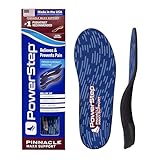
- PowerStep Pinnacle Arch Support Insoles — #1 clinic recommendation for arch support and heel pain relief
- Doctor Hoy’s Natural Pain Relief Gel — Fast-acting topical relief used and trusted by podiatrists
- CURREX RunPro Insoles — Dynamic arch profile for active patients and runners
As an Amazon Associate, Balance Foot & Ankle earns from qualifying purchases. These recommendations reflect genuine clinical use.
In-Office Treatment at Balance Foot & Ankle
If home treatment isn’t providing relief for your foot pain from jumping rope, our podiatry team at Balance Foot & Ankle can help with same-day evaluations and advanced in-office care.
APMA: Foot Pain Relief and Activity-Related Causes
Ready to Get Relief?
Same-day appointments available in Howell & Bloomfield Township, MI
4.9★ | 1,123 Reviews | 3,000+ Surgeries
Or call: (810) 206-1402

Dr. Tom Biernacki, DPM is a board-certified foot & ankle surgeon (ABFAS & ABPM) at Balance Foot & Ankle Specialists in Southeast Michigan. With over a decade of clinical experience, he specializes in heel pain, bunions, diabetic foot care, sports injuries, and minimally invasive surgery. Dr. Biernacki is a member of the APMA and ACFAS, and his patient education content on MichiganFootDoctors.com and YouTube has made him one of the most-followed foot & ankle educators on YouTube.