
Medically reviewed by Dr. Tom Biernacki, DPM
Board-certified podiatric surgeon | Balance Foot & Ankle, Howell & Bloomfield Township, MI
Last reviewed: May 2026

| Tough Mudder Obstacle | Foot Risk | Prevention |
|---|---|---|
| Arctic Enema / Ice Bath | Skin maceration, numbness, trench foot risk | Wool socks until obstacle, dry immediately after |
| Mud Mile | Shoe suction-loss, twisted ankle, deep blisters | Gaiter/gusseted tongue shoe, aggressive lugs |
| Everest (steep ramp) | Toe-jam impact, calf strain | Trim nails short, trail shoes with toe cap |
| Electroshock Therapy | Fall risk → ankle sprain | Stabilized footwear, stay low center of gravity |
| Water crossings | Repeated maceration, prolonged wet skin | Drainage shoes, vaseline between toes |
| Carry obstacles (log, sandbag) | Metatarsal stress, altered gait | Stable base, avoid walking on toes under load |
| Post–Tough Mudder Recovery | Action | Timeline |
|---|---|---|
| Immediate (0–2 hrs) | Remove shoes/socks, rinse feet, dry thoroughly, antifungal powder | Race finish |
| Blister treatment | Clean blister, hydrocolloid bandage, leave intact if small | Same day |
| Elevation + ice | Elevate feet above heart for 20 min, ice sore areas | Day 1–2 |
| Gentle movement | Short walks, calf stretching — avoid prolonged rest | Day 2–4 |
| Return to training | Light jogging on flat surfaces | Day 5–7 if no injury |
| See podiatrist | Any wound not healing, black toenail with severe pain, ankle swelling >72 hrs | Day 3 if concerns |
Tough Mudder courses are unforgiving on the feet — combining mud, water, impact, and rough terrain. Most foot pain after a Tough Mudder is fixable within 1-2 weeks with the right care.
You’re in the right place. Dr. Tom Biernacki, DPM, FACFAS — board-certified foot & ankle surgeon with 3,000+ surgeries — explains exactly what foot pain from Tough Mudder means and what works. Call (810) 206-1402 for same-day appointment at Howell or Bloomfield Township.
Quick answer: Foot Pain From Tough Mudder has multiple potential causes including mechanical, neurological, vascular, and inflammatory. The most common causes we identify are overuse, ill-fitting shoes, and biomechanical imbalance. Red flags requiring urgent evaluation: warmth/redness (infection), inability to bear weight (fracture), and unilateral swelling without injury (DVT). Call (810) 206-1402.
Medically Reviewed | Dr. Tom Biernacki, DPM | Board-Certified Podiatrist | Balance Foot & Ankle, Michigan
![How to Cure Plantar Fasciitis in One Week? [FAST Heel Pain Relief!]](https://www.michiganfootdoctors.com/wp-content/cache/flying-press/b5600c3bfb9845a6095da8266d8b5363.jpg)
Watch: How to Cure Plantar Fasciitis in One Week? [FAST Heel Pain Relief!] — MichiganFootDoctors YouTube
The most important clinical decision with Foot Pain From Tough Mudder isn’t which treatment to start with — it’s identifying the correct subtype. That changes everything. Call (810) 206-1402.
Foot Pain From Tough Mudder: Quick Answer
Tough Mudder events cause specific foot pain through mud, water, electric obstacles, and cumulative effort. We help dozens of mud run athletes yearly at Balance Foot and Ankle. Here is the comprehensive Tough Mudder foot pain guide.
Why Tough Mudder Causes Foot Pain
Tough Mudder demands: 5-10 mile course; 25+ obstacles; significant water and mud exposure; cold water sometimes; varied terrain; teamwork challenges; sometimes electric shock obstacles; cumulative effort; sometimes overdoing for first-timers. Different from Spartan: More mud-focused; less competitive timing; team event format.
Most Common Tough Mudder Foot Issues
1. Foot fatigue: Universal. 2. Skin maceration: From wet feet throughout. 3. Foot fungus: From wet conditions. 4. Cuts/abrasions: From obstacles. 5. Ankle sprains: From terrain and obstacles. 6. Plantar fasciitis flare: From cumulative effort. 7. Cold feet/hypothermia: Sometimes from cold water. 8. Foot bruising: From obstacles. 9. Sometimes serious injuries: From obstacle accidents. 10. Bacterial infections: Sometimes from contaminated water/mud.
Best Tough Mudder Footwear
Recommendations: Trail running shoes; aggressive grip; quick-draining; sometimes specific OCR shoes. Top picks: Salomon Speedcross; Inov-8 X-Talon; Brooks Cascadia; specific OCR shoes (Reebok All Terrain). Features: Excellent grip in mud; drain holes; rugged construction; some ankle support helpful.
Mud and Skin Issues
Mud exposure: Significant skin issues. Issues: Skin maceration; sometimes bacterial infections; sometimes parasitic concerns (rare); sometimes chemical irritation from water treatment. Solutions: Quality footwear; address feet immediately post-event; antibacterial cleanse; address minor injuries; tetanus current essential.
Water and Cold Considerations
Cold water obstacles: Sometimes hypothermia risk. Issues: Wet feet + cold = significant cold injury risk; sometimes cardiac concerns (Arctic Enema obstacle); affects performance. Solutions: Quality wool socks; adequate clothing; warm-up between obstacles; address cold quickly. For winter Tough Mudder: Especially careful.
Electric Obstacle Considerations
Electric obstacles (Electroshock Therapy): Tough Mudder signature. Foot effects: Sometimes falls during obstacle (sprains, etc.); rare cardiac events. Recommendations: Skip if any cardiac concerns; address falls promptly. Most participants: Brief discomfort but no lasting effects.
Custom Orthotics for Mud Runs
Orthotic considerations: Generally use during mud runs if you wear them; address foot mechanics. Considerations: Sometimes get wet/muddy; some athletes prefer without orthotics for mud sections; usually fine to use. For chronic foot pain: Often worth using.
Post-Event Foot Care
Post-Tough Mudder: Critical foot care. Steps: Wash thoroughly with antibacterial soap; address all cuts/scrapes; antibiotic ointment as needed; antifungal powder; foot inspection; address developing pain; tetanus current verification. For deep cuts: Sometimes need professional evaluation.
Pre-Existing Foot Conditions
Tough Mudder with foot conditions: Often complicated. Plantar fasciitis: Often flares; address conditions; quality shoes/orthotics. Diabetic foot: Special considerations – quality shoes; foot inspection critical post-event; address minor injuries immediately; sometimes consider not participating if neuropathy advanced. Achilles issues: Sometimes flare from terrain.
When to See a Podiatrist
See us if: chronic Tough Mudder foot pain; suspected stress fracture; suspected ankle sprain that wont heal; significant cuts/wounds from obstacles; signs of infection from event exposure; need orthotic evaluation; need pre-event evaluation; chronic conditions affecting OCR. Same-week appointments at Balance Foot and Ankle. Schedule online.
Podiatrist-Recommended Products


Frequently Asked Questions About Foot Pain From Tough Mudder
Why does Tough Mudder hurt my feet?
5-10 mile course; 25+ obstacles; significant water and mud exposure; cold water sometimes; varied terrain; teamwork challenges; sometimes electric shock obstacles; cumulative effort; sometimes overdoing for first-timers.
What shoes are best for Tough Mudder?
Trail running shoes; aggressive grip; quick-draining; sometimes specific OCR shoes. Top picks: Salomon Speedcross; Inov-8 X-Talon; Brooks Cascadia; specific OCR shoes (Reebok All Terrain). Excellent grip in mud; drain holes; rugged construction.
How do I prevent foot infection from Tough Mudder?
Wash thoroughly with antibacterial soap post-event; address all cuts/scrapes; antibiotic ointment as needed; antifungal powder; foot inspection; address developing pain; tetanus current essential. For deep cuts: professional evaluation.
Is Tough Mudder safe with foot pain?
CAN BE with modifications. Plantar fasciitis often flares; address conditions; quality shoes/orthotics. Diabetic foot: special considerations – quality shoes; immediate foot inspection critical post-event; sometimes consider not participating if neuropathy advanced.
What about cold water at Tough Mudder?
Sometimes hypothermia risk. Wet feet + cold = significant cold injury risk; sometimes cardiac concerns (Arctic Enema obstacle). Solutions: quality wool socks; adequate clothing; warm-up between obstacles; address cold quickly.
Should I skip the electric obstacle?
YES if any cardiac concerns. Most participants brief discomfort but no lasting effects. Sometimes falls during obstacle (sprains, etc.); rare cardiac events. Personal risk assessment important.
When should I see a podiatrist about Tough Mudder foot pain?
Chronic Tough Mudder foot pain; suspected stress fracture; suspected ankle sprain that wont heal; significant cuts/wounds from obstacles; signs of infection from event exposure; need orthotic evaluation; need pre-event evaluation.
Related Resources from Balance Foot & Ankle
- Foot Pain From Spartan Race
- Foot Pain From Trail Running
- Athletes Foot Treatment
- Ankle Sprain Treatment
Still Dealing With Foot Pain From Tough Mudder?
Same-week appointments at Balance Foot & Ankle in Howell & Bloomfield Township, MI.
Book Your Appointment⚕ Doctor Recommended
Doctor Hoy’s Natural Pain ReliefTopical relief for foot & ankle pain
View Product →Frequently Asked Questions
Podiatrist-Recommended Products
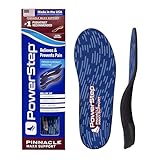
These are the products Dr. Tom recommends most often in his clinic at Balance Foot & Ankle for lasting foot pain relief:
- PowerStep Pinnacle Arch Support Insoles — #1 clinic recommendation for arch support and heel pain relief
- Doctor Hoy’s Natural Pain Relief Gel — Fast-acting topical relief used and trusted by podiatrists
- CURREX RunPro Insoles — Dynamic arch profile for active patients and runners
As an Amazon Associate, Balance Foot & Ankle earns from qualifying purchases. These recommendations reflect genuine clinical use.
In-Office Treatment at Balance Foot & Ankle
If home treatment isn’t providing relief for your foot pain from tough mudder, our podiatry team at Balance Foot & Ankle can help with same-day evaluations and advanced in-office care.
APMA: Foot Pain Relief and Activity-Related Causes
Ready to Get Relief?
Same-day appointments available in Howell & Bloomfield Township, MI
4.9★ | 1,123 Reviews | 3,000+ Surgeries
Or call: (810) 206-1402

Dr. Tom Biernacki, DPM is a board-certified foot & ankle surgeon (ABFAS & ABPM) at Balance Foot & Ankle Specialists in Southeast Michigan. With over a decade of clinical experience, he specializes in heel pain, bunions, diabetic foot care, sports injuries, and minimally invasive surgery. Dr. Biernacki is a member of the APMA and ACFAS, and his patient education content on MichiganFootDoctors.com and YouTube has made him one of the most-followed foot & ankle educators on YouTube.