
Medically reviewed by Dr. Tom Biernacki, DPM
Board-certified podiatric surgeon | Balance Foot & Ankle, Howell & Bloomfield Township, MI
Last reviewed: May 2026

| Tree Stand Temperature | Insulation Needed | Boot Recommendation | Duration Risk |
|---|---|---|---|
| Above 40°F (early season) | 200g or uninsulated | Rubber boot or lightweight leather | Low — circulation maintained |
| 30–40°F (fall) | 400–600g Thinsulate | Insulated hunting boot + wool sock | Moderate — moves every hour |
| 20–30°F (late season) | 800–1000g Thinsulate | Heavy insulated boot + heated insole | High — foot exercises critical |
| Below 20°F (extreme cold) | 1200g+ or pac boot | Pac boot + vapor barrier + heated insole | Very high — limit sit time, warmers essential |
| Tree Stand Foot Exercise | Motion | Frequency | Benefit |
|---|---|---|---|
| Toe curls | Curl and spread toes forcefully | Every 15 min, 20 reps | Stimulates plantar circulation |
| Ankle circles | Full ankle rotation, both directions | Every 20 min, 10 each way | Venous return activation |
| Seated calf raises | Raise heels while keeping toes down | Every 20 min, 15–20 reps | Calf muscle pump — most effective |
| Knee extensions | Straighten leg and flex ankle | Every 30 min, 10 each | Releases popliteal compression |
| Silent stand + shift | Stand briefly on platform if available | Every 45–60 min | Full weight-bearing circulation reset |
Tree-stand hunting foot pain comes from hours of weight-bearing on small platforms with cold-stiffened feet — and the right boot, foot warmer, and movement routine prevents the most common injuries.
You’re in the right place. Dr. Tom Biernacki, DPM, FACFAS — board-certified foot & ankle surgeon with 3,000+ surgeries — explains exactly what foot pain from tree-stand hunting means and what works. Call (810) 206-1402 for same-day appointment at Howell or Bloomfield Township.
Quick answer: Foot Pain From Tree Stand Hunting has multiple potential causes including mechanical, neurological, vascular, and inflammatory. The most common causes we identify are overuse, ill-fitting shoes, and biomechanical imbalance. Red flags requiring urgent evaluation: warmth/redness (infection), inability to bear weight (fracture), and unilateral swelling without injury (DVT). Call (810) 206-1402.
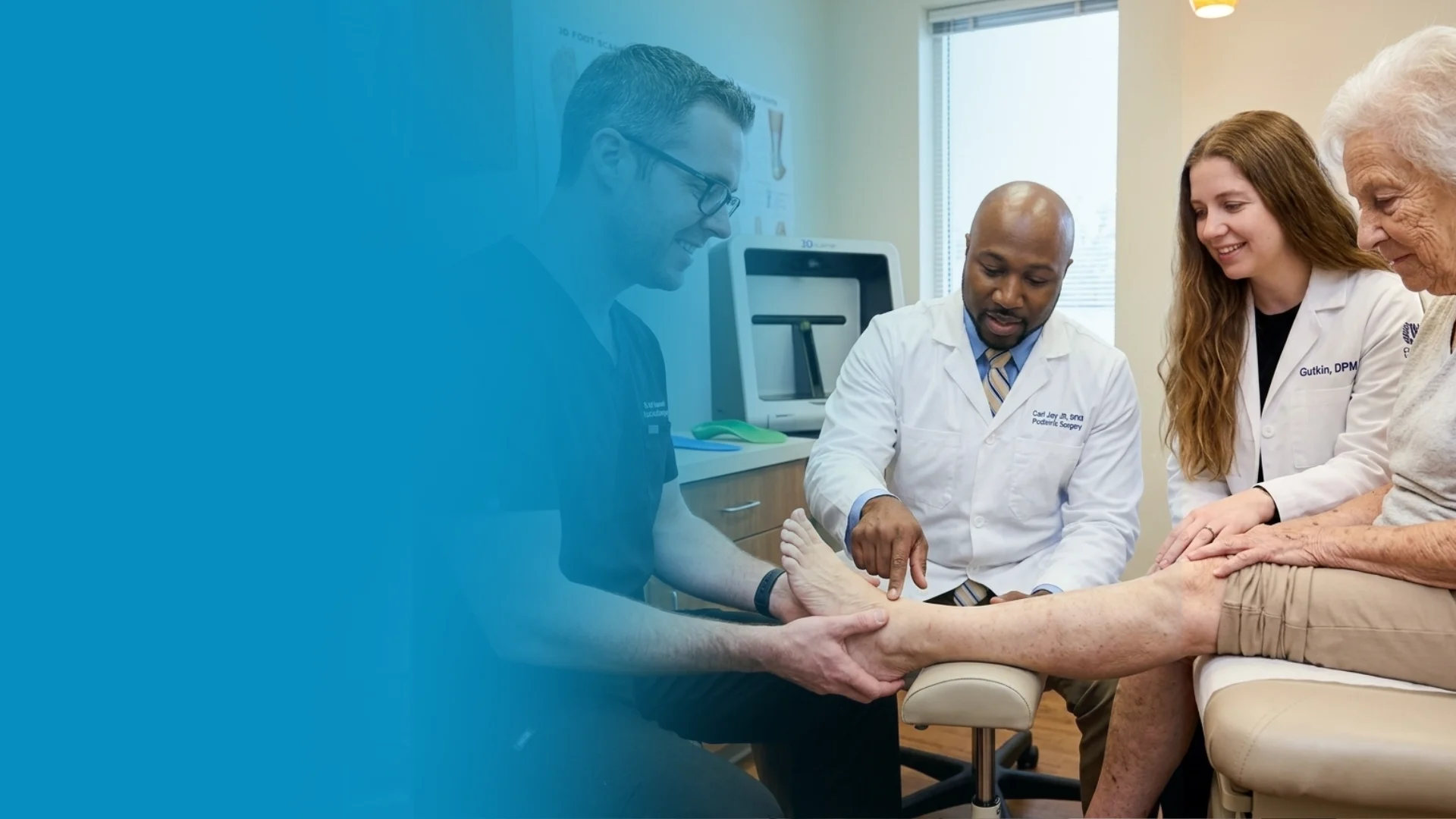
![How to Cure Plantar Fasciitis in One Week? [FAST Heel Pain Relief!]](https://www.michiganfootdoctors.com/wp-content/cache/flying-press/b5600c3bfb9845a6095da8266d8b5363.jpg)
Watch: How to Cure Plantar Fasciitis in One Week? [FAST Heel Pain Relief!] — MichiganFootDoctors YouTube
The most important clinical decision with Foot Pain From Tree Stand Hunting isn’t which treatment to start with — it’s identifying the correct subtype. That changes everything. Call (810) 206-1402.
Foot Pain From Tree Stand Hunting: Quick Answer
Tree stand hunting causes specific foot pain through sustained immobility, cold weather, and limited foot movement. We help dozens of stand hunters yearly at Balance Foot and Ankle. Here is the comprehensive tree stand hunting foot pain guide.
Why Tree Stand Hunting Causes Foot Pain
Tree stand demands: Sustained sitting (sometimes 8+ hours); minimal foot movement; cold weather often; sometimes confined sitting platform; long days waiting; cumulative season effects; sometimes climbing demands to reach stand. Different from active hunting: Immobility-related issues; cold-related issues; specific stand-related demands.
Most Common Tree Stand Foot Issues
1. Cold feet: Major issue. 2. Foot/leg cramps: From sustained immobility. 3. Numbness: From sitting position; circulation issues. 4. Foot fatigue: Despite minimal movement. 5. Achilles cramps: Common. 6. Sometimes circulation issues: From cold + immobility. 7. DVT risk: Theoretically possible from prolonged sitting. 8. Falls climbing in/out: Sometimes catastrophic. 9. Foot deconditioning: Long sitting periods. 10. Boot pressure points: Sustained.
Best Tree Stand Footwear
Recommendations: Quality insulated boots; warm enough for conditions; quiet (sometimes); sometimes lighter for climbing. Top picks: Schnees Pacs (very warm); Kenetrek mountain boots; Lacrosse Aerohead; Crispi (premium European); LaCrosse Burly. Critical features: Insulation appropriate for temperature; quiet sole; comfortable for prolonged immobility; appropriate fit.
Cold Foot Prevention
Stand hunting cold feet: Major challenge. Solutions: Quality insulated boots appropriate for temperature; merino wool socks (NOT cotton); never two sock layers; chemical foot warmers (single use); battery-heated socks (rechargeable – excellent); heated insoles; appropriate temperature ratings on boots; sometimes blanket over feet. For extreme cold: Multiple solutions combined.
Movement Strategies in Stand
While in stand: Periodic foot movement essential. Strategies: Ankle pumps every 10-15 minutes; subtle toe wiggling; sometimes calf raises (carefully not making noise); foot rolls; brief leg shifts. Important: Maintain hunting silence; gentle movements only; especially important for circulation.
DVT Prevention
Long stand hunting: Theoretical DVT risk from prolonged sitting. Risk factors: Older age; obesity; smoking; prior DVT; certain medications; long sitting periods. Prevention: Periodic foot movement; hydration (with bathroom plan); compression socks during long sits; aspirin for high-risk (consult PCP). RED FLAGS: Calf pain, swelling, warmth, redness – urgent evaluation.
Stand Climbing Considerations
Climbing into/out of stand: Foot/ankle injury risk. Falls from stand: Sometimes catastrophic. Prevention: Safety harness ALWAYS; quality footwear; proper stand inspection; awareness of conditions; rope to lift gear; never climb in dark without proper lighting. If fall: Emergency department immediately.
Custom Orthotics for Stand Hunting
Orthotic considerations: Beneficial for chronic foot pain; address foot mechanics; sometimes warmth considerations. For chronic foot conditions: Custom orthotics often help; can fit in most hunting boots.
Pre-Existing Conditions and Stand Hunting
Stand hunting with foot conditions: Often complicated. Plantar fasciitis: Sometimes flares from sitting position; address conditions. Cold sensitivity: Especially Raynauds; quality insulated boots; sometimes battery-heated socks. Diabetic foot: Special considerations – check feet after; address minor injuries; vigilant about cold injuries (reduced sensation). Older hunters: Increased fall risk.
When to See a Podiatrist
See us if: chronic stand hunting foot pain; recurring cold feet not responding to measures; suspected DVT (urgent); falls from stand causing foot injury; need orthotic evaluation; chronic conditions affecting hunting; need hunting boot recommendations; cold injury concerns. Same-week appointments at Balance Foot and Ankle. Schedule online.
Podiatrist-Recommended Products

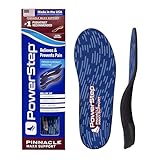
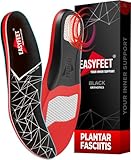

Frequently Asked Questions About Foot Pain From Tree Stand Hunting
Why do my feet hurt from tree stand hunting?
Sustained sitting (sometimes 8+ hours); minimal foot movement; cold weather often; sometimes confined sitting platform; long days waiting; cumulative season effects; sometimes climbing demands to reach stand. Immobility-related issues.
How do I keep my feet warm in a tree stand?
Quality insulated boots; merino wool socks (NOT cotton); NEVER two sock layers; chemical foot warmers (single use); battery-heated socks (rechargeable – excellent); heated insoles; appropriate temperature ratings on boots; sometimes blanket over feet.
Why do my feet cramp in a tree stand?
Sustained immobility = no muscle pumping for circulation. Solutions: ankle pumps every 10-15 minutes; subtle toe wiggling; sometimes calf raises (carefully); foot rolls; brief leg shifts. Maintain hunting silence with gentle movements.
Are blood clots a risk from tree stand hunting?
Theoretical DVT risk from prolonged sitting. Risk factors: older age; obesity; smoking; prior DVT; certain medications. Prevention: periodic foot movement; hydration; compression socks during long sits. RED FLAGS: calf pain, swelling, warmth, redness.
How can I prevent falls from tree stand?
Safety harness ALWAYS; quality footwear; proper stand inspection; awareness of conditions; rope to lift gear; never climb in dark without proper lighting. If fall: emergency department immediately – sometimes catastrophic injuries.
What boots are best for tree stand hunting?
Quality insulated boots: Schnees Pacs (very warm); Kenetrek mountain boots; Lacrosse Aerohead; Crispi (premium European); LaCrosse Burly. Critical: insulation appropriate for temperature; quiet sole; comfortable for prolonged immobility.
When should I see a podiatrist about tree stand foot pain?
Chronic stand hunting foot pain; recurring cold feet not responding to measures; suspected DVT (urgent); falls from stand causing foot injury; need orthotic evaluation; chronic conditions affecting hunting; need hunting boot recommendations; cold injury concerns.
Related Resources from Balance Foot & Ankle
Still Dealing With Foot Pain From Tree Stand Hunting?
Same-week appointments at Balance Foot & Ankle in Howell & Bloomfield Township, MI.
Book Your Appointment⚕ Doctor Recommended
Doctor Hoy’s Natural Pain ReliefTopical relief for foot & ankle pain
View Product →In-Office Treatment at Balance Foot & Ankle
If home treatment isn’t providing relief for your foot pain from tree stand hunting, our podiatry team at Balance Foot & Ankle can help with same-day evaluations and advanced in-office care.
APMA: Foot Pain Relief and Activity-Related Causes
Ready to Get Relief?
Same-day appointments available in Howell & Bloomfield Township, MI
4.9★ | 1,123 Reviews | 3,000+ Surgeries
Or call: (810) 206-1402

Dr. Tom Biernacki, DPM is a board-certified foot & ankle surgeon (ABFAS & ABPM) at Balance Foot & Ankle Specialists in Southeast Michigan. With over a decade of clinical experience, he specializes in heel pain, bunions, diabetic foot care, sports injuries, and minimally invasive surgery. Dr. Biernacki is a member of the APMA and ACFAS, and his patient education content on MichiganFootDoctors.com and YouTube has made him one of the most-followed foot & ankle educators on YouTube.