
Medically reviewed by Dr. Tom Biernacki, DPM
Board-certified podiatric surgeon | Balance Foot & Ankle, Howell & Bloomfield Township, MI
Last reviewed: May 2026
| Condition | Why Heat Makes It Worse | Summer Prevention | Treatment |
|---|---|---|---|
| Foot / ankle swelling (edema) | Vasodilation + sodium retention from heat | Compression socks, hydration, elevation | Cool foot baths, elevation, diuretics if severe (physician-directed) |
| Plantar fasciitis | Sandals with no arch support; morning barefoot walking | Supportive footwear including sandals; no barefoot | Stretching, orthotics, ice massage after activity |
| Morton’s neuroma | Swelling compresses interdigital nerves further | Wide toe box footwear; avoid narrow sandal straps over forefoot | Metatarsal pad, wider shoe, corticosteroid injection if severe |
| Athlete’s foot (tinea pedis) | Moisture + heat = fungal growth conditions | Dry feet thoroughly; antifungal powder; ventilated shoes | Topical terbinafine or clotrimazole 1–4 weeks |
| Blisters | Heat increases sweating; moist skin blisters faster | Moisture-wicking socks; broken-in footwear; body glide/lubricant | Drain if tense, sterile needle; protect with hydrocolloid bandage |
| Gout flare | Dehydration concentrates uric acid; heat triggers crystal formation | Aggressive hydration; reduce alcohol, red meat, shellfish | NSAIDs/colchicine immediately; urate-lowering therapy long-term |
| Summer Footwear Guide | Good Option | Avoid | Why |
|---|---|---|---|
| Sandals | Heel strap + arch contour + 10–15mm heel lift | Flat flip-flops, thin foam sole | Flat sandals remove all arch support |
| Athletic shoes | Mesh upper for ventilation; replace if >300 miles | Closed leather shoes in extreme heat | Heat buildup = more swelling, blisters |
| Water shoes | Closed toe + non-slip sole + drainage holes | Barefoot at pool/beach (wart/fungal risk) | Protect from plantar warts and cuts |
| Work environments (outdoor) | Breathable safety boot + moisture-wicking sock | Rubber/non-breathable boot for all-day wear | Trapped heat = maceration + fungal infection |
Quick answer: Foot Pain Hot Weather has multiple potential causes including mechanical, neurological, vascular, and inflammatory. The most common causes we identify are overuse, ill-fitting shoes, and biomechanical imbalance. Red flags requiring urgent evaluation: warmth/redness (infection), inability to bear weight (fracture), and unilateral swelling without injury (DVT). Call (810) 206-1402.
Medically Reviewed | Dr. Tom Biernacki, DPM | Board-Certified Podiatrist | Balance Foot & Ankle, Michigan
Watch: How to Cure Plantar Fasciitis in One Week? [FAST Heel Pain Relief!] — MichiganFootDoctors YouTube
Foot Pain Hot Weather: Quick Answer
Hot weather creates unique foot challenges – swelling, fungal infections, sandal injuries, and more. We help dozens of patients yearly at Balance Foot and Ankle with summer foot complaints. Here is the comprehensive hot weather foot care guide.
Why Hot Weather Causes Foot Issues
Hot weather demands: Increased swelling from heat; sweating creates fungal/bacterial environment; sandal use exposes feet to injury; barefoot walking on hot surfaces; vacation walking volume increases; sun exposure on previously covered skin; outdoor activity increases. Cumulative effect: summer brings unique foot care needs different from winter.
Most Common Hot Weather Foot Issues
1. Foot/ankle swelling: Heat-related vasodilation. 2. Athletes foot: Sweaty conditions in shoes. 3. Toenail fungus: Same fungal environment. 4. Plantar warts: Pool/locker room exposure. 5. Sandal-related injuries: Bunion/hammertoe aggravation; lack of support. 6. Heel cracks: Open sandals dry heels. 7. Sunburn (yes, on feet): Often forgotten with sandals. 8. Burns from hot surfaces: Sand, asphalt, pool decks. 9. Sweaty feet (hyperhidrosis): Worse in heat. 10. Insect bites/stings: From outdoor exposure.
Hot Weather Swelling Management
Heat-related swelling: Common; usually mild and self-limited. Causes: Vasodilation from heat; gravity (lots of standing); reduced movement (hot weather sedentary); diet (more salt at picnics, alcohol). Management: Elevation periodically; compression socks if standing prolonged; hydration; reduce sodium; cool compresses; gentle exercise. RED FLAGS: Asymmetric swelling (DVT), severe sudden swelling, swelling with shortness of breath – urgent evaluation.
Sandal Selection
Best supportive sandals: Vionic Tide Pacific (excellent arch support); Birkenstock Arizona (with breaking in); Olukai Ohana; Chaco Z/Cloud; Teva Hurricane Drift. Worst sandals for feet: Flip-flops with no support; flat slides; cheap unsupportive sandals; high-heeled sandals. For chronic foot pain: Custom orthotic accommodation needed; some sandal styles can be modified to fit orthotics. Avoid all-day flip-flop wear: causes plantar fasciitis flares, falls/injuries.
Pool and Beach Foot Care
Plantar wart prevention: Wear flip-flops in public showers, pool decks, locker rooms; HPV virus on wet surfaces. Athletes foot prevention: Same locations; antifungal powder in shoes; let feet air. Hot surface burns: Sand and pool decks can reach 140 degrees plus; wear sandals; check surfaces with hand first. Beach injuries: Stepping on shells, glass, debris; wear water shoes; tetanus current. Foot inspections after pool/beach: especially diabetics.
Athletes Foot in Summer
Summer peak: Athletes foot more common in heat. Causes: Sweaty feet; warm closed shoes (work shoes still worn); pool/locker room exposure; dampness retained. Treatment: Topical antifungal (terbinafine, clotrimazole) twice daily for 2-4 weeks; antifungal powder in shoes; alternate shoes daily; let shoes dry between wears; cotton or moisture-wicking socks; shower shoes in public. Persistent or severe: oral antifungal, podiatry consultation.
Sweaty Feet (Hyperhidrosis) Management
Hot weather sweaty feet: Common complaint; can cause athletes foot, blisters, social embarrassment. Conservative treatment: Antiperspirant on feet (regular Secret/Dove or specific products); foot powder (Gold Bond, antifungal versions); moisture-wicking socks; alternate shoes; let feet air; foot soaks (cool water with vinegar). Severe cases: Prescription antiperspirants (Drysol); iontophoresis; Botox injections (effective but pricey).
Heel Crack Prevention
Summer heel cracks: Open sandals expose heels to dry conditions; barefoot walking. Treatment: Daily moisturizer (cream/ointment); urea-based products for thick callus; pumice stone for thick callus; closed shoes part of day; CeraVe Sa Lotion; Aquaphor for severe cracks. Prevention: Daily moisturizer; closed shoes some days; less barefoot walking; address callus before it cracks.
Sun Protection for Feet
Often-forgotten sun exposure: Tops of feet exposed in sandals; skin cancers can develop on feet. Sunscreen: Apply to tops of feet when wearing sandals; SPF 30+; reapply every 2 hours; especially in pool/beach situations. Skin checks: Include feet in annual skin exams; suspicious lesions on feet need evaluation.
When to See a Podiatrist
See us if: persistent athletes foot not responding to OTC treatment; severe heel cracks; suspected plantar warts; persistent sweaty feet (hyperhidrosis); sandal-related foot pain (need supportive recommendations); summer foot infections; suspicious skin lesions on feet; chronic conditions worsening in summer. Same-week appointments at Balance Foot and Ankle. Schedule online.
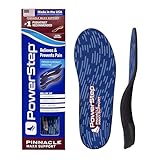
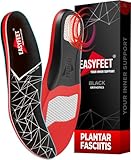
Podiatrist-Recommended Products


Frequently Asked Questions About Foot Pain Hot Weather
Why do my feet swell in hot weather?
Vasodilation from heat; gravity; reduced movement; diet (more salt). Usually mild and self-limited. Management: elevation periodically; compression socks if standing prolonged; hydration; reduce sodium; cool compresses. RED FLAGS for asymmetric or sudden severe swelling.
What are the best summer sandals for foot pain?
Vionic Tide Pacific (excellent arch support); Birkenstock Arizona; Olukai Ohana; Chaco Z/Cloud; Teva Hurricane Drift. Avoid flip-flops with no support, flat slides, high-heeled sandals.
How do I prevent athletes foot in summer?
Topical antifungal at first sign; antifungal powder in shoes; alternate shoes daily; let shoes dry between wears; cotton or moisture-wicking socks; shower shoes in public pool/locker rooms; keep feet dry.
How do I stop my feet from sweating in summer?
Antiperspirant on feet; foot powder (Gold Bond); moisture-wicking socks; alternate shoes; let feet air; foot soaks (cool water with vinegar). Severe: prescription antiperspirants (Drysol); iontophoresis; Botox injections (effective).
Why do my heels crack in summer?
Open sandals expose heels to dry conditions; barefoot walking dries skin further. Treatment: daily moisturizer; urea-based products for thick callus; pumice stone; closed shoes part of day; CeraVe Sa Lotion. Prevent before cracking.
Can I get sunburn on my feet?
YES – tops of feet exposed in sandals. Apply sunscreen SPF 30+ to tops of feet; reapply every 2 hours. Especially important at pool/beach. Skin cancers can develop on feet – include feet in annual skin exams.
When should I see a podiatrist for hot weather foot issues?
Persistent athletes foot not responding to OTC; severe heel cracks; suspected plantar warts; persistent sweaty feet; sandal-related foot pain; summer foot infections; suspicious skin lesions; chronic conditions worsening in summer.
Related Resources from Balance Foot & Ankle
Still Dealing With Foot Pain Hot Weather?
Same-week appointments at Balance Foot & Ankle in Howell & Bloomfield Township, MI.
Book Your Appointment⚕ Doctor Recommended
Doctor Hoy’s Natural Pain ReliefTopical relief for foot & ankle pain
View Product →⚠️ Most Common Mistake: Ignoring persistent foot pain and continuing normal activity without evaluation. Early podiatric care prevents minor foot issues from becoming chronic, difficult-to-treat conditions.
Frequently Asked Questions
🏥 Recommended by Dr. Biernacki — Foundation Wellness Products
These are the same products Dr. Biernacki recommends to his patients at Balance Foot & Ankle in Michigan. Available through our trusted partners.
In-Office Treatment at Balance Foot & Ankle
If home treatment isn’t providing relief for your foot pain, our podiatry team at Balance Foot & Ankle can help with same-week evaluations and advanced in-office care.
Foot Health & Care Resource Center (American Podiatric Medical Association)
Ready to Get Relief?
Same-week appointments available in Howell & Bloomfield Township, MI
4.9★ | 1,123 Reviews | 3,000+ Surgeries
Or call: (810) 206-1402

Dr. Tom Biernacki, DPM is a board-certified foot & ankle surgeon (ABFAS & ABPM) at Balance Foot & Ankle Specialists in Southeast Michigan. With over a decade of clinical experience, he specializes in heel pain, bunions, diabetic foot care, sports injuries, and minimally invasive surgery. Dr. Biernacki is a member of the APMA and ACFAS, and his patient education content on MichiganFootDoctors.com and YouTube has made him one of the most-followed foot & ankle educators on YouTube.