
Medically reviewed by Dr. Tom Biernacki, DPM
Board-certified podiatric surgeon | Balance Foot & Ankle, Howell & Bloomfield Hills, MI
Last reviewed: May 2026

Quick answer: Foot Pain Menopause has multiple potential causes including mechanical, neurological, vascular, and inflammatory. The most common causes we identify are overuse, ill-fitting shoes, and biomechanical imbalance. Red flags requiring urgent evaluation: warmth/redness (infection), inability to bear weight (fracture), and unilateral swelling without injury (DVT). Call (810) 206-1402.
The most important clinical decision with Foot Pain Menopause isn’t which treatment to start with — it’s identifying the correct subtype. That changes everything. Call (810) 206-1402.
How Estrogen Decline Affects the Foot
Estrogen plays critical roles in musculoskeletal tissue maintenance throughout the body — including the foot. As estrogen declines during perimenopause and menopause (average age 51 in the US), multiple changes occur simultaneously in foot tissues.
Bone density: estrogen is osteogenic (bone-building). Estrogen withdrawal accelerates bone resorption, causing trabecular bone loss at a rate of 2–3% per year in the early postmenopausal period. In the foot, this manifests as increased stress fracture risk in the metatarsals, calcaneus, and tarsal bones from activities that would not cause fractures pre-menopausally.
Ligament laxity: estrogen influences collagen synthesis in ligaments and joint capsules. Declining estrogen reduces ligament elasticity and can allow progressive arch collapse and joint hypermobility — similar to but less dramatic than the relaxin effect of pregnancy. Bunion deformity and hammertoe progression often accelerate post-menopause.
Plantar fat pad thinning: the fat pad on the plantar heel and forefoot is estrogen-sensitive. Post-menopausal fat pad atrophy reduces the foot’s natural shock absorption, causing pain under the heel (heel fat pad syndrome) and under the metatarsal heads (metatarsalgia).
Common Menopausal Foot Conditions
Plantar fasciitis: increased frequency post-menopause due to fat pad thinning reducing heel cushion, combined with potential arch collapse from ligament laxity. Post-menopausal women are the largest age-sex group presenting with plantar fasciitis.
Metatarsalgia: fat pad atrophy under the forefoot concentrates pressure at metatarsal heads. Burning forefoot pain, especially in minimal or thin-soled shoes, is a classic presentation.
Morton’s neuroma: thought to be exacerbated by decreased tissue hydration and changes in perineural tissue characteristics post-menopause. Women are 8–10x more likely than men to develop Morton’s neuroma — a disparity partially attributed to hormonal factors.
Stress fractures: the combination of decreased bone density, potential changes in gait mechanics, and increased activity (many women start exercise programs post-menopause) creates elevated stress fracture risk.
Managing Foot Health Through Menopause
Bone health: Calcium (1,200mg/day for post-menopausal women per National Osteoporosis Foundation guidelines), Vitamin D3 (1,500–2,000 IU/day), and weight-bearing exercise (walking, resistance training) are essential. DEXA scan every 2 years for monitoring.
Footwear: as fat pad thinning progresses, transitioning to cushioned footwear becomes increasingly important. Thin-soled dress shoes, minimalist sneakers, and ballet flats that felt comfortable at 40 may become genuinely painful at 55–60.
Orthotics: cushioned insoles with metatarsal support and heel cushioning address the fat pad atrophy component directly. Custom orthotics for women with significant deformity progression.
Hormone replacement therapy (HRT): beyond foot care specifically — HRT maintains bone density and may slow ligament laxity changes. Discuss with OB-GYN or internal medicine regarding risks and benefits.
Dr. Tom's Product Recommendations

PowerStep Pinnacle Arch Support
⭐ Highly Rated
Cushioned arch support to address menopausal fat pad thinning and arch changes
Dr. Tom says: “The combination of arch support and heel cushion in PowerStep Pinnacle addresses two simultaneous menopausal foot changes — arch collapse and heel fat pad atrophy.”
Menopausal plantar fasciitis, heel fat pad pain, arch support
Severe osteoporotic stress fractures requiring medical management
Disclosure: We earn a commission at no extra cost to you.

Foot Petals Ball of Foot Cushions
⭐ Highly Rated
Targeted forefoot cushioning for menopausal fat pad atrophy and metatarsalgia
Dr. Tom says: “As fat pad atrophies post-menopause, metatarsal head protection becomes essential. Foot Petals cushions directly replace the lost cushion at the ball of foot.”
Menopausal metatarsalgia, forefoot fat pad atrophy, dress shoe comfort
Replacing arch support for plantar fasciitis
Disclosure: We earn a commission at no extra cost to you.
✅ Pros / Benefits
- Targeted cushioning dramatically improves comfort as fat pad thins
- Bone density can be maintained and improved with appropriate supplementation and exercise
- Early orthotic intervention slows deformity progression
❌ Cons / Risks
- Fat pad atrophy is progressive and irreversible — management focuses on compensation
- Bone density loss begins before menopause and may already be significant at diagnosis
- Footwear changes may be required permanently as tissue changes are not reversible
Dr. Tom Biernacki’s Recommendation
Women come in at 55 wondering why shoes that felt comfortable for decades are now painful. The answer is biology — fat pad atrophy, bone density changes, and potential arch changes from hormone shifts. This isn’t vanity or weakness; it’s physiology. My message: adapt your footwear proactively, don’t force pre-menopausal footwear choices on post-menopausal feet. Get cushioned, get supported, and get a DEXA scan if you haven’t had one.
— Dr. Tom Biernacki, DPM | Board-Certified Podiatric Surgeon | Balance Foot & Ankle
Frequently Asked Questions
At what age does fat pad atrophy typically become noticeable?
Most women notice significant changes in heel and forefoot comfort in their 50s–60s, corresponding to post-menopausal fat pad thinning.
Can foot pain at menopause be a sign of osteoporosis?
Bone pain with activity and stress fractures occurring with minimal trauma can indicate low bone density — a DEXA scan is appropriate.
Does HRT help foot pain in menopause?
HRT may slow bone density loss and ligament laxity — indirectly benefiting foot health. This decision involves complex medical considerations beyond foot care.
Are post-menopausal women more likely to develop bunions?
Yes — bunion progression often accelerates post-menopause due to ligament laxity changes and changes in gait.
When Shoes Aren’t Enough — Dr. Tom’s Top 9 Orthotics
About 30% of patients I see for foot pain need MORE than a great shoe — they need a structured insole. Below: my complete 2026 orthotic ranking with pros, cons, and the specific patient I’d give each one to.


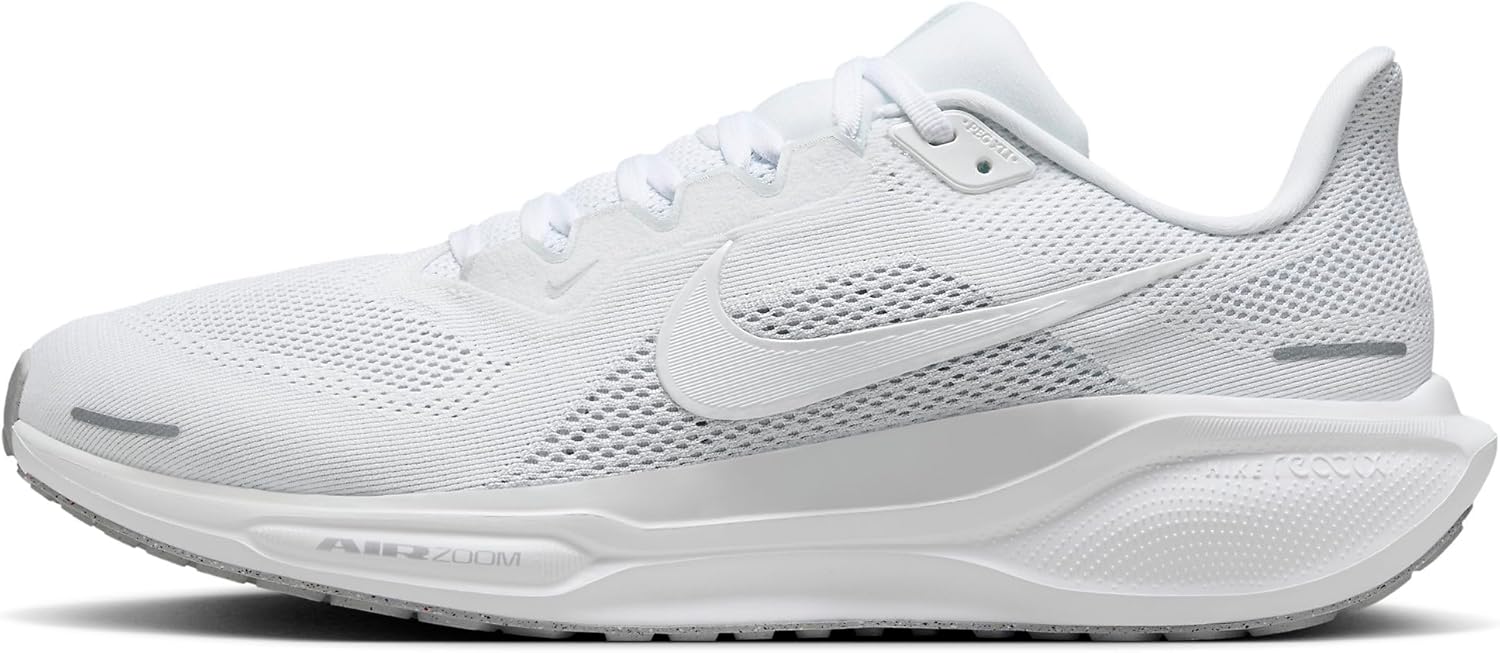


⚕ Doctor Recommended
Doctor Hoy’s Natural Pain ReliefTopical relief for foot & ankle pain
View Product →What is Foot pain?
Foot pain is a common foot/ankle condition that affects mobility and quality of life. Understanding the underlying cause is the first step in successful treatment. Our podiatrists at Balance Foot & Ankle perform a hands-on biomechanical exam, review your activity history, and use diagnostic imaging when appropriate to identify the root cause—not just treat the symptom. Many patients have been told to “rest and ice” without a deeper diagnostic workup; our approach is different.
Symptoms and warning signs
Common signs of foot pain include pain that worsens with activity, morning stiffness, swelling, tenderness when palpated, and difficulty bearing weight. If you experience sudden severe pain, inability to walk, visible deformity, numbness or color change, contact our office the same day or visit urgent care—these can signal a more serious injury such as a fracture, tendon rupture, or vascular compromise. Diabetics with any foot wound should seek same-day care.
Conservative treatment options
Most cases of foot pain respond to non-surgical care: structured rest, supportive footwear changes, custom orthotics, targeted stretching and strengthening protocols, anti-inflammatory medications when medically appropriate, and in-office procedures such as ultrasound-guided injections. We also offer advanced therapies including MLS laser therapy, EPAT/shockwave, regenerative injections, and image-guided procedures. Treatment is sequenced from least invasive to most invasive, and we explain the rationale at every step.
When is surgery considered?
Surgery is reserved for cases that fail 3-6 months of well-structured conservative care, when there is structural pathology (severe deformity, complete tear, advanced arthritis), or when imaging shows damage that will not heal without intervention. Our surgeons have performed 3,000+ foot and ankle procedures and prioritize minimally-invasive techniques whenever appropriate. We discuss recovery timelines, return-to-activity milestones, and realistic outcome expectations before any procedure is scheduled.
Recovery timeline and prevention
Recovery from foot pain varies based on severity and chosen treatment path. Conservative cases often improve within 4-8 weeks with consistent adherence to the protocol. Post-procedural recovery may range from a few days (in-office procedures) to several months (reconstructive surgery). Long-term prevention involves footwear assessment, activity modification, structured strengthening, and regular check-ins with your podiatrist if you have a history of recurrence. We provide written home-exercise plans and digital follow-up support.
In-Office Treatment at Balance Foot & Ankle
If home treatment isn’t providing relief for your foot pain menopause, our podiatry team at Balance Foot & Ankle can help with same-day evaluations and advanced in-office care.
PubMed: Foot Pain and Hormonal Changes in Menopause
Ready to Get Relief?
Same-day appointments available in Howell & Bloomfield Hills, MI
4.9★ | 1,123 Reviews | 3,000+ Surgeries
Or call: (810) 206-1402

Dr. Tom Biernacki, DPM is a board-certified foot & ankle surgeon (ABFAS & ABPM) at Balance Foot & Ankle Specialists in Southeast Michigan. With over a decade of clinical experience, he specializes in heel pain, bunions, diabetic foot care, sports injuries, and minimally invasive surgery. Dr. Biernacki is a member of the APMA and ACFAS, and his patient education content on MichiganFootDoctors.com and YouTube has made him one of the most-followed foot & ankle educators on YouTube.