
Medically reviewed by Dr. Tom Biernacki, DPM
Board-certified podiatric surgeon | Balance Foot & Ankle, Howell & Bloomfield Township, MI
Last reviewed: May 2026

| Ankle-Area Pain Location | Most Likely Diagnosis | Key Distinguishing Feature | First Test | Treatment |
|---|---|---|---|---|
| Posterior ankle (back — Achilles area) | Achilles tendinopathy; retrocalcaneal bursitis | Pain with resisted plantarflexion; morning stiffness | Clinical + ultrasound | Eccentric calf exercise; heel lift; physical therapy |
| Lateral ankle (outer) | Lateral ankle sprain; peroneal tendinopathy | Sprain: acute twisting; Peroneal: gradual overuse | Clinical + X-ray; MRI if persistent | Brace + PT for sprain; peroneal protocol for tendinopathy |
| Medial ankle (inner) | Posterior tibial tendinopathy; tarsal tunnel | PTT: progressive flatfoot; TTS: burning + tingling | MRI for PTT; NCS for TTS | Brace + orthotics; surgical if advanced PTT |
| Anterior ankle (front) | Anterior ankle impingement; ankle arthritis | Pain at end-range dorsiflexion; bony bump | X-ray (osteophytes); MRI for soft tissue | Dorsiflexion restriction shoes; injection; arthroscopy |
| Post-Sprain Ankle Pain Timeline | Expected | Possible Complication | Action |
|---|---|---|---|
| Week 1–2 | Significant pain + swelling; limited weight-bearing | Fracture (if can’t bear weight) | X-ray if Ottawa rules met; RICE protocol |
| Week 3–6 | Improving with PT; returning to activity | Peroneal tear; OLT if pain improving slowly | Structured rehab; reassess if not progressing |
| Week 6–12 | Near-normal with residual mild stiffness | Sinus tarsi syndrome; chronic instability | MRI if pain persists; balance/proprioception training |
| Week 12+ | Full return to sport | Osteochondral lesion; ligament incompetence | MRI + orthopaedic/podiatry evaluation |
Quick answer: Foot Pain Near Ankle has multiple potential causes including mechanical, neurological, vascular, and inflammatory. The most common causes we identify are overuse, ill-fitting shoes, and biomechanical imbalance. Red flags requiring urgent evaluation: warmth/redness (infection), inability to bear weight (fracture), and unilateral swelling without injury (DVT). Book online or call (810) 206-1402.
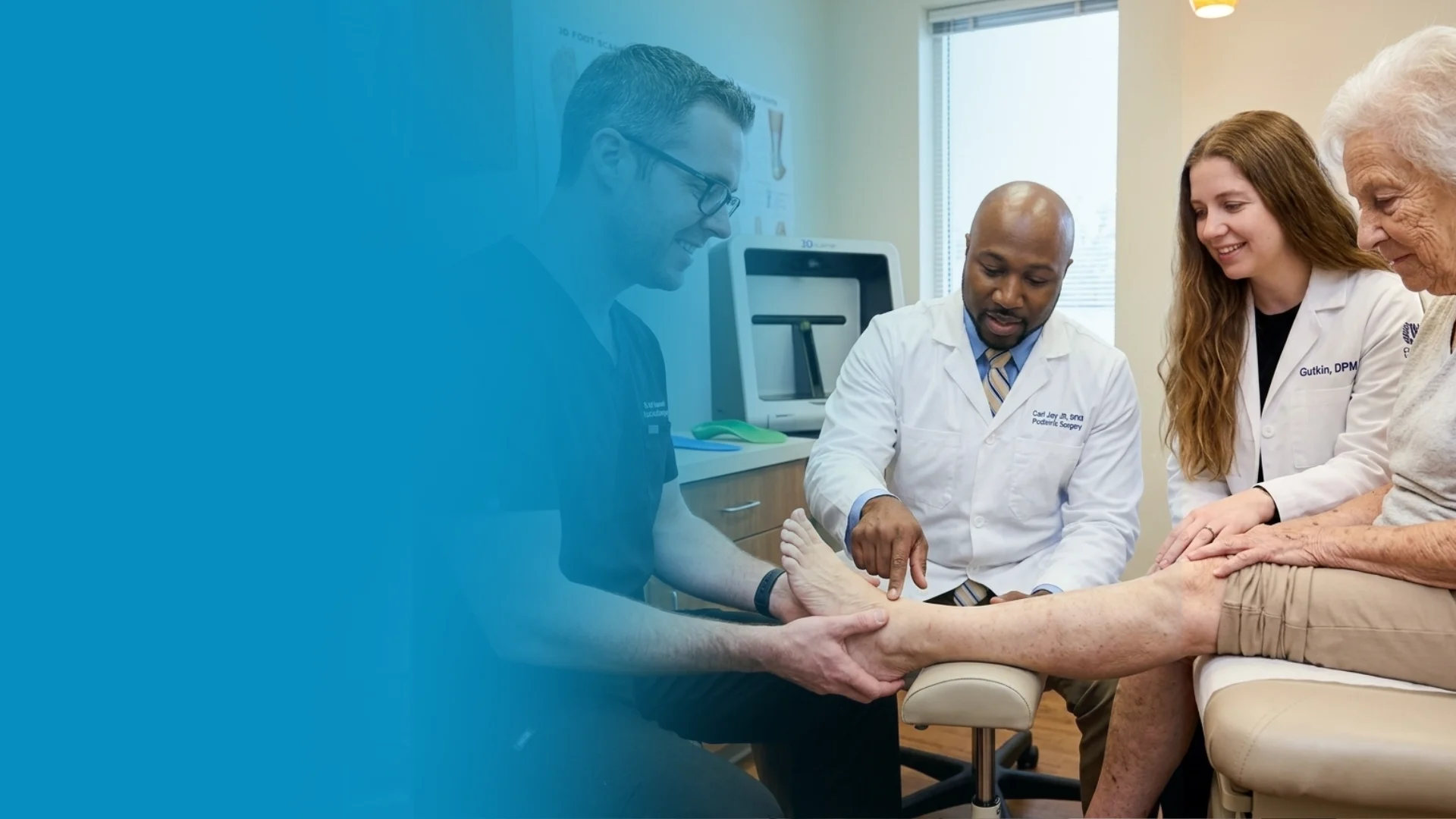
![How to Cure Plantar Fasciitis in One Week? [FAST Heel Pain Relief!]](https://www.michiganfootdoctors.com/wp-content/cache/flying-press/b5600c3bfb9845a6095da8266d8b5363.jpg)
Watch: How to Cure Plantar Fasciitis in One Week? [FAST Heel Pain Relief!] — MichiganFootDoctors YouTube
Foot Pain Near Ankle: Quick Answer
Pain near the ankle has many causes – distinguishing the source is important for proper treatment. We help dozens of patients yearly at Balance Foot and Ankle. Here is the comprehensive ankle area pain guide.
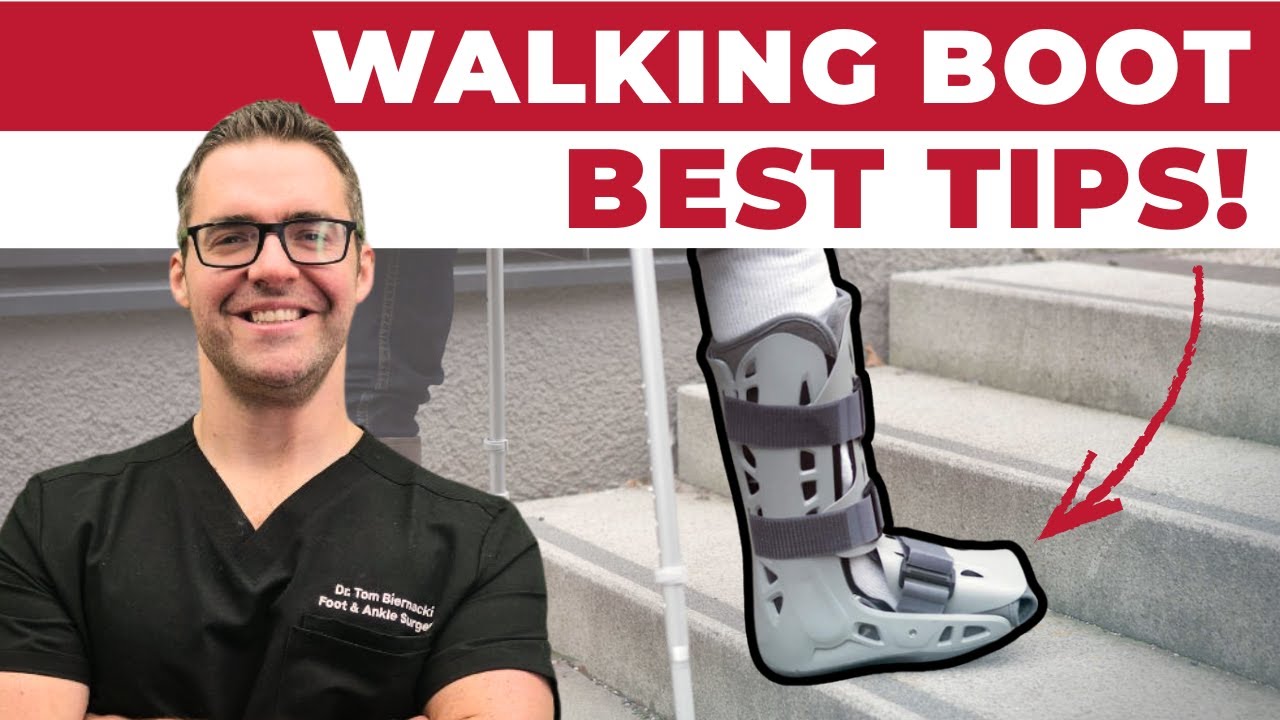
Most Common Causes of Ankle Area Pain
1. Ankle sprain (acute or chronic): Most common; ligament injury. 2. Achilles tendinitis: Back of ankle. 3. Posterior tibial tendon dysfunction (PTTD): Inside of ankle. 4. Peroneal tendinitis: Outside of ankle. 5. Tarsal tunnel syndrome: Nerve compression at ankle. 6. Ankle arthritis: Various types. 7. Anterior ankle impingement: Front of ankle. 8. Os trigonum syndrome: Posterior ankle. 9. Ankle stress fracture: Less common but possible. 10. Sinus tarsi syndrome: Lateral ankle.
Inside vs Outside Ankle Pain
Inside (medial) ankle pain: Most often posterior tibial tendinitis (PTTD); deltoid ligament injury; tarsal tunnel syndrome; medial ankle impingement; medial malleolus fractures. Outside (lateral) ankle pain: Most often lateral ankle sprain; peroneal tendinitis; sinus tarsi syndrome; chronic lateral ankle instability; lateral malleolus issues. Front of ankle: Anterior ankle impingement; anterior tendons. Back of ankle: Achilles issues; os trigonum.
Posterior Tibial Tendon Dysfunction (PTTD)
PTTD: Most common cause of inside ankle pain in adults. Symptoms: Pain along inside of ankle and arch; gradual onset; often progressive flat foot development; pain with prolonged standing/walking; sometimes swelling. Stages: Stage I (tendinitis); Stage II (deformity reducible); Stage III (rigid deformity); Stage IV (arthritis develops). Treatment: Custom orthotics (essential); bracing; PT; sometimes surgery for advanced cases. Early diagnosis crucial: prevents progression.
Achilles Tendinitis (Back of Ankle)
Achilles tendinitis: Common back-of-ankle pain. Pattern: Pain in Achilles area; morning stiffness; pain with calf use; sometimes thickening of tendon. Treatment: Eccentric calf strengthening (Alfredson protocol); physical therapy; activity modification; ice; sometimes ESWT; rarely surgery. Prevention: Calf stretching; gradual training increases; quality footwear.
Tarsal Tunnel Syndrome
Tarsal tunnel: Posterior tibial nerve compression at ankle. Symptoms: Burning, tingling, numbness in arch and sole; can affect toes; positive Tinels sign (tapping causes shooting pain); worse with walking. Causes: Trauma; flat feet (most common); ganglion cyst; varicose veins; idiopathic. Treatment: Address underlying flat foot with orthotics; steroid injection; surgical release if refractory.
Anterior Ankle Impingement
Anterior ankle impingement: Front of ankle pain with dorsiflexion. Common in: Athletes (especially soccer, ballet); after ankle sprains. Symptoms: Front of ankle pain especially with squatting, going up stairs; sometimes audible click; reduced ankle dorsiflexion. Causes: Bone spurs; soft tissue impingement; bony anterior process. Treatment: Activity modification; sometimes injections; arthroscopic surgery for refractory cases.
Sinus Tarsi Syndrome
Sinus tarsi: Funnel-shaped space between calcaneus and talus. Sinus tarsi syndrome: Lateral ankle/foot pain. Causes: Often after ankle sprains; chronic instability; flat feet; sometimes idiopathic. Symptoms: Lateral ankle pain; instability feeling; pain with walking on uneven surfaces. Treatment: Orthotics; physical therapy; sometimes injections; rarely surgery.
Ankle Arthritis
Ankle arthritis: Less common than knee/hip but significant. Types: Post-traumatic (most common – from old injuries); rheumatoid; gout; less commonly osteoarthritis. Symptoms: Chronic ankle pain; stiffness; reduced range of motion; sometimes deformity. Treatment: Conservative (orthotics, bracing, NSAIDs, sometimes injections); surgery for severe cases (fusion or replacement).
When Ankle Pain Indicates Emergency
Same-day evaluation needed: Severe acute ankle injury; cant bear weight; visible deformity; severe swelling; signs of compartment syndrome; signs of infection; suspected DVT (calf pain, swelling, warmth, redness). Most chronic ankle pain: not emergency but should be evaluated.
When to See a Podiatrist
See us if: ankle area pain persists more than 1-2 weeks; suspected PTTD (especially with arch flattening); recurring ankle sprains; chronic ankle instability; suspected ankle stress fracture; suspected tarsal tunnel syndrome; need orthotic evaluation; ankle arthritis management; pre-surgical evaluation if needed. Same-week appointments at Balance Foot and Ankle. Schedule online.
Podiatrist-Recommended Products



Frequently Asked Questions About Foot Pain Near Ankle
What causes pain near the ankle?
Most common: ankle sprain; Achilles tendinitis (back); posterior tibial tendon dysfunction PTTD (inside); peroneal tendinitis (outside); tarsal tunnel syndrome; ankle arthritis; anterior ankle impingement; os trigonum syndrome; ankle stress fracture; sinus tarsi syndrome.
What does inside ankle pain mean?
Most often posterior tibial tendinitis (PTTD) – common cause in adults. Symptoms: pain along inside of ankle and arch; gradual onset; often progressive flat foot development. Other: deltoid ligament injury; tarsal tunnel syndrome; medial malleolus fractures.
What does outside ankle pain mean?
Most often lateral ankle sprain; peroneal tendinitis; sinus tarsi syndrome; chronic lateral ankle instability; lateral malleolus issues. Different causes need different treatments – proper diagnosis essential.
What is PTTD?
Posterior Tibial Tendon Dysfunction – most common cause of inside ankle pain in adults. Stages I-IV. Treatment: custom orthotics (essential); bracing; PT; sometimes surgery for advanced cases. Early diagnosis prevents progression to flat foot deformity.
What is anterior ankle impingement?
Front of ankle pain with dorsiflexion. Common in athletes (soccer, ballet); after ankle sprains. Symptoms: front of ankle pain especially with squatting, going up stairs; sometimes audible click; reduced ankle dorsiflexion. Treatment: activity modification, injections, sometimes arthroscopic surgery.
Can I have ankle arthritis?
YES – less common than knee/hip but significant. Most common: post-traumatic (from old injuries); rheumatoid; gout. Symptoms: chronic ankle pain; stiffness; reduced range of motion. Treatment: conservative (orthotics, bracing, NSAIDs); surgery for severe cases.
When should I see a podiatrist about ankle pain?
Pain persists more than 1-2 weeks; suspected PTTD (especially with arch flattening); recurring ankle sprains; chronic ankle instability; suspected ankle stress fracture; suspected tarsal tunnel syndrome; need orthotic evaluation; ankle arthritis management.
Related Resources from Balance Foot & Ankle
- Ankle Sprain Treatment
- Achilles Tendinitis
- Posterior Tibial Tendon Dysfunction
- Tarsal Tunnel Syndrome
Still Dealing With Foot Pain Near Ankle?
Same-week appointments at Balance Foot & Ankle in Howell & Bloomfield Township, MI.
Book Your Appointment⚕ Doctor Recommended
Doctor Hoy’s Natural Pain ReliefTopical relief for foot & ankle pain
View Product →APMA: Localized Foot Pain — Causes
Ready to Get Relief?
Same-week appointments available in Howell & Bloomfield Township, MI
4.9★ | 1,123 Reviews | 3,000+ Surgeries
Or call: (810) 206-1402

Dr. Tom Biernacki, DPM is a board-certified foot & ankle surgeon (ABFAS & ABPM) at Balance Foot & Ankle Specialists in Southeast Michigan. With over a decade of clinical experience, he specializes in heel pain, bunions, diabetic foot care, sports injuries, and minimally invasive surgery. Dr. Biernacki is a member of the APMA and ACFAS, and his patient education content on MichiganFootDoctors.com and YouTube has made him one of the most-followed foot & ankle educators on YouTube.