
Medically reviewed by Dr. Tom Biernacki, DPM
Board-certified podiatric surgeon | Balance Foot & Ankle, Howell & Bloomfield Township, MI
Last reviewed: May 2026

| Bottom Foot Pain Location | Most Likely Diagnosis | Key Clue | First Treatment |
|---|---|---|---|
| Plantar heel (medial) — worse first AM steps | Plantar Fasciitis | Improves after walking; returns with rest | Fascia stretch; arch support; night splint |
| Central plantar heel | Fat Pad Atrophy / Stone Bruise | Diffuse heel tenderness; often elderly or GLP-1 users | Gel heel cup; cushioned shoe; avoid barefoot |
| Ball of foot (metatarsal heads) | Metatarsalgia | “Pebble in shoe” feeling; barefoot worsens | Metatarsal pad; cushioned forefoot insole |
| Under big toe joint | Sesamoiditis | Pain with toe extension / push-off | Dancer’s pad; stiff-soled shoe; offload sesamoids |
| Between metatarsal heads (radiating to toes) | Morton’s Neuroma | Burning into toes; “walking on a lump” | Wide toe box shoe; metatarsal pad; injection |
| Bilateral diffuse burning | Peripheral Neuropathy | Constant; not activity-related; stocking pattern | Physician workup; gabapentin/duloxetine; orthotics |
| Bottom-of-Foot Pain Relief | Condition | Method | Evidence |
|---|---|---|---|
| Plantar fascia stretch (before first step) | Plantar fasciitis | Seated toe pull toward shin; 30s × 3 before standing | Strong — reduces first-step pain 50%+ in studies |
| Gel heel cup | Fat pad atrophy; stone bruise; PF | Insert in all shoes and slippers | Good — immediate cushioning |
| Metatarsal pad (behind the metatarsal heads) | Metatarsalgia; Morton’s neuroma | Stick-on pad placed just behind (proximal to) painful area | Good — redistributes forefoot pressure |
| Maximally cushioned shoes | All plantar pain conditions | Hoka, Brooks, New Balance max-cushion models | Good for shock absorption |
| Podiatry evaluation if no improvement at 2 weeks | All plantar conditions | Diagnosis confirmation + targeted treatment | Prevents chronic pain from undertreated condition |
Bottom-of-foot pain has 8 main causes — plantar fasciitis, plantar fibroma, neuroma, capsulitis, stress fracture, fat pad atrophy, tendonitis, or nerve entrapment. The exact location narrows it down.
You’re in the right place. Dr. Tom Biernacki, DPM, FACFAS — board-certified foot & ankle surgeon with 3,000+ surgeries — explains exactly what bottom-of-foot pain means and what works. Call (810) 206-1402 for same-week appointment at Howell or Bloomfield Township.
Quick answer: Foot Pain On Bottom has multiple potential causes including mechanical, neurological, vascular, and inflammatory. The most common causes we identify are overuse, ill-fitting shoes, and biomechanical imbalance. Red flags requiring urgent evaluation: warmth/redness (infection), inability to bear weight (fracture), and unilateral swelling without injury (DVT). Call (810) 206-1402.
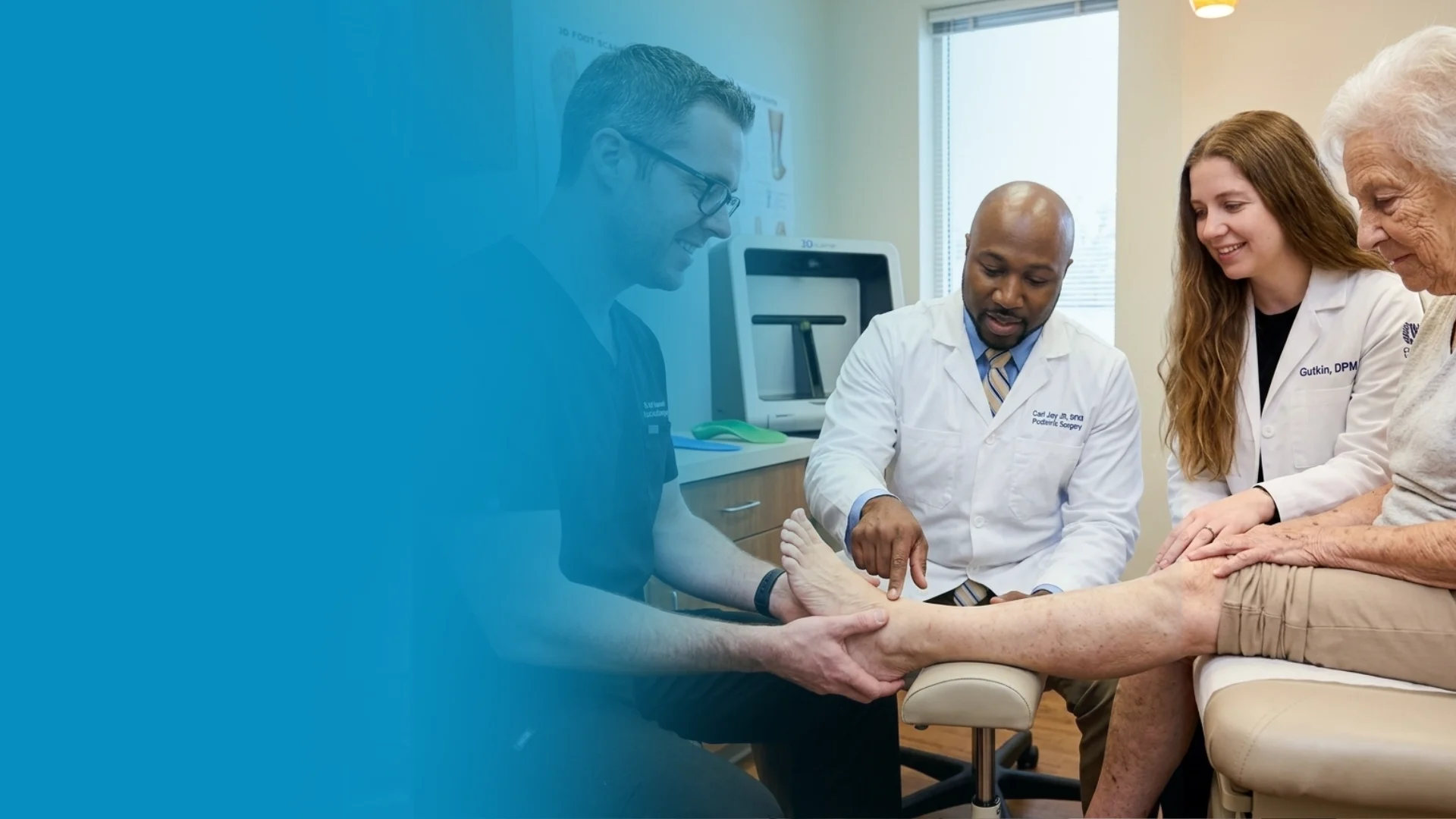
![How to Cure Plantar Fasciitis in One Week? [FAST Heel Pain Relief!]](https://www.michiganfootdoctors.com/wp-content/cache/flying-press/b5600c3bfb9845a6095da8266d8b5363.jpg)
Watch: How to Cure Plantar Fasciitis in One Week? [FAST Heel Pain Relief!] — MichiganFootDoctors YouTube
Foot Pain On Bottom: Quick Answer
Bottom of foot pain has many causes – distinguishing them is important for proper treatment. We help dozens of patients yearly at Balance Foot and Ankle. Here is the comprehensive bottom of foot pain guide.
Most Common Bottom of Foot Pain Causes
1. Plantar fasciitis: Most common cause; heel pain especially. 2. Heel fat pad atrophy: Common in elderly. 3. Metatarsalgia: Ball of foot pain. 4. Mortons neuroma: Burning between toes. 5. Sesamoiditis: Big toe joint area. 6. Plantar warts: Common; sometimes painful. 7. Foreign body: Splinter, glass, tack. 8. Stress fracture: Various locations. 9. Tarsal tunnel syndrome: Burning, tingling. 10. Calluses: Pressure points.
Pain Location on Bottom of Foot
Heel pain: Plantar fasciitis (#1); heel fat pad atrophy; calcaneal stress fracture; tarsal tunnel; rarely tumors. Arch pain: Plantar fasciitis (proximal); flat foot mechanics; tarsal tunnel; sometimes accessory navicular. Ball of foot pain: Metatarsalgia; sesamoiditis (1st metatarsal area); Mortons neuroma; capsulitis. Toe pain: Various toe-specific conditions.
Plantar Fasciitis (Most Common)
Plantar fasciitis: Most common cause of heel and arch pain. Classic pattern: Sharp/stabbing heel pain on first steps; improves over 5-10 minutes of walking; gradually worsens during day with activity; bad again after sitting then standing. Treatment: Plantar fascia stretching; calf stretching; ice; quality supportive shoes; arch support (custom orthotics or quality OTC); plantar fasciitis night splint; ESWT or injection if severe.
Heel Fat Pad Atrophy
Heel fat pad atrophy: Common in older adults and runners. Pattern: Bruise-like heel pain especially on first steps; worse on hard surfaces; persistent throughout day. Causes: Aging (natural fat pad thinning); trauma; long-term cortisone use; chronic running on hard surfaces. Treatment: Cushioned heel cups or pads; quality cushioned shoes; reduce time on hard surfaces; sometimes custom orthotics with extra heel cushion.
Metatarsalgia
Metatarsalgia: Ball of foot pain. Causes: High-impact activities; high-arched foot; bunions changing weight bearing; fat pad atrophy under metatarsals; Mortons neuroma; capsulitis. Symptoms: Pain in ball of foot; sometimes “feels like walking on a stone”; worse with activity; better with rest. Treatment: Metatarsal pads; proper shoes; custom orthotics; activity modification; sometimes injections.
Mortons Neuroma
Mortons neuroma: Common cause of burning between toes (especially 3rd-4th webspace). Symptoms: Burning, tingling, numbness; “pebble in shoe” sensation; sharp shooting pain sometimes; relief with shoe removal and massage. Triggers: Tight shoes; high heels; activities loading forefoot. Diagnosis: Clinical exam (Mulder click); ultrasound; sometimes MRI. Treatment: Wider shoes; metatarsal pads; injections; sometimes surgery.
Sesamoiditis
Sesamoiditis: Inflammation of sesamoid bones under big toe joint. Causes: Repetitive forefoot loading; high-impact sports; high arches. Symptoms: Pain under big toe joint; worse with weight bearing; sometimes swelling; pain with big toe extension. Treatment: Activity modification; sesamoid pad; orthotics; sometimes immobilization; rarely surgery (last resort).
Plantar Warts
Plantar warts: HPV-caused warts on bottom of foot. Symptoms: Painful with weight bearing (often more painful when squeezed than direct pressure); visible wart with small black dots (clotted blood vessels); sometimes mistaken for callus. Treatment: Many resolve on own; OTC salicylic acid; cryotherapy; podiatrist treatments (cantharidin, surgical removal); sometimes immune modulators.
When Bottom of Foot Pain Indicates Emergency
Same-day evaluation needed: Cant bear weight; severe acute injury; signs of infection (redness, warmth, fever); severe disproportionate pain; suspected stress fracture in athlete; foot ulcer in diabetic; signs of compartment syndrome; foreign body suspected. Most chronic pain: not emergency but should be evaluated.
When to See a Podiatrist
See us if: bottom of foot pain persists more than 1-2 weeks; suspected plantar fasciitis; need orthotic evaluation; suspected stress fracture; persistent burning sensation; suspected Mortons neuroma; suspected sesamoiditis; chronic conditions affecting daily activities; suspected plantar wart; suspected foreign body. Same-week appointments at Balance Foot and Ankle. Schedule online.
Podiatrist-Recommended Products

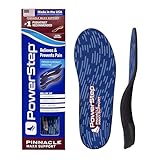
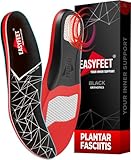

Frequently Asked Questions About Foot Pain On Bottom
What causes pain on the bottom of my foot?
Most common: plantar fasciitis (heel especially); heel fat pad atrophy; metatarsalgia (ball of foot); Mortons neuroma; sesamoiditis; plantar warts; foreign body; stress fracture; tarsal tunnel syndrome; calluses.
Why does my heel hurt on the bottom of my foot?
Most likely plantar fasciitis (#1 cause). Other possibilities: heel fat pad atrophy (especially elderly); calcaneal stress fracture; tarsal tunnel syndrome; rarely tumors. Worth evaluation if persists more than 2 weeks.
What causes ball of foot pain?
Metatarsalgia common; sesamoiditis (1st metatarsal area); Mortons neuroma (between toes); capsulitis. Causes: high-impact activities; high-arched foot; bunions changing weight bearing; fat pad atrophy under metatarsals.
Why does my arch hurt on the bottom of my foot?
Plantar fasciitis (proximal); flat foot mechanics; tarsal tunnel; sometimes accessory navicular. Treatment: orthotics; arch support; plantar fascia stretching; address foot mechanics.
What is Mortons neuroma?
Compressed nerve between toes (most often 3rd-4th webspace). Symptoms: burning, tingling, numbness; “pebble in shoe” sensation; sharp shooting pain. Triggers: tight shoes, high heels, activities loading forefoot. Treatment: wider shoes, metatarsal pads, injections.
How do I know if I have a plantar wart?
Symptoms: painful with weight bearing (often more painful when squeezed than direct pressure); visible wart with small black dots (clotted blood vessels); sometimes mistaken for callus. Treatment: many resolve on own; OTC salicylic acid; podiatrist treatments.
When should I see a podiatrist about bottom of foot pain?
Pain persists more than 1-2 weeks; suspected plantar fasciitis; need orthotic evaluation; suspected stress fracture; persistent burning sensation; suspected Mortons neuroma; suspected sesamoiditis; chronic conditions affecting daily activities.
Related Resources from Balance Foot & Ankle
Still Dealing With Foot Pain On Bottom?
Same-week appointments at Balance Foot & Ankle in Howell & Bloomfield Township, MI.
Book Your Appointment⚕ Doctor Recommended
Doctor Hoy’s Natural Pain ReliefTopical relief for foot & ankle pain
View Product →APMA: Foot Pain Location Guide
Ready to Get Relief?
Same-week appointments available in Howell & Bloomfield Township, MI
4.9★ | 1,123 Reviews | 3,000+ Surgeries
Or call: (810) 206-1402

Dr. Tom Biernacki, DPM is a board-certified foot & ankle surgeon (ABFAS & ABPM) at Balance Foot & Ankle Specialists in Southeast Michigan. With over a decade of clinical experience, he specializes in heel pain, bunions, diabetic foot care, sports injuries, and minimally invasive surgery. Dr. Biernacki is a member of the APMA and ACFAS, and his patient education content on MichiganFootDoctors.com and YouTube has made him one of the most-followed foot & ankle educators on YouTube.