
Medically reviewed by Dr. Tom Biernacki, DPM
Board-certified podiatric surgeon | Balance Foot & Ankle, Howell & Bloomfield Hills, MI
Last reviewed: May 2026

| Condition | Weight-Related Risk Increase | Mechanism | Priority Treatment |
|---|---|---|---|
| Plantar fasciitis | 5.6× higher at BMI >30 | Chronic overloading of calcaneal fascia insertion | Maximum cushion shoes, custom orthotics, calf stretching, weight reduction |
| Adult-acquired flatfoot (PTTD) | High (strongest in BMI >35) | TP tendon overwhelmed by excess arch load; progressive collapse | Orthotics (UCBL or Arizona brace for Stage 2+); PT; surgical reconstruction for advanced stages |
| Metatarsalgia | Moderate-high; correlates with BMI | Excess plantar pressure on metatarsal heads | Metatarsal pad orthotics; rocker sole shoes; callus debridement |
| Ankle osteoarthritis | Significantly accelerated | Cartilage loading multiplied; prior sprains + weight = rapid degeneration | Ankle brace; PT; rocker sole; surgical consult (replacement/fusion) for severe cases |
| Gout | Moderate (via uric acid elevation) | Hyperuricemia from metabolic syndrome + alcohol + purine load | Urate-lowering therapy (allopurinol); dietary modification; acute: colchicine/NSAIDs |
| Peripheral neuropathy | Independent of diabetes (adiposity alone) | Metabolic + mechanical nerve compression | Blood sugar control; weight reduction; protective footwear; neuropathic pain agents |
| Shoe Feature | Why Critical for Overweight Patients | Recommended Spec | Examples |
|---|---|---|---|
| Maximum cushion midsole (30mm+) | Higher body weight fully compresses standard midsoles faster; need thicker EVA/PEBA | 30–40mm heel stack; high-density foam | Hoka Bondi, Brooks Beast, NB 990 |
| Wide fit (2E/4E men; D/2E women) | Arch collapse widens foot; narrow shoes cause corns, blisters, bunion progression | Wide or extra-wide; measure both feet; buy larger | New Balance (wide sizing leader), Brooks, ASICS |
| Stability/motion control category | Overpronation amplified by excess weight; medial arch post needed | Dual-density midsole or medial post; firm rear-foot | Brooks Beast, ASICS GT-4000, NB 860 |
| Firm heel counter | Flimsy counters collapse quickly under heavier load; calcaneal eversion worsens | Press-test heel counter; should not collapse with thumb pressure | Most motion control and stability categories |
| Rocker sole | Redistributes plantar pressure; reduces forefoot peak pressure 30–40% | Mild-moderate rocker; HOKA Bondi geometry | Hoka Bondi, MBT, Dr. Comfort rocker styles |
Quick answer: Foot Pain Overweight has multiple potential causes including mechanical, neurological, vascular, and inflammatory. The most common causes we identify are overuse, ill-fitting shoes, and biomechanical imbalance. Red flags requiring urgent evaluation: warmth/redness (infection), inability to bear weight (fracture), and unilateral swelling without injury (DVT). Call (810) 206-1402.
Medically Reviewed | Dr. Tom Biernacki, DPM | Board-Certified Podiatrist | Balance Foot & Ankle, Michigan
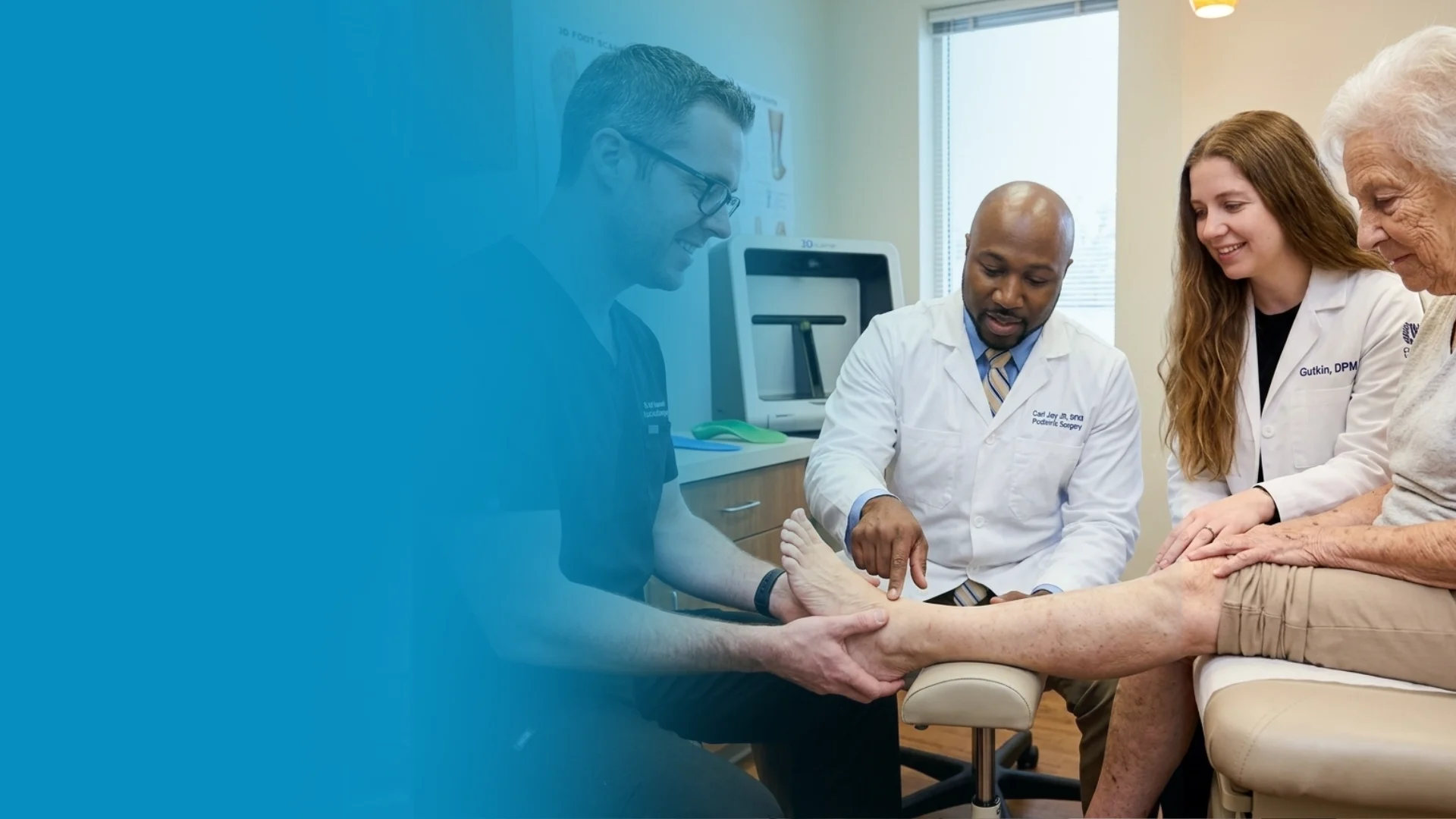
![How to Cure Plantar Fasciitis in One Week? [FAST Heel Pain Relief!]](https://www.michiganfootdoctors.com/wp-content/cache/flying-press/b5600c3bfb9845a6095da8266d8b5363.jpg)
Watch: How to Cure Plantar Fasciitis in One Week? [FAST Heel Pain Relief!] — MichiganFootDoctors YouTube
The most important clinical decision with Foot Pain Overweight isn’t which treatment to start with — it’s identifying the correct subtype. That changes everything. Call (810) 206-1402.
Foot Pain Overweight: Quick Answer
Excess weight is one of the most under-recognized causes of foot pain – and one of the most modifiable. Each pound of body weight equals 4 pounds of foot loading during walking. We help thousands of patients yearly at Balance Foot and Ankle understand the weight-foot pain connection. Here is what you need to know.
The 4:1 Weight Loading Rule
Each pound of body weight = approximately 4 pounds of force on your feet during walking (and 6-8 pounds during running). So a 200-pound person: generates 800+ pounds of force on each foot during walking; 1200+ pounds during running. 20 pounds of excess weight = 80 pounds of additional foot loading per step. This explains why even modest weight loss dramatically improves foot pain.
Common Foot Conditions Worsened by Weight
1. Plantar fasciitis: 4-6x more common in obese patients. 2. Arthritis (foot, knee, hip): Each pound of weight loss reduces arthritis pain significantly. 3. Posterior tibial tendon dysfunction (PTTD): Weight gain triggers progressive flat foot in many patients. 4. Stress fractures: Higher rates with obesity. 5. Charcot foot in diabetics with obesity. 6. Metatarsalgia: Increased forefoot loading. 7. Bunions: Progress faster. 8. Hammertoes: Progress faster.
Why Even Small Weight Loss Helps
10 pound weight loss = 40 pound reduction in foot loading per step. 20 pound weight loss = 80 pound reduction per step (over time, this is millions of pounds of cumulative load reduction). Studies show: 5-10% body weight loss improves arthritis pain by 30-50%; reduces plantar fasciitis recurrence; allows return to activities; sometimes prevents need for surgery. Weight loss may be the single most effective long-term foot pain treatment for overweight patients.
Modern Weight Loss Options
1. Lifestyle modifications: Mediterranean diet, low-carb diet, intermittent fasting; resistance training; cardio (low-impact – swimming, cycling, elliptical to protect feet during weight loss). 2. GLP-1 agonist medications: Semaglutide (Wegovy/Ozempic), tirzepatide (Mounjaro/Zepbound) – revolutionary weight loss tools, 15-20% weight loss possible. 3. Bariatric surgery: For severe obesity (BMI greater than 40 or 35 with complications). 4. Behavioral therapy: Often essential for long-term success. 5. Combination approach: Often most effective.
Foot-Friendly Exercise During Weight Loss
BEST exercises (low foot impact): Swimming and pool walking: Zero impact; excellent cardio. Cycling (stationary or recumbent): Low impact. Elliptical: Low impact, full body. Rowing machine: Low impact, upper and lower body. Resistance training: Builds muscle that helps maintain weight loss. AVOID HIGH-IMPACT: Running, jumping, basketball – protect feet during weight loss process.
Footwear and Orthotics for Heavier Patients
Maximum cushioning: Hoka Bondi (best – maximum cushion), Brooks Beast (max stability), New Balance 1080 (max comfort). Wide widths needed: heavier patients often have wider feet. Custom orthotics: recommended; reduce pressure on stressed structures; may be insurance-covered for documented medical necessity. Replace shoes more frequently: every 6-9 months for heavier patients (vs 9-12 for lighter).
Plantar Fasciitis and Weight
Bidirectional relationship: Weight worsens plantar fasciitis; pain limits exercise that would help weight loss. Breaking the cycle: 1. Custom orthotics + supportive shoes for immediate symptom relief. 2. Daily stretching. 3. Switch to non-weight-bearing exercise for cardio (swimming, cycling). 4. Address weight with appropriate strategy. 5. Once pain controlled, gradually increase walking. Most patients can break this cycle with proper coordinated approach.
When Foot Pain Limits Weight Loss
Common scenarios: Cant exercise enough to lose weight because feet hurt; cant walk for fitness; food cravings worsen sedentary patterns. Solutions: 1. Switch to non-weight-bearing cardio (swimming, cycling, elliptical). 2. Address foot pain aggressively first (custom orthotics, podiatry care). 3. Consider GLP-1 medications – reduce appetite while you cant exercise much. 4. Resistance training (sitting/lying exercises). 5. Bariatric surgery for severe cases.
When to See a Podiatrist
See us if: foot pain limits your ability to exercise; chronic foot pain related to weight; PTTD or progressive flat foot development; recurrent foot injuries despite proper care; you want to discuss foot-friendly exercise options. Multidisciplinary approach often needed – work with PCP, dietitian, exercise specialist, podiatrist together. Schedule a comprehensive foot evaluation at Balance Foot and Ankle.
Podiatrist-Recommended Products

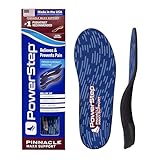
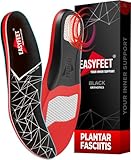

Frequently Asked Questions About Foot Pain Overweight
Does losing weight reduce foot pain?
Yes – dramatically. Each pound of weight loss reduces foot loading by 4 pounds per step. 5-10% weight loss improves arthritis and plantar fasciitis pain by 30-50% in many patients.
Why does excess weight cause foot pain?
4:1 ratio – each pound of body weight = 4 pounds of foot loading during walking. Excess weight overloads plantar fascia, joints, tendons (especially posterior tibial), and bones (stress fractures).
Whats the best exercise for overweight people with foot pain?
Low-impact cardio: swimming, pool walking, recumbent cycling, elliptical, rowing. Avoid high-impact exercise (running, jumping) until weight is reduced and pain controlled.
Will GLP-1 medications help foot pain?
Indirectly – by enabling weight loss they reduce foot loading. Not a direct foot pain treatment but very effective for the weight-foot pain cycle when other approaches have failed.
What shoes are best for overweight people?
Maximum cushioning shoes: Hoka Bondi 8, Brooks Beast 20, New Balance 1080v13. Wide widths often needed. Replace every 6-9 months (vs 9-12 for lighter patients).
Can custom orthotics help overweight patients?
Yes – custom orthotics provide significant pressure redistribution and reduce stress on plantar fascia, posterior tibial tendon, and joints. Insurance often covers for documented medical necessity.
How much weight do I need to lose for foot pain to improve?
5-10% body weight loss often produces significant improvement in foot pain (especially arthritis and plantar fasciitis). Even small amounts help due to the 4:1 loading ratio.
Related Resources from Balance Foot & Ankle
Still Dealing With Foot Pain Overweight?
Same-week appointments at Balance Foot & Ankle in Howell & Bloomfield Hills, MI.
Book Your Appointment⚕ Doctor Recommended
Doctor Hoy’s Natural Pain ReliefTopical relief for foot & ankle pain
View Product →⚠️ Most Common Mistake: Ignoring persistent foot pain and continuing normal activity without evaluation. Early podiatric care prevents minor foot issues from becoming chronic, difficult-to-treat conditions.
Frequently Asked Questions
🏥 Recommended by Dr. Biernacki — Foundation Wellness Products
These are the same products Dr. Biernacki recommends to his patients at Balance Foot & Ankle in Michigan. Available through our trusted partners.
NCBI: Obesity, BMI & Plantar Foot Pain
Ready to Get Relief?
Same-day appointments available in Howell & Bloomfield Hills, MI
4.9★ | 1,123 Reviews | 3,000+ Surgeries
Or call: (810) 206-1402

Dr. Tom Biernacki, DPM is a board-certified foot & ankle surgeon (ABFAS & ABPM) at Balance Foot & Ankle Specialists in Southeast Michigan. With over a decade of clinical experience, he specializes in heel pain, bunions, diabetic foot care, sports injuries, and minimally invasive surgery. Dr. Biernacki is a member of the APMA and ACFAS, and his patient education content on MichiganFootDoctors.com and YouTube has made him one of the most-followed foot & ankle educators on YouTube.