
Medically reviewed by Dr. Tom Biernacki, DPM
Board-certified podiatric surgeon | Balance Foot & Ankle, Howell & Bloomfield Township, MI
Last reviewed: May 2026

| Condition | First-Step Pain Location | Key Distinguishing Feature | First-Line Treatment |
|---|---|---|---|
| Plantar fasciitis | Medial heel, arch | Sharp, improves after 10 min walking; worse after rest | Stretching, night splint, orthotics, supportive shoes |
| Achilles tendinopathy | Posterior heel / tendon insertion | Stiffness posterior heel; improves with warm-up | Eccentric calf exercises, heel lift, night splint |
| Fat pad syndrome | Diffuse plantar heel | No arch pain; worse with direct heel contact; older adults | Gel heel cup, cushioned footwear, avoid barefoot |
| Gout | Big toe MTP joint (usually) | Sudden severe onset, often nocturnal; red/swollen joint | NSAIDs/colchicine immediately; uric acid management |
| Rheumatoid arthritis | Forefoot, multiple joints | Bilateral, prolonged morning stiffness >1 hour, systemic | Rheumatology referral; DMARDs |
| Tarsal tunnel syndrome | Arch, sole, medial ankle | Burning/tingling rather than sharp; positive Tinel’s sign | Orthotics, anti-inflammatory, injection; NCS for diagnosis |
| Morning Foot Pain Protocol | Before Getting Up | First 30 Minutes | Ongoing Management |
|---|---|---|---|
| Plantar fascia stretch in bed | 10–20 reps pulling toes back; hold 30 sec | Continue every time you sit | 3x daily minimum; calf stretching too |
| Night splint | Worn during sleep; maintains 90° dorsiflexion | Remove carefully; do bed stretches before standing | 70–80% of patients report improvement in 4–6 weeks |
| Supportive footwear | Keep slippers or shoes by bed | Never walk barefoot — arch immediately unsupported | Wear supportive footwear all day including at home |
| Frozen water bottle | Roll under arch 5 min before standing | Reduces inflammation before first step | Use post-activity as needed |
| Custom orthotics | N/A (worn in shoes) | Put on immediately with first supportive shoe | Best long-term solution for structural causes |
That stab in the heel with the first morning steps is the textbook plantar fasciitis — here is the fix.
You are in the right place. Dr. Tom Biernacki, DPM, FACFAS — board-certified foot & ankle surgeon with 3,000+ surgeries — explains exactly what foot pain when getting out of bed means and what works. Call (810) 206-1402 for same-week appointment at Howell or Bloomfield Township.
Quick answer: Foot Pain When Getting Out Of Bed has multiple potential causes including mechanical, neurological, vascular, and inflammatory. The most common causes we identify are overuse, ill-fitting shoes, and biomechanical imbalance. Red flags requiring urgent evaluation: warmth/redness (infection), inability to bear weight (fracture), and unilateral swelling without injury (DVT). Call (810) 206-1402.
Medically Reviewed | Dr. Tom Biernacki, DPM | Board-Certified Podiatrist | Balance Foot & Ankle, Michigan
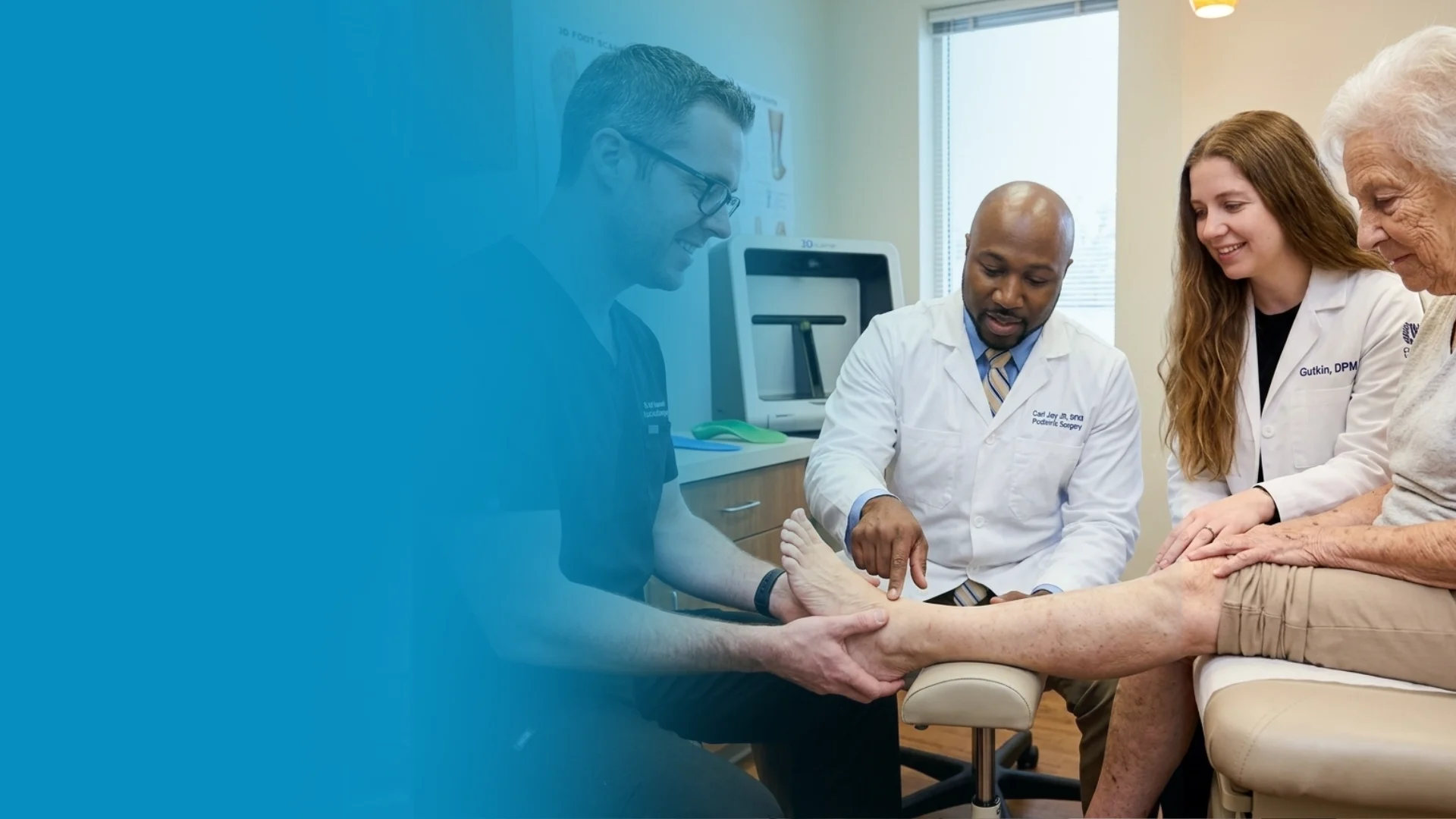
![How to Cure Plantar Fasciitis in One Week? [FAST Heel Pain Relief!]](https://www.michiganfootdoctors.com/wp-content/cache/flying-press/b5600c3bfb9845a6095da8266d8b5363.jpg)
Watch: How to Cure Plantar Fasciitis in One Week? [FAST Heel Pain Relief!] — MichiganFootDoctors YouTube
Foot Pain When Getting Out Of Bed: Quick Answer
Foot pain on the first steps out of bed in the morning is one of the most common podiatric complaints – and almost always indicates a treatable condition. We help dozens of patients yearly at Balance Foot and Ankle. Here is the comprehensive morning foot pain guide.
Most Common Causes of Morning First-Step Pain
1. Plantar fasciitis (#1 cause): Classic morning heel pain; improves after walking; worse again after sitting. 2. Achilles tendinitis: Morning Achilles stiffness common. 3. Foot arthritis: Various joints; worse after rest. 4. Tarsal tunnel syndrome: Burning/tingling; can be worse on first steps. 5. Heel fat pad atrophy: Pain on first steps especially. 6. Hagulund deformity: Back of heel pain. 7. Sesamoiditis: Big toe joint pain. 8. Mortons neuroma: Forefoot pain. 9. Bone bruise: From recent injury.
Plantar Fasciitis Pattern (Most Common)
Classic plantar fasciitis pattern: Sharp/stabbing heel pain on first steps; improves over 5-10 minutes of walking; gradually worsens during day with activity; bad again after sitting then standing. Why mornings worst: Plantar fascia tightens overnight; first steps stretch tightened tissue causing micro-tearing. Treatment: Plantar fascia stretching; calf stretching; ice; quality supportive shoes; arch support (custom orthotics or quality OTC); plantar fasciitis night splint; ESWT or injection if severe.
The Plantar Fasciitis Stretch Routine
Before getting out of bed: 1. Plantar fascia stretch (toes flexed up using towel); 2. Calf stretch in bed (towel around foot, gentle pull); 3. Ankle circles. Standing: 1. Wall calf stretch (30 seconds each leg); 2. Plantar fascia rolling (frozen water bottle, lacrosse ball). This routine: dramatic difference for many plantar fasciitis sufferers.
Foot Arthritis Morning Pain
Foot arthritis: Various types affect feet (osteoarthritis, rheumatoid, gout, psoriatic). Pattern: Morning stiffness lasting 30+ minutes (rheumatoid); first-step pain that improves with activity; pain in specific joints. Most affected joints: Big toe joint; midfoot joints; ankle joint; sometimes multiple joints. Workup: X-rays; sometimes blood tests (rheumatoid factor, CCP, uric acid). Treatment: Depends on type; orthotics often help; sometimes injections; medications.
Heel Fat Pad Atrophy
Heel fat pad atrophy: Common in older adults and runners. Pattern: Bruise-like heel pain especially on first steps; worse on hard surfaces; persistent throughout day. Causes: Aging (natural fat pad thinning); trauma; long-term cortisone use; chronic running on hard surfaces. Treatment: Cushioned heel cups or pads; quality cushioned shoes; reduce time on hard surfaces; sometimes custom orthotics with extra heel cushion; in severe cases injectable fillers (limited evidence).
Achilles Tendinitis Morning Pattern
Achilles tendinitis: Morning stiffness very common. Pattern: Tightness/pain in Achilles region; improves with walking; worse with first steps; sometimes audible “creaking”. Treatment: Calf stretching; eccentric calf strengthening (Alfredson protocol); ice after activity; activity modification; sometimes heel lifts; ESWT in chronic cases. Avoid: Aggressive stretching of acutely inflamed tendon.
When First-Step Pain Indicates Emergency
Same-day evaluation needed: Sudden severe first-step pain after recent injury (rule out fracture); first-step pain with severe swelling or bruising; first-step pain with red streaking up leg (cellulitis); first-step pain with non-healing wound (especially diabetics); first-step pain with significant deformity. Most chronic morning pain: not emergency but should be evaluated within weeks.
Treatment Approach for Morning Foot Pain
Step 1: Identify cause (most likely plantar fasciitis, but other diagnoses possible). Step 2: Conservative treatment: Stretching routine; quality footwear; arch support; ice; activity modification; weight management. Step 3: If not improving in 4-8 weeks: Custom orthotics; physical therapy; sometimes injection; consideration of advanced treatments. Step 4: Persistent cases: ESWT; plasma-rich plasma (PRP); rarely surgery.
Prevention Strategies
Long-term prevention: Daily plantar fascia and calf stretching; quality supportive shoes (NOT flats/slippers); maintain healthy weight; address foot mechanics with custom orthotics if indicated; avoid going barefoot on hard surfaces extensively; address foot pain promptly before chronic. Special populations: Diabetics need extra vigilance; runners need adequate recovery; older adults need proactive foot care.
When to See a Podiatrist
See us if: morning foot pain persists more than 1-2 weeks; significantly affecting quality of life; suspected plantar fasciitis; need for custom orthotic evaluation; need for injection consideration; suspected arthritis; suspected stress fracture; new morning pain in older adult; morning pain with other concerning symptoms. Same-week appointments at Balance Foot and Ankle. Schedule online.
Podiatrist-Recommended Products

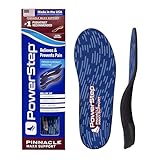
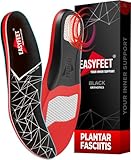

Frequently Asked Questions About Foot Pain When Getting Out Of Bed
Why do my feet hurt when I get out of bed?
Most commonly: plantar fasciitis (classic morning heel pain). Other causes: Achilles tendinitis, foot arthritis, tarsal tunnel syndrome, heel fat pad atrophy, sesamoiditis, Mortons neuroma, bone bruise from recent injury.
What is the morning pattern of plantar fasciitis?
Sharp/stabbing heel pain on first steps; improves over 5-10 minutes of walking; gradually worsens during day with activity; bad again after sitting then standing. Plantar fascia tightens overnight – first steps stretch tightened tissue.
How do I stop foot pain in the morning?
Pre-bed and pre-step routine: plantar fascia stretch in bed; calf stretch; ankle circles. Standing: wall calf stretch; plantar fascia rolling. Quality supportive shoes immediately upon getting up; avoid barefoot on hard surfaces.
Why does my heel hurt when I first get out of bed?
Most likely plantar fasciitis (#1 cause). Other possibilities: heel fat pad atrophy (especially elderly); calcaneal stress fracture; Achilles insertional tendinitis. Worth evaluation if persists more than 2 weeks.
Should I stretch before getting out of bed?
YES – especially if you have plantar fasciitis or Achilles issues. Pre-step routine: plantar fascia stretch (towel pull); calf stretch in bed; ankle circles. Dramatic difference for many sufferers.
What shoes should I wear first thing in the morning?
Quality supportive shoes – NOT flat slippers, flip-flops, or barefoot on hard surfaces. Vionic Tide; Olukai Ohana; supportive house shoes. Quality arch support critical first thing in morning.
When should I see a podiatrist about morning foot pain?
Pain persists more than 1-2 weeks; significantly affecting quality of life; suspected plantar fasciitis; need orthotic evaluation; need injection consideration; suspected arthritis or stress fracture; new pain in older adult.
Related Resources from Balance Foot & Ankle
Still Dealing With Foot Pain When Getting Out Of Bed?
Same-week appointments at Balance Foot & Ankle in Howell & Bloomfield Township, MI.
Book Your AppointmentFrequently Asked Questions
When should I see a doctor?
See a podiatrist if pain persists past 2 weeks, prevents normal activity, or is accompanied by red-flag symptoms (warmth, swelling, numbness, inability to bear weight).
Can I treat this at home?
Mild cases respond to RICE protocol (rest, ice, compression, elevation), supportive shoes, and OTC anti-inflammatories. Persistent symptoms need professional evaluation.
How long does it take to heal?
Most soft tissue injuries resolve in 2-6 weeks with appropriate care. Bone injuries take 6-12 weeks. Chronic conditions need longer-term management.
⚠️ Most Common Mistake: Ignoring persistent foot pain and continuing normal activity without evaluation. Early podiatric care prevents minor foot issues from becoming chronic, difficult-to-treat conditions.
Frequently Asked Questions
🏥 Recommended by Dr. Biernacki — Foundation Wellness Products
These are the same products Dr. Biernacki recommends to his patients at Balance Foot & Ankle in Michigan. Available through our trusted partners.
In-Office Treatment at Balance Foot & Ankle
If home treatment isn’t providing relief for your foot pain, our podiatry team at Balance Foot & Ankle can help with same-week evaluations and advanced in-office care.
Foot Health & Care Resource Center (American Podiatric Medical Association)
Ready to Get Relief?
Same-week appointments available in Howell & Bloomfield Township, MI
4.9★ | 1,123 Reviews | 3,000+ Surgeries
Or call: (810) 206-1402

Dr. Tom Biernacki, DPM is a board-certified foot & ankle surgeon (ABFAS & ABPM) at Balance Foot & Ankle Specialists in Southeast Michigan. With over a decade of clinical experience, he specializes in heel pain, bunions, diabetic foot care, sports injuries, and minimally invasive surgery. Dr. Biernacki is a member of the APMA and ACFAS, and his patient education content on MichiganFootDoctors.com and YouTube has made him one of the most-followed foot & ankle educators on YouTube.