
Medically reviewed by Dr. Tom Biernacki, DPM
Board-certified podiatric surgeon | Balance Foot & Ankle, Howell & Bloomfield Township, MI
Last reviewed: May 2026

Quick answer: Foot Ulcer Prevention is a common foot/ankle topic that affects many patients. The 2026 evidence-based approach combines proper diagnosis, conservative-first treatment, and escalation only when needed. We treat this regularly at our Howell and Bloomfield Township practices. Call (810) 206-1402.
The most important clinical decision with Foot Ulcer Prevention isn’t which treatment to start with — it’s identifying the correct subtype. That changes everything. Call (810) 206-1402.
Why Prevention Is Critical for Diabetic Patients
Diabetes impairs wound healing through multiple mechanisms: peripheral neuropathy (loss of protective sensation), peripheral arterial disease (reduced blood flow for healing), and immune dysfunction (reduced ability to fight infection). A minor wound that would heal in days for a non-diabetic patient can progress to a deep infection, osteomyelitis, or limb-threatening ulcer in a diabetic patient — often without pain warning the patient that something is wrong.
The Diabetic Foot Ulcer Chain: Neuropathy (loss of sensation) → undetected pressure or trauma → breakdown of skin → ulceration → infection → osteomyelitis → amputation. Breaking this chain at any point saves the limb. The single best break point: prevention through daily inspection and proper footwear.
Daily Diabetic Foot Care Protocol
Inspect both feet every day — use a mirror for the bottom of the foot or ask a family member to check. Look for: new calluses, blisters, cuts, redness, swelling, drainage, color changes, or breaks in skin integrity. Wash feet daily in lukewarm water (test temperature with your elbow if neuropathy is present — hot water causes scalding burns in neuropathic feet). Dry thoroughly, especially between toes. Apply a thin layer of moisturizer to the bottom and sides of the foot — avoid between toes (moisture there promotes fungal growth). Never walk barefoot, even indoors. Inspect the inside of shoes before putting them on (foreign objects cause pressure sores in neuropathic feet).
Diabetic Footwear Standards
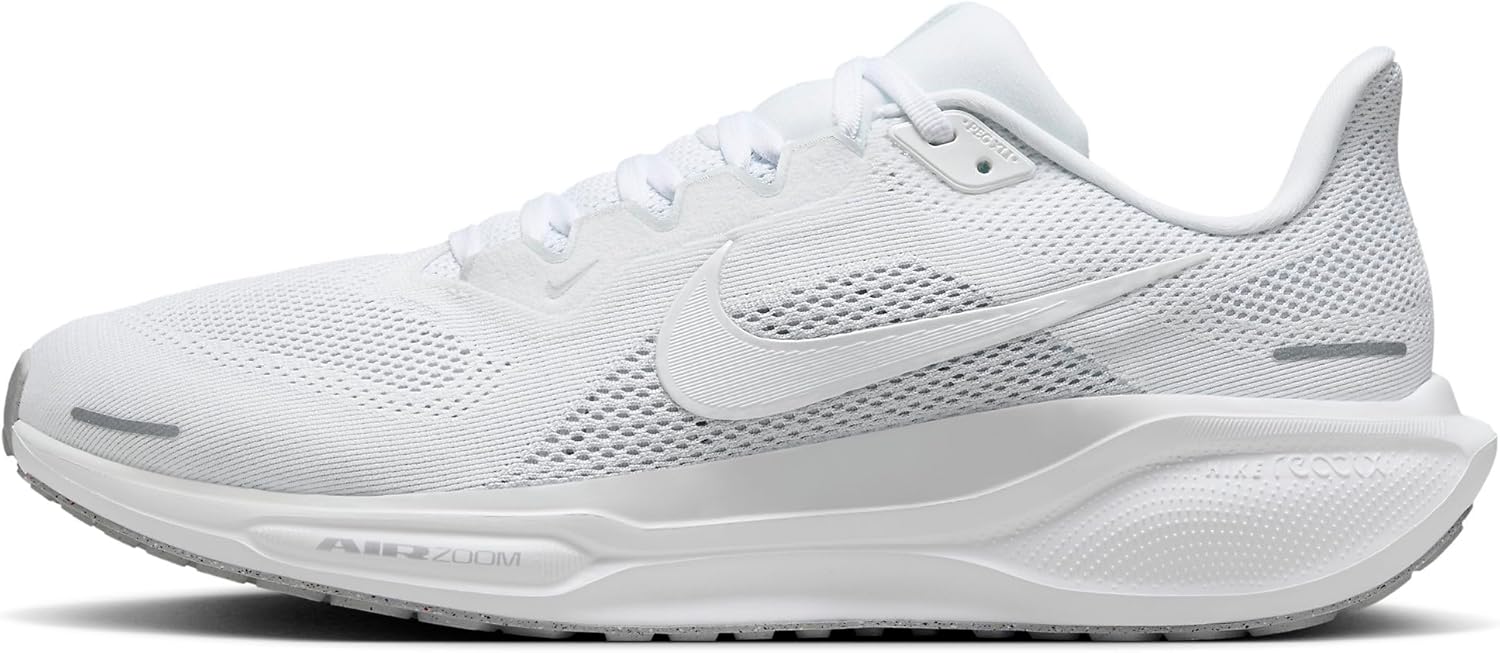
Therapeutic footwear for diabetic patients: extra depth to accommodate custom insoles and toe deformities, seamless interior to prevent friction, wide toe box, firm heel counter, and non-binding upper. Medicare Part B covers one pair of therapeutic shoes and three pairs of insoles per calendar year for qualifying diabetic patients — ask your podiatrist about eligibility. Custom orthotics redistribued plantar pressure and significantly reduce ulcer recurrence rates in high-risk diabetic feet.
Warning Signs Requiring Immediate Podiatry Evaluation
Call your podiatrist same-day for: any break in skin integrity, new callus with underlying bruising or fluid, redness or warmth in any area, drainage from a wound, a toe or area that looks different from yesterday. Go to the emergency room for: systemic fever with foot symptoms, rapidly spreading redness, streaking up the leg, or inability to bear weight from a foot wound.
In-Office Treatment at Balance Foot & Ankle
If home treatment isn’t providing relief for your diabetic foot, our podiatry team at Balance Foot & Ankle can help with same-day evaluations and advanced in-office care.
Frequently Asked Questions
How often should a diabetic see a podiatrist? Low-risk diabetics: annually. Patients with neuropathy, PAD, or prior ulcer history: every 1–3 months. Active ulcer: weekly until healed. Medicare covers routine foot care for qualifying diabetic patients — most commercially insured patients are also covered.
Can diabetic foot ulcers heal completely? Yes, with proper treatment — offloading (total contact casting or boot), infection control, vascular assessment, and wound care. Healing rates are significantly better when caught early. Chronic non-healing ulcers require advanced wound care including bioengineered skin substitutes, hyperbaric oxygen, or surgical debridement.
When Shoes Aren’t Enough — Dr. Tom’s Top 9 Orthotics
About 30% of patients I see for foot pain need MORE than a great shoe — they need a structured insole. Below: my complete 2026 orthotic ranking with pros, cons, and the specific patient I’d give each one to.




Dr. Tom Biernacki, DPM is a board-certified foot & ankle surgeon (ABFAS & ABPM) at Balance Foot & Ankle Specialists in Southeast Michigan. With over a decade of clinical experience, he specializes in heel pain, bunions, diabetic foot care, sports injuries, and minimally invasive surgery. Dr. Biernacki is a member of the APMA and ACFAS, and his patient education content on MichiganFootDoctors.com and YouTube has made him one of the most-followed foot & ankle educators on YouTube.