
Medically reviewed by Dr. Tom Biernacki, DPM
Board-certified podiatric surgeon | Balance Foot & Ankle, Howell & Bloomfield Township, MI
Last reviewed: May 2026
You are in the right place. Dr. Tom Biernacki, DPM, FACFAS — board-certified foot & ankle surgeon with 3,000+ surgeries — explains exactly what football turf toe injury means and what works. Call (810) 206-1402 for same-day appointment at Howell or Bloomfield Township.
Quick answer: Football Turf Toe is a common foot/ankle topic that affects many patients. The 2026 evidence-based approach combines proper diagnosis, conservative-first treatment, and escalation only when needed. We treat this regularly at our Howell and Bloomfield Township practices. Call (810) 206-1402.

The most important clinical decision with Football Turf Toe isn’t which treatment to start with — it’s identifying the correct subtype. That changes everything. Call (810) 206-1402.
What Is Turf Toe?
Turf toe is a sprain of the plantar plate and associated ligaments of the first metatarsophalangeal (MTP) joint—the joint where the big toe meets the foot. It occurs when the great toe is forced into hyperextension (bent too far upward) while the foot is planted, usually on the rigid surface of artificial turf. The mechanism is classically seen when a lineman is pushed forward with the foot planted flat and the toe bent back: the ligaments, joint capsule, and sometimes the sesamoid bones take the full force of the hyperextension.
The condition gets its name from the surface where it most commonly occurs. Natural grass fields have give—when a player plants their foot and force is applied, the turf partially absorbs the load. Artificial turf is rigid; the foot stops abruptly and all energy is transmitted to the first MTP joint. The proliferation of synthetic turf in high school, college, and professional football has directly increased turf toe incidence.
Turf toe is not a trivial injury. NFL data shows it results in an average of 7.3 missed games when Grade 2 or 3, and can have career-altering effects when managed poorly. Chronic turf toe—repeated incomplete healing with persistent joint damage—leads to hallux rigidus (stiff big toe arthritis) that is far harder to treat than the original injury.
Grading and Symptoms
Grade 1 (mild): Stretching of the plantar plate without macroscopic tearing. Point tenderness at the plantar MTP joint, minimal swelling, no instability. Player can often continue participating with discomfort. Recovery: 3–5 days.
Grade 2 (moderate): Partial plantar plate and capsule tear. Significant pain, swelling, ecchymosis (bruising), restricted range of motion, mild instability. Walking is painful. Player cannot continue. Recovery: 2–3 weeks.
Grade 3 (severe): Complete disruption of the plantar complex including sesamoid involvement (bipartite sesamoid, sesamoid fracture, sesamoid avulsion). Severe pain, marked swelling, significant instability, inability to bear weight. Recovery: 6–12 weeks for conservative management; surgical repair in selected cases.
MRI is the gold standard for grading—it accurately assesses plantar plate integrity, sesamoid status, and associated soft tissue injury. Plain X-rays assess sesamoid fractures and joint alignment. All Grade 2 and 3 injuries warrant MRI to guide appropriate management.
Treatment: Conservative and Surgical Management
Grade 1: Rigid footwear (carbon fiber toe plate), anti-inflammatory management, and modified activity. Players often continue playing with a rigid insert to prevent further hyperextension. Taping in plantarflexion restricts dorsiflexion and prevents re-injury during return to play.
Grade 2: Immobilization in walking boot for 2–4 weeks, followed by supervised rehabilitation. Functional rehabilitation focuses on great toe plantar flexion strength, proprioception, and progressive return to sport-specific loading. Carbon fiber plate in cleats for return to play.
Grade 3: Extended immobilization, comprehensive rehabilitation, and surgical consultation for complete plantar plate rupture or significant sesamoid pathology. Sesamoid fractures with displacement sometimes require surgical management. Return to competitive football: 3–6 months. Surgical cases: up to 6 months.
Prevention: Proper footwear with rigid forefoot and adequate insole support, limited use of flexible minimalist cleats on turf, and avoiding ‘beach-style’ or overly flexible athletic shoes on artificial surfaces.
Dr. Tom's Product Recommendations

PowerStep Pinnacle Insoles
⭐ Highly Rated
Firm insole that limits first MTP joint hyperextension during return to play. Use in combination with a carbon fiber plate for turf toe protection.
Dr. Tom says: “https://ws-na.amazon-adsystem.com/widgets/q?_encoding=UTF8&ASIN=B00HFMJRB0&Format=_SL250_&ID=AsinImage&MarketPlace=US&ServiceVersion=20070822&WS=1&tag=biernact-20”
PowerStep
⭐⭐⭐⭐⭐
Disclosure: We earn a commission at no extra cost to you.

Doctor Hoy’s Natural Pain Relief Gel
⭐ Highly Rated
Topical pain relief for turf toe during rehabilitation. Apply to first MTP joint for daily comfort management during return-to-play phase.
Dr. Tom says: “https://ws-na.amazon-adsystem.com/widgets/q?_encoding=UTF8&ASIN=B00BVYVSRY&Format=_SL250_&ID=AsinImage&MarketPlace=US&ServiceVersion=20070822&WS=1&tag=biernact-20”
Doctor Hoy’s
⭐⭐⭐⭐½
Disclosure: We earn a commission at no extra cost to you.
✅ Pros / Benefits
- Grade 1 injuries return to play within a week with proper management
- Clear staging system guides appropriate treatment intensity
- Rigid footwear modification allows continued play for mild cases
- Surgical options available for severe structural disruption
❌ Cons / Risks
- Grade 3 injuries cause 6-12+ weeks of missed play
- Undertreated turf toe leads to hallux rigidus over years
- Sesamoid injuries within turf toe complex are particularly slow to heal
- Artificial turf exposure is unavoidable in most football settings
Dr. Tom Biernacki’s Recommendation
Turf toe is one of those injuries where playing through it can end careers. The first MTP joint is critical for every push-off in running—when it’s damaged and not properly healed, every step reinforces the injury. Grade 1? Modified activity and a rigid insert is usually fine. Grade 2 or 3? Come in immediately for imaging and proper staging. The 2 weeks of treatment now saves 6 months of disability later.
— Dr. Tom Biernacki, DPM | Board-Certified Podiatric Surgeon | Balance Foot & Ankle
Frequently Asked Questions
Can football players play with turf toe?
Grade 1 injuries—sometimes, with a rigid insert and taping. Grade 2 and 3—no. Playing through moderate to severe turf toe dramatically worsens the injury.
How long does turf toe take to heal for a football player?
Grade 1: 3–5 days. Grade 2: 2–3 weeks. Grade 3: 6–12+ weeks. Surgical cases may require up to 6 months.
Does turf toe require surgery?
Most cases resolve without surgery. Complete plantar plate rupture or displaced sesamoid fracture may require surgical repair.
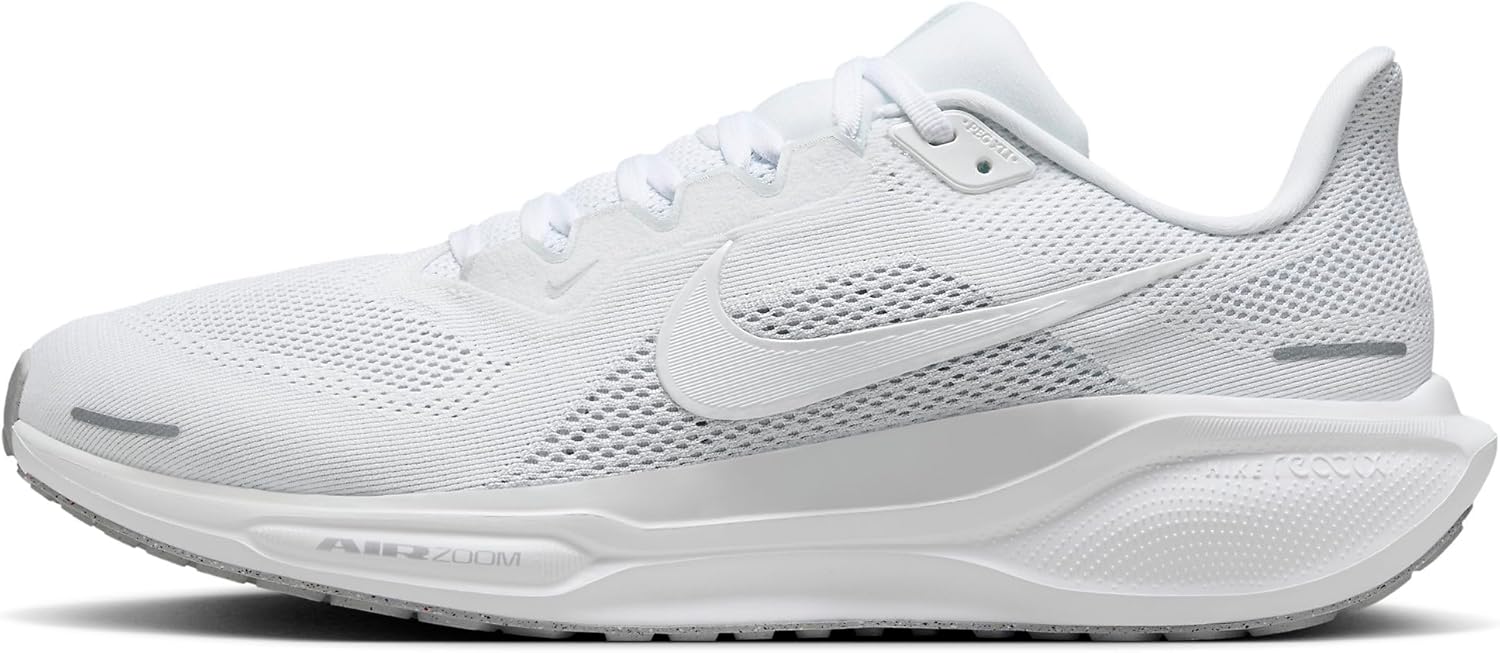
When Shoes Aren’t Enough — Dr. Tom’s Top 9 Orthotics
About 30% of patients I see for foot pain need MORE than a great shoe — they need a structured insole. Below: my complete 2026 orthotic ranking with pros, cons, and the specific patient I’d give each one to.




In-Office Treatment at Balance Foot & Ankle
If home treatment isn’t providing relief for your football turf toe, our podiatry team at Balance Foot & Ankle can help with same-day evaluations and advanced in-office care.
Frequently Asked Questions
When should I see a podiatrist?
If symptoms persist past 2 weeks, affect your normal activity, or are accompanied by red-flag symptoms (warmth, redness, swelling, inability to bear weight).
What does treatment cost?
Most diagnostic visits and conservative treatments are covered by Medicare and major insurers. Out-of-pocket costs vary by your specific plan.
How quickly can I get an appointment?
Most non-urgent cases see us within 5 business days. Urgent cases (sudden pain, possible fracture) typically same or next business day.
Ready to fix this for good?
Reading goes so far. The fastest path is a 30-minute office visit. Same-day Howell or Bloomfield Township. Call (810) 206-1402.
Ready to Get Relief?
Same-day appointments available in Howell & Bloomfield Township, MI
4.9★ | 1,123 Reviews | 3,000+ Surgeries
Or call: (810) 206-1402

Dr. Tom Biernacki, DPM is a board-certified foot & ankle surgeon (ABFAS & ABPM) at Balance Foot & Ankle Specialists in Southeast Michigan. With over a decade of clinical experience, he specializes in heel pain, bunions, diabetic foot care, sports injuries, and minimally invasive surgery. Dr. Biernacki is a member of the APMA and ACFAS, and his patient education content on MichiganFootDoctors.com and YouTube has made him one of the most-followed foot & ankle educators on YouTube.