
Medically reviewed by Dr. Tom Biernacki, DPM
Board-certified podiatric surgeon | Balance Foot & Ankle, Howell & Bloomfield Township, MI
Last reviewed: May 2026

| Treatment | Type | Cure Rate | Duration | Key Consideration |
|---|---|---|---|---|
| Oral terbinafine (Lamisil) | Systemic antifungal — allylamine | 70–80% mycologic cure; 38–50% complete cure | 12 weeks (toenail) | Liver function test required; most effective option; drug interactions |
| Oral itraconazole (Sporanox) | Systemic antifungal — triazole | 55–70% mycologic cure | Pulse dosing: 1 week on, 3 off × 3 cycles | More drug interactions than terbinafine; cardiac precautions; alternative if terbinafine contraindicated |
| Efinaconazole (Jublia) topical | Topical azole — nail-penetrating formulation | 17–18% complete cure at 48 weeks | 48 weeks daily application | Better penetration than older topicals; expensive; once-daily at bedtime; good safety profile |
| Tavaborole (Kerydin) topical | Topical oxaborole — small molecule penetration | ~7% complete cure at 52 weeks | 52 weeks daily | Small molecule enables better nail penetration vs ciclopirox; similar real-world cure rates to efinaconazole |
| Ciclopirox (Penlac) topical | Topical hydroxypyridone | 5–8% complete cure; 29–36% mycologic cure | 48 weeks | Oldest topical; requires weekly removal; lowest efficacy; useful only for very early/mild cases |
| MLS laser treatment | Device — photobiomodulation + heat | 60–75% improvement; variable cure rates by study | 3–4 sessions | No systemic side effects; good for patients who cannot take oral antifungals; not FDA-cleared as “cure” |
| Patient Profile | Recommended Treatment | Rationale |
|---|---|---|
| Healthy adult, no contraindications, moderate-severe infection | Oral terbinafine 250mg daily × 12 weeks | Highest cure rate; most evidence; cost-effective |
| Mild infection (<50% nail involved, no matrix involvement) | Efinaconazole topical × 48 weeks | Avoids systemic medication for limited disease |
| Liver disease or hepatotoxicity concern | Topical efinaconazole or laser; avoid oral antifungals | Oral terbinafine/itraconazole require hepatic metabolism; elevated risk |
| Multiple drug interactions (on many medications) | Topical first; consult pharmacist before oral | Terbinafine inhibits CYP2D6; itraconazole has broad interactions |
| Diabetes / immunocompromised | Oral terbinafine with monitoring; aggressive treatment warranted | Fungal nails are portal of entry for bacterial infection in diabetic feet |
| Recurrent infection after oral treatment | Combination: oral + topical post-treatment; nail debridement; laser | Nail debridement removes fungal reservoir; topical maintenance reduces recurrence |
Quick answer:Prescription treatment for toenail fungus includes oral antifungals (such as terbinafine) that clear the infection from the inside, and prescription-strength topical solutions for milder cases. A podiatrist confirms the fungus and chooses the safest option, sometimes adding laser for stubborn nails. Call (810) 206-1402.
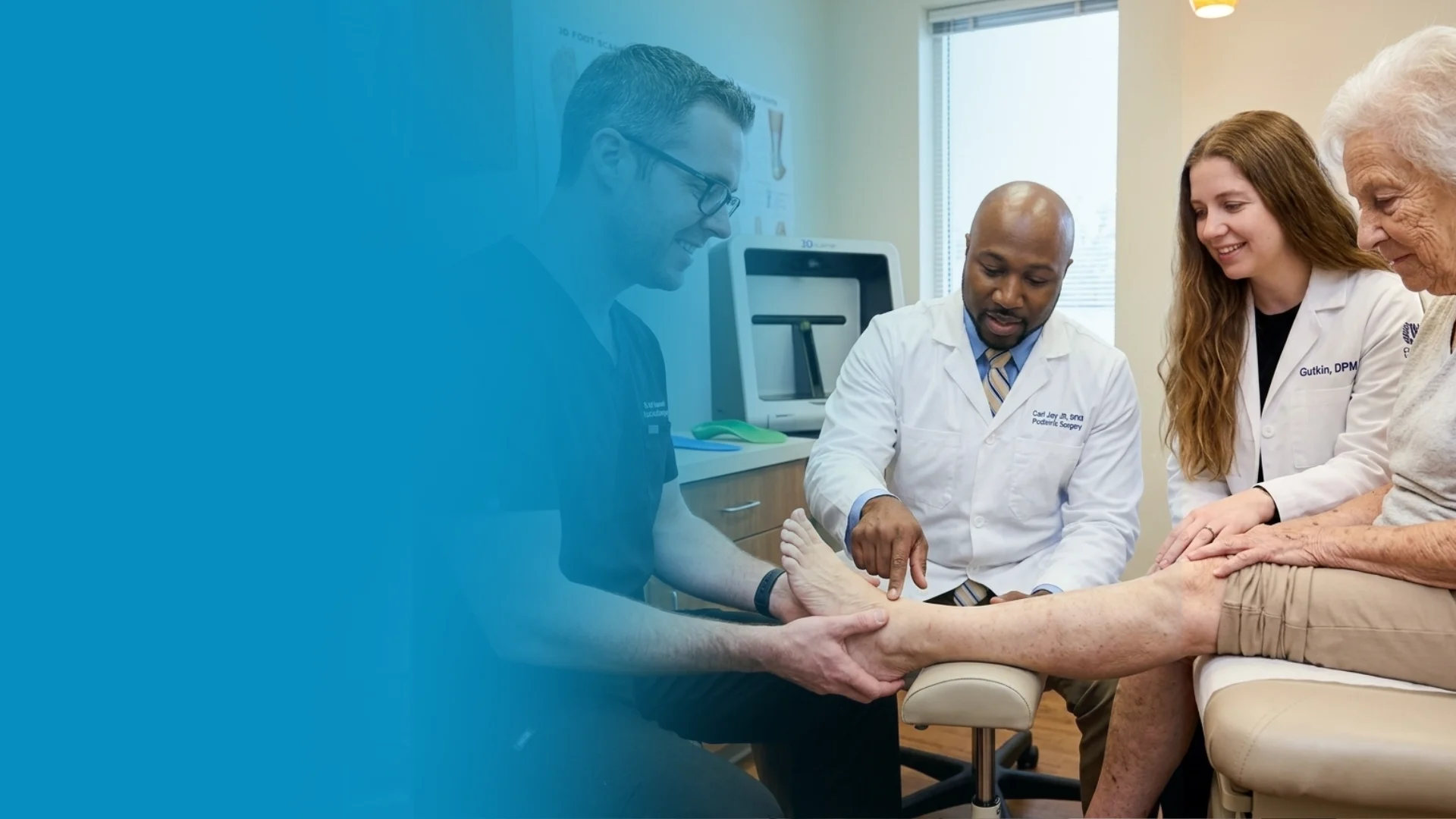

![Tea Tree Oil Toenail Fungus Home Treatment [Doctor Cure!]](https://www.michiganfootdoctors.com/wp-content/cache/flying-press/a434e04a532dc4826563b11aa0541dd4.jpg)
Watch: Tea Tree Oil Toenail Fungus Home Treatment [Doctor Cure!] — MichiganFootDoctors YouTube
The most important clinical decision with Fungal Toenail Prescription isn’t which treatment to start with — it’s identifying the correct subtype. That changes everything. Call (810) 206-1402.
Fungal Toenail Prescription: Quick Answer
OTC products for toenail fungus rarely cure infection – prescription medications are usually needed for moderate-severe cases. We prescribe these regularly at Balance Foot and Ankle. Here is the complete guide to fungal toenail prescription options including effectiveness, costs, and side effects.
Why OTC Often Fails
OTC topical antifungals (Lotrimin, Tinactin) cannot penetrate nail effectively. Cure rates: OTC topicals 5-15%; vinegar/folk remedies 5-15%; OTC laser devices 10-25%. Compared to prescription: Oral terbinafine 60-80%; topical efinaconazole/tavaborole 17-25%; combination treatments 70-85%. For moderate-severe fungal nails, prescription medications are needed for realistic chance of cure.
1. Oral Terbinafine (Lamisil) – Gold Standard
Effectiveness: 60-80% complete cure rate. Dose: 250mg daily for 12 weeks. Cost: $30 for full treatment course (generic). Pros: Most effective treatment available; works on multiple nails simultaneously. Cons: Requires liver function tests at baseline and 6 weeks; rare hepatotoxicity (less than 1%); drug interactions (warfarin, beta-blockers, MAO inhibitors). Contraindications: Active liver disease, alcoholism. Visible improvement: 3-6 months as nail grows out.
2. Oral Itraconazole (Sporanox)
Effectiveness: 60-70% cure rate. Dosing options: Continuous (200mg daily for 12 weeks) OR pulse therapy (400mg daily for 1 week per month for 3 months). Cost: $50-200/month. Pros: Pulse therapy reduces total drug exposure; useful when terbinafine contraindicated. Cons: More drug interactions than terbinafine; rare hepatotoxicity. Often second-line after terbinafine.
3. Topical Efinaconazole (Jublia)
Effectiveness: 17-25% cure rate. Dose: Apply to affected nails daily for 48 weeks. Cost: $50-100/month with insurance; $700+ without. Pros: No systemic absorption; safe for patients who cannot take oral antifungals; can be combined with oral therapy. Cons: Lower cure rate than oral; long treatment duration; expensive.
4. Topical Tavaborole (Kerydin)
Effectiveness: 15-20% cure rate. Dose: Apply daily for 48 weeks. Cost: Similar to Jublia. Pros: Smaller molecule may penetrate nail better than older topicals. Cons: Similar limitations to other topicals.
5. Combination Therapy (Best Overall)
Approach: Mechanical debridement (filing thick nail) + topical antifungal (efinaconazole or tavaborole) + oral terbinafine. Effectiveness: 70-85% cure rate. Cost: $50-300 total. Pros: Highest cure rate; addresses multiple aspects of infection. Cons: More effort; multiple treatments to manage. Most patients with moderate-severe fungus benefit from combination approach.
6. Mechanical Debridement (Adjunct)
What: Professional thinning of thickened fungal nail with rotary tool. Cost: $30-100 per visit. Frequency: Every 6-8 weeks. Why it helps: Reduces fungal mass, allows topical penetration, improves cosmetic appearance, relieves pressure pain from thick nails. Often combined with topical or oral antifungals for best results. Not curative alone but greatly enhances other treatments.
7. Laser Treatment
Effectiveness: 30-60% improvement; 15-30% complete cure. Cost: $200-500 per session, $600-3000 total course. NOT covered by insurance (considered cosmetic). Pros: Painless, no medications. Cons: Lower cure rate than oral terbinafine, expensive, multiple sessions needed. Reserved for patients who cannot take oral medications.
8. Surgical Nail Removal (Severe Cases)
Indications: Severe pain from thick fungal nail; chronic refractory infection; recurrent ingrown nails secondary to fungus. Procedures: Partial or complete nail avulsion with phenol matricectomy (permanent removal) or temporary removal with antifungal coverage. Cost: $250-600; covered by insurance for medical necessity. Recovery: 4-6 weeks. Reserved for failed medical therapy and symptomatic cases.
Choosing the Right Treatment
Mild involvement (less than 25% of nail): Topical antifungal (Jublia/Kerydin) for 48 weeks; consider oral if patient prefers shorter course. Moderate (25-75% involvement): Oral terbinafine 12 weeks plus mechanical debridement. Severe (greater than 75% involvement): Combination oral terbinafine plus topical efinaconazole plus debridement; consider surgical removal if symptomatic. Cannot take oral antifungals: Topical efinaconazole alone; laser; surgical removal. Schedule an evaluation for personalized treatment plan.
Recurrence Prevention
Recurrence rate after successful treatment: 25-40% over 5 years. Prevention: Treat athletes foot promptly, use antifungal foot powder daily, wear moisture-wicking socks, wear flip-flops in shared wet areas, treat shoes with antifungal spray, replace old shoes that may harbor fungus, dry feet thoroughly. Sometimes prophylactic topical antifungal after successful cure is recommended for high-risk patients.
Podiatrist-Recommended Products


Frequently Asked Questions About Fungal Toenail Prescription
What is the best prescription for toenail fungus?
Oral terbinafine (Lamisil) 250mg daily for 12 weeks – 60-80% cure rate at $30 cost. Best balance of effectiveness, safety, and cost. Combination therapy with topical and debridement increases success.
How effective are prescription topicals like Jublia?
Efinaconazole (Jublia) and tavaborole (Kerydin): 17-25% cure rate over 48 weeks. Better than OTC but much lower than oral terbinafine. Best for patients who cannot take oral medications.
Will my insurance cover toenail fungus treatment?
Oral terbinafine: yes, generic is cheap ($30 total course). Topical Jublia/Kerydin: variable coverage, often $50-100/month copay. Laser: usually NOT covered (considered cosmetic). Surgical removal: covered for medical necessity.
How long do toenail fungus treatments take?
Treatment duration: 12 weeks (oral) or 48 weeks (topical). Visible improvement: 3-6 months. Complete clearing: 9-18 months as nail grows out.
Can I take terbinafine if I have liver problems?
Avoid if active liver disease or alcoholism. Get baseline liver function tests; recheck at 6 weeks. Rare hepatotoxicity (less than 1%) usually reversible if caught early.
Will my toenails look normal after treatment?
50-80% of patients see significant cosmetic improvement. Severe infections often leave permanent changes (thickening, ridging) even after fungus is eliminated. Set realistic expectations.
Is laser treatment worth the cost?
Generally no – laser has 15-30% cure rate at $600-3000 cost. Oral terbinafine has 60-80% cure rate at $30 cost. Laser only makes sense if you cannot take oral medications.
Related Resources from Balance Foot & Ankle
- Toenail Fungus Treatment
- Toenail Fungus Vinegar
- Fungal Toenail Laser Treatment
- Athletes Foot Treatment Home
Still Dealing With Fungal Toenail Prescription?
Same-week appointments at Balance Foot & Ankle in Howell & Bloomfield Township, MI.
Book Your Appointment
Dr. Tom Biernacki, DPM is a board-certified foot & ankle surgeon (ABFAS & ABPM) at Balance Foot & Ankle Specialists in Southeast Michigan. With over a decade of clinical experience, he specializes in heel pain, bunions, diabetic foot care, sports injuries, and minimally invasive surgery. Dr. Biernacki is a member of the APMA and ACFAS, and his patient education content on MichiganFootDoctors.com and YouTube has made him one of the most-followed foot & ankle educators on YouTube.