Board Certified Podiatrists | Expert Foot & Ankle Care
(810) 206-1402 Patient Portal

Gastrocnemius Recession for Equinus Contracture: Treating the Tight Calf That Causes Foot Pain

Quick answer: Gastrocnemius Recession Equinus Contracture Surgery is a common foot/ankle topic that affects many patients. The 2026 evidence-based approach combines proper diagnosis, conservative-first treatment, and escalation only when needed. We treat this regularly at our Howell and Bloomfield Hills practices. Call (810) 206-1402.

Medically reviewed by Dr. Tom Biernacki, DPM — Board-Certified Podiatric Surgeon — Balance Foot & Ankle, Howell & Bloomfield Hills, MI. Last updated April 2026.

▶ Watch

YouTube video

Medically reviewed by Dr. Tom Biernacki, DPM | Board-certified podiatrist | 3,000+ surgeries performed
Last updated: April 2, 2026

Watch: Ankle conditions & surgical options
MICHIGAN PODIATRIST INSIGHT

The most important clinical decision with Gastrocnemius Recession Equinus Contracture Surgery isn’t which treatment to start with — it’s which subtype or underlying cause you actually have. That distinction changes everything. Call us: (810) 206-1402

Understanding Equinus Contracture and Its Effects on the Foot

Equinus contracture refers to limited upward bending of the ankle joint, specifically less than 10 degrees of dorsiflexion with the knee extended. This restriction is most commonly caused by a tight gastrocnemius muscle—the larger of the two calf muscles that crosses both the knee and ankle joints. When the gastrocnemius is too short or tight, it prevents the ankle from achieving adequate dorsiflexion during walking.

The downstream effects of equinus on the foot are profound and often underappreciated. When the ankle cannot dorsiflex sufficiently during the stance phase of gait, compensatory mechanisms develop throughout the foot. The midfoot collapses to gain apparent dorsiflexion, overloading the plantar fascia and posterior tibial tendon. The forefoot absorbs excessive pressure as the heel lifts prematurely, causing metatarsalgia and calluses.

Research shows that equinus contracture is present in up to 96% of patients with plantar fasciitis, 83% with Achilles tendinopathy, and 78% with adult-acquired flatfoot. Despite this strong association, equinus often goes undiagnosed because standard foot examinations may not include a formal Silfverskiold test to differentiate gastrocnemius tightness from combined Achilles contracture.

When Conservative Treatment Fails to Address the Root Cause

Conservative management of equinus includes daily calf stretching, night splints, physical therapy, and heel lifts. For many patients, a dedicated stretching program performed consistently for 8-12 weeks produces meaningful improvement in ankle dorsiflexion and reduces symptoms in the foot conditions driven by the tightness.

However, some patients have a structural gastrocnemius contracture that does not respond adequately to stretching. These patients may gain temporary improvement with aggressive stretching but cannot maintain adequate dorsiflexion for normal gait mechanics. When foot conditions like plantar fasciitis, Achilles tendinopathy, or flatfoot remain symptomatic despite 6-12 months of appropriate conservative treatment, addressing the underlying equinus surgically should be considered.

The key insight is that treating the downstream foot condition without addressing the equinus driving it often leads to recurrence. A patient with plantar fasciitis caused by equinus may improve temporarily with cortisone injections, orthotics, and shockwave therapy, but the plantar fascia will continue to be overloaded until the calf tightness is resolved.

The Gastrocnemius Recession Procedure

Gastrocnemius recession selectively lengthens the gastrocnemius muscle while preserving the soleus muscle and Achilles tendon. The most commonly performed technique is the Strayer procedure, which releases the gastrocnemius aponeurosis at the junction where the gastrocnemius meets the soleus in the mid-calf region.

Dr. Tom Biernacki performs the procedure through a small incision on the inner aspect of the mid-calf, typically 3-4 centimeters in length. The gastrocnemius aponeurosis is identified and released under direct visualization, allowing the ankle to achieve adequate dorsiflexion. The soleus muscle and Achilles tendon remain completely intact, preserving push-off strength.

An alternative technique, the endoscopic gastrocnemius recession, uses two small portal incisions and a camera to perform the release with minimal tissue disruption. This approach offers a smaller scar and potentially faster soft tissue healing, though the functional outcomes are equivalent to the open Strayer technique.

The procedure is frequently performed in combination with other foot surgeries. Patients undergoing flatfoot reconstruction, Achilles tendon repair, or plantar fascia release often benefit from concurrent gastrocnemius recession to address the equinus component and reduce the risk of recurrence of the primary foot condition.

Recovery and Rehabilitation Timeline

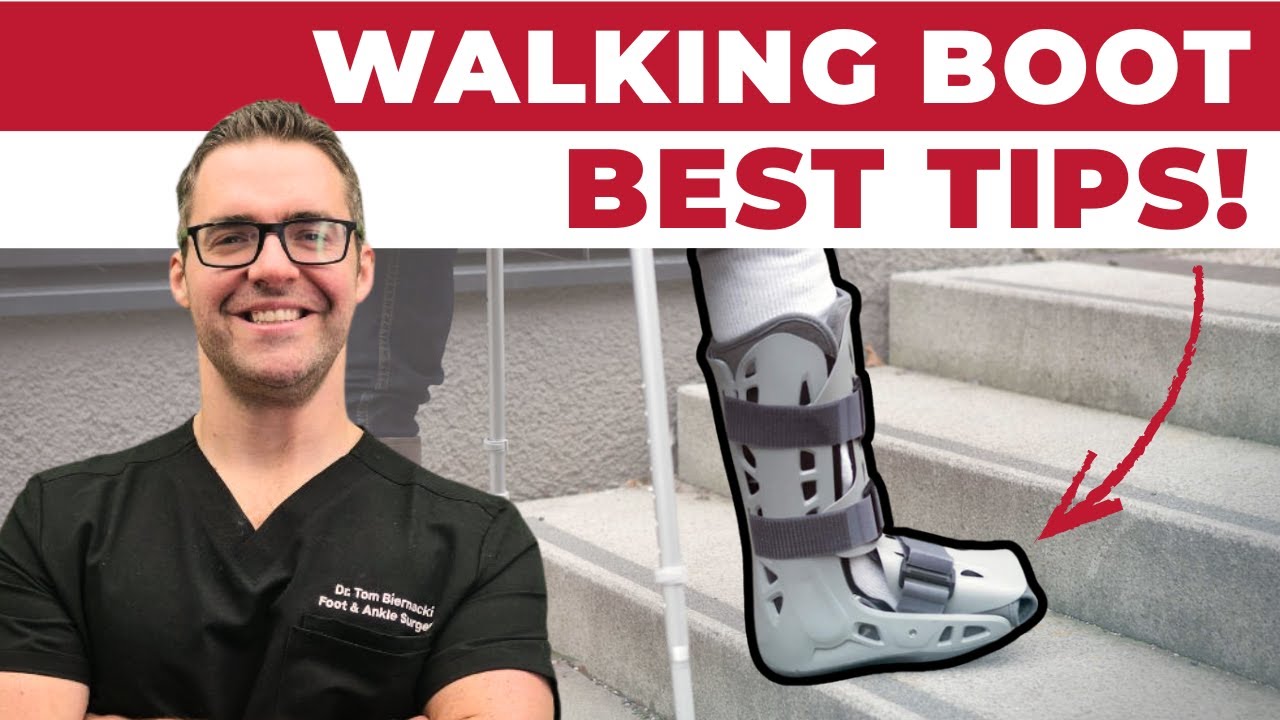
Recovery from isolated gastrocnemius recession is relatively straightforward compared to many foot surgeries. Most patients are weight-bearing in a walking boot immediately after surgery. The boot is worn for 2-4 weeks to protect the surgical site while the aponeurosis heals in its lengthened position.

Physical therapy begins at 2-3 weeks with gentle range of motion exercises and progressive calf stretching. Strengthening exercises for the calf complex start at 4-6 weeks, progressing from isometric holds to eccentric heel drops to full concentric calf raises over the following weeks. Most patients transition to regular shoes at 4-6 weeks.

Return to full activity including running and sports typically occurs at 8-12 weeks. Calf strength returns to pre-surgical levels by 3-4 months in most patients. A small percentage of patients report mild long-term calf weakness with maximum-effort activities, but this rarely affects daily function or recreational sports.

The most common post-operative concern is a temporary sensation of calf weakness or instability during the first few weeks. This reflects the change in muscle tension and resolves as the body adapts to the new muscle length. Patient education about this expected finding prevents unnecessary anxiety during recovery.

Outcomes and Success Rates

Gastrocnemius recession produces consistent, durable improvements in ankle dorsiflexion averaging 10-15 degrees beyond pre-operative measurements. This increase is maintained long-term, with studies showing persistent correction at 5- and 10-year follow-up.

When performed for appropriate indications, patient satisfaction rates exceed 90%. Patients with chronic plantar fasciitis who undergo gastrocnemius recession report significant pain reduction and improved function. Studies specifically examining recession for recalcitrant plantar fasciitis show 85-95% improvement rates, often superior to plantar fascia release alone.

Complication rates are low. Wound complications occur in approximately 3-5% of cases, most resolving with local wound care. Sural nerve injury causing numbness on the outer foot occurs in 1-3% of open procedures and is typically temporary. Deep vein thrombosis risk is similar to other lower extremity procedures and is minimized with early mobilization.

Is Gastrocnemius Recession Right for You?

The Silfverskiold test performed in the office determines whether a tight gastrocnemius is contributing to your foot condition. With the knee extended, Dr. Biernacki measures ankle dorsiflexion. If dorsiflexion is limited to less than 10 degrees with the knee straight but improves significantly with the knee bent, isolated gastrocnemius tightness is confirmed.

Candidates for gastrocnemius recession include patients with documented equinus contracture who have failed adequate conservative treatment for the foot condition being driven by the tightness. Common presenting conditions include chronic plantar fasciitis, recurrent Achilles tendinopathy, progressive adult flatfoot, chronic forefoot overload with metatarsalgia, and diabetic forefoot ulcers.

The decision to proceed with recession considers the severity of equinus, the foot condition being treated, patient activity level, and whether the recession would be performed in isolation or combined with other corrective procedures. A thorough discussion of expected outcomes and recovery ensures informed decision-making.

Warning Signs Requiring Urgent Evaluation

  • function bold() { [native code] } — undefined
  • function bold() { [native code] } — undefined
  • function bold() { [native code] } — undefined
  • function bold() { [native code] } — undefined

The Most Common Mistake We See

The most common mistake is treating the downstream foot condition repeatedly without ever evaluating for equinus contracture. Patients undergo multiple cortisone injections, courses of physical therapy, and even plantar fascia release surgery, only to have their symptoms recur because the tight calf muscle driving the problem was never addressed.

Recommended Products

[object Object]

[object Object]

[object Object]

[object Object]

In-Office Treatment at Balance Foot & Ankle

Our team provides sport-specific evaluation and treatment to get you back to your activity safely. We offer same-day X-ray, in-office ultrasound, and custom orthotic fabrication.

Same-day appointments available. Call (810) 206-1402 or book online.

More Podiatrist-Recommended Surgery Essentials

OOFOS Recovery Slide

OOFOS OOahh Recovery Slide

Post-op approved — impact-absorbing slide for early recovery.

HOKA Ora 3 Recovery Slide

Max-cushion recovery sandal — comfort for post-surgical swelling.

Hoka Bondi 9

Max-cushion walking shoe — ease into return-to-walking post-surgery.

As an Amazon Associate, Balance Foot & Ankle earns from qualifying purchases. Product recommendations are based on clinical experience; prices and availability shown above update live from Amazon.

Hammertoe Surgery What To Expect Balance Foot Ankle - Balance Foot & Ankle

When to See a Podiatrist

Foot and ankle surgery in 2026 is dramatically different than a decade ago — most procedures are now minimally-invasive, outpatient, and allow weight-bearing within days. Balance Foot & Ankle surgeons have performed 3,000+ foot/ankle surgeries with modern techniques. If another surgeon has recommended a traditional open procedure, a second opinion may reveal a faster, less-invasive option.

Call Balance Foot & Ankle: (810) 206-1402  ·  Book online  ·  Offices in Howell & Bloomfield Hills

Frequently Asked Questions

What is gastrocnemius recession surgery?

Gastrocnemius recession is a procedure that lengthens the tight gastrocnemius (calf) muscle to improve ankle dorsiflexion. It treats equinus contracture—limited ankle bending—which is a root cause of many chronic foot conditions including plantar fasciitis, Achilles tendinopathy, and flatfoot.

How long is recovery from gastrocnemius recession?

Most patients wear a walking boot for 2-4 weeks, transition to regular shoes at 4-6 weeks, and return to full activity at 8-12 weeks. Weight-bearing is typically allowed immediately after surgery. Full calf strength returns by 3-4 months.

Will gastrocnemius recession weaken my calf?

The procedure lengthens the gastrocnemius while preserving the soleus muscle and Achilles tendon. Most patients recover full functional strength by 3-4 months. A small percentage notice mild weakness with maximum-effort activities, but this rarely affects daily function or recreational sports.

Can gastrocnemius recession cure plantar fasciitis?

In patients whose plantar fasciitis is driven by equinus contracture, gastrocnemius recession addresses the root cause and produces 85-95% improvement rates. It is often more effective than treating the plantar fascia alone when significant equinus is present.

The Bottom Line

Gastrocnemius recession addresses the root biomechanical cause behind many chronic foot conditions. If you’ve been treated repeatedly for plantar fasciitis, Achilles pain, or flatfoot without lasting improvement, equinus contracture may be the missing piece. A simple in-office test can determine if this often-overlooked procedure could finally resolve your chronic foot pain.

In-Office Treatment at Balance Foot & Ankle

If home treatment isn’t providing relief for your foot and ankle conditions, our podiatry team at Balance Foot & Ankle can help with same-day evaluations and advanced in-office care.

Sources

  1. DiGiovanni, C.W. et al. (2024). Gastrocnemius recession for recalcitrant plantar fasciitis: 10-year outcomes. Foot and Ankle International, 45(6), 612-621.
  2. Maskill, J.D. et al. (2025). Prevalence of equinus contracture in common foot pathologies: A systematic review. Journal of Foot and Ankle Surgery, 64(1), 78-86.
  3. Abbassian, A. et al. (2024). Endoscopic versus open gastrocnemius recession: Randomized controlled trial. Foot and Ankle Surgery, 30(4), 289-296.
  4. Chimera, N.J. et al. (2025). Functional outcomes following isolated gastrocnemius recession: A prospective cohort study. Clinical Biomechanics, 112, 106-114.

Chronic Foot Pain That Won’t Go Away? It Could Be Your Calf

Dr. Tom Biernacki has performed over 3,000 foot and ankle surgeries with a 4.9-star rating from 1,123 patient reviews.

Book Your Evaluation

Or call (810) 206-1402 for same-day appointments

Gastrocnemius Recession Surgery in Michigan

Equinus contracture (tight calf muscles) contributes to many foot conditions. Dr. Tom Biernacki performs gastrocnemius recession at Balance Foot & Ankle to address the root cause of chronic foot problems.

Learn About Our Achilles & Calf Treatments | Book Your Appointment | Call (810) 206-1402

Clinical References

  1. DiGiovanni CW, et al. “Isolated gastrocnemius tightness.” J Bone Joint Surg Am. 2002;84(6):962-970.
  2. Maskill JD, et al. “Gastrocnemius recession to treat isolated foot pain.” Foot Ankle Int. 2010;31(1):19-23.
  3. Chimera NJ, et al. “Effects of gastrocnemius recession on foot mechanics.” Foot Ankle Int. 2012;33(5):400-406.

Insurance Accepted

BCBS · Medicare · Aetna · Cigna · United Healthcare · HAP · Priority Health · Humana · View All →

Ready to Get Back on Your Feet?

Same-week appointments available at both locations.

Book Your Appointment

(810) 206-1402

Watch: Dr. Tom explains

Podiatrist-recommended products

As an Amazon Associate, Dr. Tom earns from qualifying purchases.

Aircast Walker Boot

Post-op immobilization following gastroc recession.

View on Amazon →
PowerStep Pinnacle Insoles

Heel lift supports calf during early rehab.

View on Amazon →
FlexiKold Gel Cold Pack

Controls post-surgical swelling.

View on Amazon →
Doctor Hoy’s Pain Relief Gel

Topical relief during rehab.

View on Amazon →

Ready to solve this? Book today.

Same-week appointments · Howell & Bloomfield Hills · 4.9★ (1,123+ reviews)

☎ (810) 206-1402Book Online →

⚕ Doctor Recommended

PowerStep Pinnacle Insoles

Podiatrist-recommended arch support

View Product →

What is Foot pain?

Foot pain is a common foot/ankle condition that affects mobility and quality of life. Understanding the underlying cause is the first step in successful treatment. Our podiatrists at Balance Foot & Ankle perform a hands-on biomechanical exam, review your activity history, and use diagnostic imaging when appropriate to identify the root cause—not just treat the symptom. Many patients have been told to “rest and ice” without a deeper diagnostic workup; our approach is different.

Symptoms and warning signs

Common signs of foot pain include pain that worsens with activity, morning stiffness, swelling, tenderness when palpated, and difficulty bearing weight. If you experience sudden severe pain, inability to walk, visible deformity, numbness or color change, contact our office the same day or visit urgent care—these can signal a more serious injury such as a fracture, tendon rupture, or vascular compromise. Diabetics with any foot wound should seek same-day care.

Conservative treatment options

Most cases of foot pain respond to non-surgical care: structured rest, supportive footwear changes, custom orthotics, targeted stretching and strengthening protocols, anti-inflammatory medications when medically appropriate, and in-office procedures such as ultrasound-guided injections. We also offer advanced therapies including MLS laser therapy, EPAT/shockwave, regenerative injections, and image-guided procedures. Treatment is sequenced from least invasive to most invasive, and we explain the rationale at every step.

When is surgery considered?

Surgery is reserved for cases that fail 3-6 months of well-structured conservative care, when there is structural pathology (severe deformity, complete tear, advanced arthritis), or when imaging shows damage that will not heal without intervention. Our surgeons have performed 3,000+ foot and ankle procedures and prioritize minimally-invasive techniques whenever appropriate. We discuss recovery timelines, return-to-activity milestones, and realistic outcome expectations before any procedure is scheduled.

Recovery timeline and prevention

Recovery from foot pain varies based on severity and chosen treatment path. Conservative cases often improve within 4-8 weeks with consistent adherence to the protocol. Post-procedural recovery may range from a few days (in-office procedures) to several months (reconstructive surgery). Long-term prevention involves footwear assessment, activity modification, structured strengthening, and regular check-ins with your podiatrist if you have a history of recurrence. We provide written home-exercise plans and digital follow-up support.

Reviewed by Dr. Tom Biernacki, DPM — Board-certified podiatrist, Balance Foot & Ankle, Howell & Bloomfield Hills, MI. 4.9-star rating across 1,123+ patient reviews. Schedule an evaluation | (810) 206-1402

Ready to feel better?

Same-week appointments available in Howell and Bloomfield Hills, Michigan.

Book Your Visit
Balance Foot & Ankle surgeons are affiliated with Trinity Health Michigan, Corewell Health, and Henry Ford Health — three of Michigan’s largest health systems.