

Quick answer: Handball Racquetball Court Sports Foot Injuries Direction Changes is a common foot/ankle topic that affects many patients. The 2026 evidence-based approach combines proper diagnosis, conservative-first treatment, and escalation only when needed. We treat this regularly at our Howell and Bloomfield Township practices. Book online or call (810) 206-1402.
Medically Reviewed Content
Quick Answer: Common Handball & Racquetball Foot Injuries
Handball and racquetball demand explosive lateral movements, rapid direction changes, and sustained high-intensity play on hard court surfaces — creating unique foot and ankle injury patterns. The most common injuries include lateral ankle sprains from quick pivots, plantar fasciitis from repetitive impact, Achilles tendinopathy from explosive starts and stops, metatarsal stress fractures from court pounding, and toe injuries from wall collisions. Proper court shoes with lateral support, quality insoles, and targeted conditioning significantly reduce injury risk. Early treatment prevents minor court injuries from becoming chronic conditions that end your playing career.
In This Complete Guide
Handball and racquetball are among the most physically demanding court sports — combining the lateral agility of tennis with the confined space and wall play that creates unique collision and deceleration injury patterns. At our Southeast Michigan practice, we treat recreational and competitive court sport players who sustain everything from acute ankle sprains during tournament play to chronic overuse conditions that develop over seasons of hard court pounding. The enclosed court environment amplifies injury risk because walls limit movement options, players frequently collide with surfaces at speed, and the hard court provides minimal shock absorption compared to outdoor playing surfaces.
Court Sport Biomechanics and Foot Stress
Handball and racquetball generate distinctive biomechanical demands on the foot and ankle that differ significantly from linear sports like running. The dominant movement pattern is multi-directional — players must accelerate, decelerate, pivot, lunge, and change direction within milliseconds in response to ball trajectory. These rapid direction changes generate lateral forces of 2–3 times body weight through the ankle complex, compared to the primarily vertical forces of running. The forefoot absorbs enormous pressure during push-off maneuvers, while the lateral ankle stabilizers are under constant demand to prevent inversion injuries.
The court surface itself contributes to injury patterns. Hard indoor courts provide excellent traction and consistent ball bounce but offer minimal shock absorption — every stride, pivot, and landing transmits peak forces directly through the musculoskeletal system. Wooden floors provide somewhat more compliance than concrete-based surfaces, but both generate significantly higher impact loads than synthetic outdoor surfaces. The enclosed environment also creates heat and humidity that increase foot perspiration, accelerating blister development and reducing shoe grip as moisture accumulates.
Ankle Sprains: The Most Common Court Sport Injury
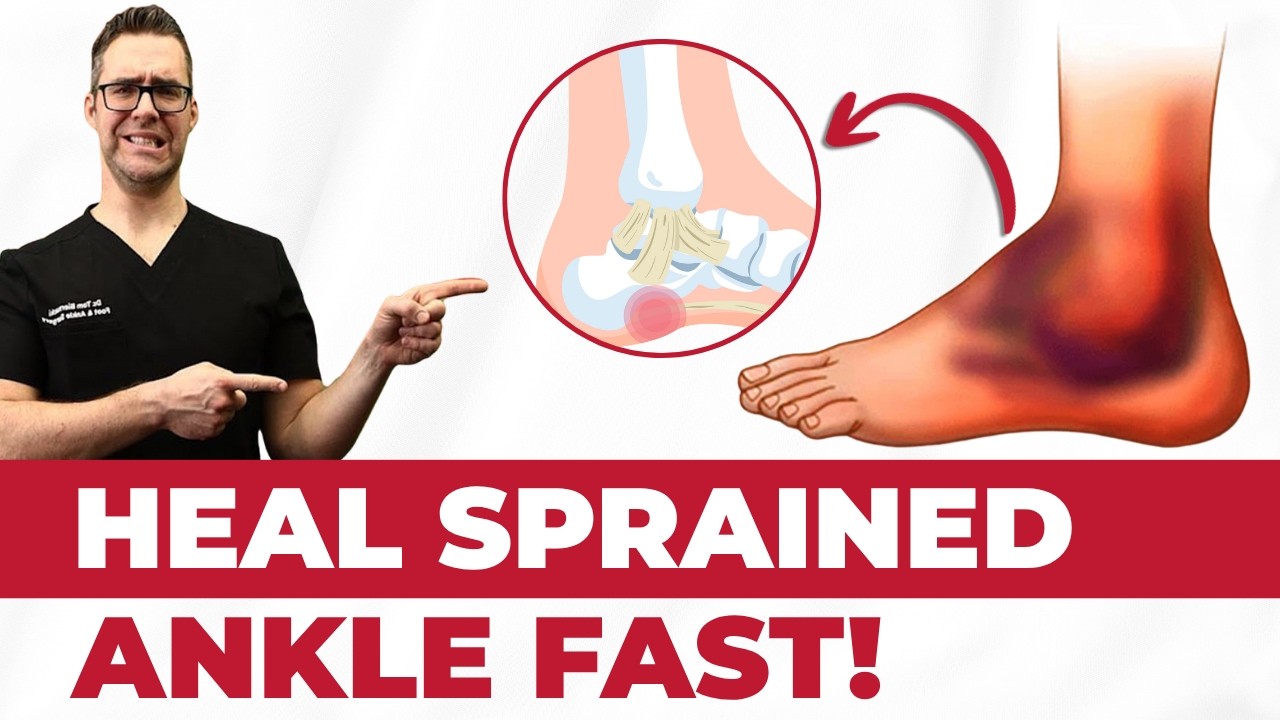
Lateral ankle sprains account for approximately 25–30% of all handball and racquetball injuries, making them the single most common court sport foot and ankle problem. The mechanism is consistent — a rapid lateral pivot or direction change combined with an uneven weight shift causes the ankle to roll inward (inversion), stretching or tearing the lateral ligament complex. The anterior talofibular ligament (ATFL) is injured most frequently, followed by the calcaneofibular ligament (CFL) in more severe sprains.
Court sport ankle sprains tend to be more severe than typical walking sprains due to the high-energy mechanism involved. Grade II sprains (partial ligament tears with moderate instability) are common, and some players sustain grade III injuries (complete ligament rupture) during aggressive play. The compressed playing environment increases reinjury risk because players must resume multi-directional movement quickly — there’s no option to “run it off” in a straight line. Previous ankle sprains are the strongest predictor of future sprains, creating a cycle that can lead to chronic ankle instability if not properly rehabilitated.
Plantar Fasciitis in Court Sport Players
The repetitive impact of court sports on hard surfaces makes plantar fasciitis one of the most common overuse conditions in handball and racquetball players. Each stride on a hard court generates forces 1.5–2.5 times body weight through the heel at foot strike, and the frequent lunging and push-off maneuvers further strain the plantar fascia attachment point. Players who increase training frequency rapidly, switch to shoes with less cushioning, or play on particularly hard surfaces face elevated risk.
Achilles Tendon Injuries From Explosive Movement
The Achilles tendon is maximally loaded during the explosive push-off, rapid deceleration, and jumping movements that define handball and racquetball play. Achilles tendinopathy develops gradually as the tendon accumulates microtrauma faster than it can repair, eventually producing insertional or midsubstance pain that worsens with play intensity. The most feared Achilles injury — acute rupture — occurs disproportionately in recreational court sport players over age 30 who play intermittently without adequate conditioning.
The classic Achilles rupture scenario involves a deconditioned player making an explosive push-off during competitive play — often described as “feeling like someone kicked me in the back of the ankle.” The combination of inadequate warm-up, accumulated tendon degeneration from intermittent play, and the high forces generated during court sports creates the perfect rupture environment. Prevention includes consistent eccentric strengthening exercises, proper warm-up before every session, and applying Doctor Hoy’s Natural Arnica Boost Recovery Cream post-play to support tendon recovery.
Metatarsal Stress Fractures From Court Pounding
The repetitive impact of hard court play concentrates stress on the metatarsal bones — particularly the second and third metatarsals, which bear the highest percentage of forefoot load during push-off. Stress fractures develop when bone remodeling can’t keep pace with the damage accumulated from training loads, producing initially mild forefoot pain that progressively worsens with each playing session. Players who increase frequency from once to three or four times weekly without gradual adaptation are at highest risk.
Fifth metatarsal stress fractures (Jones fractures) deserve special concern in court sport athletes because the healing-challenged blood supply at the proximal fifth metatarsal can lead to delayed union or nonunion requiring surgical fixation. Any lateral forefoot pain that persists beyond a few days of rest should be evaluated radiographically. Proper court shoes with adequate forefoot cushioning and supportive insoles like PowerStep Pinnacle insoles help distribute metatarsal forces more evenly, reducing peak bone stress.
Toe and Toenail Injuries From Wall Contact
The enclosed court environment creates a unique category of foot injuries: wall collisions. Players diving for shots or pursuing the ball into the front wall frequently strike their toes against the wall at speed, causing fractures of the distal phalanges, turf toe (hyperextension sprain of the big toe), and subungual hematomas (blood under the toenail). The combination of forward momentum and a rigid wall surface generates focal impact forces that easily fracture the relatively delicate toe bones.
Toenail injuries are particularly common — the sudden deceleration against the shoe toe box during aggressive play produces repetitive microtrauma that leads to runner’s toe (black toenail) even without wall contact. Ensuring adequate toe box room (approximately a thumb’s width between the longest toe and shoe end), keeping toenails properly trimmed, and wearing moisture-wicking socks that reduce forefoot sliding within the shoe all help prevent toenail trauma. DASS compression socks provide excellent moisture management and a secure fit that reduces in-shoe foot movement.
Blisters and Calluses From Court Play
The multi-directional movements of court sports generate significantly more friction and shear forces than linear activities, making blisters one of the most common — though often underestimated — injuries. The lateral movements create horizontal shear between the foot and shoe, while the enclosed court’s heat and humidity increase perspiration that softens skin and reduces its resistance to friction. Blisters most commonly develop on the medial arch (from lateral push-off), lateral fifth toe (from shoe pressure during pivots), and posterior heel (from up-and-back movement in shoes with inadequate heel grip).
Prevention starts with proper shoe fit and moisture management. Court shoes should fit snugly without being tight, with secure heel counters that prevent sliding. Wearing FLAT SOCKS provides moisture-wicking properties with a thin profile that reduces friction between the foot and shoe. For areas prone to repeated blistering, applying a thin layer of petroleum jelly or specialized anti-friction products before play reduces shear forces on vulnerable skin.
Midfoot and Lisfranc Injuries
Midfoot injuries in court sports occur when the foot is planted and a sudden force drives through the forefoot — typically during aggressive direction changes or when another player steps on the back of the foot during doubles handball. Lisfranc joint complex injuries range from mild sprains producing midfoot soreness to complete ligament disruption with joint dislocation requiring surgical repair. The key diagnostic finding is midfoot tenderness, swelling, and plantar ecchymosis (bruising on the sole) — any combination of these symptoms after a court sports incident requires immediate evaluation.
Peroneal Tendon Injuries
The peroneal tendons running behind the lateral malleolus (outside ankle bone) are heavily stressed during the lateral movements and ankle inversion episodes common in court sports. Peroneal tendinopathy presents as pain and swelling behind and below the lateral ankle bone, worsening with eversion (turning the foot outward) and push-off. In severe cases, the peroneal retinaculum (the tissue holding the tendons in place) can tear during a forceful dorsiflexion/eversion movement, allowing the tendons to sublux (slip out of their groove) with a painful snapping sensation.
Chronic peroneal tendon problems are frequently misdiagnosed as recurrent ankle sprains because the pain location overlaps and both conditions cause lateral ankle instability. Your podiatrist differentiates between them through clinical examination, provocative testing, and when necessary, MRI imaging. Treatment includes activity modification, ankle bracing or taping, physical therapy for peroneal strengthening, and in refractory cases, surgical repair of the retinaculum or tendon debridement.
Sesamoiditis From Explosive Push-Off
The sesamoid bones — two small bones embedded in the flexor hallucis brevis tendons under the big toe joint — absorb enormous pressure during the push-off phase that dominates court sport play. Sesamoiditis produces aching or sharp pain under the ball of the foot at the big toe, worsening with lunging, jumping, and pushing off to change direction. The condition is aggravated by thin-soled court shoes that provide inadequate forefoot cushioning on hard surfaces.
Managing sesamoiditis requires reducing pressure on the affected sesamoid through dancer’s pads (felt pads with a cutout under the sesamoid), stiff-soled shoes that limit big toe extension, and PowerStep Pinnacle Maxx insoles that redistribute forefoot pressure away from the sesamoid area. Severe cases may require temporary immobilization in a walking boot. Apply Doctor Hoy’s Natural Pain Relief Gel to the ball of the foot before and after play for topical pain management.
Court Shoe Selection for Injury Prevention
Proper court shoe selection is arguably the most impactful injury prevention measure for handball and racquetball players. Court-specific shoes differ from running shoes in critical ways: they feature reinforced lateral support to prevent ankle rolling during direction changes, flat outsoles with herringbone tread patterns that provide multi-directional traction on indoor surfaces, and lower heel-to-toe drops that improve court feel and stability during rapid movements. Running shoes, with their curved lasts and elevated heels, increase ankle sprain risk during lateral play.
Replace court shoes every 45–60 hours of play or every 6 months — whichever comes first. The midsole foam that provides cushioning and stability degrades with repeated compression, losing up to 40% of its shock absorption capacity before visible wear appears. Adding PowerStep Pinnacle insoles to court shoes replaces the typically flat factory insoles with contoured arch support and enhanced cushioning that reduces impact stress and improves biomechanical efficiency during play.
Warm-Up and Injury Prevention Strategies
A proper warm-up is non-negotiable for court sport injury prevention — yet it’s the step most recreational players skip. Begin with 5 minutes of light jogging or jumping rope to increase core temperature and blood flow to the lower extremities. Follow with dynamic stretches targeting the calves, Achilles tendons, hamstrings, and hip flexors — these active movements prepare tissues for the explosive loading they’ll experience during play far more effectively than static stretching.
Include sport-specific movements in your warm-up: lateral shuffles, forward-backward sprints, pivot drills, and lunges that mimic match movements at gradually increasing intensity. This neuromuscular preparation improves reaction time and proprioception, reducing the risk of ankle sprains during unexpected direction changes. Post-play cool-down with static stretching and application of Doctor Hoy’s Natural Arnica Boost Recovery Cream to the calves, ankles, and forefoot supports recovery between sessions.
Court Surface and Injury Risk
The playing surface significantly influences injury patterns and severity. Hardwood floors offer the best balance of traction and compliance for court sports, with some shock absorption from the suspended floor system. Concrete-based courts (common in older facilities) provide zero shock absorption and increase stress fracture, plantar fasciitis, and knee injury risk. Synthetic sport flooring varies widely in impact absorption properties — look for facilities with sport-certified surfaces meeting EN 14904 standards.
Court maintenance also affects injury risk. Dust, moisture, and worn floor finishes reduce traction, increasing ankle sprain risk from unexpected sliding. Conversely, newly refinished floors with excessive grip can increase rotational forces on the knee and ankle during pivots. Report surface issues to facility management and consider carrying a towel to wipe shoe soles between games on inconsistent surfaces.
Return to Play After Foot or Ankle Injury
Returning to court sports after injury requires progression through phases that rebuild both physical capacity and sport-specific skills. Begin with pain-free daily walking, progress to straight-line jogging, then add lateral movement drills at gradually increasing speed and intensity. Only return to competitive play when you can complete a full warm-up routine including lateral shuffles, pivots, and lunges at match intensity without pain or instability.
For ankle sprains — the most common return-to-play scenario — lace-up ankle braces provide mechanical support and improved proprioceptive feedback during the transition back to competitive play. Wearing PowerStep Pinnacle Maxx insoles in court shoes provides the enhanced stability and biomechanical control needed during recovery. Apply Doctor Hoy’s Natural Pain Relief Gel before play to manage residual soreness, and continue ankle strengthening exercises for at least 6–12 weeks after returning to full play.
Best Insoles for Court Sports: PowerStep Pinnacle Maxx & Pinnacle
Court sports demand insoles that deliver both shock absorption and lateral stability. After fitting thousands of athletic patients at our Southeast Michigan clinic, two PowerStep models consistently outperform every other over-the-counter option for racquetball and handball players.
PowerStep Pinnacle Maxx — Maximum Stability for Aggressive Lateral Movement
The PowerStep Pinnacle Maxx features a reinforced heel cradle with built-in motion control that limits excessive pronation during explosive direction changes. The firmer arch support and dual-layer cushioning system absorb the repetitive pounding of hardcourt play while maintaining structural integrity through even the longest tournament matches. We recommend this model for players with flat feet, overpronation, or a history of medial ankle sprains.
PowerStep Pinnacle — Versatile Support for Neutral to Moderate Arches
The PowerStep Pinnacle provides the ideal balance of cushioning and support for players with neutral or moderate arches. The semi-rigid shell controls motion without feeling restrictive, and the antimicrobial top fabric manages sweat during intense indoor play. Many of our recreational and competitive patients rotate between the Pinnacle during practice and the Pinnacle Maxx during tournaments.
Topical Pain Relief for Court Athletes: Doctor Hoy’s Natural Formulas
Court sports generate repetitive microtrauma that accumulates throughout a match. Having effective topical pain relief courtside — and in your post-match recovery routine — can mean the difference between chronic inflammation and staying in peak playing form.
Doctor Hoy’s Natural Pain Relief Gel
Doctor Hoy’s Natural Pain Relief Gel uses menthol and camphor in a clean, plant-based formula that penetrates quickly into inflamed tendons and soft tissues. Apply it to the Achilles, plantar fascia, or ball of foot immediately after play for rapid cooling relief. The non-greasy formula won’t leave residue on court shoes or equipment, and the natural ingredients mean you can reapply multiple times daily without chemical buildup concerns.
Doctor Hoy’s Natural Arnica Boost Recovery Cream
For deeper muscle and joint soreness — particularly after tournament play or multi-hour practice sessions — Doctor Hoy’s Arnica Boost Recovery Cream provides targeted recovery through a concentrated arnica and botanical blend. Massage it into sore ankles, calves, and the arch of the foot at night as part of your cool-down protocol. Arnica has been shown to reduce bruising and soft-tissue swelling, making this ideal for the impact injuries common in court sports.
Compression Socks for Court Recovery: DASS Premium Compression
Graduated compression supports venous return and reduces post-match edema — particularly important for court athletes who subject their lower extremities to hours of explosive loading. DASS premium compression socks deliver medical-grade 20-30 mmHg graduated compression that begins at the toes and decreases toward the knee. Wear them during recovery windows between matches or overnight after intense play. Patients who add compression to their recovery protocol consistently report faster return to baseline and less morning stiffness. The moisture-wicking fabric also makes them suitable as a base layer during practice sessions in warm indoor facilities.
Barefoot Court Training: FLAT SOCKS for Proprioceptive Work
Proprioception — your foot’s ability to sense position and loading on the court — directly impacts reaction time and injury prevention. FLAT SOCKS provide minimal-profile ground feel that allows barefoot-style training while still protecting against gym floor pathogens. Use them during warm-up balance drills, towel scrunches, and ankle stability exercises. Building proprioceptive strength in a minimal footwear environment translates to faster, more confident movement when you switch to your court shoes.
The Complete Court Sport Foot Care Kit
🏆 Court Sport Protection & Recovery Kit
Our recommended combination for handball and racquetball players who want comprehensive foot protection:
- PowerStep Pinnacle Maxx — Maximum lateral stability for aggressive court movement
- Doctor Hoy’s Pain Relief Gel — Courtside topical relief between games
- Doctor Hoy’s Arnica Boost — Post-match deep recovery
- DASS Compression Socks — Recovery compression between matches
- FLAT SOCKS — Barefoot proprioceptive training
This combination addresses every phase of court sport foot care: prevention (insoles + proprioceptive training), acute relief (topical gel), and recovery (arnica cream + compression).
Most Common Mistake: Playing Through “Minor” Ankle Tweaks
🔑 Key Takeaway From Our Clinic
A competitive racquetball player from Sterling Heights came to our office after six months of recurring ankle “give-outs” during matches. He had initially rolled his ankle on court and kept playing through what he described as “just a tweak.” By the time he sought treatment, he had developed chronic lateral ankle instability with peroneal tendon damage — a condition that required months of rehabilitation and a custom brace to stabilize. Had he taken two weeks off after the initial sprain and followed a proper RICE plus physical therapy protocol, the entire chronic phase could have been prevented. Court athletes: the adrenaline of competition masks injury severity. When your ankle rolls, stop playing and get evaluated within 48 hours.
Warning Signs: When to Stop Playing and See a Podiatrist
⚠️ Stop Playing Immediately If You Experience:
- Inability to bear weight after an ankle roll or foot impact — possible fracture or severe ligament tear
- Visible deformity or angulation of a toe or midfoot — likely fracture requiring urgent imaging
- Rapid swelling with bruising appearing within minutes — indicates significant soft tissue or bone injury
- Numbness or tingling in the toes that persists after removing shoes — possible nerve entrapment or compartment pressure
- Pain on the outside of the foot that worsens with each step — classic stress fracture presentation of the fifth metatarsal
- Popping or snapping sensation followed by immediate weakness — potential Achilles or peroneal tendon rupture
- Morning heel pain lasting more than 4 weeks that worsens during play — plantar fasciitis requiring intervention before it becomes chronic
- Black or discolored toenail with throbbing pain — subungual hematoma that may need drainage to prevent nail loss
Don’t wait for the season to end. Early intervention for court sport injuries typically means days to weeks of recovery. Delayed treatment often means months. Call our office at (810) 206-1402 to schedule an urgent evaluation.
In-Office Treatment at Balance Foot & Ankle
If home treatment isn’t providing relief for your foot and ankle conditions, our podiatry team at Balance Foot & Ankle can help with same-day evaluations and advanced in-office care.
Same-day appointments available. (810) 206-1402
Frequently Asked Questions About Court Sport Foot Injuries
What is the most common foot injury in racquetball and handball?
Lateral ankle sprains are the most common foot and ankle injury in court sports. The rapid direction changes, lunging movements, and close-quarter wall contact create constant inversion stress on the ankle. Plantar fasciitis ranks second due to the repetitive impact loading on hard court surfaces. Both conditions respond well to early treatment with supportive insoles like PowerStep Pinnacle Maxx, proper court shoes, and targeted rehabilitation exercises.
How do I prevent stress fractures from court sports?
Stress fracture prevention in court athletes requires a multi-factor approach: limit sudden increases in playing time to no more than 10% per week, wear court-specific shoes with adequate cushioning that you replace every 300-500 playing hours, use quality insoles for additional shock absorption, maintain adequate calcium and vitamin D intake, and incorporate cross-training days that reduce impact loading. If you develop localized foot pain that worsens during play and improves with rest, stop playing and get evaluated — early stress reactions are much easier to treat than complete stress fractures.
Should I wear ankle braces for racquetball?
If you have a history of ankle sprains, yes — a semi-rigid ankle brace or lace-up support significantly reduces recurrence rates during court play. For players without prior ankle injuries, focusing on proprioceptive training with exercises like single-leg balance drills (using FLAT SOCKS for enhanced ground feel) provides excellent prevention without restricting natural ankle mobility. Players returning from a recent sprain should use both a brace and proprioceptive training for at least 6-8 weeks.
How long should I rest after a court sport ankle sprain?
Recovery timelines depend on sprain severity. Grade I sprains (mild stretching, minimal swelling) typically require 1-2 weeks of modified activity before gradual return to court. Grade II sprains (partial ligament tear, moderate swelling and bruising) need 3-6 weeks of structured rehabilitation. Grade III sprains (complete ligament rupture, severe instability) require 6-12 weeks and sometimes surgical consultation. During recovery, apply Doctor Hoy’s Arnica Boost to reduce swelling and wear DASS compression socks to manage edema.
What court shoes are best for preventing foot injuries in racquetball?
Look for court-specific shoes (not running shoes) with a low-profile outsole, reinforced lateral sidewalls, gum rubber soles for indoor traction, and a wider toe box to prevent black toenails. Brands like ASICS Gel-Rocket, HEAD Revolt, and Ektelon racquetball shoes are designed specifically for the multi-directional demands of court play. Replace them when the outsole tread wears smooth or the midsole loses its bounce — typically every 4-6 months of regular play. Adding PowerStep Pinnacle Maxx insoles further enhances support and cushioning beyond what stock insoles provide.
Medical Sources & References
- Fong DT, Hong Y, Chan LK, Yung PS, Chan KM. A systematic review on ankle injury and ankle sprain in sports. Sports Med. 2007;37(1):73-94. doi:10.2165/00007256-200737010-00006
- Torg JS, Balduini FC, Zelko RR, Pavlov H, Peff TC, Das M. Fractures of the base of the fifth metatarsal distal to the tuberosity: Classification and guidelines for non-surgical and surgical management. J Bone Joint Surg Am. 1984;66(2):209-214.
- Riddle DL, Pulisic M, Pidcoe P, Johnson RE. Risk factors for plantar fasciitis: a matched case-control study. J Bone Joint Surg Am. 2003;85(5):872-877. doi:10.2106/00004623-200305000-00015
- Doherty C, Delahunt E, Caulfield B, Hertel J, Ryan J, Bleakley C. The incidence and prevalence of ankle sprain injury: a systematic review and meta-analysis of prospective epidemiological studies. Sports Med. 2014;44(1):123-140. doi:10.1007/s40279-013-0102-5
- American Academy of Orthopaedic Surgeons. Stress fractures of the foot and ankle. OrthoInfo. Updated 2022. Accessed 2025. https://orthoinfo.aaos.org/en/diseases–conditions/stress-fractures-of-the-foot-and-ankle
Watch: Court Sport Foot Injury Prevention Tips
Dr. Biernacki explains common court sport foot injuries and the best prevention strategies in this video from our Southeast Michigan clinic:

Competitive Court Athlete? Get a Sports Foot Evaluation
If you’re dealing with recurring ankle sprains, persistent heel pain, or want to optimize your court performance with custom orthotics, Dr. Biernacki and the team at Balance Foot & Ankle specialize in sports podiatry for court athletes throughout Southeast Michigan.
Related Sports Foot Care Resources
- Best Shoes for Plantar Fasciitis 2026
- Complete Ankle Sprain Treatment Guide
- Stress Fractures of the Foot: Diagnosis & Treatment
- Podiatrist Recommended Foot Care Products 2026
- Cycling Foot Injuries: Prevention & Treatment
- BMX & Mountain Biking Foot Injuries
Affiliate Disclosure: This page contains affiliate links to products we recommend. Balance Foot & Ankle may earn a small commission at no additional cost to you. We only recommend products Dr. Biernacki uses with patients in clinical practice.
Dr. Tom’s Recommended Products: See our clinically tested product recommendations for this condition. View Dr. Tom’s recommended products →
Insurance Accepted
BCBS · Medicare · Aetna · Cigna · United Healthcare · HAP · Priority Health · Humana · View All →
Howell Office
4330 E Grand River Ave
Howell, MI 48843
Get Directions →
Bloomfield Township Office
43494 Woodward Ave, Suite 208
Bloomfield Township, MI 48302
Get Directions →
Your Board-Certified Podiatrists



Ready to Get Back on Your Feet?
Same-week appointments available at both locations.
Book Your AppointmentWatch: Dr. Tom explains
Podiatrist-recommended products
As an Amazon Associate, Dr. Tom earns from qualifying purchases.
Max-cushion running shoe.
View on Amazon →Arch support insole.
View on Amazon →Circulation & recovery.
View on Amazon →Morning PF stretch.
View on Amazon →Related resources
Ready to solve this? Book today.
Same-week appointments · Howell & Bloomfield Township · 4.9★ (1,123+ reviews)
☎ (810) 206-1402Book Online →
Dr. Tom Biernacki, DPM is a board-certified foot & ankle surgeon (ABFAS & ABPM) at Balance Foot & Ankle Specialists in Southeast Michigan. With over a decade of clinical experience, he specializes in heel pain, bunions, diabetic foot care, sports injuries, and minimally invasive surgery. Dr. Biernacki is a member of the APMA and ACFAS, and his patient education content on MichiganFootDoctors.com and YouTube has made him one of the most-followed foot & ankle educators on YouTube.