
Medically reviewed by Dr. Tom Biernacki, DPM
Board-certified podiatric surgeon | Balance Foot & Ankle, Howell & Bloomfield Township, MI
Last reviewed: May 2026

| Lacing Method | Problem It Solves | How It Works | Best For |
|---|---|---|---|
| Heel lock (runner’s loop) | Heel slippage, heel blisters, black toenails | Figure-8 through top eyelet locks ankle collar | Runners, hikers, downhill terrain |
| Window / box lacing | Pressure over bunion, wide foot, neuroma | Skip eyelets over painful area | Bunions, hammertoes, dorsal midfoot pain |
| Toe relief lacing | Toe box pressure, narrow shoe | Start lacing from 2nd hole; leave 1st eyelet empty | Narrow toe boxes, hammer toe, claw toe |
| High arch lacing | Midfoot pressure from high arch | Run laces straight (not crossed) over arch area | High arches, cavus foot, instep pain |
| Diagonal lacing (neuroma relief) | Morton’s neuroma forefoot compression | Skip one eyelet; run diagonal to reduce width pressure | Morton’s neuroma, metatarsalgia |
| Parallel / straight lacing | Reducing overall lace pressure | Laces run straight across; never diagonal | Dorsal foot pain, extensor tendonitis |
| Foot Problem | Recommended Lacing | Eyelet Modification | Additional Fix |
|---|---|---|---|
| Heel blisters | Heel lock (runner’s loop) | Use top eyelet for loop | Heel grip pad + moisture-wicking socks |
| Black toenails | Heel lock to prevent forward slide | Top eyelet lock | Half-size larger shoe; keep nails trimmed |
| Bunion pain | Window lacing over 1st MTP area | Skip 2–3 eyelets over bunion | Wide toe box shoe; bunion shield pad |
| Morton’s neuroma | Diagonal / skip lacing over metatarsals | Skip eyelet at 3rd–4th metatarsal level | Metatarsal pad 1cm proximal to neuroma |
| Plantar fasciitis | Heel lock for heel security | Top eyelet loop | OTC arch support insole |
| Extensor tendonitis (top of foot) | Parallel / straight lacing | All straight; no diagonal crossings | Tongue pad to reduce pressure |
| Ankle instability | Heel lock + snug midfoot | Firm through all eyelets + top lock | High-top shoe; ankle strengthening PT |
Quick answer: Heel Lock Lacing is a common foot/ankle topic that affects many patients. The 2026 evidence-based approach combines proper diagnosis, conservative-first treatment, and escalation only when needed. We treat this regularly at our Howell and Bloomfield Township practices. Call (810) 206-1402.

Watch: Flat Feet and Heel Pain Best Running Shoes 2026 — MichiganFootDoctors YouTube
Medically Reviewed | Dr. Tom Biernacki, DPM | Board-Certified Podiatrist | Balance Foot & Ankle, Michigan
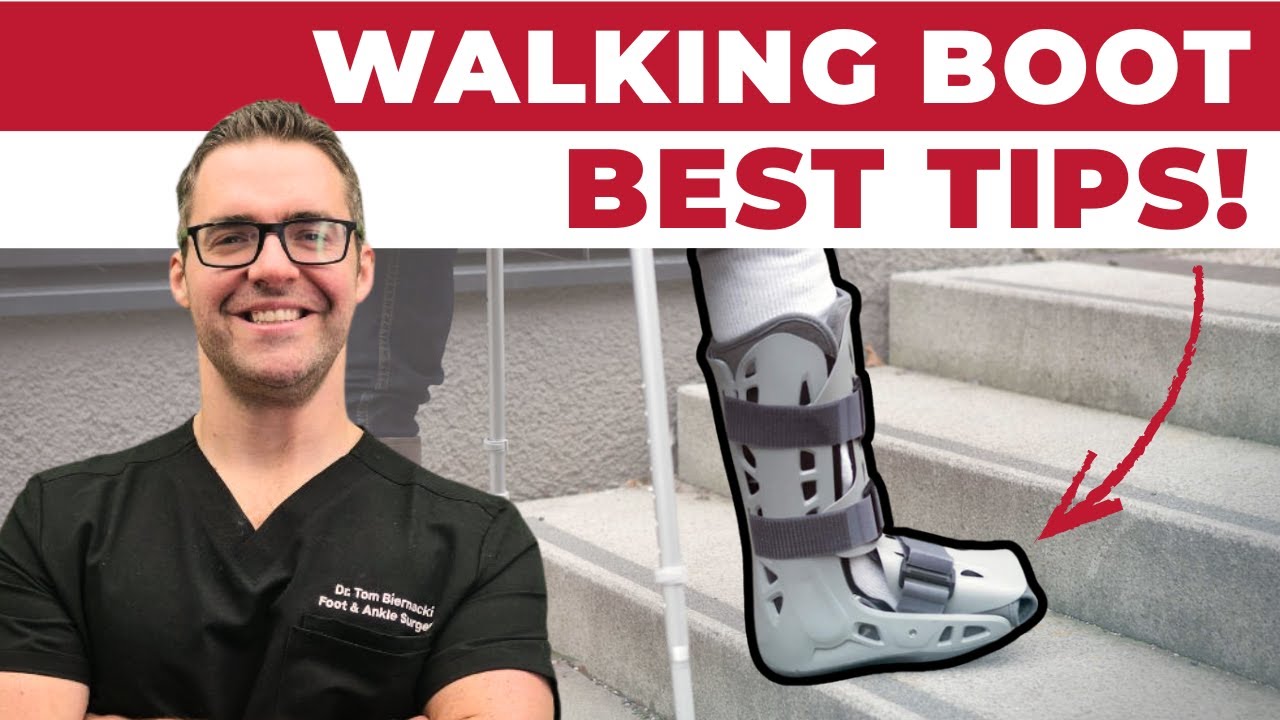
The most important clinical decision with Heel Lock Lacing isn’t which treatment to start with — it’s identifying the correct subtype. That changes everything. Call (810) 206-1402.
The most important clinical decision with Heel Lock Lacing isn’t which treatment to start with — it’s identifying the correct subtype. That changes everything. Call (810) 206-1402.
What Is Heel Lock Lacing?
Heel lock lacing (also called “runner’s loop” or “lace lock”) is a shoe lacing technique that uses the top eyelet of the shoe to create a secure loop mechanism — locking the heel in place and preventing forward sliding during activity.
It was popularized by the running community because heel slippage is the primary cause of heel blisters, black toenails (from toe impact at the front of the shoe), and Achilles tendon irritation from shoe collar rubbing.
Step-by-Step Heel Lock Instructions
Step 1: Lace your shoe normally up to the second-to-last set of eyelets (leaving the top eyelets empty).
Step 2: On the right side, take the lace and thread it through the top right eyelet — going from the outside in. Do not cross to the left side. Pull through to create a small loop.
Step 3: Repeat on the left side — thread the left lace through the top left eyelet from outside in, creating a loop.
Step 4: Cross over — take the right lace and thread it through the left loop. Take the left lace and thread it through the right loop.
Step 5: Pull both laces firmly to tighten the loops around the heel counter, then tie as normal.
When tied correctly, you will feel the heel firmly held with no up-and-down movement when you lift the back of your foot.
Lacing is one lever among several when your heel hurts on the run. Our sister site Heel Guide covers the heel problems runners actually get, and how training load drives each one.
Benefits of Heel Lock Lacing
Eliminates heel slippage — the most common cause of running blisters. Prevents the foot from sliding forward on downhills (protecting toenails). Reduces Achilles irritation from shoe collar movement. Improves proprioceptive feedback and power transfer during push-off. Particularly beneficial for running shoes with extra forefoot volume where heel fit is secondary.
FAQ
Does heel lock lacing work with all shoes?
It works with any shoe that has at least 2 eyelets at the top. Running shoes, hiking boots, and athletic shoes with a full eyelet ladder are ideal. It’s less applicable to shoes with only 3–4 eyelets.
Will heel lock lacing make my shoes too tight?
The heel lock applies tension only at the heel, not the forefoot. Your toe box remains unaffected. If the overall shoe is appropriately sized, heel lock adds security without discomfort.
Michigan Foot Pain? See Dr. Biernacki In Person
Same-week appointments at our Howell and Bloomfield Township offices.
📞 (810) 206-1402 Book Online →Frequently Asked Questions
Podiatrist-Recommended Products
These are the products Dr. Tom recommends most often in his clinic at Balance Foot & Ankle for lasting foot pain relief:
- PowerStep Pinnacle Arch Support Insoles — #1 clinic recommendation for arch support and heel pain relief
- Doctor Hoy’s Natural Pain Relief Gel — Fast-acting topical relief used and trusted by podiatrists
- CURREX RunPro Insoles — Dynamic arch profile for active patients and runners
As an Amazon Associate, Balance Foot & Ankle earns from qualifying purchases. These recommendations reflect genuine clinical use.
APMA: Heel Lock Lacing for Foot Support
Ready to Get Relief?
Same-day appointments available in Howell & Bloomfield Township, MI
4.9★ | 1,123 Reviews | 3,000+ Surgeries
Or call: (810) 206-1402

Dr. Tom Biernacki, DPM is a board-certified foot & ankle surgeon (ABFAS & ABPM) at Balance Foot & Ankle Specialists in Southeast Michigan. With over a decade of clinical experience, he specializes in heel pain, bunions, diabetic foot care, sports injuries, and minimally invasive surgery. Dr. Biernacki is a member of the APMA and ACFAS, and his patient education content on MichiganFootDoctors.com and YouTube has made him one of the most-followed foot & ankle educators on YouTube.